-
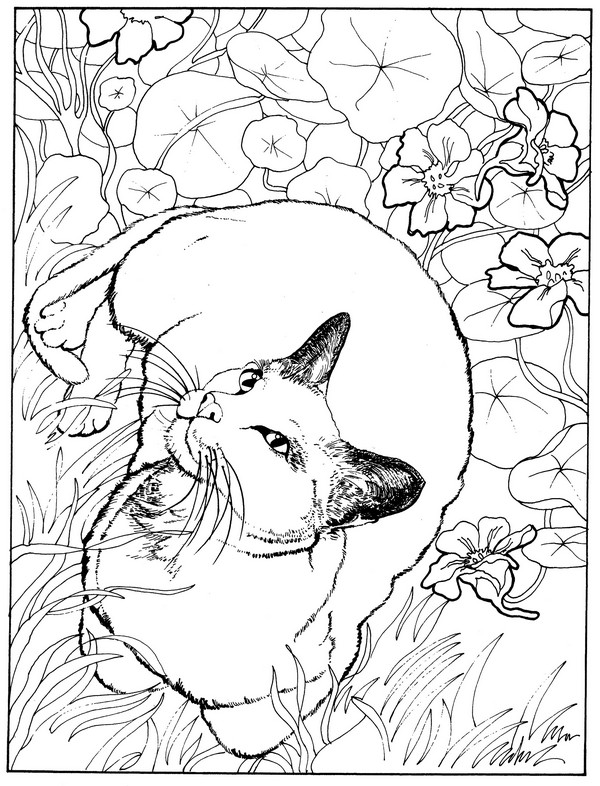
Coloring Page Blue Burmese Cat
-
広島 CAT STREET VIEW of Hiroshima
See the web site to walk a mile in a kitty’s paws.
http://hiroshima-welcome.jp/kanpai/catstreetview/index_2_on.html
-
Mood Disorders Across the Lifespan
-
Our treasure
Our treasure lies in the beehive of our knowledge. We are perpetually on the way thither, being by nature winged insects and honey gatherers of the mind. Friedrich Nietzsche

-
Self-Affirmation Improves Problem-Solving
It’s no secret that stress increases your susceptibility to health problems, and it also impacts your ability to solve problems and be creative. But methods to prevent associated risks and effects have been less clear – until now.
Published in PLOS ONE, new research from Carnegie Mellon University provides the first evidence that self-affirmation can protect against the damaging effects of stress on problem-solving performance. Understanding that self-affirmation – the process of identifying and focusing on one’s most important values – boosts stressed individuals’ problem-solving abilities will help guide future research and the development of educational interventions.
“An emerging set of published studies suggest that a brief self-affirmation activity at the beginning of a school term can boost academic grade-point averages in underperforming kids at the end of the semester. This new work suggests a mechanism for these studies, showing self-affirmation effects on actual problem-solving performance under pressure,” said J. David Creswell, assistant professor of psychology in CMU’s Dietrich College of Humanities and Social Sciences.
Because previous research indicated that self-affirmation may be an effective stress management approach, Creswell and his research team had college students rank-order a set of values (e.g., art, business, family and friends) in terms of their personal importance, and indicate their levels of chronic stress. Participants randomly assigned to a self-affirmation condition were asked to write a couple of sentences about why their number one ranked value was important (a standard self-affirmation exercise). All participants then had to complete a challenging problem-solving task under time pressure, which required creativity in order to generate correct solutions.
The results showed that participants who were under high levels of chronic stress during the past month had impaired problem-solving performance. In fact, they solved about 50 percent fewer problems in the task. But notably, this effect was qualified by whether participants had an opportunity to first complete the self-affirmation activity. Specifically, a brief self-affirmation was effective in eliminating the deleterious effects of chronic stress on problem-solving performance, such that chronically stressed self-affirmed participants performed under pressure at the same level as participants with low chronic stress levels.
“People under high stress can foster better problem-solving simply by taking a moment beforehand to think about something that is important to them,” Creswell said. “It’s an easy-to-use and portable strategy you can roll out before you enter that high pressure performance situation. -
Art and Asthma
The fear and anxiety associated with an asthma attack can last long after the attack has subsided. Now research, published online in the Journal of Allergy & Clinical Immunology, reports that the art therapy showed benefits both during the therapy and for months afterward. “Asthma impacts not only a child’s physical well-being but also has a considerable effect on a child’s quality of life and psychological development,” said Anya Beebe, MA, an art therapist at National Jewish Health. “Our study shows that art therapy for children with severe, chronic asthma is clearly beneficial. Our results were striking and persisted for months after treatment stopped.”
In art therapy, patients create artwork that helps express their feelings about an illness, a trauma or medical concerns. The artwork can then serve as a starting point for discussions about these issues. Researchers believe that creating art helps participants establish distance between themselves and their medical concerns. They learn to understand that they have a personal identity outside of their illness. It is believed to be particularly effective with children because they often do not have the adult capabilities to verbally articulate their emotions, perceptions, or beliefs, and often can more comfortably convey ideas in ways other than talking.
You can read more at the National Jewish Health website. -
Carla van den Berg, mixed media technique
-
Tamar Capsouto & Leat Sabbah Sex Love & Art
-
Addiction Crisis
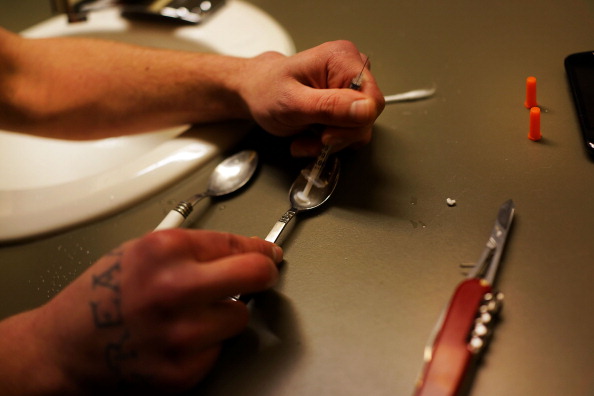
In 2014 more than 47,000 Americans died from a drug overdose. The CDC reports that drug-related death rates in Appalachia and the Southwest were especially high, but in almost every county in the country, the numbers are rising. Treatment programs are expensive, sometimes not easily accessible and often not successful. Political leaders of both parties have stressed the toll that drug addiction is taking on communities and, at times, in their own families. President Obama has pledged to step up support and so have many state and local officials. Please join us for an update on the rising drug addiction crisis and the new efforts to address it.
“New Efforts To Address America’s Growing Addiction Crisis”. Listen to a archive copy of the Diane Rehm Show discussing the addiction crisis.
-
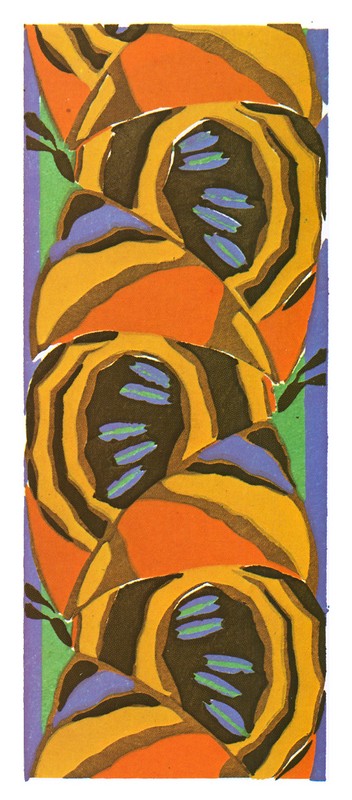
Seguy Art Deco Designs 126

 RichardbBrunner