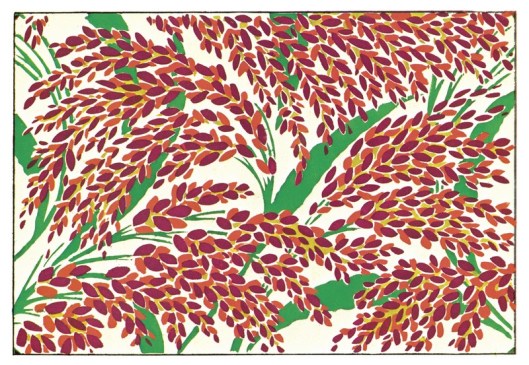
Posted by RichardB | Filed under Seguy Art Deco Designs

31 Saturday Jan 2026
Posted by RichardB | Filed under Seguy Art Deco Designs
30 Friday Jan 2026
Posted in Art Therapy, YouTube
Tags
28 Wednesday Jan 2026
Tags
“We do not think ourselves into new ways of living, we live ourselves into new ways of thinking.” Richard Rohr, from Everything Belongs

26 Monday Jan 2026
Posted in Music
Tags
24 Saturday Jan 2026
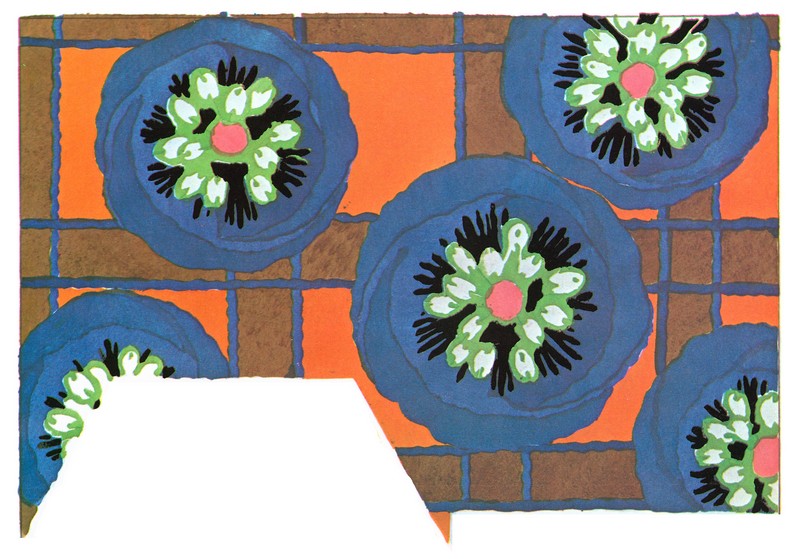
Posted by RichardB | Filed under Seguy Art Deco Designs
23 Friday Jan 2026
Posted in food
22 Thursday Jan 2026
Posted in Uncategorized
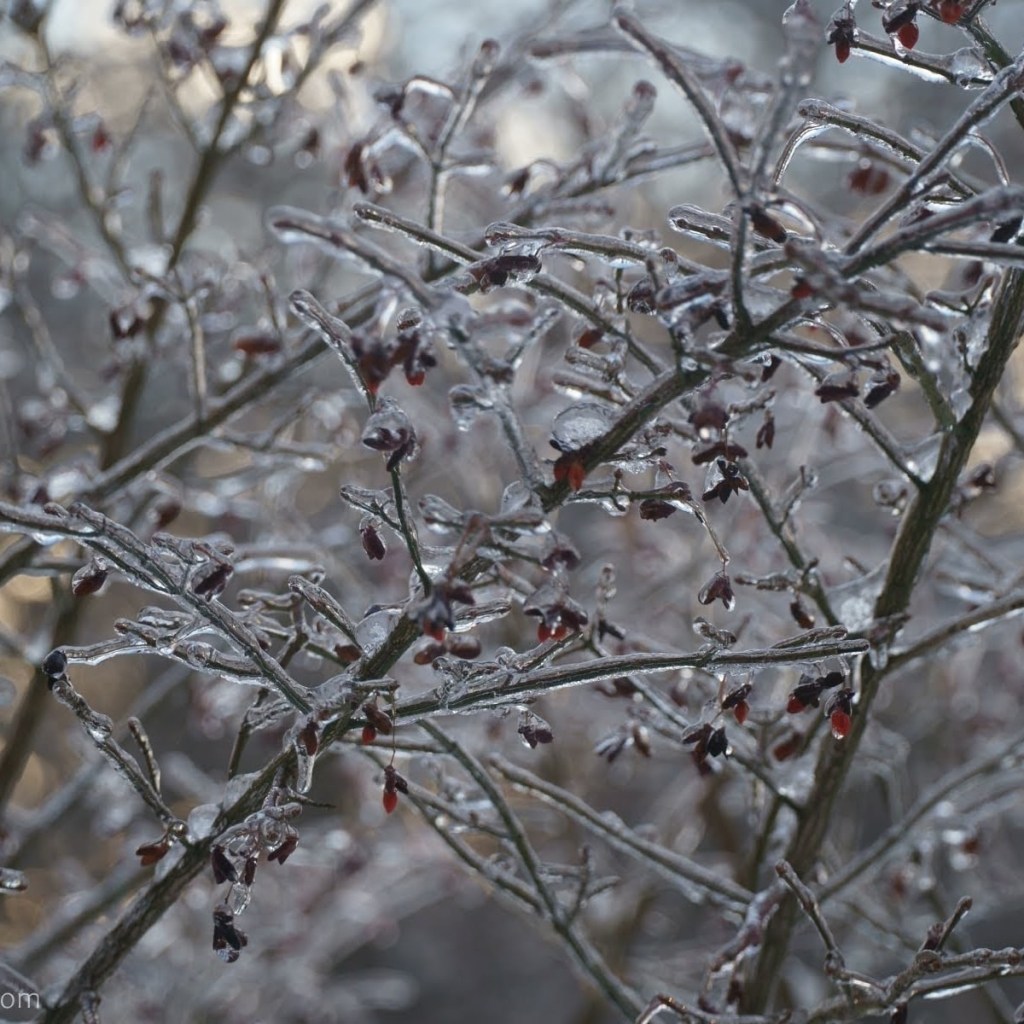
In the 19th century, ice vendors used to ship blocks of ice from frozen rivers to more southerly cities. When refrigeration was invented, ice barons disparaged the ice they made as “artificial ice,” fake, not the real thing. But it didn’t work: Artificial ice was seen as cleaner, less impure, safer. When it also became cheaper to produce, it replaced the “natural” stuff rapidly. “To our 19th-century ancestors,” writes Postrel, “‘nature’ was a source of peril rather than purity.”
21 Wednesday Jan 2026
Posted in Differences
Tags
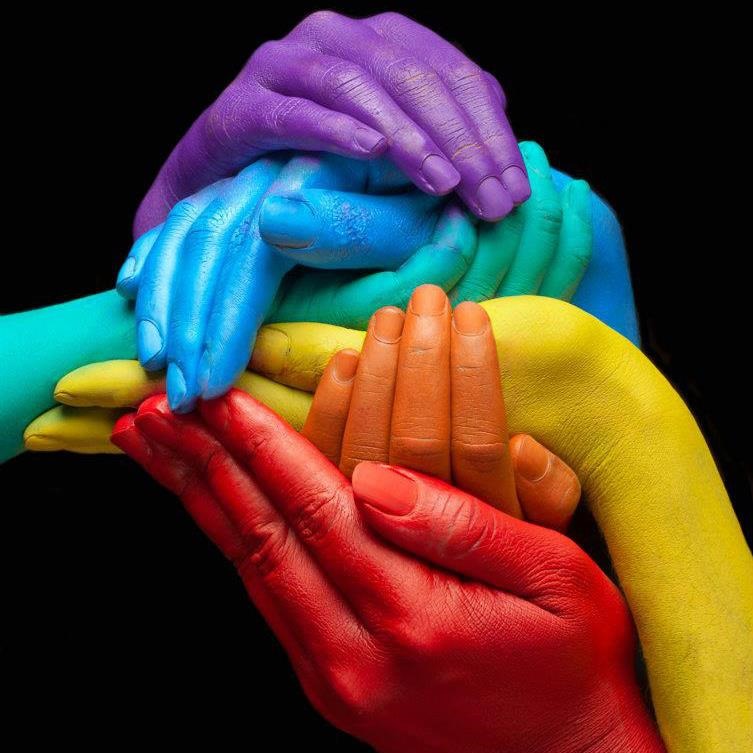
It is not our differences that divide us. It is our inability to recognize, accept, and celebrate those differences. Audre Lorde
19 Monday Jan 2026
Posted in Music
Tags
17 Saturday Jan 2026
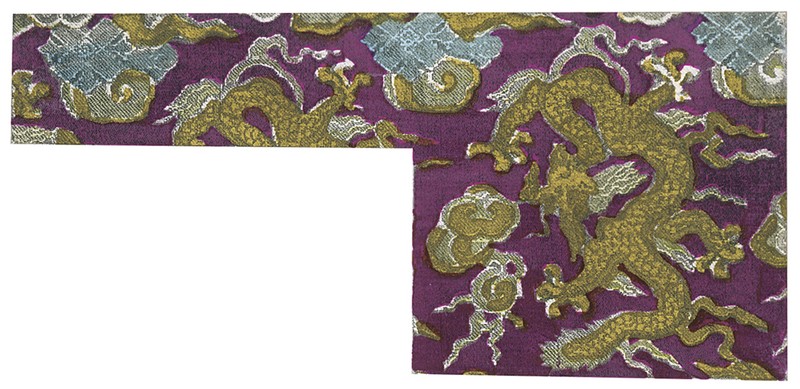
Posted by RichardB | Filed under Japanese Textile Designs
≈ Comments Off on Japanese Textile Designs 61
16 Friday Jan 2026
Tags
15 Thursday Jan 2026
Posted in creative, Mental Health, Mood, Research, Uncategorized
≈ Comments Off on Different Cultures Enhances Creativity
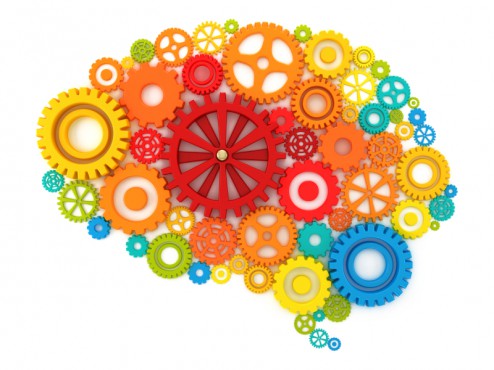
Creativity can be enhanced by experiencing cultures different from one’s own, according to a study in Personality and Social Psychology Bulletin (published by SAGE).
Three studies looked at students who had lived abroad and those who hadn’t, testing them on different aspects of creativity. Relative to a control group, which hadn’t experienced a different culture, participants in the different culture group provided more evidence of creativity in various standard tests of the trait. Those results suggest that multicultural learning is a critical component of the adaptation process, acting as a creativity catalyst.

The researchers believe that the key to the enhanced creativity was related to the students’ open-minded approach in adapting to the new culture. In a global world, where more people are able to acquire multicultural experiences than ever before, this research indicates that living abroad can be even more beneficial than previously thought.
“Given the literature on structural changes in the brain that occur during intensive learning experiences, it would be worthwhile to explore whether neurological changes occur within the creative process during intensive foreign culture experiences,” write the authors, William W. Maddux, Hajo Adam, and Adam D. Galinsky. “That can help paint a more nuanced picture of how foreign culture experiences may not only enhance creativity but also, perhaps literally, as well as figuratively, broaden the mind.
The article “When in Rome… Learn Why the Romans Do What They Do: How Multicultural Learning Experiences Facilitate Creativity” in the June 2010 issue of Personality and Social Psychology Bulletin.
14 Wednesday Jan 2026
Tags
Creativity is a continual surprise. ― Ray Bradbury
12 Monday Jan 2026
Posted in Music
≈ Comments Off on MusicMonday: Courtney Barnett: NPR Music Tiny Desk Concert
Tags
10 Saturday Jan 2026
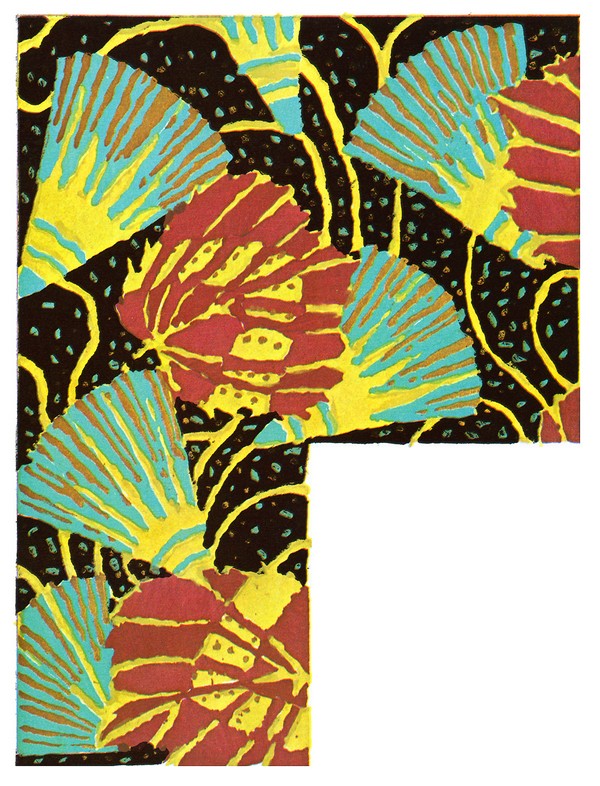
Posted by RichardB | Filed under Seguy Art Deco Designs
≈ Comments Off on Seguy Art Deco Designs 64
09 Friday Jan 2026
Posted in eat
≈ Comments Off on Watch “Mystery behind binge eating revealed | 90 Seconds w/ Lisa Kim” on YouTube
08 Thursday Jan 2026
Posted in Data hack
≈ Comments Off on Biggest Data Breaches of 2025
08 Thursday Jan 2026
Posted in art, Art Therapy, Mental Health
≈ Comments Off on Syrian kids adapt to new life in Canada through art therapy
Tags
From the Archives: An unconventional Saskatoon program is helping six-year-old Syrian refugee Mahmud Alcheikh heal from the trauma of the Syrian civil war.
Once a week, he sits around a large table in a small room at Queen Elizabeth School with his siblings Zeina, 9, Janna, 10, Abdulwhab, 12, and Mohamed Alcheikh, 13. The children draw the new contours of their lives away from war, coloured pens in hand.

“They are full of energy and their creativity is increasing at every session. They’re becoming much more open,” said art therapist David Baudemont, who has been working with the Alcheikh kids since April.
The family left the Syrian city of Deir ez-Zor in 2012 to Ar-Raqqah where they hid for a couple years. The family made it to Turkey in 2015 before coming to Saskatoon this September.
Baudemont said art therapy can help survivors of war to heal.
“If you are picturing your uncle who is still in Turkey, you’re going to be able to forget the pain of not having that uncle.”
He believes the Alcheikh children are particularly vulnerable.
“There were some signs in the drawings there was probably some trauma involved. So we’ve decided to work with the whole family,” he added. MORE HERE
07 Wednesday Jan 2026
Posted in snow
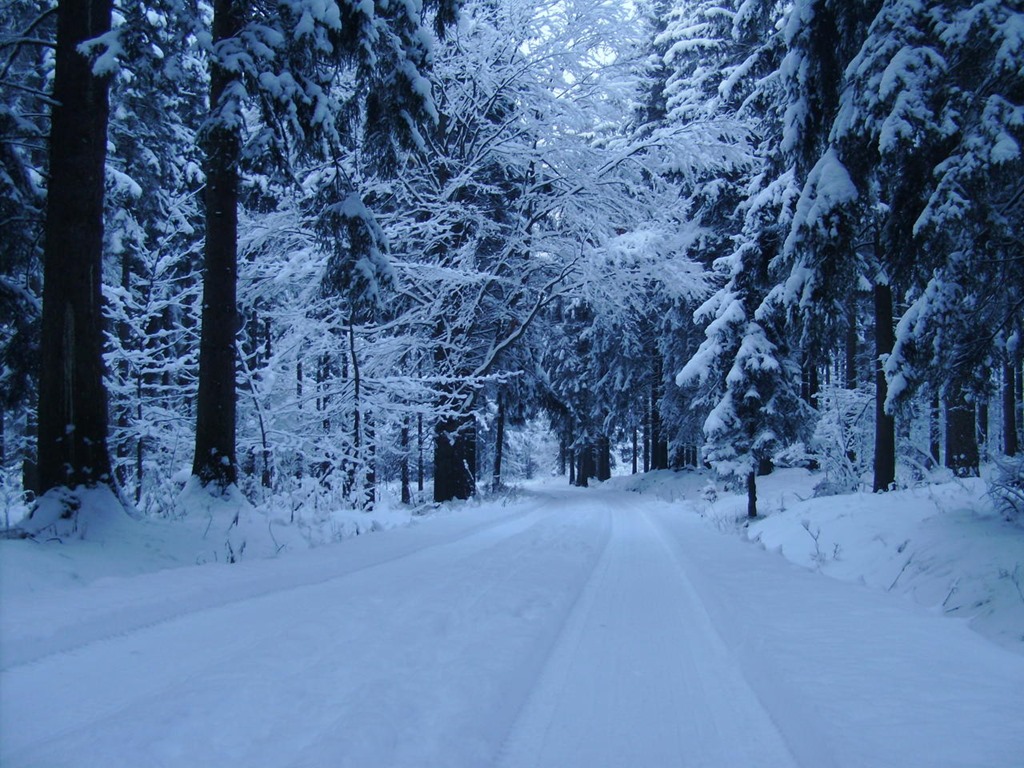
≈ Comments Off on Snow
06 Tuesday Jan 2026
Posted in news
≈ Comments Off on Atlantic Council: “After Maduro”
Regional experts unpack the implications of the US military operation to remove Venezuelan dictator Nicolás Maduro from power on January 3.

 RichardbBrunner