-
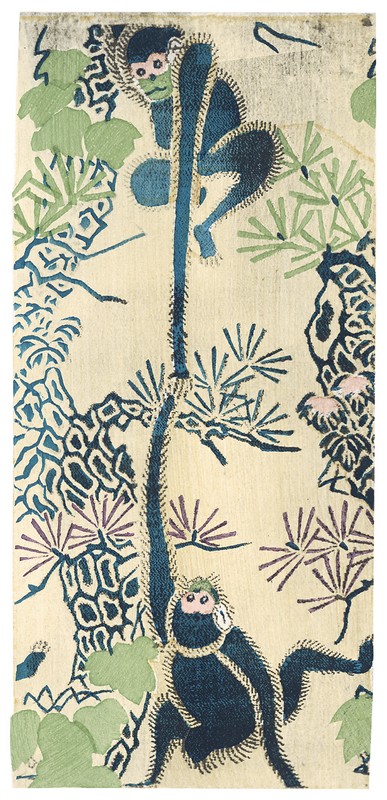
Japanese Textile Designs 131
-
Cardinal-Coloring Page

-
our food
Mother Nature clearly intended for us to get our food from the “patty” group, which includes hamburgers, fish sticks, and McNuggets- foods that have had all of their organs safely removed. Dave Barry

Photo by Valeria Boltneva on Pexels.com
-
learn
“You must learn from the mistakes of others. You can’t possibly live long enough to make them all yourself.” Sam Levenson

-
Men and Depression
In my years f doing groups I have on occasion facilitated men only groups. One issue that comes up is depression. We all have bouts of sadness now and then and when those bouts of sadness interfere with our daily lives than we need to take a step in the direction of change. Below is a handout I often use, particularly with dual diagnosed men.

Symptoms of Depression
Not everyone who is depressed or manic experiences every symptom. Some people experience only a few; some people suffer many. The severity of symptoms varies among individuals and also over time.
· Persistent sad, anxious, or “empty” mood.
· Feelings of hopelessness or pessimism.
· Feelings of guilt, worthlessness, or helplessness.
· Loss of interest or pleasure in hobbies and activities that were once enjoyable
· Decreased energy, fatigue; feeling “slowed down.”
· Difficulty concentrating, remembering, or making decisions.
· Trouble sleeping, early-morning awakening, or oversleeping.
· Changes in appetite and/or weight.
· Thoughts of death or suicide, or suicide attempts.
· Restlessness or irritability.
· Persistent physical symptoms, such as headaches, digestive disorders, and chronic pain that do not respond to routine treatment.
Co-Occurrence of Depression with Other Illnesses
Depression can coexist with other illnesses. In such cases, it is important that the depression and each co-occurring illness be appropriately diagnosed and treated. Research has shown that anxiety disorders which include post-traumatic stress disorder (PTSD), obsessive-compulsive disorder, panic disorder, social phobia, and generalized anxiety disorder commonly accompany depression.
Substance use disorders (abuse or dependence) also frequently co-occur with depressive disorders. Research has revealed that people with drug and/or alcohol addiction are almost twice as likely to experience depression.
Depression has been found to occur at a higher rate among people who have other serious illnesses such as heart disease, stroke, cancer, HIV, diabetes, and Parkinson’s.
Causes of Depression
Very often, a combination of cognitive, genetic, and environmental factors is involved in the onset of depression. Modern brain-imaging technologies reveal that, in depression, neural circuits responsible for the regulation of moods, thinking, sleep, appetite, and behavior fail to function properly.
In some families, depressive disorders seem to occur generation after generation; however, they can also occur in people with no family history of these illnesses. Genetics research indicates that risk for depression results from the influence of specific multiple genes acting together with non-genetic factors.
Environmental factors such as trauma, loss of a loved one, a difficult relationship, financial problem, or any stressful change in life patterns, whether the change is unwelcome or desired, can trigger a depressive episode in vulnerable individuals. Once someone experiences a bout of depression later episodes of depression may occur without an obvious cause.
Men and Depression
Men are more likely than women to report alcohol and drug abuse or dependence in their lifetime; however, there is debate among researchers as to whether substance use is a “symptom” of underlying depression in men or a co-occurring condition that more commonly develops in men. Nevertheless, substance use can mask depression, making it harder to recognize depression as a separate illness that needs treatment.
Instead of acknowledging their feelings, asking for help, or seeking appropriate treatment, men may turn to alcohol or drugs when they are depressed, or become frustrated, discouraged, angry, irritable, and, sometimes, violently abusive. Some men deal with depression by throwing themselves compulsively into their work, attempting to hide their depression from themselves, family, and friends. Other men may respond to depression by engaging in reckless behavior, taking risks, and putting themselves in harm’s way.

How to Help Yourself if You Are Depressed
Depressive disorders can make one feel exhausted, worthless, helpless, and hopeless. It is important to realize that these negative views are part of the depression and do not accurately reflect the actual circumstances. Negative thinking fades as treatment begins to take effect. In the meantime:
- Engage in mild exercise. Go to a movie, a ballgame, or participate in religious, social, AA/NA meetings or other healthy activities.
- Set realistic goals and assume a reasonable amount of responsibility.
- Break large tasks into small ones, set some priorities, and what you can as you can.
- Try to be with other people and to confide in someone; it is usually better than being alone and secretive.
- Expect your mood to improve gradually, not immediately.
- Feeling better takes time. Often during treatment of depression, sleep and appetite will begin to improve before depressed mood lifts.
- Postpone important decisions. Before deciding to make a significant transition–change jobs, get married or divorced–discuss it with others who know you well and have a more objective view of your situation.
- Do not expect to ‘snap out of’ a depression. But do expect to feel a little better day-by-day.
- Remember, positive thinking will replace the negative thinking as your depression responds to treatment.
- Let your family and friends help you.
-
Happiness
Finding happiness in the everyday and mundane is a challenge and really easy, at the same time. It has to do with how you see yourself and world around you. Below is a panel discussion by ‘experts’, which is funny in itself.
2013 Stanford University Roundtable: Are You Happy Now?
Streamed live on Oct 18, 2013The talking starts at 13:00 minutes in. The science of happiness is a growing and intriguing field. Research about what truly makes people happy is not only surprising, but applicable no matter how much money we make or where we live. Join moderator Katie Couric and a panel of experts in psychology, business, neuroscience and design for a Roundtable discussion about the happiness and sense of wellbeing that elude so many, but are sought by all.
-
Kestenberg Movement Profile: Tension Flow Rhythms
KMP Movement Analysis is the comprehensive system for identifying psychological, developmental, emotional, cognitive and global health/imbalance through movement observation, notation and interpretation.
If the mind, emotions, and body are a closely integrated , mutually interacting system, then it is reasonable that we should be able to gain information about the mind by observing the body. The body and its manner of moving not only reveals aspects of current feelings and emotions, but can give us insight into an individual’s past. As Loman and Foley wrote in 1996, “…experiences get stored in the body and are reflected in body movement.” A person who feels rejected may develop a hollow, narrowed body attitude which expresses and reinforces such feelings throughout life. Because both physical and emotional experiences leave long term traces upon the way people hold themselves and move, the study of movement opens a door to the study of patterns of early development, coping strategies and personality configurations. -
Testosterone Treatment Accelerates Plaque Build-Up
Older men may want to think twice before starting testosterone treatment, based on results of a clinical trial that found testosterone speeds up the development of plaque in the heart’s arteries.
 Published in the Journal of the American Medical Association, this study looked at the association between testosterone treatment and plaque build-up in older men. It was conducted in response to recent studies that have raised concerns about the impact of testosterone therapy on heart health.
Some studies have found that testosterone treatment may increase risk for heart events like heart attack and stroke, while others have found no relationship. With a ten-fold increase in testosterone sales in the United States from 2000–2011, experts worry about the potential impact of widespread testosterone use on heart health.
For this reason, researchers conducted the Testosterone Trials, which investigated the effects of testosterone treatment in elderly men with low testosterone. The studies looked at multiple outcomes, such as sexual function, brain function, vitality and cardiovascular risk.
The heart-related trial was conducted from 2010–2014 and included 170 men aged 65 years or older with low testosterone. For one year, half of participants were randomly assigned to active testosterone treatment—a topical gel applied to the arms and shoulders daily—while half received a placebo gel with no active ingredients.
At the start and end of the study, participants underwent a test called coronary computed tomographic angiography, which uses CT imaging to measure plaque build-up in the heart. Plaque build-up is dangerous because it narrows the heart’s arteries and is associated with increased risk for heart disease—the leading killer of Americans.
After analysis, researchers found that men taking testosterone had a greater increase in non-calcified plaque volume during the study period compared to men using the placebo gel. In fact, on average men taking testosterone had a 41mm3 greater increase in plaque volume than those taking the placebo, and this difference was considered statistically significant.
While findings suggest testosterone treatment accelerates plaque build-up in older men, authors do note certain limitations. The study only followed participants for one year, which is a relatively short time period. It also did not assess the impact of plaque build-up on outcomes like heart attack and death, so it’s unknown whether testosterone treatment impacts long-term health outcomes.
However, the study still raises concerns about the safety of testosterone treatment in older men with low testosterone. As a result, experts suggest that patients considering testosterone therapy discuss the risks and benefits with their doctor before making any decisions about testosterone treatment. They also encourage further research on the issue to better understand the association between testosterone treatment and heart health in older men.
-
Etze li ha’Shuka – SHEFITA [the market song]
-
Alan Watts: Drugs & Addiction


 RichardbBrunner