-
Japanese Textile Designs 135
-
Coloring Page Arianrhod
-
established patterns
Creativity involves breaking out of established patterns in order to look at things in a different way. Edward de Bono
-
Dance Movement Therapy
Dance Movement Therapy is a creative arts therapy rooted in the expressive nature of dance. Since dance/movement comes from the body it is considered the most fundamental of the arts and is a direct expression (and experience) of the self. Dance/movement is a basic form of authentic communication, and as such it is an especially effective medium for therapy.
 Dance/movement therapists (R-DMT or BC-DMT) work with individuals of all ages, groups and families in a wide variety of settings. They focus on helping their clients improve self-esteem and body image, develop effective communication skills and relationships, expand their movement vocabulary, gain insight into patterns of behavior, as well as create new options for coping with problems. Movement is the primary medium DMT’s use for observation, assessment, research, therapeutic interaction, and interventions.
DMT’s work in settings that include psychiatric and rehabilitation facilities, schools, nursing homes, drug treatment centers, counseling centers, medical facilities, crisis centers, and wellness and alternative health care centers.
-
Fear
“Fear is a natural reaction to moving closer to the truth” ~ Pema Chodron
-
N.H. Ranks High In Prescriptions For Addictive Painkillers
New Hampshire doctors are among the nation’s most prolific prescribers of Oxycontin and other opioids, according to a government report released Tuesday that analyzed the state-by-state use of highly addictive painkillers.

The study by the Centers for Disease Control ranked the Granite State third, behind Maine and Delaware, for per-capita prescriptions of Oxycontin, fentanyl and other long-acting opioids in 2012, even as the state ranked relatively low – 39th – for overall opioid prescribing. Read more HERE
-
What is Mindfulness?
What is Mindfulness?
Mindfulness is a concentrated state of awareness that can help us see and respond to situations with clarity and without getting carried away by emotions or the constant chatter in our heads. Mindfulness enables us to:
· Better manage tension and stress
· Enhance objectivity, mental focus
· Communicate and make decisions more effectively
· Improve productivity
· Quiet’s noise in the mind
Meditation
Meditation is the tool we use to cultivate mindfulness. With meditation, you intentionally pay attention to a particular object as a way to strengthen concentration. There are thousands of meditative techniques: Tai Chi, yoga, focusing on the breath and using a mantra are all examples. People often think that meditating “correctly” means clearing all thought from the mind. This is a myth. The mind never stops thinking – it’s when we get caught up in our thoughts that we lose mindfulness. By witnessing thoughts, allowing them to pass, and returning to your chosen object of focus, you can actually build the muscle of concentration. Think of meditation as a fitness routine for the mind.
Are there other benefits to mindfulness?
In addition to boosting brain power, numerous research studies have shown significant physical benefits including:
· Reduced blood pressure
· Lowered cholesterol levels
· Enhanced immune function
· Reduced headache, migraine, back pain
· Improved respiratory function
Mindfulness does not require a particular set of beliefs in order to learn and practice – it is a quality of mind, accessible and available to all.
Mindfulness allows us to live every moment fully without the filters of bias, judgment or emotional reaction.
Mindfulness helps the body cope with physical challenges such as headaches, back pain and even heart disease.
Mindfulness keeps us from reacting too quickly – it helps increase the gap between impulse and action.
-
love deeply
“Each time you love, love as deeply as if it were forever.” Audre Lorde

-
Boee (Come To Me)
-
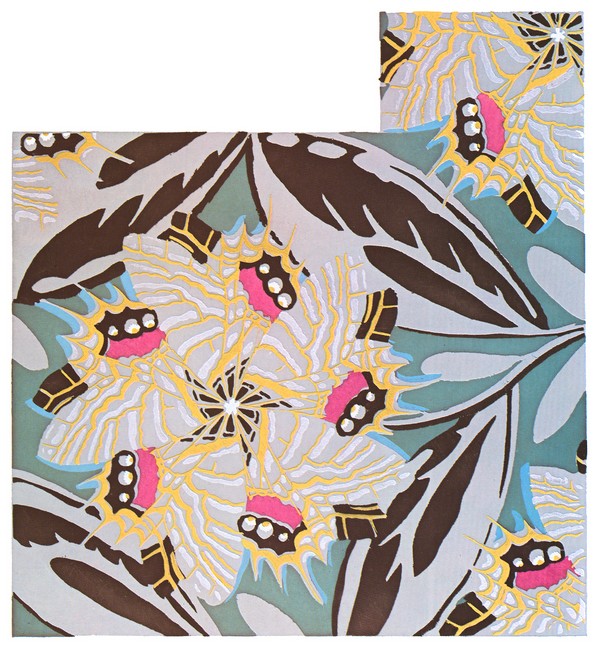
Seguy Art Deco Designs 124


 RichardbBrunner