-
Oshun-Coloring Page

-
It takes two
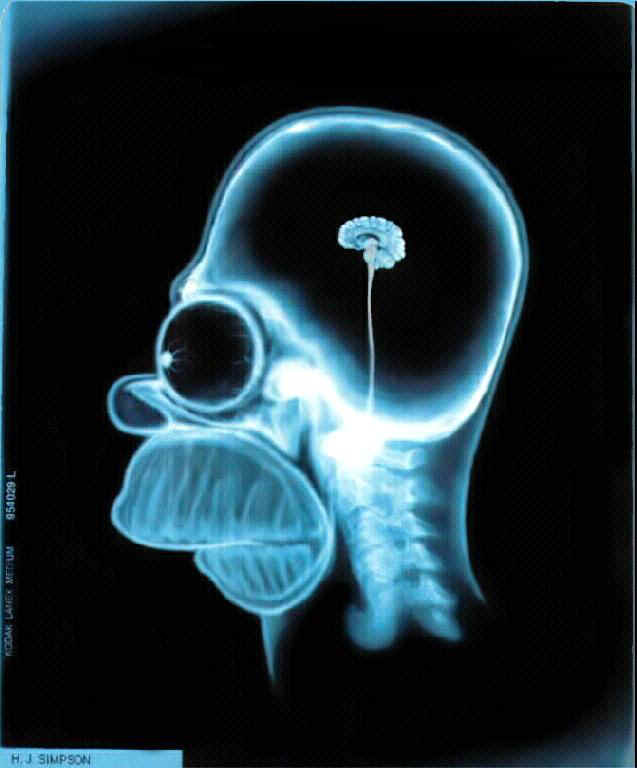
It takes two to lie. One to lie and one to listen. Homer Simpson
-
Study cools idea behind hot yoga
A small study sponsored by the American Council on Exercise is one of the first to look at whether hot yoga offers any more bang for your buck than traditional yoga. The study recruited 20 healthy men and women between 19 and 44, each of whom took a 60-minute yoga class in both a room heated to 21 C and one heated to 31 C. The classes were taken 24 hours apart and were led by the same instructor and featured the same poses.
Each subject wore a heart-rate monitor and swallowed an ingestible core body temperature sensor before taking part in the class. Core body temperature was recorded five minutes before the class, every five minutes during the class and five minutes after the class.
Heart rate was recorded every minute, with subjects also ranking their perceived rate of exertion on a scale from 6 to 20.
In the end, the researchers, who hailed from the Department of Exercise and Sport Science at the University of Wisconsin-La Crosse, noted very little difference in the core temperature and heart rate of the participants despite the difference in temperature between the two classes. Core temperature for the hot yoga participants was 37.6 C versus 37.4 C for the cooler studio.
As for the intensity of the workouts, both yoga practices would be classified as “light exercise,” with heart rate averaging about 56 per cent of maximum during the regular yoga class as compared to 57 per cent of maximum heart rate during the hot yoga class.
Read the entire article here. -
Thinking influences
Thinking influences our feelings through the things that we say to ourselves. Unhelpful thoughts can add fuel to the fire and play a large role in keeping anger going after the event has passed. However, using helpful self-statements (or ‘cooling thoughts’) can be a good way to manage our anger and guide our behavior.
 Examples of these include:
- Chill out
- Calm down
- Breathe away the anger
- Don’t yell
- Don’t give them the satisfaction of seeing you angry
- It’s not worth it
- Give them a chance to have a say
To use this strategy we need to break anger into several stages:
- Getting ready for provocation: when we know we are going to face something that will make us angry.
- During the event: early signs of anger are cues to use coping strategies.
- Coping with stress: early attempts at anger management may not be successful.
- Reflecting on provocation: time to evaluate the effect of the experience on you, continue coping or give self praise.

Preparing for a provoking situations
- This is going to upset me but I know how to deal with it
- What is it that I have to do?
- Stick to the issues and don’t take it personally
- Try not to take this too seriously
- Time for a few deep breaths of relaxation
- Easy does it, remember to keep your sense of humor
During the event
- Stay calm, just continue to relax
- Think of what you want to get out of this
- There is no point in getting mad
- It’s really a shame that she has to act like this
- If I start to get mad I’ll just be banging my head against the wall
- What he says doesn’t matter. I’m on top of this situation and it’s under control
Coping with stress
- My muscles are starting to feel tight, time to relax and slow things down
- It’s just not worth it to get so angry
- Time to take a deep breath
- Try to reason it out. Treat each other with respect
- He’d probably like me to get really angry. Well I’m going to disappoint him Leaving the anger and looking back
- Try to shake it off. Don’t let it interfere with your job
- Remember relaxation, it’s a lot better than anger
- I handled that pretty well. It worked!
- It could have been a lot worse
- My pride can sure get me into trouble, but when I don’t take things too seriously, I’m better off
-
Kate Rusby – Only Desire What You Have
-
Different Cultures Enhances Creativity
Creativity can be enhanced by experiencing cultures different from one’s own, according to a study in Personality and Social Psychology Bulletin (published by SAGE).

Three studies looked at students who had lived abroad and those who hadn’t, testing them on different aspects of creativity. Relative to a control group, which hadn’t experienced a different culture, participants in the different culture group provided more evidence of creativity in various standard tests of the trait. Those results suggest that multicultural learning is a critical component of the adaptation process, acting as a creativity catalyst.
The researchers believe that the key to the enhanced creativity was related to the students’ open-minded approach in adapting to the new culture. In a global world, where more people are able to acquire multicultural experiences than ever before, this research indicates that living abroad can be even more beneficial than previously thought.
“Given the literature on structural changes in the brain that occur during intensive learning experiences, it would be worthwhile to explore whether neurological changes occur within the creative process during intensive foreign culture experiences,” write the authors, William W. Maddux, Hajo Adam, and Adam D. Galinsky. “That can help paint a more nuanced picture of how foreign culture experiences may not only enhance creativity but also, perhaps literally, as well as figuratively, broaden the mind.
The article “When in Rome… Learn Why the Romans Do What They Do: How Multicultural Learning Experiences Facilitate Creativity” in the June 2010 issue of Personality and Social Psychology Bulletin is available free for a limited time here.
Source: SAGE Publications -
Bird on a branch

-
creativity is courage
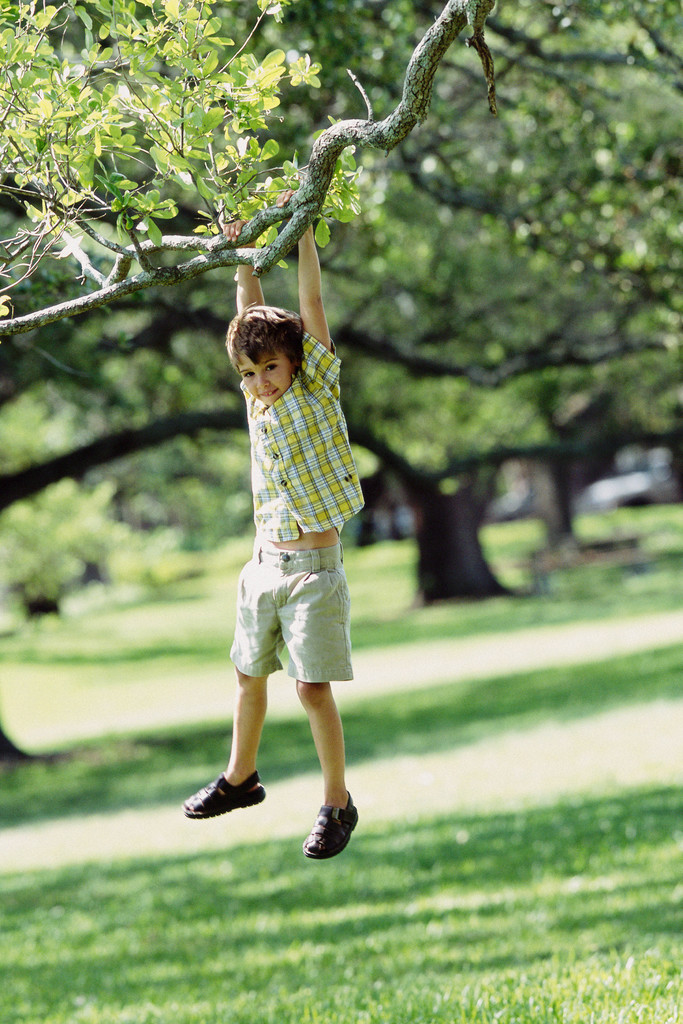
Another word for creativity is courage. George Prince
-
Different Cultures Enhances Creativity
Creativity can be enhanced by experiencing cultures different from one’s own, according to a study in Personality and Social Psychology Bulletin (published by SAGE).
Three studies looked at students who had lived abroad and those who hadn’t, testing them on different aspects of creativity. Relative to a control group, which hadn’t experienced a different culture, participants in the different culture group provided more evidence of creativity in various standard tests of the trait. Those results suggest that multicultural learning is a critical component of the adaptation process, acting as a creativity catalyst.

The researchers believe that the key to the enhanced creativity was related to the students’ open-minded approach in adapting to the new culture. In a global world, where more people are able to acquire multicultural experiences than ever before, this research indicates that living abroad can be even more beneficial than previously thought.
“Given the literature on structural changes in the brain that occur during intensive learning experiences, it would be worthwhile to explore whether neurological changes occur within the creative process during intensive foreign culture experiences,” write the authors, William W. Maddux, Hajo Adam, and Adam D. Galinsky. “That can help paint a more nuanced picture of how foreign culture experiences may not only enhance creativity but also, perhaps literally, as well as figuratively, broaden the mind.
The article “When in Rome… Learn Why the Romans Do What They Do: How Multicultural Learning Experiences Facilitate Creativity” in the June 2010 issue of Personality and Social Psychology Bulletin.
-
Wise, Reason, Emotional Mind
I have been practicing meditation since the mid-70’s and started a mindfulness meditation practice in the mid-90’s. Mindfulness has to do with the quality of awareness that we bring to what we are doing and experiencing, to being in the here and now. It has to do with learning to focus on being in the present, to focusing our attention on what we are doing and what is happening in the present.
Many of us are distracted by images, thoughts and feelings of the past, perhaps dissociating, worrying about the future, negative moods and anxieties about the present. It’s hard to put these thing away and concentrate on the task at hand.I started teaching mindfulness to patients a few years ago and often used the following as a hand out:
Mindfulness has to do with states of mind. Reason Mind, Emotion Mind, and Wise Mind. Reason Mind is your rational, thinking, logical mind. It plans and evaluates things logically. It is your “cool” part. Reasonable Mind can be very beneficial. It is easier to be in Reasonable Mind when you feel good. It is much harder to be in Reasonable Mind when you don’t feel good.You Would Use Your Reasonable Mind To:
Build a bridge
Figure out how to double a recipe
Balance your checkbook
Figure out the fastest way from point “A” to point “B”Emotion Mind describes times when emotions are what influence or control your thinking and behavior. Emotional Mind can also be very beneficial. Emotions are what motivate us to action. Emotions are what keep us attached to others and building relationships.
Emotion Mind can be aggravated by:
Illness, Lack Of Sleep, Tiredness, Drugs, Alcohol, Hungry, Overeating, Poor nutrition and/or lack of exercise, Environmental stress and threats, not taking your meds.Both Emotion and Reasonable Mind Are Equally Important And Valuable
Reasonable mind gives you a way to solve your problems.
Emotion mind gives you a reason (motivation) to want to solve them.
Wise Mind is the integration of emotional and reasonable mind. Wise mind is that part of each person that can know and experience truth. It is where the person knows something to be true or valid. It is where the person knows something in a centered (balanced) way. It is almost always quiet and calm in this part of the mind.
Everyone Has A Wise Mind!
Some people have simply never experienced it.
No one is in Wise Mind all of the time.
Wise Mind – An Analogy for Wise Mind is like a deep well in the ground. The water is at the bottom of the well. The entire underground is an ocean called Wise Mind. But on the way down, there are often trap doors that stop progress. Sometimes the trap doors are so cleverly built that you actually believe that there is no water at the bottom of the well. The trap door may look like the bottom of the well. Perhaps it is locked and you need a key. Perhaps it is nailed shut and you need a hammer. Perhaps it is glued shut and you need a chisel.

 RichardbBrunner