-
MusicMonday: Negrah Liyah – Cerda Punk
-
From the Archives: August 9 2024 the Milky Way @ Sunset


-
The Artists World 35
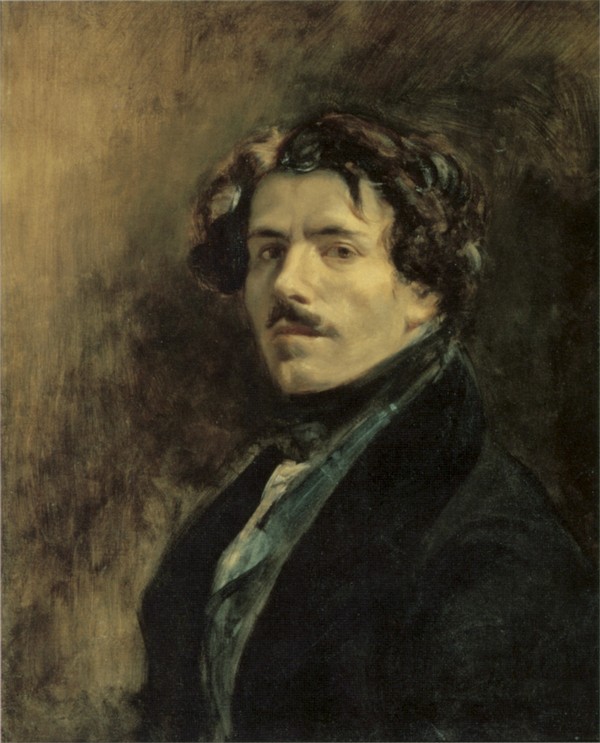
Ferdinand-Eugene-Victor Delacroix 1798-1863 Self Portrait 1839
-
Watch: The Patient Playbook: Preparing for Your Next Doctor’s Visit. UCLA Health
Have you ever left a doctor’s appointment wishing you asked one more question or wondering exactly what to do next? In this episode, Dr. Eve Glazier is joined by Shaun Sekhon, chief cardiology fellow at UCLA Health, to share tips that can help patients feel more prepared, confident and engaged during medical appointments. Whether you’re seeing a primary care physician or a specialist, this patient playbook can help you build a stronger partnership with your health care team and get more out of every doctor’s visit.
-
From the Archives: August 6 2021 at Fort Dummer State Park

-
Travel Tuesday: Enfield Shaker Museum
The mission of the Enfield Shaker Museum, an educational institution, is to preserve and share its historical structures, landscape, and Shaker cultural heritage with our multi-generational visitors, members, and the global community.
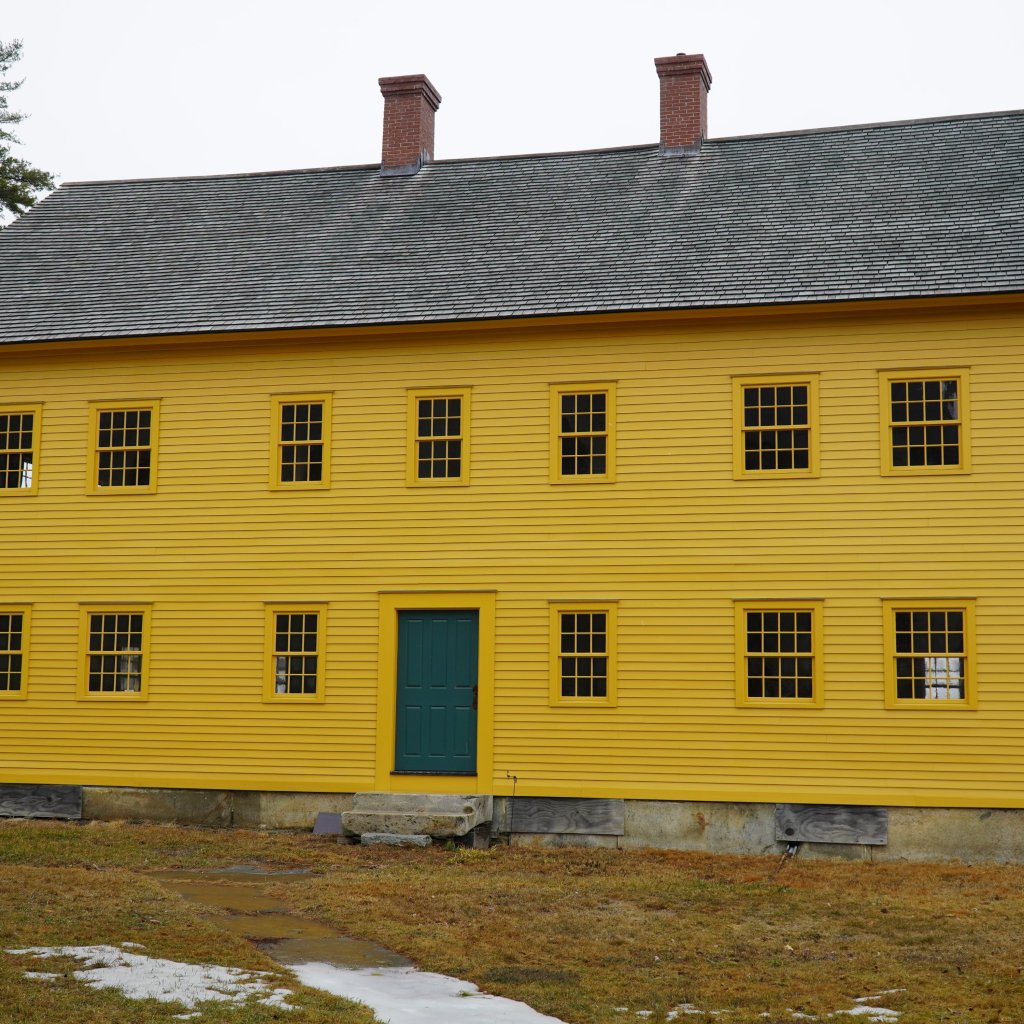
Founded in 1793, this village was the ninth of 18 Shaker communities to be established in this country. At its peak in the mid 19th century, the community was home to three “Families” of Shakers. Here, Brothers, Sisters, and children lived, worked, and worshiped. Here, they practiced equality of the sexes and races, celibacy, pacifism, and communal ownership of property.
Enfield Shaker Museum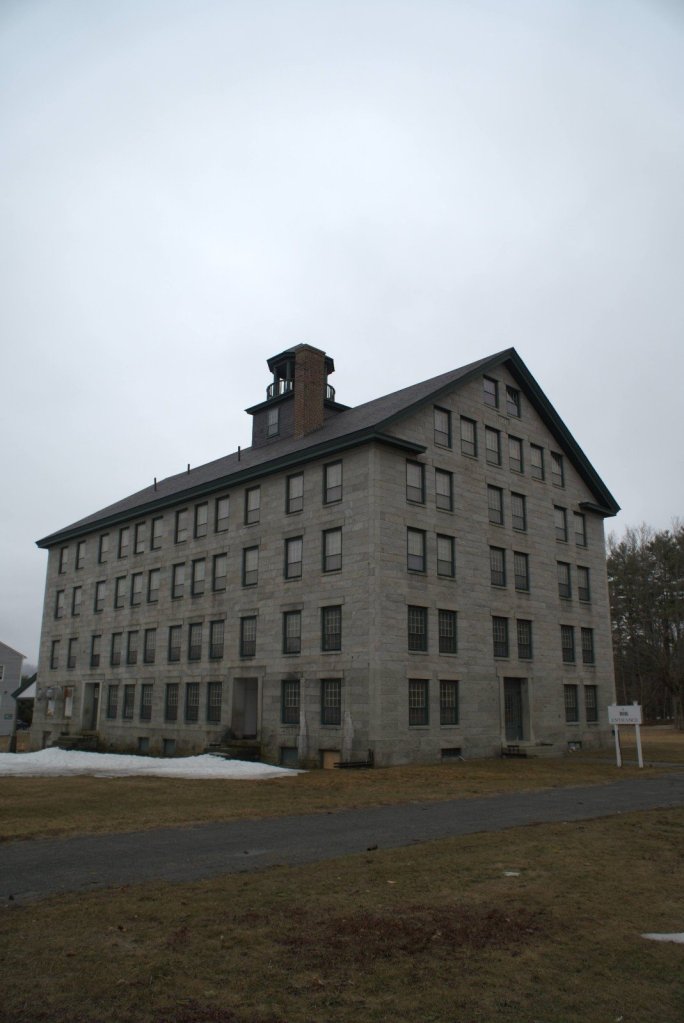
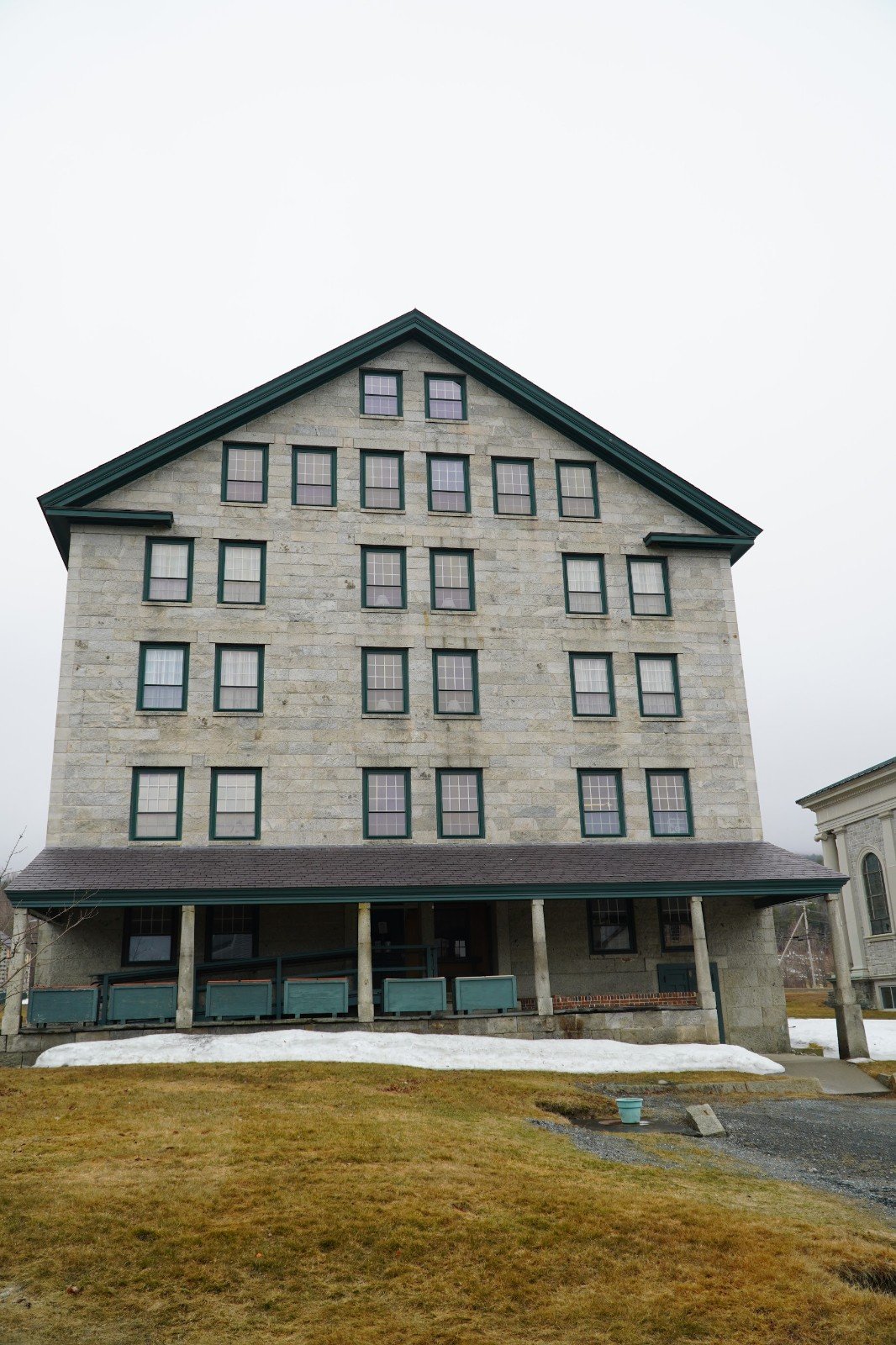

The Enfield Shaker Museum is waiting for visitors -
MusicMonday: Kundram Kudi Konda – Todi – Adi – Papanasam Sivan | Ranjani – Gayatri
-
From the Archives: The frog pond in Walpole Nh


-
Meditation Can Reshape Your Brain Activity, Study Reveals : ScienceAlert
Meditation may calm the mind, but a recent study suggests it can also reshape brain activity by profoundly altering brain dynamics and increasing neural connections – somewhat similar to psychedelic substances.
As a result, meditation may help practitioners achieve a hypothesized state known as “brain criticality”, in which neural connections are neither too weak nor too strong, but at an optimal level for mental agility and function.
Read the full article at the link below: Meditation Can Reshape Your Brain Activity, Study Reveals : ScienceAlert https://www.sciencealert.com/meditation-can-reshape-your-brain-activity-study-reveals
-
WaterWednesday: Water as a Resource and a Weapon
Water is essential to global society, for everything from drinking and growing food to producing energy and cultural practices. 40 percent of the world’s workforce works in sectors that rely on water, and water counts for $58 trillion in global economic output each year. But while the industrialized world can take water access for granted, water resources around the world are increasingly under stress. Billions of people lack access to safely managed sanitation systems and drinking water, and as this critical resource grows increasingly scarce, it is becoming a trigger for, weapon in, and casualty of global conflicts.

 RichardbBrunner