-
Tariffs and U.S. Agriculture
In 2018, the U.S. imposed tariffs on over $250 billion worth of Chinese products, leading to Chinese retaliation with tariffs on over $110 billion worth of U.S. products, including agricultural products like soybeans, pork, and ethanol.
By December 2019, the average U.S. tariff rates on Chinese products had increased to 24.3%, while Chinese tariffs on U.S. exports were set to reach 25.9%.
These retaliatory tariffs significantly impacted U.S. agricultural exports, leading to a decline of $27 billion between mid-2018 and the end of 2019. Soybeans were most affected, accounting for 71% of the decline.
China purchased only 58% of the US exports it had committed to purchase under the agreement, not even enough to reach its import levels from before the trade war.
The trade war led to a significant drop in U.S. soybean exports to China, declining by 75% in 2018.
To mitigate the impact on farmers, the Trump administration provided $28 billion in aid, a sum exceeding the annual budget of various government agencies, including the Navy’s shipbuilding program and the cost of maintaining the U.S. nuclear arsenal.

Despite the trade war, a survey of Midwestern farmers conducted in early 2019 revealed that over 56% remained supportive of President Trump’s tariffs. This sentiment persisted even though over 80% reported experiencing income losses due to the trade disruptions.
A key takeaway from this that the trade war primarily hurt U.S. farmers and consumers, and the tariffs did not achieve the intended outcome of benefiting U.S. industries. The “Phase One” agreement signed in January 2020, while halting further tariff escalation, did not fully resolve the issues, and China fell short of its purchase commitments.
Experts argue that a more effective approach would involve lowering or eliminating tariffs and focusing on constructive trade policies that promote economic growth and competition. -
MusicMonday: Lyyra – The Hymn of Acxiom (Official Video)
-
Watch: Economists on How Trump’s 2017 Tax Cuts Actually Unfolded | WSJ
-
we might as well dance

We’re fools whether we dance or not, so we might as well dance. Japanese Proverb
-
MusicMonday: Mary Lambert – We Belong
-
Artificial intelligence, intellectual property and the creative industri…
-
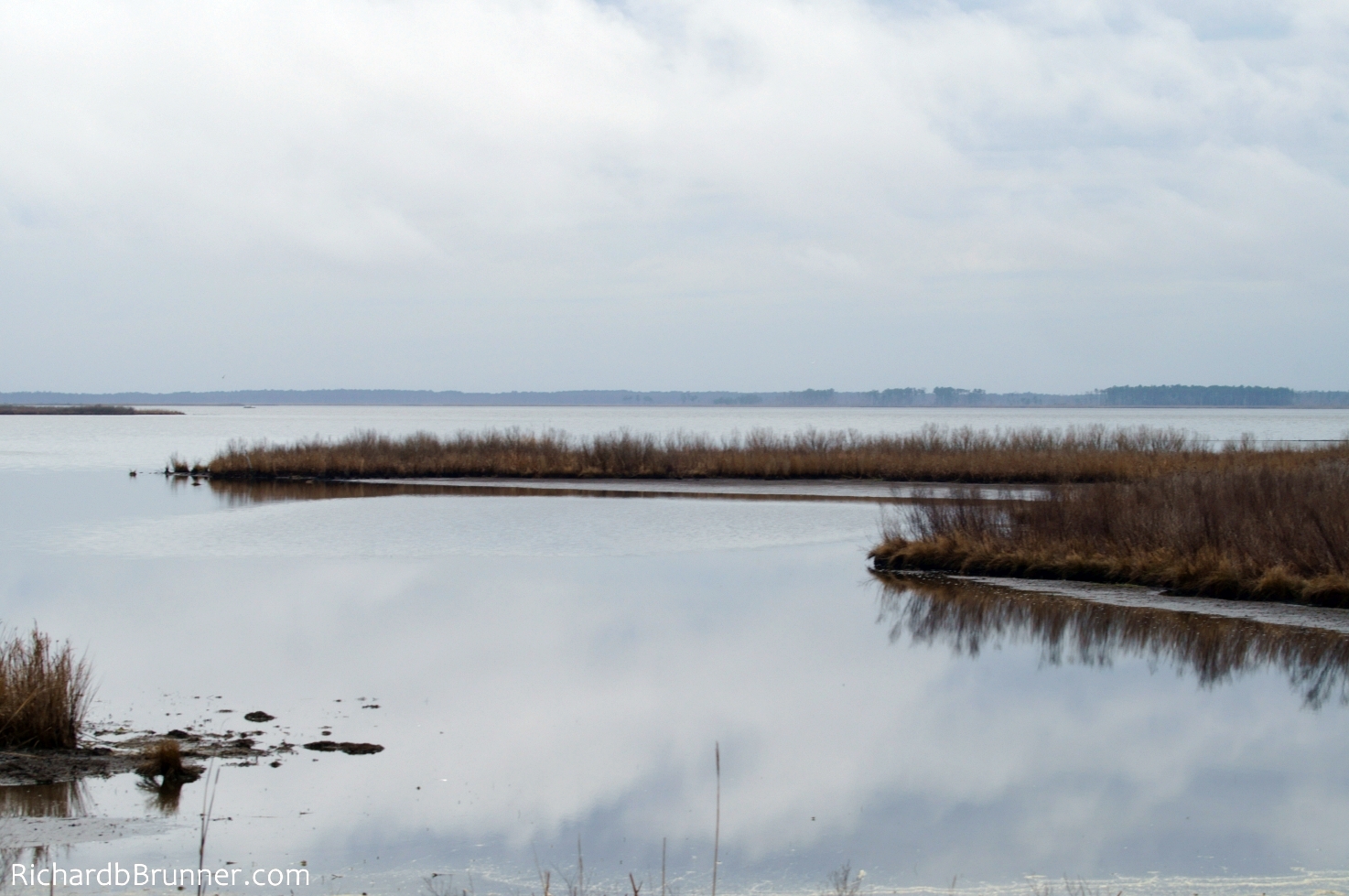
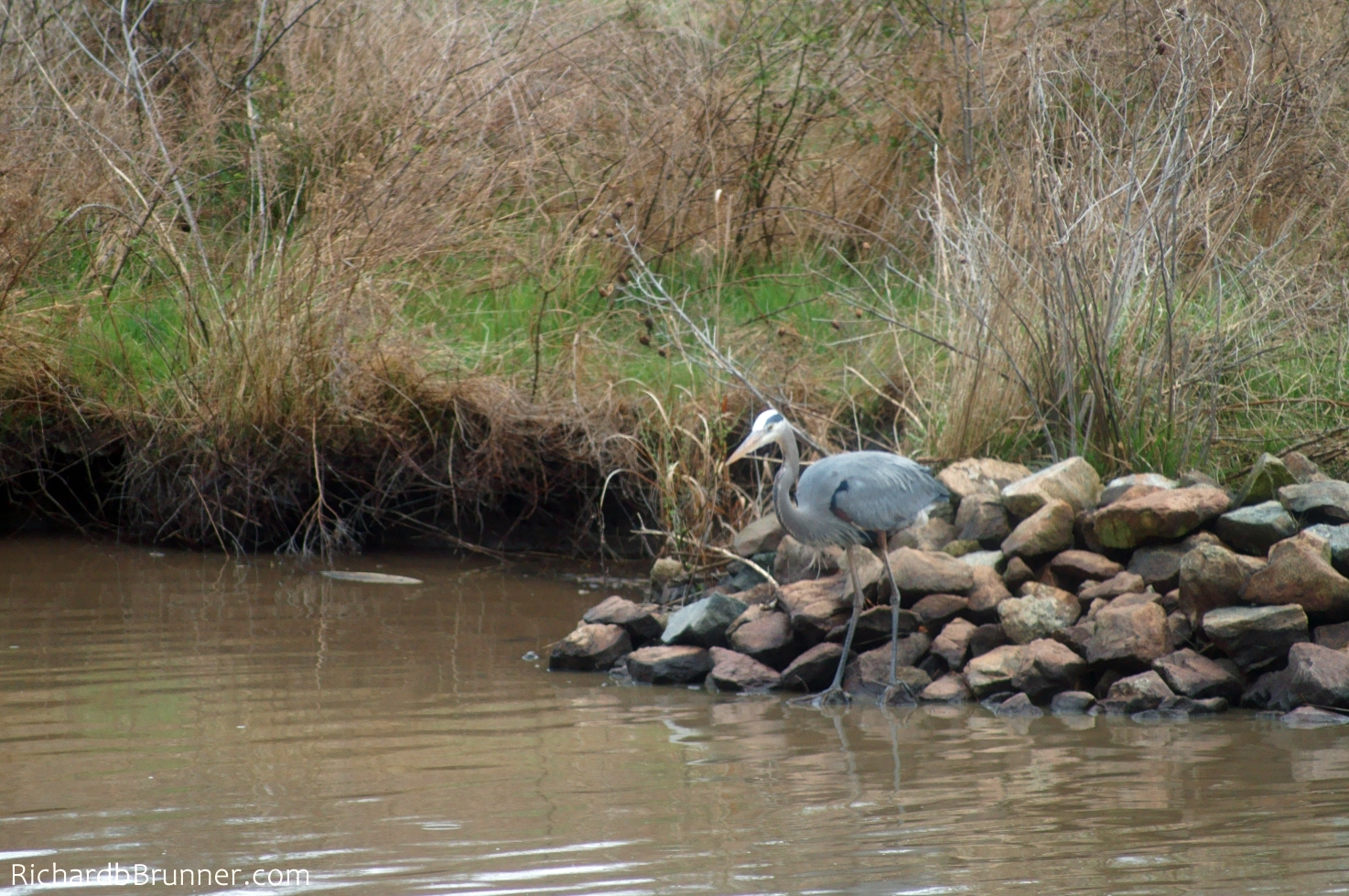
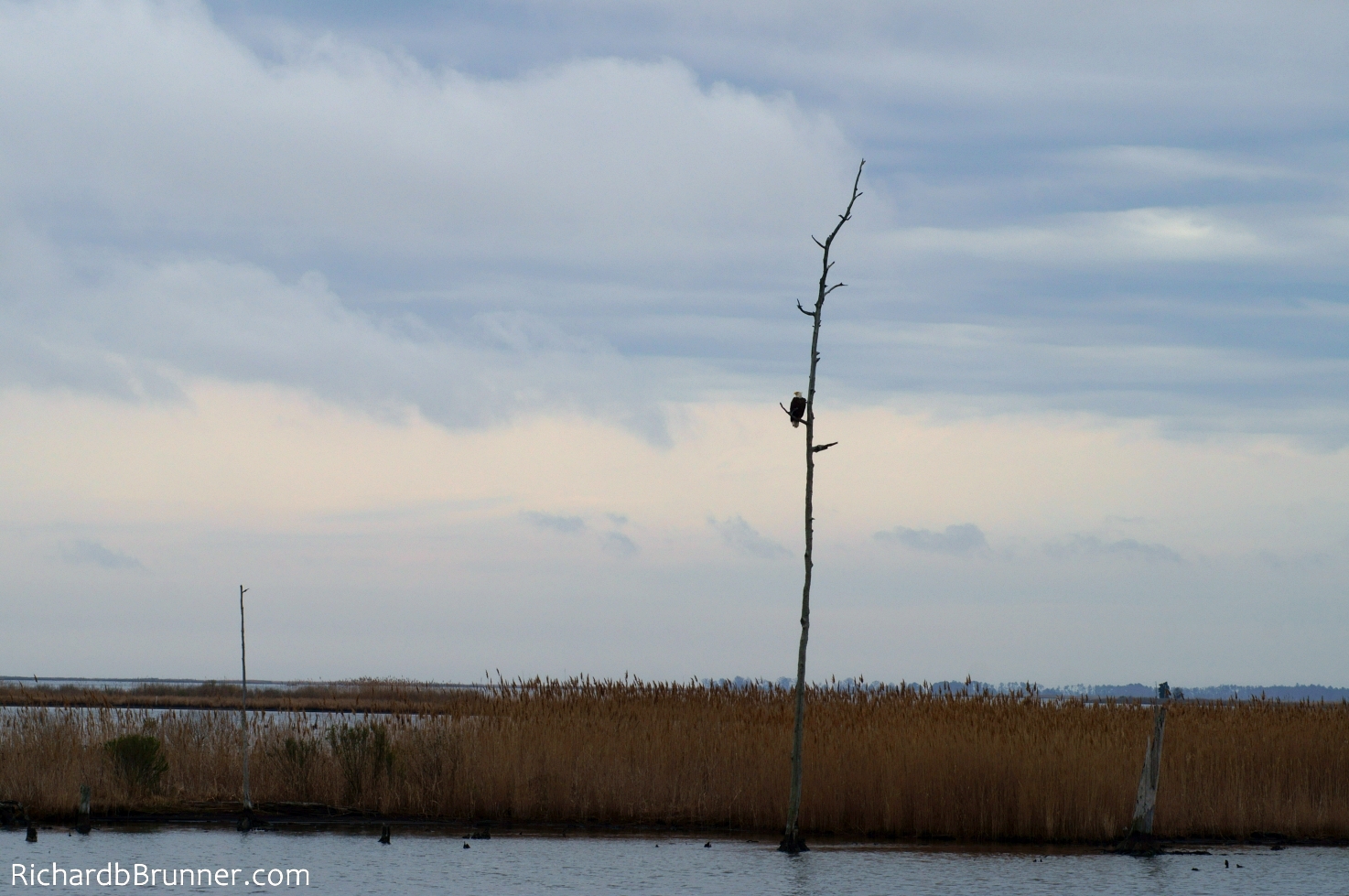
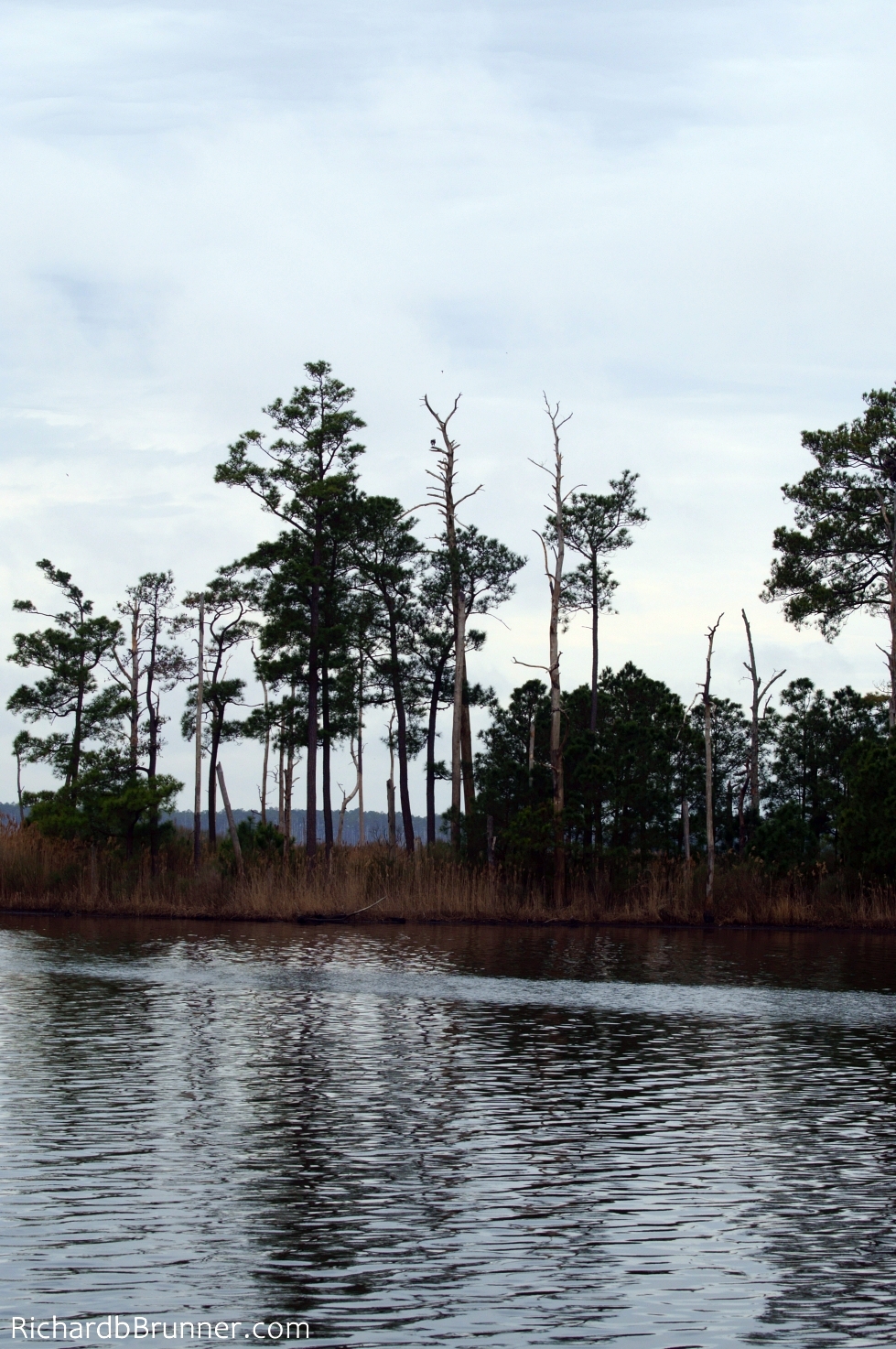
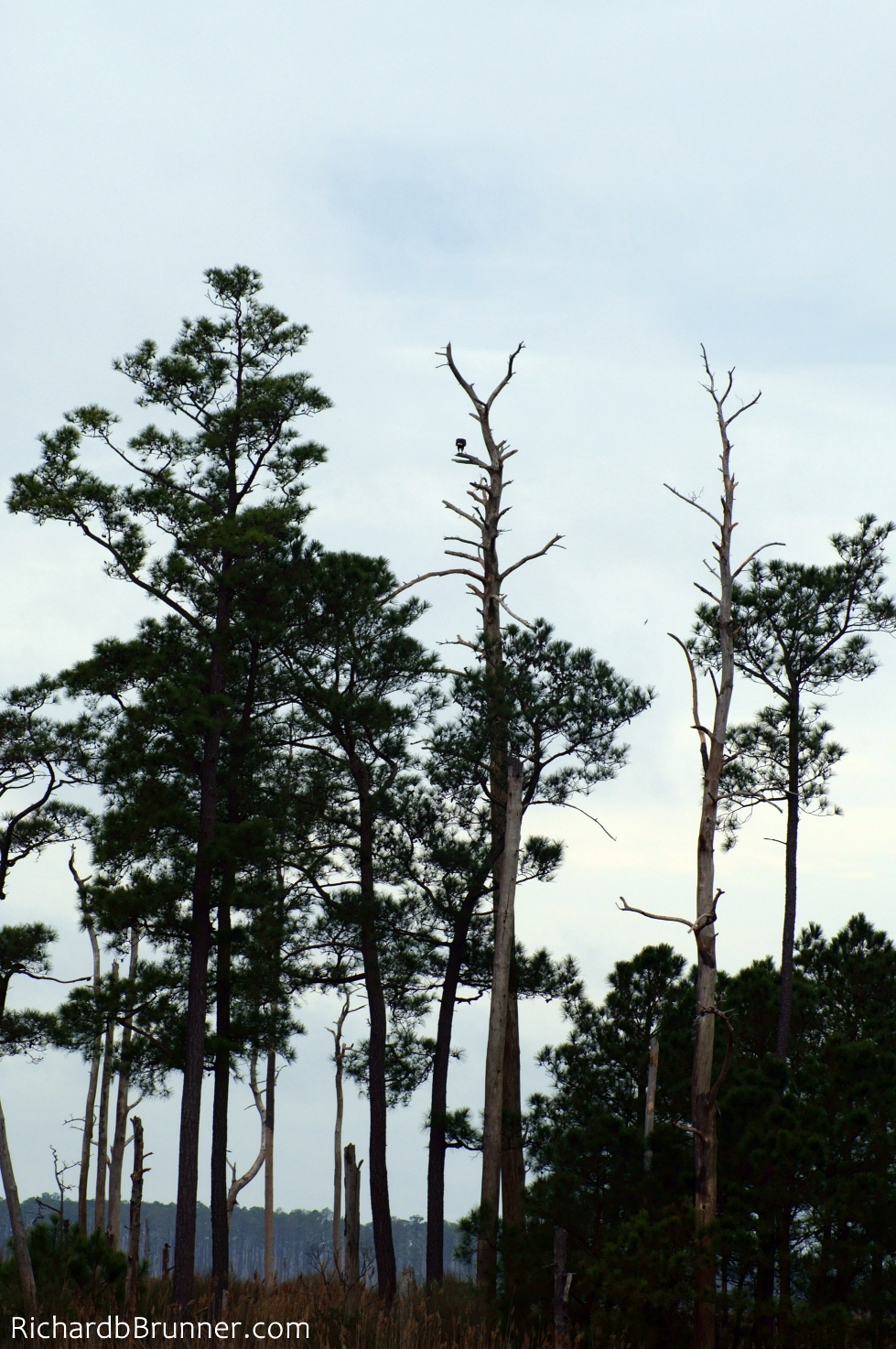
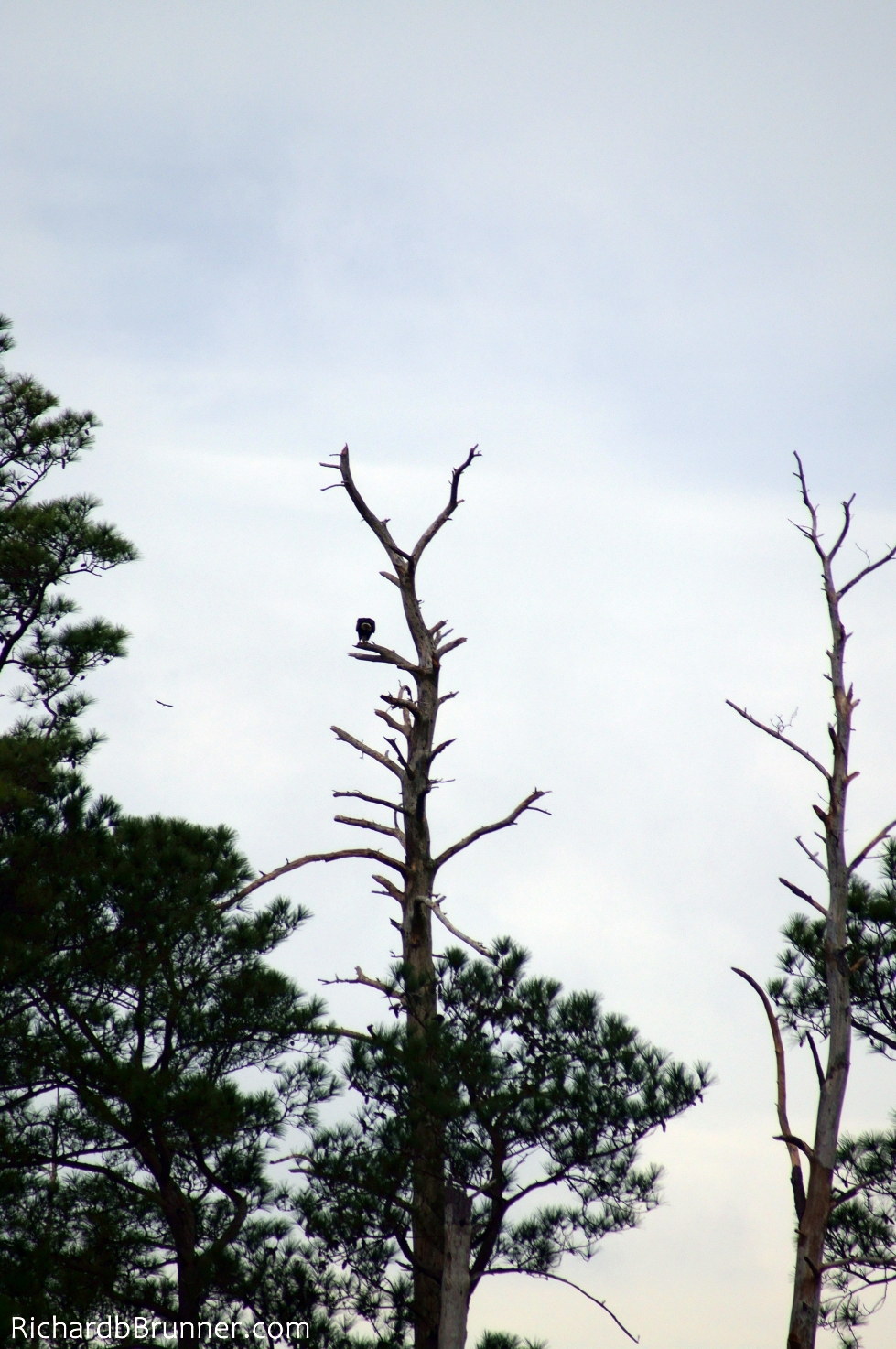
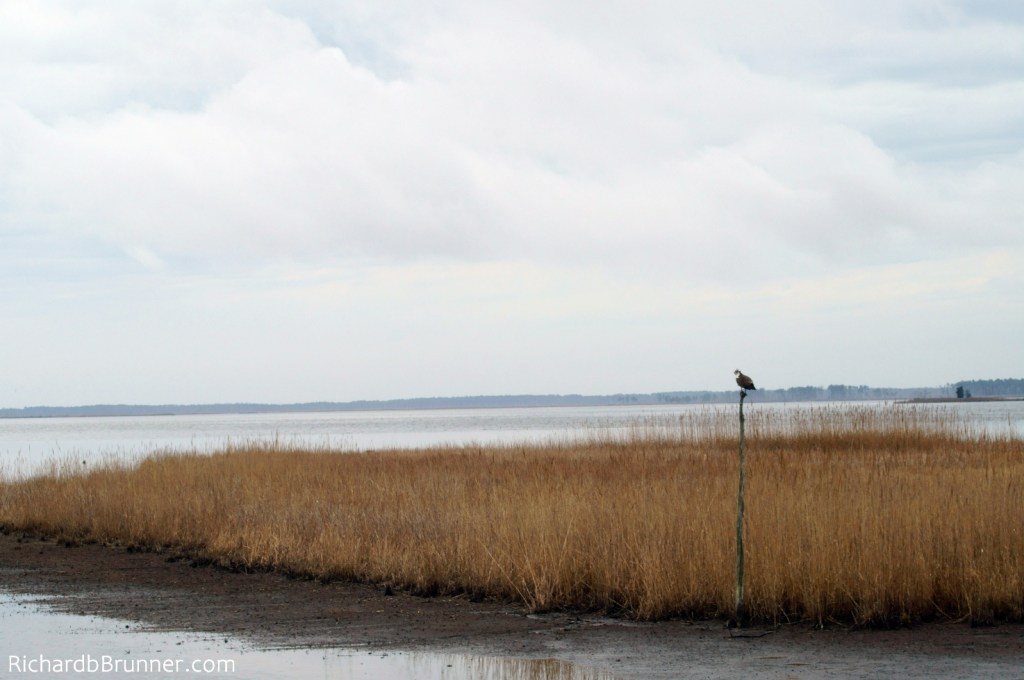
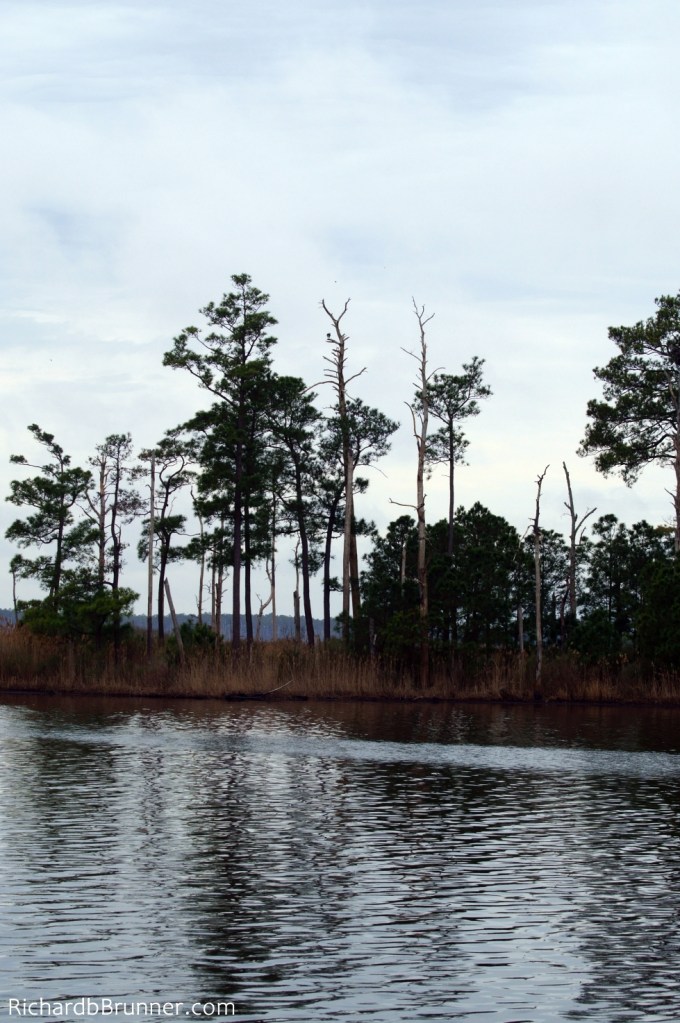
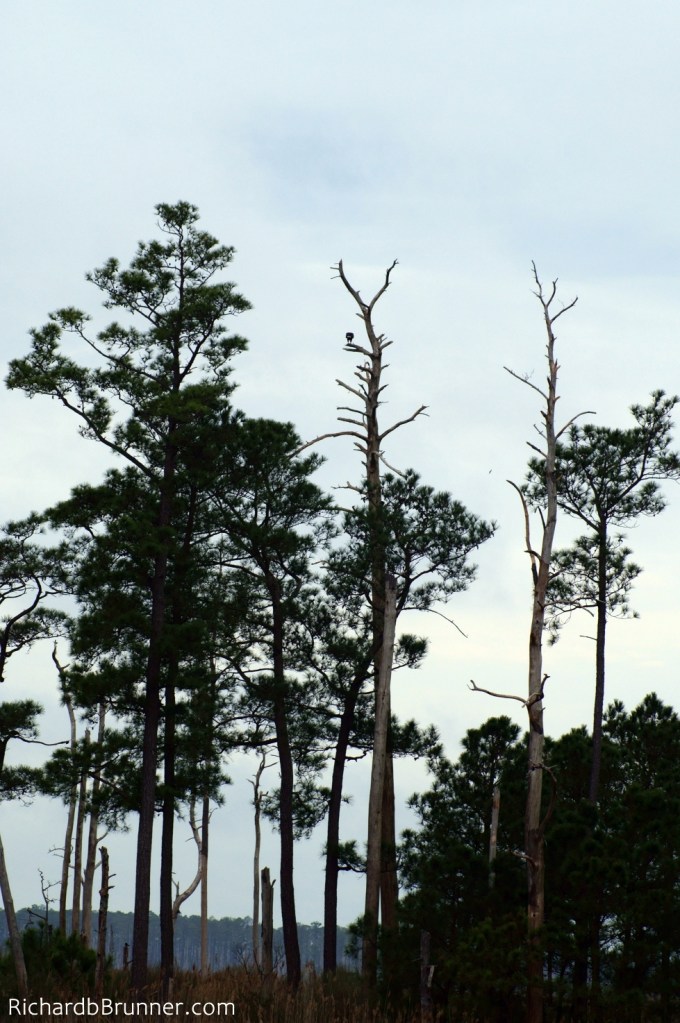
Travel: Bombay Hook National Wildlife Refuge
The Bombay Hook National Wildlife Refuge is a 15,978 acres (64.66 km2) National Wildlife Refuge located along the eastern coast of Kent County, Delaware, United States, on Delaware Bay. It was established on March 16, 1937, as a refuge and breeding ground for migratory and wintering waterfowl along the Atlantic Flyway. The Refuge was purchased from local land owners with federal duck stamp funds.
Today, the refuge protects wildlife of all kinds, with emphasis on all migratory birds. The refuge also contains the Allee House, a pre-revolutionary war farmhouse on the National Register of Historic Places. It is a stop on Delaware’s Coastal Heritage Greenway. From Wikipedia.




-
MusicMonday: Francisca Valenzuela – Déjalo Ir (Video Oficial)
-
Wounding and healing
“Wounding and healing are not opposites. They’re part of the same thing. It is our wounds that enable us to be compassionate with the wounds of others. It is our limitations that make us kind to the limitations of other people. It is our loneliness that helps us to find other people or to even know they’re alone with an illness. I think I have served people perfectly with parts of myself I used to be ashamed of. ” Rachel Naomi Remen

-
I asked a friend to write about death
I asked a friend to write about death … But I did instead:
Strong wind blows the past
into the future we sail
Boundless and joyfull
So heartfelt and some pride as the words just quickly poured out.
I sure as shit hope I didn’t read this on some Hallmark card and it buried itself in my subcon.