-
Groups sue to block FTC’s ‘click to cancel’ rule
See the full Article at Reuters
If you sign up online, you must be allowed to cancel online. Industry trade (lobby) groups, The Internet and Television Association, Electronic Security Association, and Interactive Advertising Bureau are all suing the FTC to prevent the rule taking effect.
The rule applies to any automatically renewing subscription, whether it’s a gym membership or Amazon Prime, including free trials.
Most of the subscriptions I have are easy to cancel online. One made it a hassle, requiring me to voice call at their convenience. Luckily, I realized I could simply stop payment withdrawal by clicking to my online payment provider and cancel any future withdrawals.
-
Watch FRONTLINE: Chasing Heroin
-
Dance Movement Therapy and drawing
In Dance Movement Therapy (a Creative Arts Therapy), therapists use a variety of tools. One is the use of drawn images. When I work with clients I use art in service to therapy, allowing the client to draw before moving so the image becomes a prop, and/or a drawing after moving allowing the client to draw their experience.
In the creative arts process, symbols that are created contain valuable information which speak to the circumstances of life. The unique aspect of the creative arts is that it often taps into the subconscious using a different part of the brain to express than what is used to verbalize
When using drawings with clients I look beyond the psychopathological perspective, and view the work for its intrinsic value as an expression. I acknowledge the universality of images and symbols with an open mind to the uniqueness and specific feeling content of the client’s creation.

-
Drive to Town in Fall Foliage. Walpole, NH.
-
watch music from: Susana Baca – Fuego y Agua
-
A Hypnotic Exploration of Movement | JA Collective | TED
-
Watch “How the Mexican cartels are making profits now” on YouTube
-
Is there a genius in all of us?
Great article about research on where and how people become geniuses. It’s the nurturing that makes the nature of things.
From the BBC article: “Where do athletic and artistic abilities come from? With phrases like “gifted musician”, “natural athlete” and “innate intelligence”, we have long assumed that talent is a genetic thing some of us have and others don’t.”
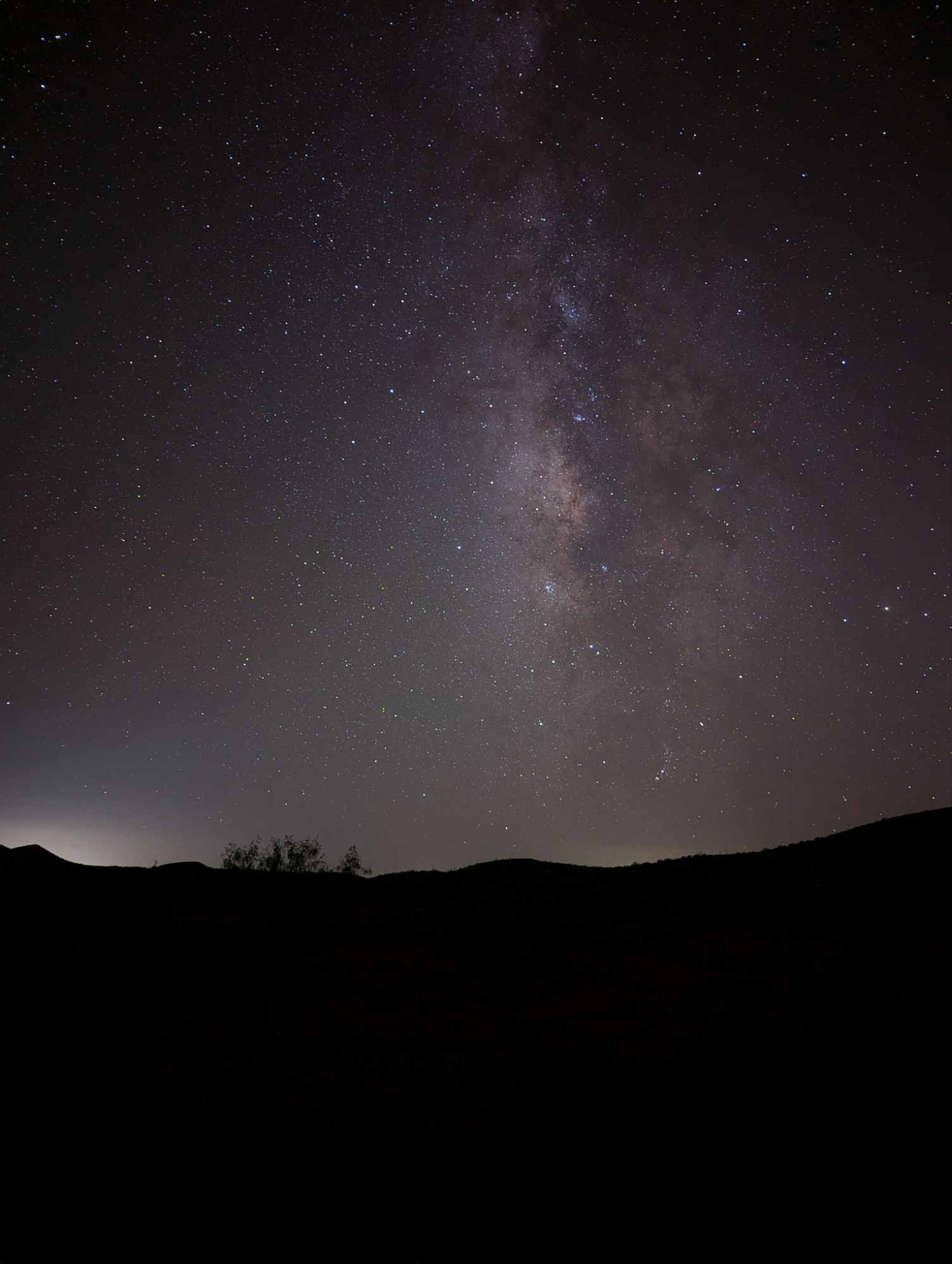
Taken with my phone looking south.
But new science suggests the source of abilities is much more interesting and improvisational. It turns out that everything we are is a developmental process and this includes what we get from our genes.
-
music from: Riff Cohen – A Hole In The Heart ∙ ריף כהן – חור בלב
-
Brokenness of Others
I am a deeply spiritual, mildly autistic, and overly optimistic person. That’s not just how I define myself, for decades that’s what people have been saying and occasionally labeling me as.
Mrs Fenimore was my 4’th grade teacher. Born and raised in South Carolina, she had the sweetest accent I had ever heard in my young life up to that point. Later on, as a teen I heard a Quebecois womyn calling my name and for a brief moment I felt like I was floating on air. But that’s another story for another day.
You see, in the middle of the fall term in Mrs Fenimore’s class a new kid joined. ‘Jay’ must have been one of the last kids in early 1960’s America that had contracted polio. Jay had a limp, wore a special shoe on one foot, and used a cane. This freaked me out.
Meeting this kid was my first and unexpectedly deep experience of the brokenness of others outside of my own family. I wept for Jay. Literally wept for this kid. I kept thinking, why him? Why not me? Why did this happen?
I think that as a kid asking these deep questions came from a place of sincerity, compassion, and confusion. They came from a place of ego too. What with my autistic tendencies and being diagnosed with a heart condition at a very young age, here was someone who seemed to be more broken than me….
Mrs Fenimore was soothing and encouraging, mainly to redirect me back to school work. She encouraged me to become friends with this new lad, which was challenging for me as he was an outsider and was constantly made fun of and taunted.
I distinctly recall suddenly realizing that my class mates were treating him in the same way my family treated me. With that realization I made the choice to become friends with ‘Jay’ and the other shunned kids in my class. We united in our brokenness.
Generic photo of lad with adult shoes “Wounding and healing are not opposites. They’re part of the same thing. It is our wounds that enable us to be compassionate with the wounds of others. It is our limitations that make us kind to the limitations of other people. It is our loneliness that helps us to find other people or to even know they’re alone with an illness. I think I have served people perfectly with parts of myself I used to be ashamed of.” Rachel Naomi Remen


 RichardbBrunner