-
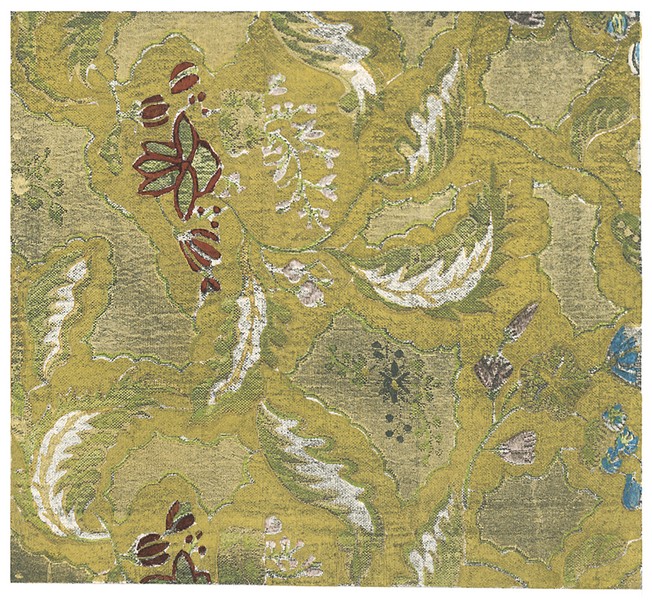
Seguy Art Deco Designs 32

-
Is there a genius in all of us?
Great article about new research on where and how people become geniuses. It’s the nurturing that makes the nature of things.
From the BBC article: Where do athletic and artistic abilities come from? With phrases like “gifted musician”, “natural athlete” and “innate intelligence”, we have long assumed that talent is a genetic thing some of us have and others don’t.

But new science suggests the source of abilities is much more interesting and improvisational. It turns out that everything we are is a developmental process and this includes what we get from our genes. -
Second.2 draft
A friend asked, “How has a vow of poverty manifested itself?”
For the basics like work, job, and belongings: I decided as a teen to strive to
work only for good people who are honest and run a business that would not bring harm to others. As an adult I worked for free in a number of businesses, turned down full time employment resulting in job creations for others, and routinely gave away my belongings.
I studied and worked with a group facilitator from 1981 to 1996, assisting, co-facilitating, and facilitating movement based creative and expressive arts therapy groups. I chose to not get paid thus enabling more folks access to the workshops by keeping the cost lower.
In the mid 1980’s I helped someone I barely knew build his house, and sometimes got gas money but was never paid.
Worked at an antique store for 18 years, which was owned by good and kind people. Not a high paying job, but I was paid in learning a new skill (archival framing) and got to handle and see beautiful antique art work.
Chose to not accept full time employment at two different facilities I worked at thus enabling the hiring of 2 more therapists.
Volunteered at various community organizations over the years and occasionally offered workshops for no cost.
Giving away 4 different working vehicles over the years to folks that needed transport. Giving away my belongings to individuals and the Good Will.
Currently I don’t work. My SS is only a bit less than what I was paid as a senior counselor facilitating in/out patient groups.
These decisions were choices that I made to lend support to how I wanted … and yes …. needed to live. To cultivate and keep in mind , heart and body a focused connection with all around me in a prayerful practical way.See: second draft https://richardbbrunner.com/2026/02/17/12420/
-
Seeing facial expressions
Interesting story from USA-NPR. “A new study suggests that people actually don’t use (those kinds of) extreme facial expressions to judge how a person is feeling. Instead, surprisingly, people rely on body cues.”

This, of course is not a surprise to Dance Movement Therapists. 🙂 We are trained to assess peoples feelings based on among other things, their whole body.
This story reminded me of a quote from W.B. Yeats; ““We only believe those thoughts which have been conceived not in the brain but in the whole body.”
In the context of this story I guess it would be: “We only believe those emotions expressed by the whole body and not just the face” R.B. Brunner
-
TravelTuesday: From the Archives- To town in fog
-
MusicMonday: Chambao – Es Para Ti
-
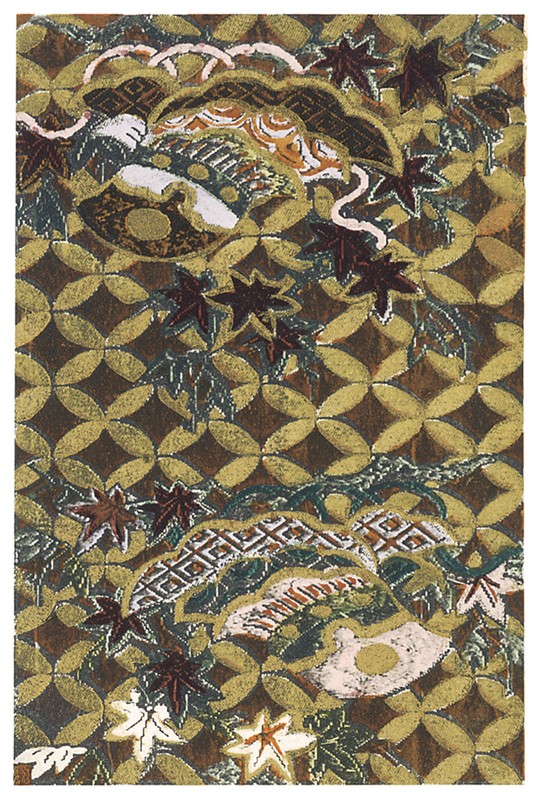
Japanese Textile Designs 33

-
Watch: How DarkSword Puts Millions of iPhones at Risk
-
3 Days Can Reshape Your Brain
https://www.sciencealert.com/giving-up-your-phone-for-just-3-days-can-reshape-your-brain-activity
Researchers from German universities investigated 25 young adults who limited their phone use to essential tasks for 72 hours, using MRI scans and psychological tests before and after the restriction period. The core finding was that images of smartphones after the restriction triggered changes in brain regions associated with reward processing and cravings, similar to patterns observed in substance addictions. These neural changes were specifically linked to dopamine and serotonin systems, supporting the hypothesis that excessive smartphone use can be addictive. Although brain activity showed these changes, the psychological tests did not register significant changes in the participants’ mood or reported cravings during the brief period of restriction.