Sam Harris: Breaking the thought trap of anger.
06 Friday Feb 2026
Posted in Anger
≈ Comments Off on Sam Harris: Breaking the thought trap of anger.

06 Friday Feb 2026
Posted in Anger
≈ Comments Off on Sam Harris: Breaking the thought trap of anger.
22 Wednesday Mar 2023

11 Wednesday Jan 2023
Posted in Anger, Anxiety, emotions, Handout, Mental Health
≈ Comments Off on Anger Group
 Once a week I facilitate a anger management group. I use a variety of handouts and activities to have a process oriented group interaction. One of the hand outs I use is below. I use it in 1 of 2 ways. I have folks fill it out first and then we discuss or we go through it together and discuss. We explore as a group, learning from each other.
ANGER WORDS
anger disgust grumpiness rage aggravation dislike hate resentment agitation envy hostility revulsion annoyance exasperation irritation scorn bitterness ferocity jealousy spite contempt frustration loathing torment cruelty fury mean-spiritedness vengefulness destructiveness grouchiness outrage wrath
Other:_________________________
Prompting Events for Feeling Anger
Losing power.
Losing status.
Losing respect.
Being insulted.
Not having things turn out the way you expected.
Experiencing physical pain.
Experiencing emotional pain.
Being threatened with physical or emotional pain by someone or something.
Having an important or pleasurable activity interrupted, postponed, or stopped.
Not obtaining something you want (which another person has).
Other:_______________________________
Interpretations That Prompt Feelings of Anger
Expecting pain.
Feeling that you have been treated unfairly.
Believing that things should be different.
Rigidly thinking “I’m right.”
Judging that the situation is illegitimate, wrong, or unfair.
Ruminating about the event that set off the anger in the first place, or in the past.
Other:____________________________
Experiencing the Emotion of Anger
Feeling incoherent.
Feeling out of control.
Feeling extremely emotional.
Feeling tightness or rigidity in your body.
Feeling your face flush or get hot.
Feeling nervous tension, anxiety or discomfort.
Feeling like you are going to explode.
Muscles tightening. .
Teeth clamping together, mouth tightening.
Crying; being unable to stop tears.
Wanting to hit, bang the wall, throw something, blow up.
Other:__________________________
Expressing and Acting on Anger
Frowning or not smiling; mean or unpleasant facial expression.
Gritting or showing your teeth in an unfriendly manner.
Grinning.
A red or flushed face.
Verbally attacking the cause of your anger; criticizing.
Physically attacking the cause of your anger.
Using obscenities or cursing.
U sing a loud voice, yelling, screaming, or shouting.
Complaining or bitching; talking about how lousy things are.
Clenching your hands or fists.
Making aggressive or threatening gestures.
Pounding on something, throwing things, breaking things.
Walking heavily or stomping; slamming doors, walking out.
Brooding or withdrawing from contract with others.
Other:_____________________
Aftereffects of Anger
Narrowing of attention.
Attending only to the situation making you angry.
Ruminating about the situation making you angry and not being able to think of anything else.
Remembering and ruminating about other situations that have made you angry in the past.
Imagining future situations that will make you angry.
Depersonalization, dissociative experience, numbness.
Intense shame, fear, or other negative emotions.
Other:______________________
17 Thursday Dec 2020
Posted in Anger, Handout, Uncategorized
≈ Comments Off on Thinking influences
Thinking influences our feelings through the things that we say to ourselves. Unhelpful thoughts can add fuel to the fire and play a large role in keeping anger going after the event has passed. However, using helpful self-statements (or ‘cooling thoughts’) can be a good way to manage our anger and guide our behavior. 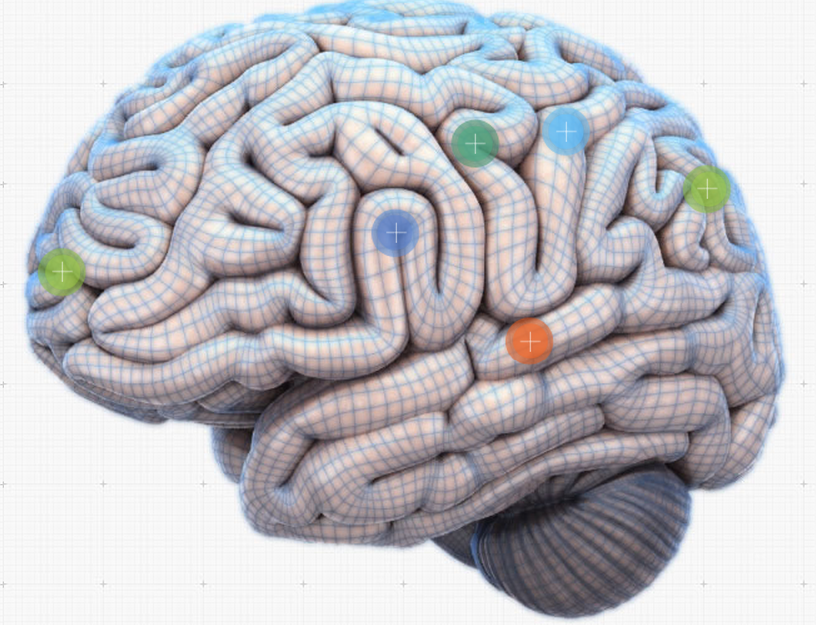 Examples of these include:
To use this strategy we need to break anger into several stages:
Preparing for a provoking situations
During the event
Coping with stress
30 Thursday Apr 2020
Once a week I facilitate a anger management group. I use a variety of handouts and activities to have a process oriented group interaction. One of the hand outs I use is below. I use it in 1 of 2 ways. I have folks fill it out first and then we discuss or we go  through it together and discuss. We explore as a group, learning from each other.
ANGER WORDS
anger disgust grumpiness rage aggravation dislike hate resentment agitation envy hostility revulsion annoyance exasperation irritation scorn bitterness ferocity jealousy spite contempt frustration loathing torment cruelty fury mean-spiritedness vengefulness destructiveness grouchiness outrage wrath
Other:_________________________
Prompting Events for Feeling Anger
Losing power.
Losing status.
Losing respect.
Being insulted.
Not having things turn out the way you expected.
Experiencing physical pain.
Experiencing emotional pain.
Being threatened with physical or emotional pain by someone or something.
Having an important or pleasurable activity interrupted, postponed, or stopped.
Not obtaining something you want (which another person has).
Other:_______________________________
Interpretations That Prompt Feelings of Anger
Expecting pain.
Feeling that you have been treated unfairly.
Believing that things should be different.
Rigidly thinking “I’m right.”
Judging that the situation is illegitimate, wrong, or unfair.
Ruminating about the event that set off the anger in the first place, or in the past.
Other:____________________________
Experiencing the Emotion of Anger
Feeling incoherent.
Feeling out of control.
Feeling extremely emotional.
Feeling tightness or rigidity in your body.
Feeling your face flush or get hot.
Feeling nervous tension, anxiety or discomfort.
Feeling like you are going to explode.
Muscles tightening. .
Teeth clamping together, mouth tightening.
Crying; being unable to stop tears.
Wanting to hit, bang the wall, throw something, blow up.
Other:__________________________
Expressing and Acting on Anger
Frowning or not smiling; mean or unpleasant facial expression.
Gritting or showing your teeth in an unfriendly manner.
Grinning.
A red or flushed face.
Verbally attacking the cause of your anger; criticizing.
Physically attacking the cause of your anger.
Using obscenities or cursing.
U sing a loud voice, yelling, screaming, or shouting.
Complaining or bitching; talking about how lousy things are.
Clenching your hands or fists.
Making aggressive or threatening gestures.
Pounding on something, throwing things, breaking things.
Walking heavily or stomping; slamming doors, walking out.
Brooding or withdrawing from contract with others.
Other:_____________________
Aftereffects of Anger
Narrowing of attention.
Attending only to the situation making you angry.
Ruminating about the situation making you angry and not being able to think of anything else.
Remembering and ruminating about other situations that have made you angry in the past.
Imagining future situations that will make you angry.
Depersonalization, dissociative experience, numbness.
Intense shame, fear, or other negative emotions.
Other:______________________
10 Monday Jun 2019
Tags
I have been teaching anger management groups for a while using a combination of psycho-educational and process oriented techniques. For recovery groups anger is often listed in the top 5 reasons people report relapsing. One of the successful techniques of managing anger and other emotions is to identify you go to mode of thinking. Below is 1 hand out I often use. We go over the and out, and I ask folks to chose their one or two go to thinking styles and give examples in relation to anger. 
All or nothing thinking
Jumping to conclusions
Should statements
can be frustrated/disappointed but less likely to feel righteous anger
Blaming
Labelling
Overgeneralization
Magnification

28 Tuesday May 2019
Posted in Anger, Handout, Uncategorized
Thinking influences our feelings through the things that we say to ourselves. Unhelpful thoughts can add fuel to the fire and play a large role in keeping anger going after the event has passed. However, using helpful self-statements (or ‘cooling thoughts’) can be a good way to manage our anger and guide our behavior. Examples of these include:
To use this strategy we need to break anger into several stages:
Preparing for a provoking situations
During the event
Coping with stress
01 Monday Apr 2019
31 Monday Dec 2018
Over the years I have facilitated anger management groups. I use a variety of handouts and activities to have a process oriented group interaction. One of the hand outs I use is below. I use it in 1 of 2 ways. I have folks fill it out first and then we discuss or we go through it together and discuss. We explore as a group, learning from each other.
ANGER WORDS
anger disgust grumpiness rage aggravation dislike hate resentment agitation envy hostility revulsion annoyance exasperation irritation scorn bitterness ferocity jealousy spite contempt frustration loathing torment cruelty fury mean-spiritedness vengefulness destructiveness grouchiness outrage wrath
Other:_________________________
Prompting Events for Feeling Anger
Losing power.
Losing status.
Losing respect.
Being insulted.
Not having things turn out the way you expected.
Experiencing physical pain.
Experiencing emotional pain.
Being threatened with physical or emotional pain by someone or something.
Having an important or pleasurable activity interrupted, postponed, or stopped.
Not obtaining something you want (which another person has).
Other:_______________________________
Interpretations That Prompt Feelings of Anger
Expecting pain.
Feeling that you have been treated unfairly.
Believing that things should be different.
Rigidly thinking “I’m right.”
Judging that the situation is illegitimate, wrong, or unfair.
Ruminating about the event that set off the anger in the first place, or in the past.
Other:____________________________
Experiencing the Emotion of Anger
Feeling incoherent.
Feeling out of control.
Feeling extremely emotional.
Feeling tightness or rigidity in your body.
Feeling your face flush or get hot.
Feeling nervous tension, anxiety or discomfort.
Feeling like you are going to explode.
Muscles tightening. .
Teeth clamping together, mouth tightening.
Crying; being unable to stop tears.
Wanting to hit, bang the wall, throw something, blow up.
Other:__________________________
Expressing and Acting on Anger
Frowning or not smiling; mean or unpleasant facial expression.
Gritting or showing your teeth in an unfriendly manner.
Grinning.
A red or flushed face.
Verbally attacking the cause of your anger; criticizing.
Physically attacking the cause of your anger.
Using obscenities or cursing.
U sing a loud voice, yelling, screaming, or shouting.
Complaining or bitching; talking about how lousy things are.
Clenching your hands or fists.
Making aggressive or threatening gestures.
Pounding on something, throwing things, breaking things.
Walking heavily or stomping; slamming doors, walking out.
Brooding or withdrawing from contract with others.
Other:_____________________
Aftereffects of Anger
Narrowing of attention.
Attending only to the situation making you angry.
Ruminating about the situation making you angry and not being able to think of anything else.
Remembering and ruminating about other situations that have made you angry in the past.
Imagining future situations that will make you angry.
Depersonalization, dissociative experience, numbness.
Intense shame, fear, or other negative emotions.
Other:______________________
 RichardbBrunner