Tags
Some wolf pups will play fetch with a stranger, suggesting that an ability to playfully interact with people could have come before, and played a role in, dog domestication.
Read or listen to the entire article at Scientific American.


27 Friday Mar 2020
Posted in dogs, Uncategorized
≈ Comments Off on Some Wolf Pups Show Innate Fetching Talent
Tags
Some wolf pups will play fetch with a stranger, suggesting that an ability to playfully interact with people could have come before, and played a role in, dog domestication.
Read or listen to the entire article at Scientific American.
20 Friday Mar 2020
Posted in dogs, Uncategorized
≈ Comments Off on Feral Dogs Respond to Human Hand Cues
Tags
Most feral dogs that did not run away from humans were able to respond to hand cues about the location of food—even without training.
Read or listen to the article at Scientific American.

16 Monday Mar 2020
Posted in Music, Uncategorized, YouTube
≈ Comments Off on Top Songs I listened to in 2019: Brittany Howard
Tags
Brittany Howard is an American musician, singer, and songwriter known for being the lead vocalist, guitarist, and main songwriter of rock bands Alabama Shakes and Thunderbitch.
I have a 16,000 plus digital audio collection and I use Media Monkey to manage my files. One feature of Media Monkey is you can sort your collection based on the number of times played. This playlist is based on the top music and/or music video files I played/listened/streamed from my server in 2019. Complete Playlist HERE
13 Friday Mar 2020
Posted in dogs, Pets, Uncategorized
≈ Comments Off on Many Dogs Are Angst-Ridden
For many dog owners, thunderstorms are a source of angst, a walk to the dog park can be a fraught experience, and New Year’s celebrations are particularly stressful. According to a new study of thousands of pet dogs, anxiety and fear-related behavior problems are widespread. Certain breeds are particularly sensitive to loud noises or being left alone. Other breeds may engage in compulsive behaviors such as biting themselves or urinating, suggesting a genetic component to the activity.
Read the entire article at Scientific American.

08 Sunday Mar 2020
Posted in African Proverb, Uncategorized
18 Tuesday Feb 2020
Posted in challenge, Uncategorized
≈ Comments Off on Joseph Campbell the Art of Living
“Nietzsche was the one who did the job for me. At a certain moment in his life, the idea came to him of what he called ‘the love of your fate.’ Whatever your fate is, whatever the hell happens, you say, ‘This is what I need.’ It may look like a wreck, but go at it as though it were an opportunity, a challenge. If you bring love to that moment—not discouragement—you will find the strength is there. Any disaster you can survive is an improvement in your character, your stature, and your life. What a privilege! This is when the spontaneity of your own nature will have a chance to flow.
“Then, when looking back at your life, you will see that the moments which seemed to be great failures followed by wreckage were the incidents that shaped the life you have now. You’ll see that this is really true. Nothing can happen to you that is not positive. Even though it looks and feels at the moment like a negative crisis, it is not. The crisis throws you back, and when you are required to exhibit strength, it comes.”
Joseph Campbell, A Joseph Campbell Companion: Reflections on the Art of Living.

07 Friday Feb 2020
Posted in George Eliot, Uncategorized
≈ Comments Off on agreeable friends
05 Wednesday Feb 2020
Posted in self-defense, Uncategorized
≈ Comments Off on self-defense
Tags
People do not choose rebellion; it is forced upon them. Revolution is an act of self-defense. C.T. Vivian

31 Friday Jan 2020
Posted in Eleanor Roosevelt, Uncategorized
≈ Comments Off on The future
Tags
“The future belongs to those who believe in the beauty of their dreams.” Eleanor Roosevelt

28 Tuesday Jan 2020
Posted in Uncategorized
≈ Comments Off on Art and brain science
…… The portraiture that flourished in Vienna at the turn of the 20th century is a good place to start. Not only does this modernist school hold a prominent place in the history of art, it consists of just three major artists — Gustav Klimt, Oskar Kokoschka and Egon Schiele — which makes it easier to study in depth.
As a group, these artists sought to depict the unconscious, instinctual strivings of the people in their portraits, but each painter developed a distinctive way of using facial expressions and hand and body gestures to communicate those mental processes.
Their efforts to get at the truth beneath the appearance of an individual both paralleled and were influenced by similar efforts at the time in the fields of biology and psychoanalysis. Thus the portraits of the modernists in the period known as “Vienna 1900” offer a great example of how artistic, psychological and scientific insights can enrich one another.
The idea that truth lies beneath the surface derives from Carl von Rokitansky, a gifted pathologist who was dean of the Vienna School of Medicine in the middle of the 19th century. Baron von Rokitansky compared what his clinician colleague Josef Skoda heard and saw at the bedsides of his patients with autopsy findings after their deaths. This systematic correlation of clinical and pathological findings taught them that only by going deep below the skin could they understand the nature of illness.
I’ve read many a book and chatted with art therapists about the psychological process involved in art and art making and this article comes from a different perspective; brain science.
24 Friday Jan 2020
Posted in Mairead Corrigan, Uncategorized
≈ Comments Off on people in our world
15 Wednesday Jan 2020
Posted in Bob Marley, rain, Uncategorized
≈ Comments Off on #rain
27 Friday Dec 2019
Posted in Uncategorized
≈ Comments Off on devotion
25 Wednesday Dec 2019
Posted in Depression, Uncategorized
Tags
Whether you’re a college student in the middle of a major slump, a new mom who can’t pinpoint why she’s feeling so glum, or a retiree grieving over the loss of a loved one, that question isn’t an easy one to answer.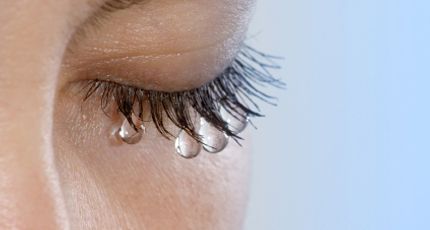
But there’s one thing for sure: “It is much more than just a sad mood,” said Angelos Halaris, MD, a professor of psychiatry and medical director of adult psychiatry at the Loyola University Medical Center in Chicago. Symptoms may include everything from hopelessness and fatigue to physical pain. And just as symptoms vary from person to person, so do the actual diagnoses. The word depression is actually just an umbrella term for a number of different forms, from major depression to atypical depression to dysthymia.
The most common form of depression? Major depression. In fact, about 7 percent of the adult U.S. population has this debilitating mental health condition at any given time, according to the National Institute of Mental Health (NIMH).
If you’re experiencing major depression, you may feel and see symptoms of extreme sadness, hopelessness, lack of energy, irritability, trouble concentrating, changes in sleep or eating habits, feelings of guilt, physical pain, and thoughts of death or suicide — and for an official diagnosis, your symptoms must last for more than two weeks. In some instances, a person might only experience one episode of major depression, but the condition tends to recur throughout a person’s life.
The best treatment is usually with antidepressant medications, explained Dr. Halaris, but talk therapy may also be used to treat depression. And there’s good news: An estimated 80 to 90 percent of people with major depression respond well to treatment.
About 2 percent of the American population has a form of depression that’s less severe than major depression, but is still very real — dysthymia.
Dysthymia is a type of depression that causes a low mood over a long period of time — perhaps for a year or more, explained Halaris. “People can function adequately, but not optimally.” Symptoms include sadness, trouble concentrating, fatigue, and changes in sleep habits and appetite.
This depression usually responds better to talk therapy than to medications, though some studies suggest that combining medication with talk therapy may lead to the greatest improvement. People with dysthymia may also be at risk for episodes of major depression.
A whopping 85 percent of new moms feel some sadness after their baby is born — but for up to 16 percent of women, that sadness is serious enough to be diagnosable.
Postpartum depression is characterized by feelings of extreme sadness, fatigue, loneliness, hopelessness, suicidal thoughts, fears about hurting the baby, and feelings of disconnect from the child. It can occur anywhere from weeks to months after childbirth, and Halaris explained it most always develops within a year after a woman has given birth.
“It needs prompt and experienced medical care,” he said — and that may include a combination of talk and drug therapy.
Would you prefer to hibernate during the winter than face those cold, dreary days? Do you tend to gain weight, feel blue, and withdraw socially during the season?
You could be one of 4 to 6 percent of people in the United States estimated to have seasonal affective disorder, or SAD. Though many people find themselves in winter funks, SAD is characterized by symptoms of anxiety, increased irritability, daytime fatigue, and weight gain. This form of depression typically occurs in winter climates, likely due to the lessening of natural sunlight. “We don’t really know why some people are more sensitive to this reduction in light,” said Halaris. “But symptoms are usually mild, though they can be severe.”
This depression usually starts in early winter and lifts in the spring, and it can be treated with light therapy or artificial light treatment.
Despite its name, atypical depression is not unusual. In fact, it may be one of the most common types of depression — and some doctors even believe it is underdiagnosed.
“This type of depression is less well understood than major depression,” explained Halaris. Unlike major depression, a common sign of atypical depression is a sense of heaviness in the arms and legs — like a form of paralysis. However, a study published in the Archives of General Psychiatry (now known as JAMA Psychiatry) found that oversleeping and overeating are the two most important symptoms for diagnosing atypical depression. People with the condition may also gain weight, be irritable, and have relationship problems.
Some studies show that talk therapy works well to treat this kind of depression.
Psychosis — a mental state characterized by false beliefs, known as delusions, or false sights or sounds, known as hallucinations — doesn’t typically get associated with depression. But according to the National Alliance on Mental Illness, about 20 percent of people with depression have episodes so severe that they see or hear things that are not really there.
“People with this psychotic depression may become catatonic, not speak, or not leave their bed,” explained Halaris. Treatment may require a combination of antidepressant and antipsychotic medications. A review of 10 studies concluded that it may be best to start with an antidepressant drug alone and then add an antipsychotic drug if needed. Another review, however, found the combination of medications was more effective than either drug alone in treating psychotic depression.
If your periods of extreme lows are followed by periods of extreme highs, you could have bipolar disorder (sometimes called manic depressive disorder because symptoms can alternate between mania and depression).
Symptoms of mania include high energy, excitement, racing thoughts, and poor judgment. “Symptoms may cycle between depression and mania a few times per year or much more rapidly,” Halaris said. “This disorder affects about 2 to 3 percent of the population and has one of the highest risks for suicide.” Bipolar disorder has four basic subtypes: bipolar I (characterized by at least one manic episode); bipolar II (characterized by hypomanic episodes — which are milder — along with depression); cyclothymic disorder; and other specified bipolar and related disorder.
People with bipolar disorder are typically treated with drugs called mood stabilizers.
Premenstrual dysphoric disorder, or PMDD, is a type of depression that affects women during the second half of their menstrual cycles. Symptoms include depression, anxiety, and mood swings. Unlike premenstrual syndrome (PMS), which affects up to 85 percent of women and has milder symptoms, PMDD affects about 5 percent of women and is much more severe.
“PMDD can be severe enough to affect a woman’s relationships and her ability to function normally when symptoms are active,” said Halaris. Treatment may include a combination of depression drugs as well as talk and nutrition therapies.
Also called adjustment disorder, situational depression is triggered by a stressful or life-changing event, such as job loss, the death of a loved one, trauma — even a bad breakup.
Situational depression is about three times more common than major depression, and medications are rarely needed — that’s because it tends to clear up over time once the event has ended. However, that doesn’t mean it should be ignored: Symptoms of situational depression may include excessive sadness, worry, or nervousness, and if they don’t go away, they may become warning signs of major depression.
17 Tuesday Dec 2019
Posted in Uncategorized
≈ Comments Off on Research as a graphic novel
Research as a graphic novel or is it a graphic novel as research. Interesting article from The London School of Economics Impact of Social Sciences blog.
What would be a novel way of engaging people more people with research findings? Academics are wondering if traditional journal articles are still fit for purpose or if an injection of creativity is needed. Go to original post here.

13 Friday Dec 2019
Posted in Uncategorized
≈ Comments Off on our food
Mother Nature clearly intended for us to get our food from the “patty” group, which includes hamburgers, fish sticks, and McNuggets- foods that have had all of their organs safely removed. Dave Barry

Photo by Valeria Boltneva on Pexels.com
10 Tuesday Dec 2019
Posted in Health, heart, Uncategorized
≈ Comments Off on Testosterone Treatment Accelerates Plaque Build-Up
Tags
Older men may want to think twice before starting testosterone treatment, based on results of a clinical trial that found testosterone speeds up the development of plaque in the heart’s arteries.
 Published in the Journal of the American Medical Association, this study looked at the association between testosterone treatment and plaque build-up in older men. It was conducted in response to recent studies that have raised concerns about the impact of testosterone therapy on heart health.
Some studies have found that testosterone treatment may increase risk for heart events like heart attack and stroke, while others have found no relationship. With a ten-fold increase in testosterone sales in the United States from 2000–2011, experts worry about the potential impact of widespread testosterone use on heart health.
For this reason, researchers conducted the Testosterone Trials, which investigated the effects of testosterone treatment in elderly men with low testosterone. The studies looked at multiple outcomes, such as sexual function, brain function, vitality and cardiovascular risk.
The heart-related trial was conducted from 2010–2014 and included 170 men aged 65 years or older with low testosterone. For one year, half of participants were randomly assigned to active testosterone treatment—a topical gel applied to the arms and shoulders daily—while half received a placebo gel with no active ingredients.
At the start and end of the study, participants underwent a test called coronary computed tomographic angiography, which uses CT imaging to measure plaque build-up in the heart. Plaque build-up is dangerous because it narrows the heart’s arteries and is associated with increased risk for heart disease—the leading killer of Americans.
After analysis, researchers found that men taking testosterone had a greater increase in non-calcified plaque volume during the study period compared to men using the placebo gel. In fact, on average men taking testosterone had a 41mm3 greater increase in plaque volume than those taking the placebo, and this difference was considered statistically significant.
While findings suggest testosterone treatment accelerates plaque build-up in older men, authors do note certain limitations. The study only followed participants for one year, which is a relatively short time period. It also did not assess the impact of plaque build-up on outcomes like heart attack and death, so it’s unknown whether testosterone treatment impacts long-term health outcomes.
However, the study still raises concerns about the safety of testosterone treatment in older men with low testosterone. As a result, experts suggest that patients considering testosterone therapy discuss the risks and benefits with their doctor before making any decisions about testosterone treatment. They also encourage further research on the issue to better understand the association between testosterone treatment and heart health in older men.
04 Wednesday Dec 2019
Posted in Meditation, mindfulness, Uncategorized
≈ Comments Off on Meditation and Pain Management
Meditation can relieve pain, and it does so by activating multiple brain areas, according to an April 2011 study in the Journal of Neuroscience. Fadel Zeidan of Wake Forest University and his colleagues scanned people’s brains as they received uncomfortably hot touches to the leg. When subjects practiced a mindful meditation technique that encourages detachment from experience while focusing on breathing, they reported less pain than when they simply paid attention to their breathing. Likewise, different patterns of brain activity emerged under the two conditions, with mindful meditating resulting in more activity not only in executive centers that evaluate experiences and regulate emotions but also in lower regions that control the signals coming from the body.
The volunteers learned the meditation technique in only four 20-minute sessions, which means this pill-free analgesia could be a feasible way to help real patients suffering from pain. “People can reap some of the benefits of meditation without extensive training,” Zeidan says.
When I work with patients using mindfulness I start by asking who has experience with any type of meditation, breathing techniques and/or relaxation exercises. We than have a brief explanation and question and answer period and I focus on removing any doubt, fear, or skepticism. I usually than do a 10 to 12 minute body scan moving right into a mindful meditation that focuses on the breath.
With the co-occurring patients I work with this process seems to work the best. The chat in the beginning warms people up, the body scan relaxes which helps the meditators enter into a more meditative state.
21 Thursday Nov 2019
Posted in Courage, Uncategorized
≈ Comments Off on courage
Success is not final, failure is not fatal, it’s the courage to continue that counts. Winston Churchill

07 Thursday Nov 2019
Posted in Mairead Corrigan, Uncategorized
≈ Comments Off on people in our world





 RichardbBrunner