-
Kinesthetic Empathy: The Keystone of Dance/Movement Therapy
-
self-defense

People do not choose rebellion; it is forced upon them. Revolution is an act of self-defense. C.T. Vivian
-
Top Songs I listened to in 2020: Hikaru Utada – Darenimo Iwanai
-
Romance
Romance is dead. It was acquired in a hostile takeover by Hallmark and Disney, homogenized, and sold off piece by piece. Matt Groening
-
is a
“Love is a snowmobile racing across the tundra and then suddenly it flips over, pinning you underneath. At night, the ice weasels come.” Matt Groening

-
Japanese Textile Designs 136

-
A Journey Through the Mind of an Artist | Dustin Yellin | TED Talks
-
What is Dance Movement Therapy?
According to the American Dance Therapy Association (ADTA): Based on the understanding that the body and mind are interrelated, dance/movement therapy (D/MT) is defined as the psychotherapeutic use of movement to further the emotional, cognitive, physical, and social integration of the individual. Dance/movement therapy is practiced in mental health, rehabilitation, medical, educational, and forensic settings, and in nursing homes, day care centers, disease prevention, and health promotion programs. The dance/movement therapist focuses on movement behavior as it emerges in the
 therapeutic relationship. Expressive, communicative, and adaptive behaviors are all considered for both group and individual treatment. Body movement as the core component of dance simultaneously provides the means of assessment and the mode of intervention for dance/movement therapy.
I often define D/MT to clients as psychotherapy that is not limited to talking but encompasses the full range of human expression, including movement such as gestures and or postures, drawing, writing, drama, music and other expressions that can have a therapeutic benefit for the client(s).
Dance Movement Therapy is a creative arts therapy rooted in the expressive nature of dance. Since dance/movement comes from the body it is considered the most fundamental of the arts and is a direct expression (and experience) of the self. Dance/movement is a basic form of authentic communication, and as such it is an especially effective medium for therapy.
 Dance/movement therapists (R-DMT or BC-DMT) work with individuals of all ages, groups and families in a wide variety of settings. They focus on helping their clients improve self-esteem and body image, develop effective communication skills and relationships, expand their movement vocabulary, gain insight into patterns of behavior, as well as create new options for coping with problems. Movement is the primary medium DMT’s use for observation, assessment, research, therapeutic interaction, and interventions.
DMT’s work in settings that include psychiatric and rehabilitation facilities, schools, nursing homes, drug treatment centers, counseling centers, medical facilities, crisis centers, and wellness and alternative health care centers.
-
Quiet
Learn to be quiet enough to hear the genuine within yourself so that you can hear it in others. Marian Wright Edelman
-
Top Songs I listened to in 2020: Fakear – Sekoia



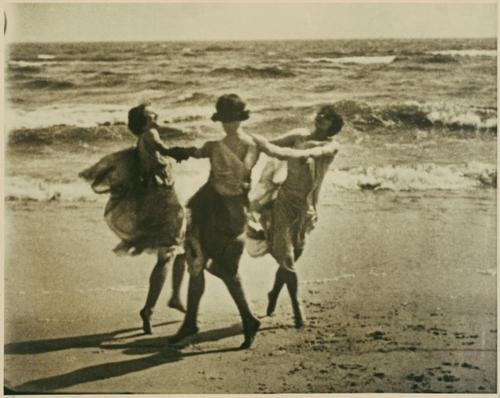

 RichardbBrunner