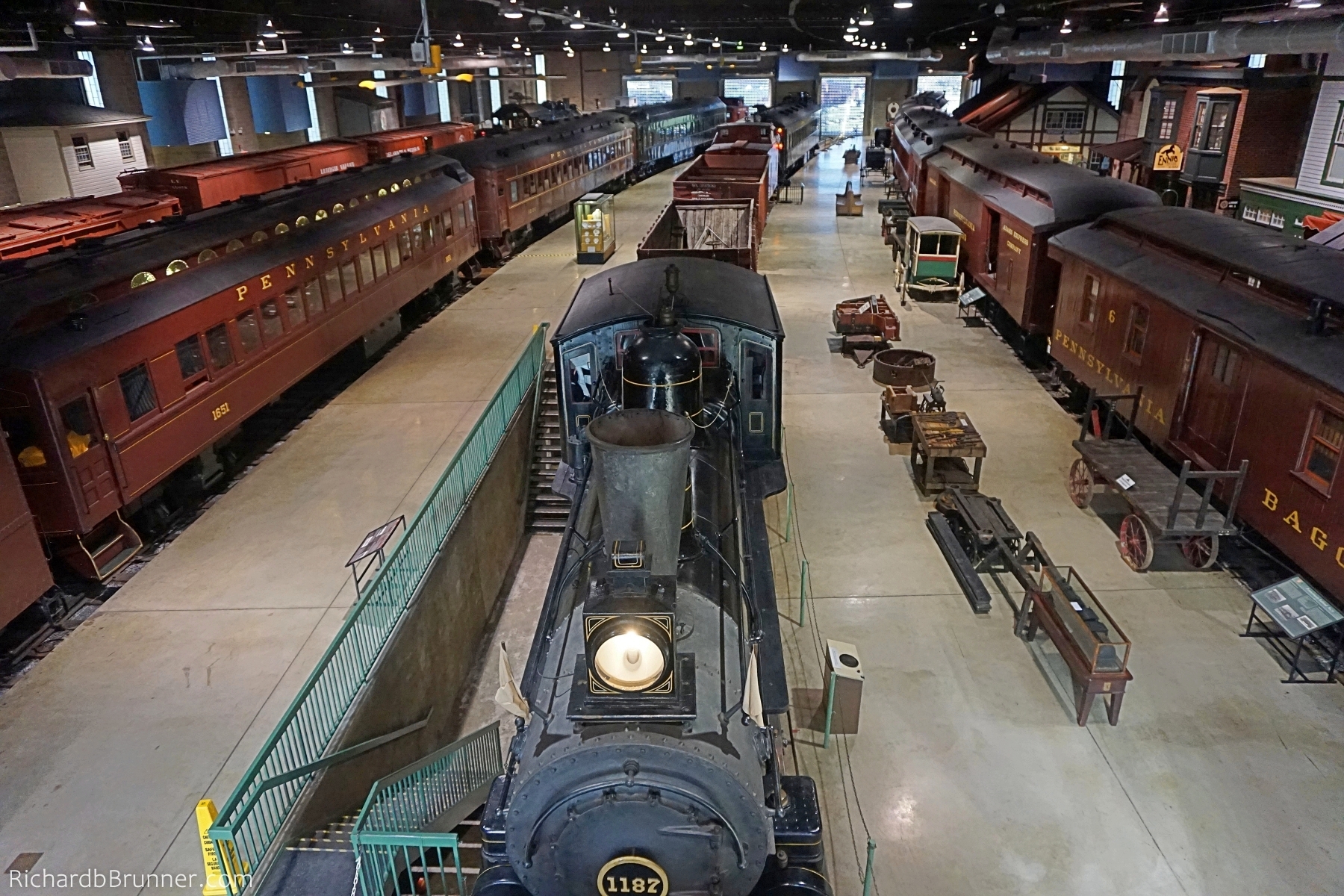
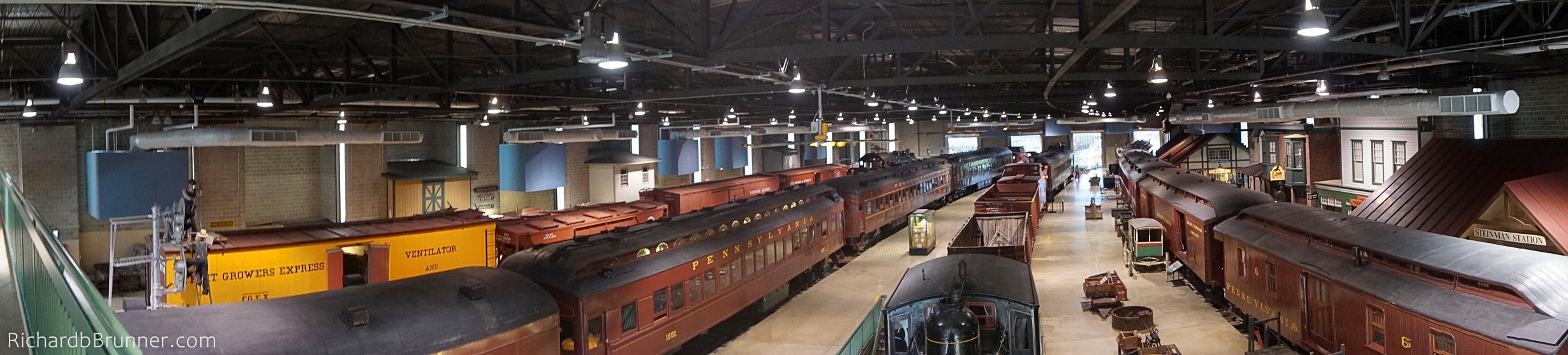
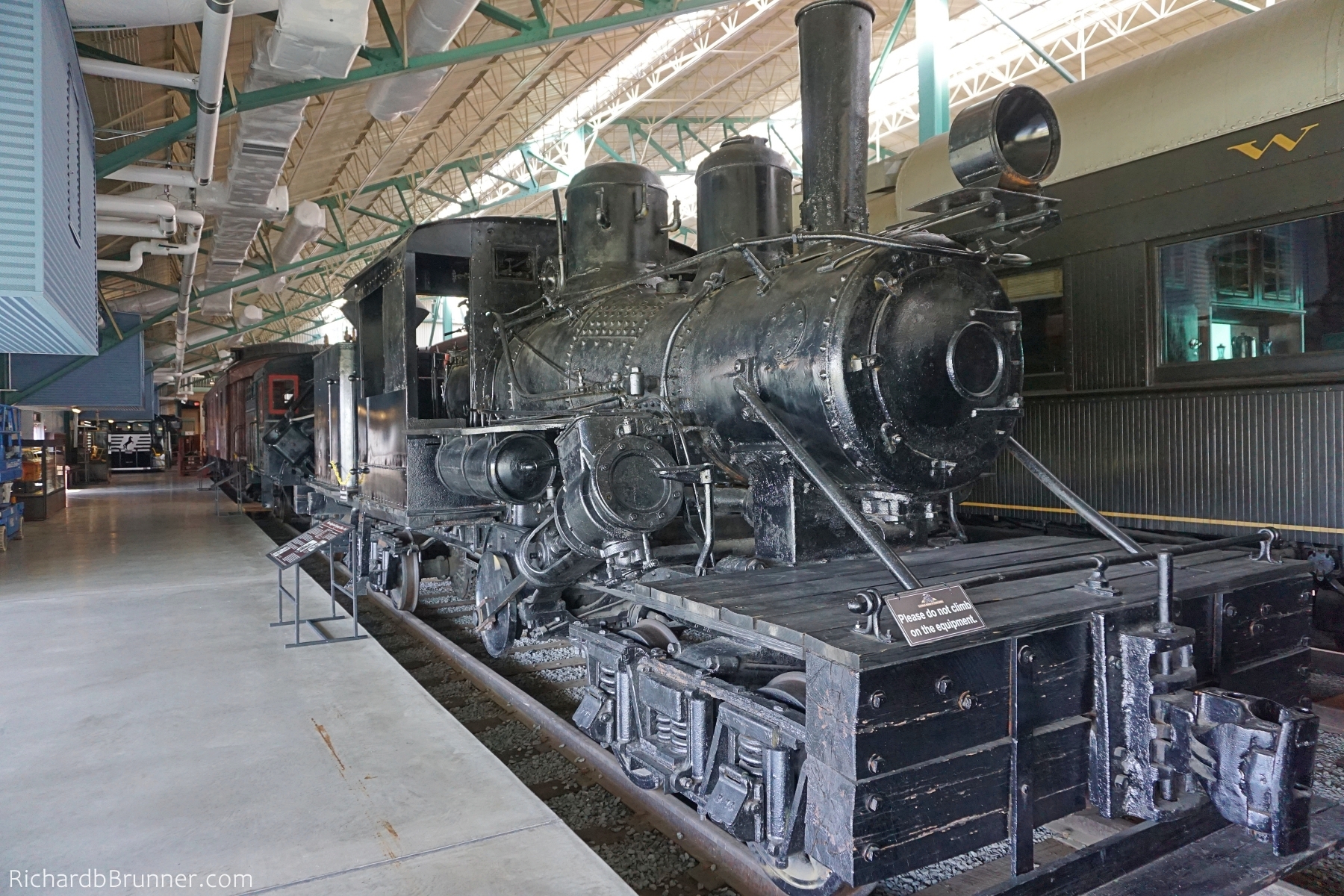
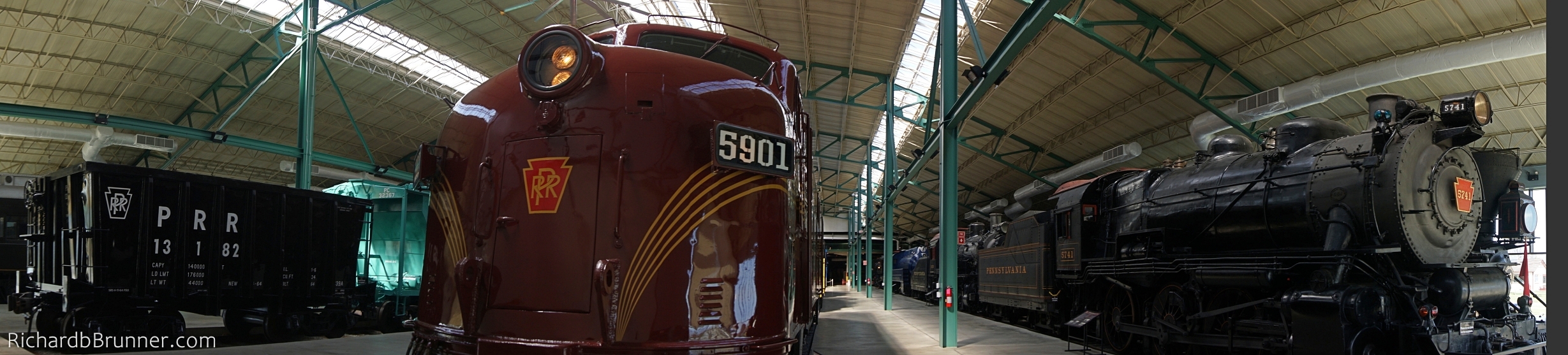
Railroad Museum of Pennsylvania: We are, in no way, a museum exclusively devoted to the Pennsylvania Railroad. We are a museum devoted to telling the rich stories of railroading in the Commonwealth of Pennsylvania, including all its railroads, its support industries and its workers and travelers – past and present.
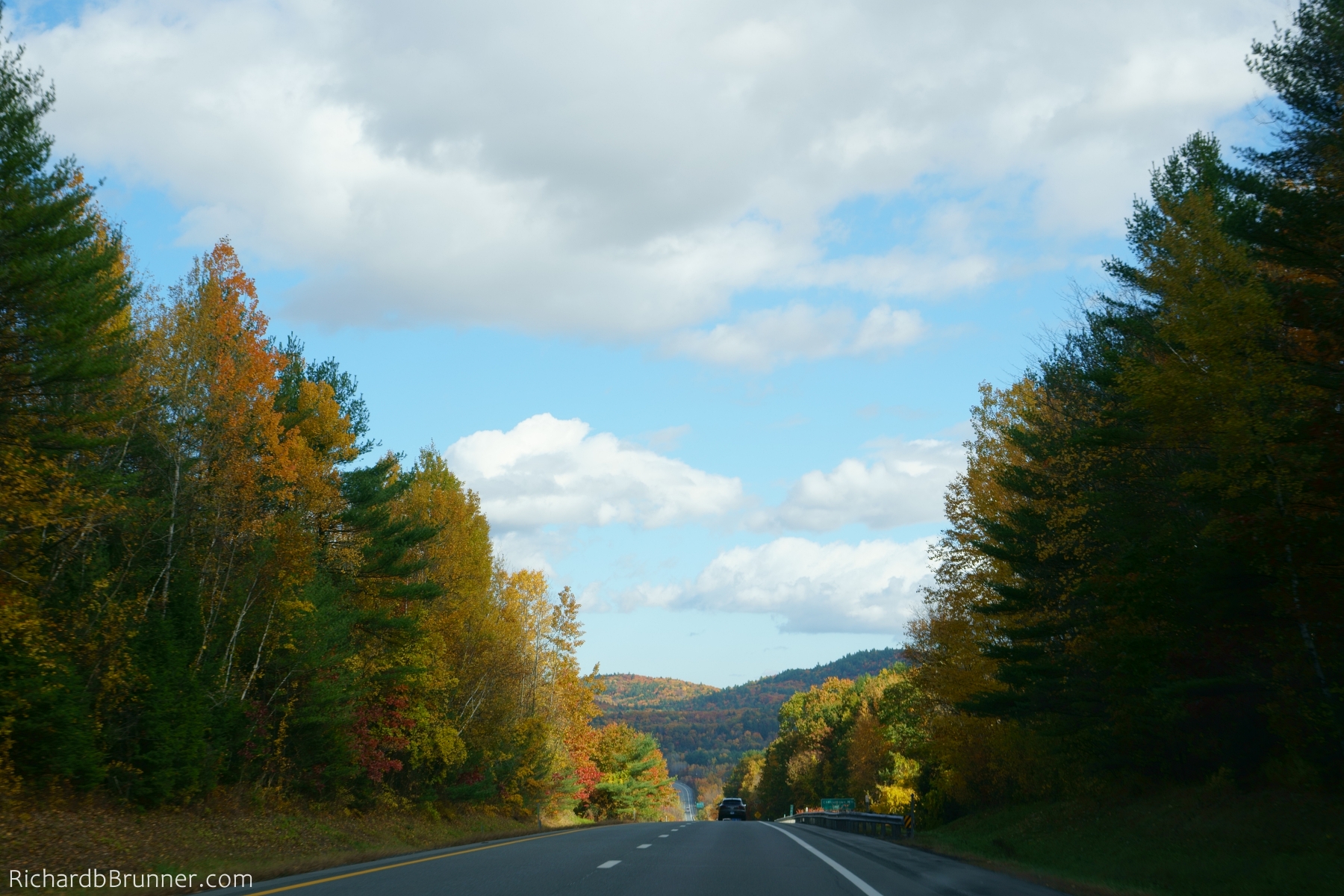
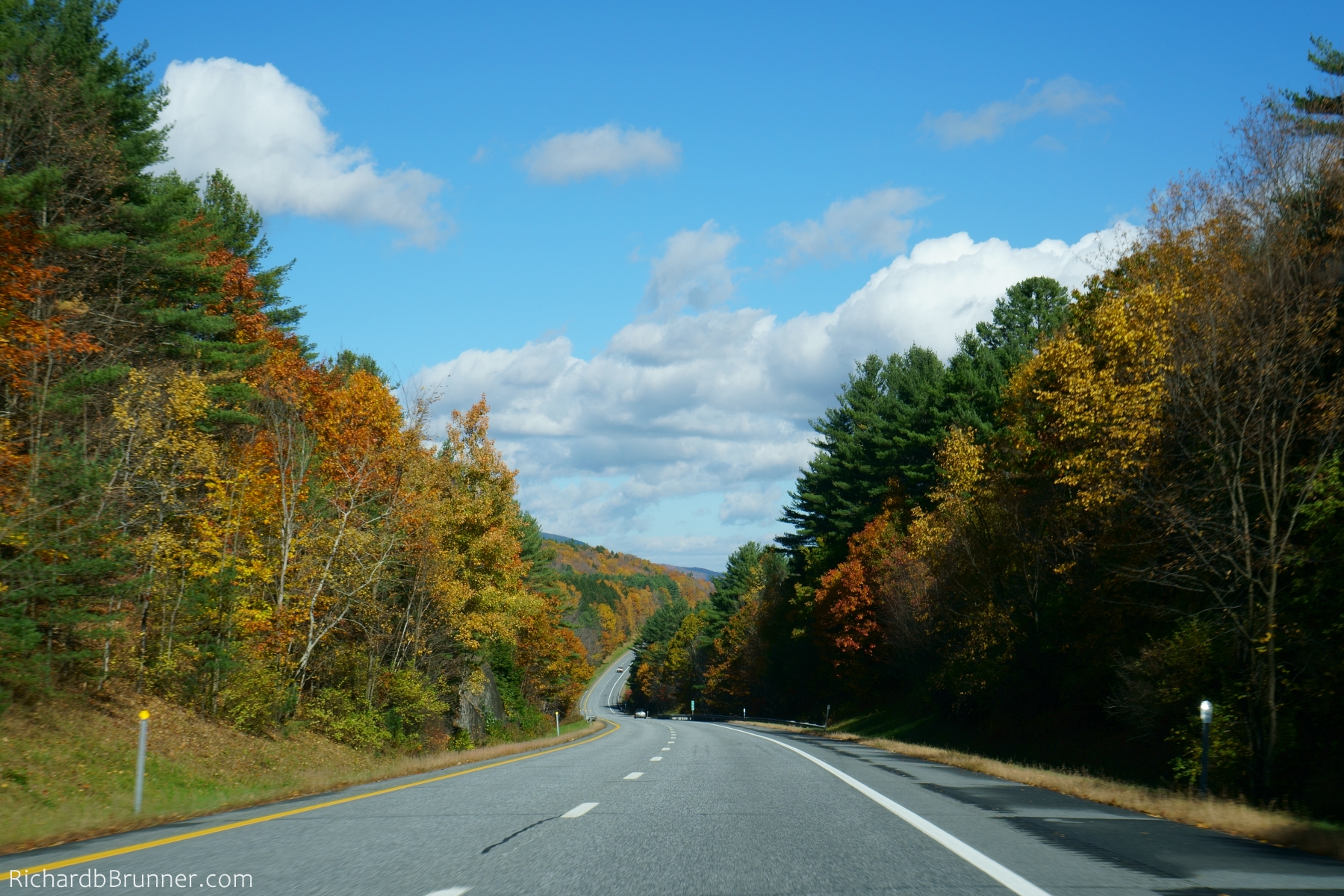
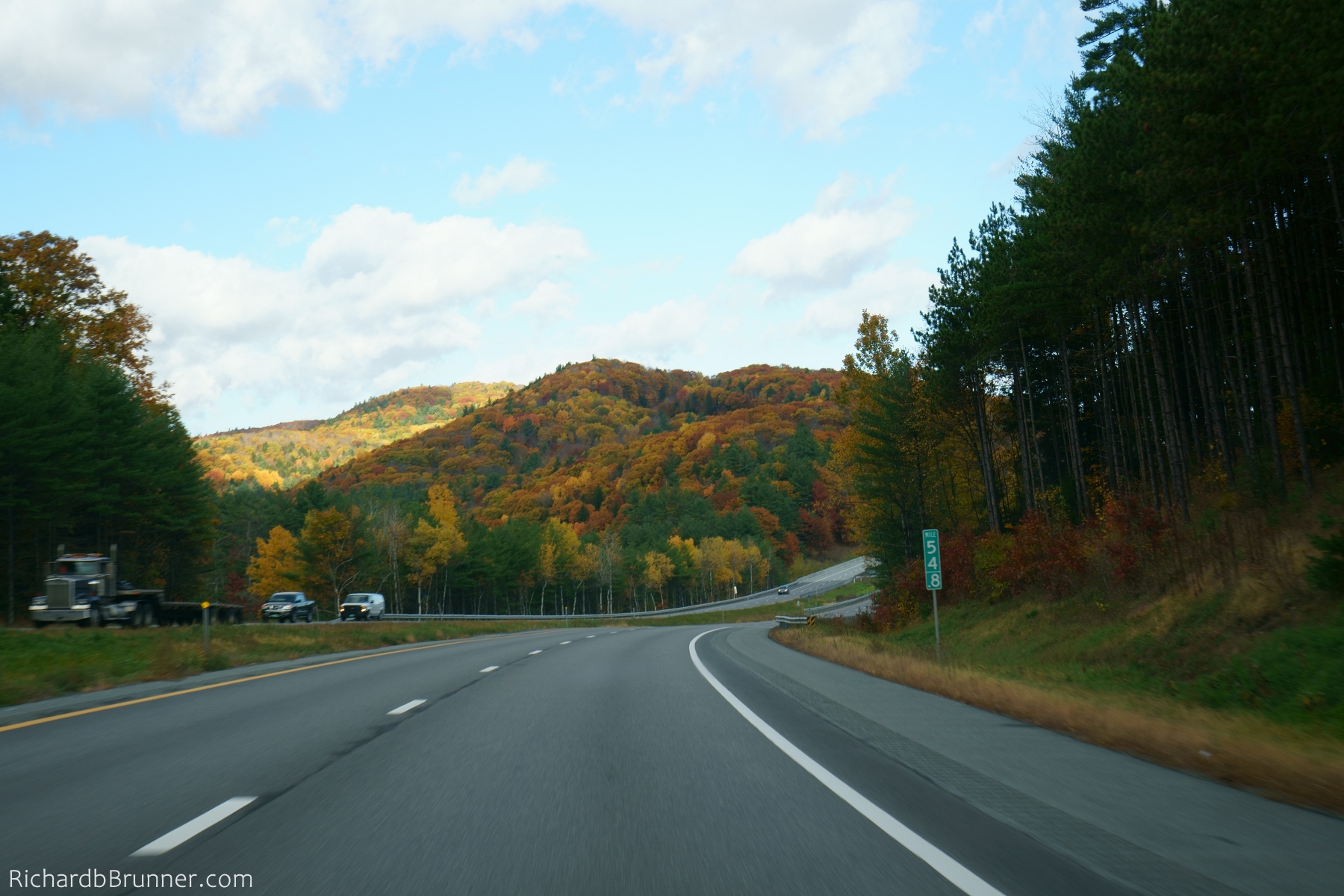
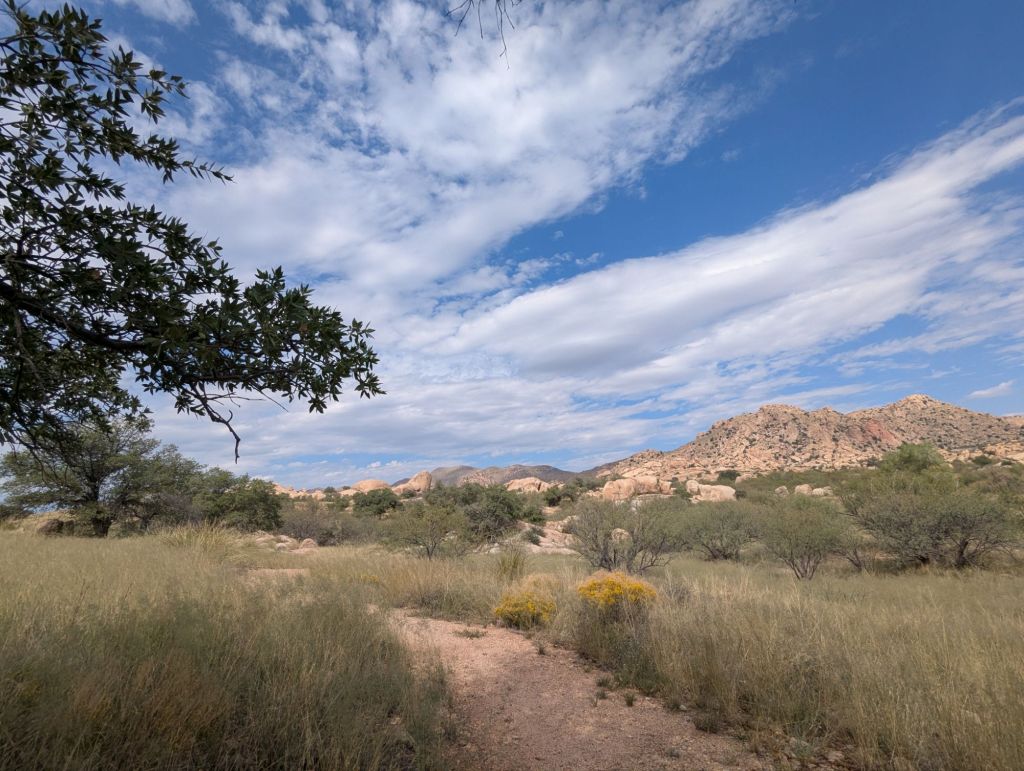
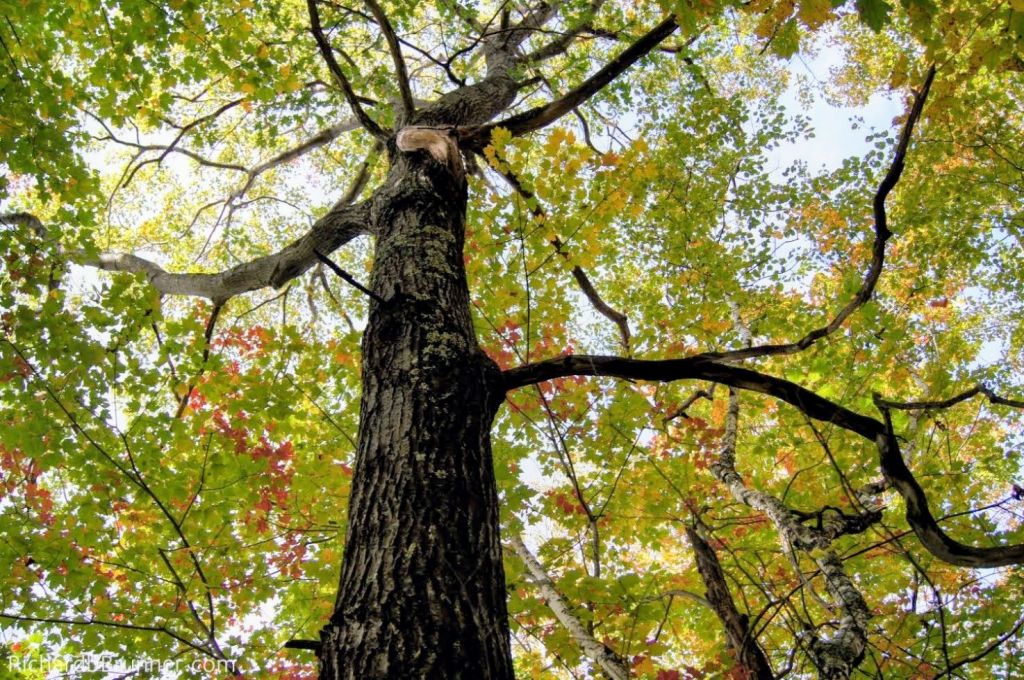
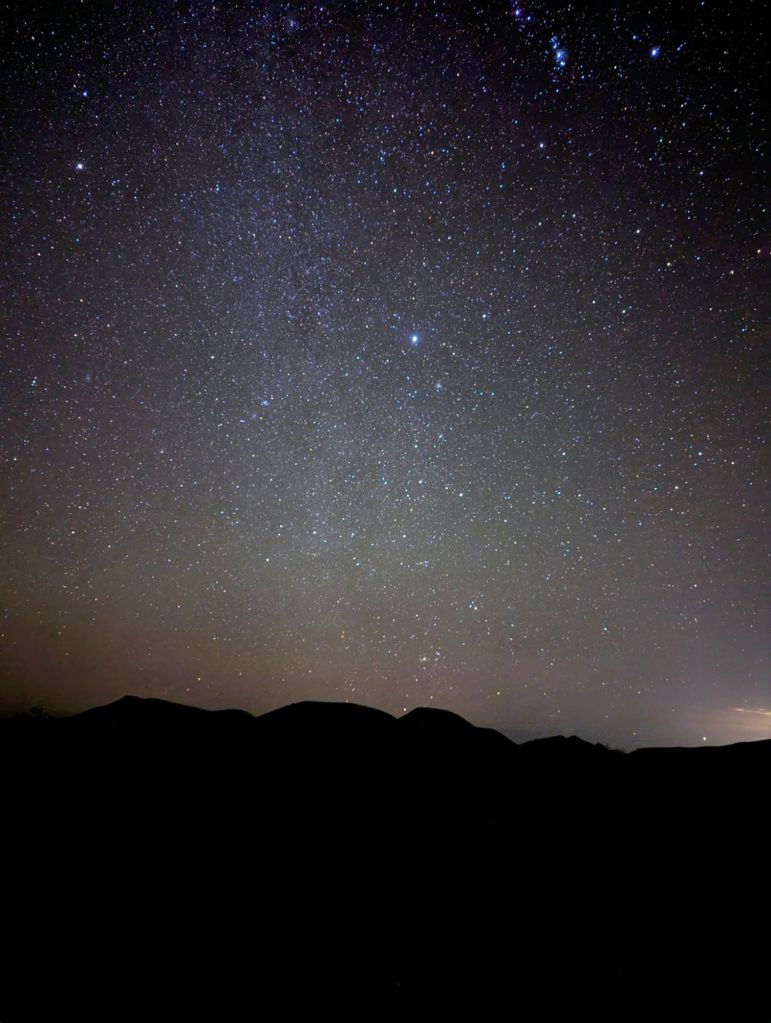
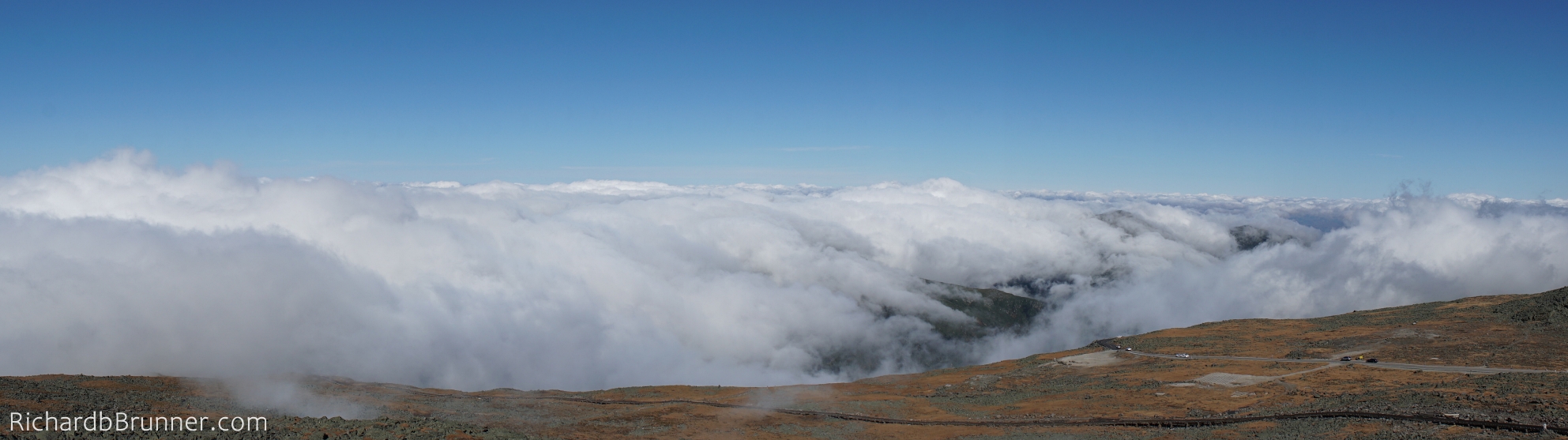
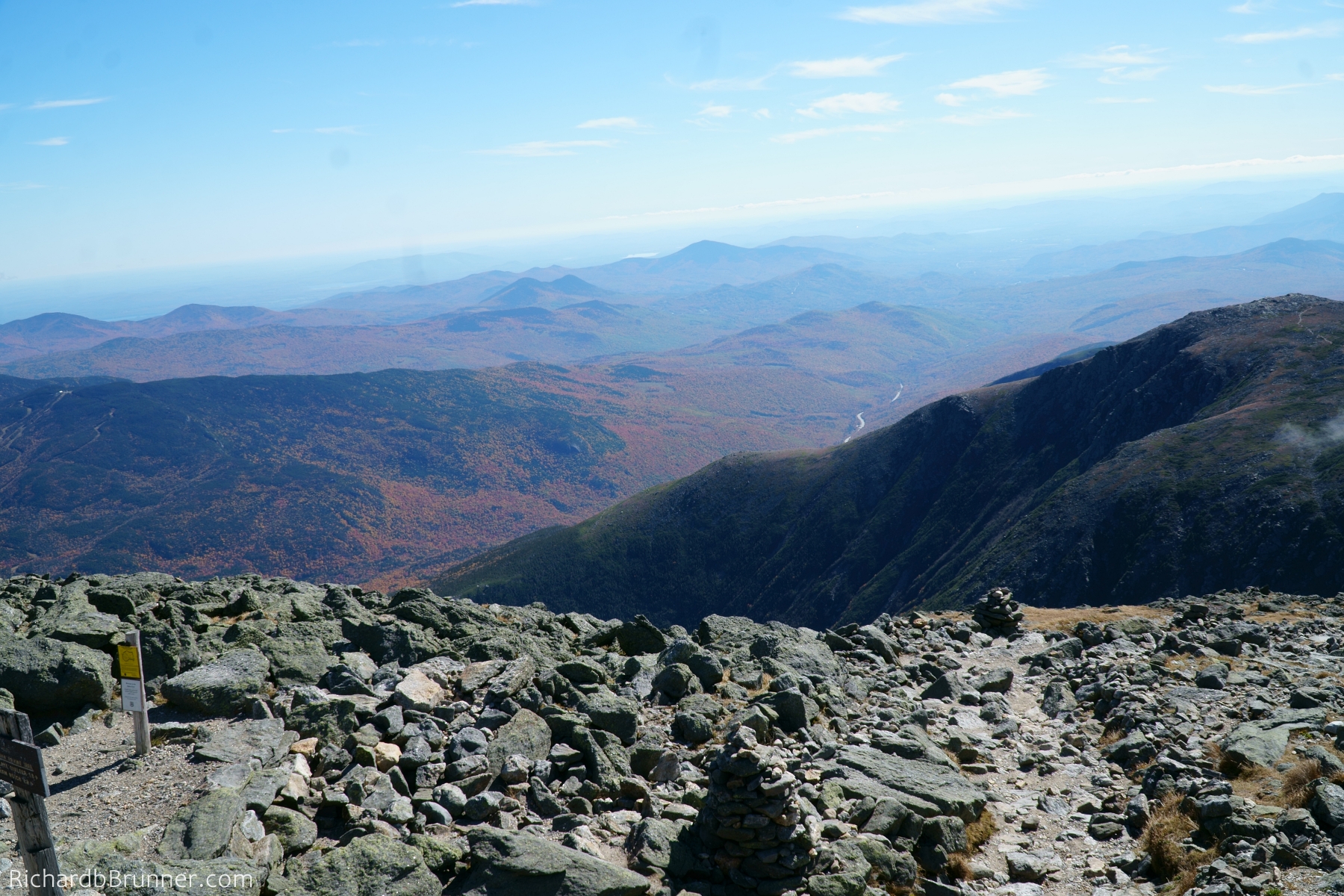
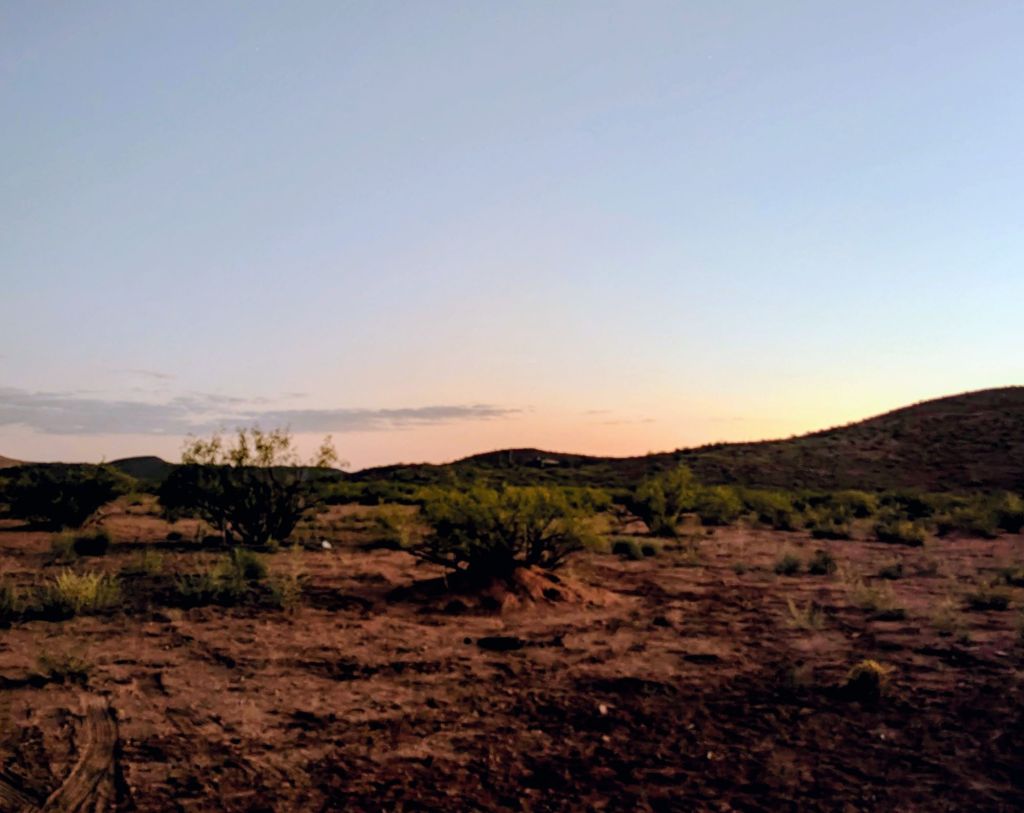
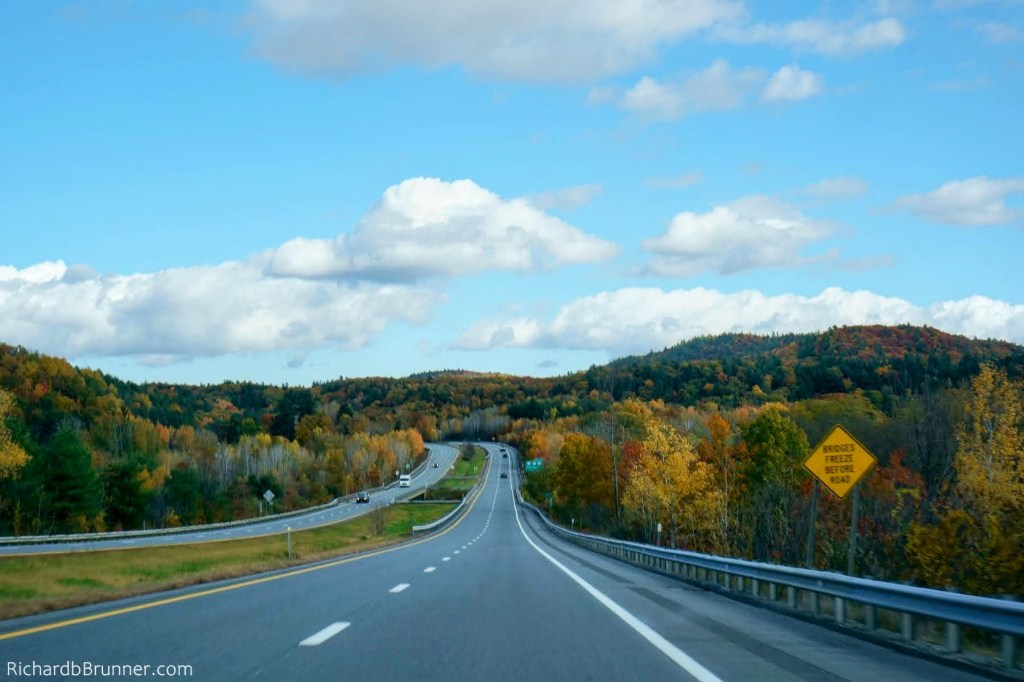
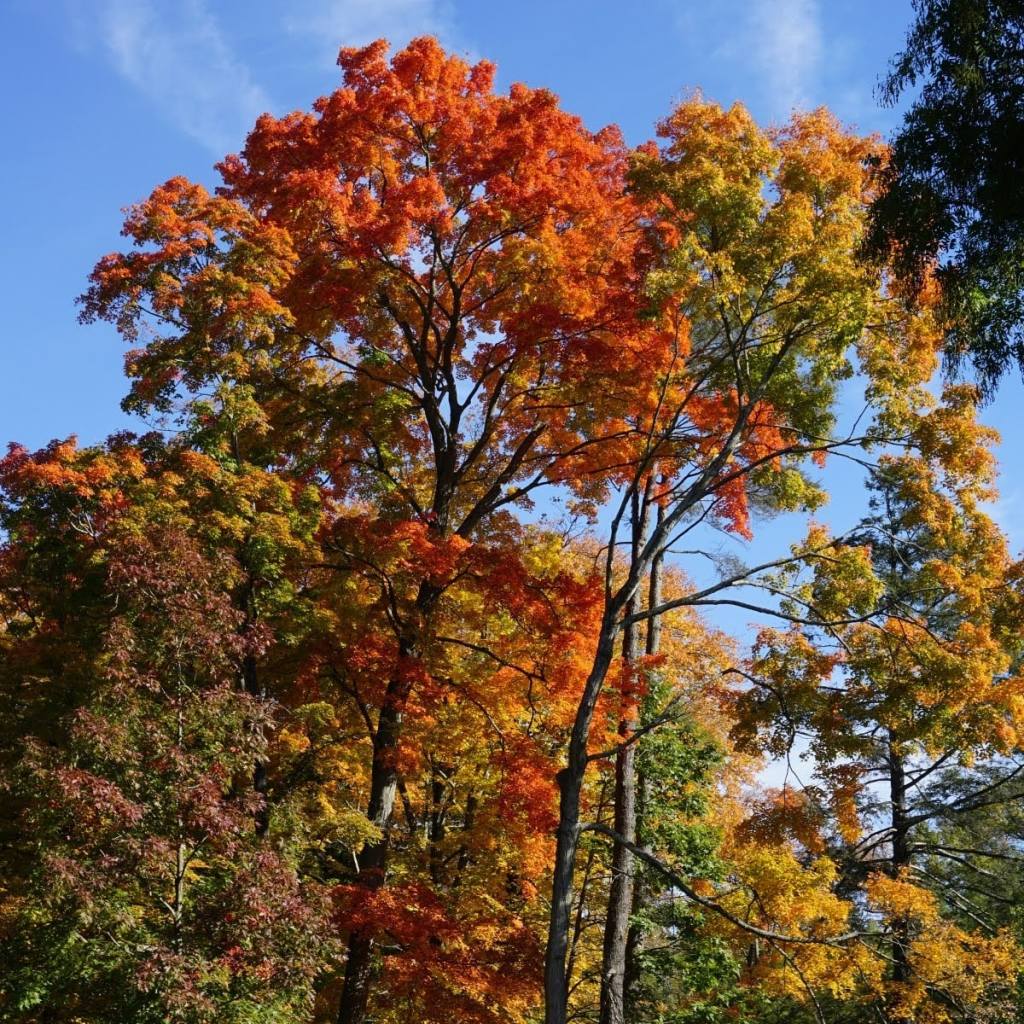
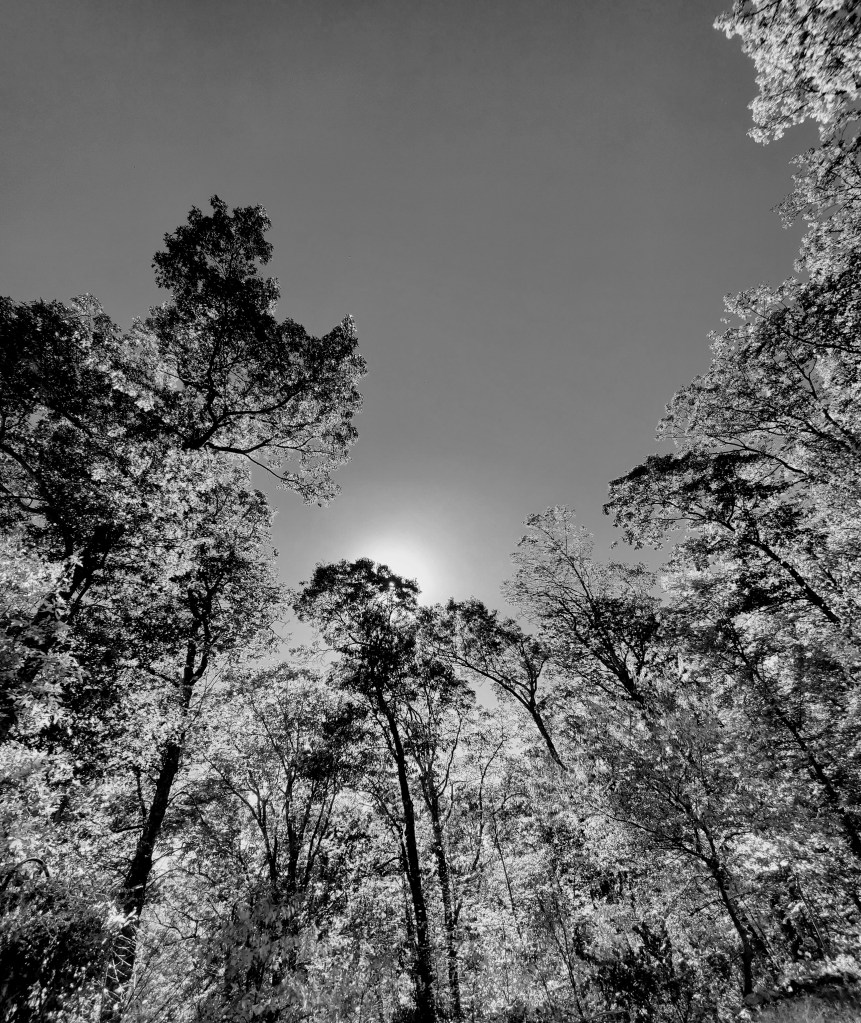
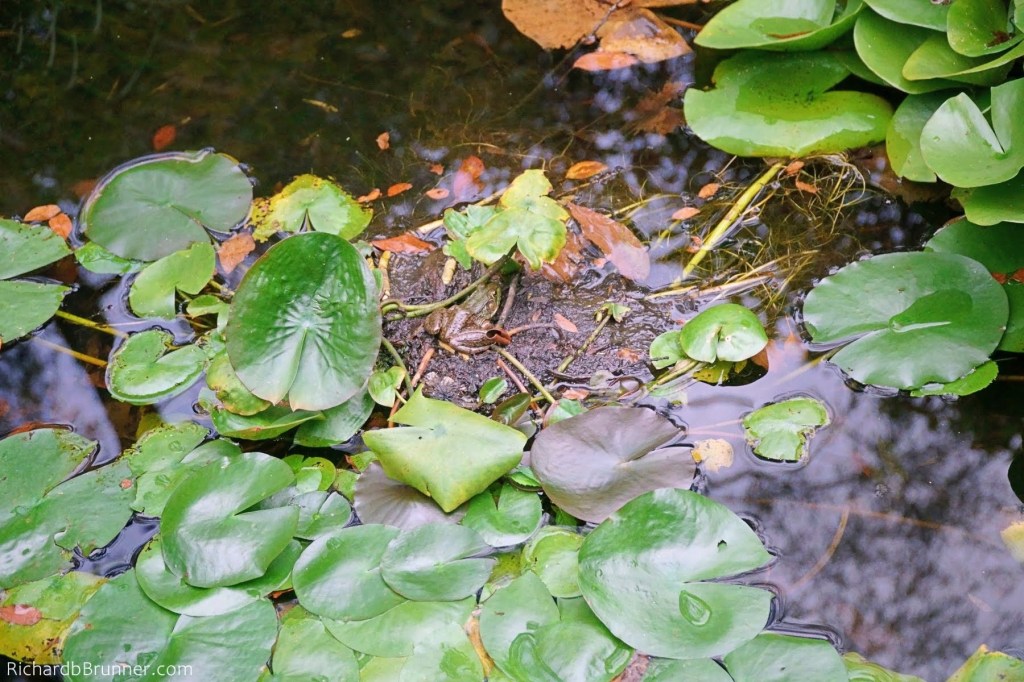
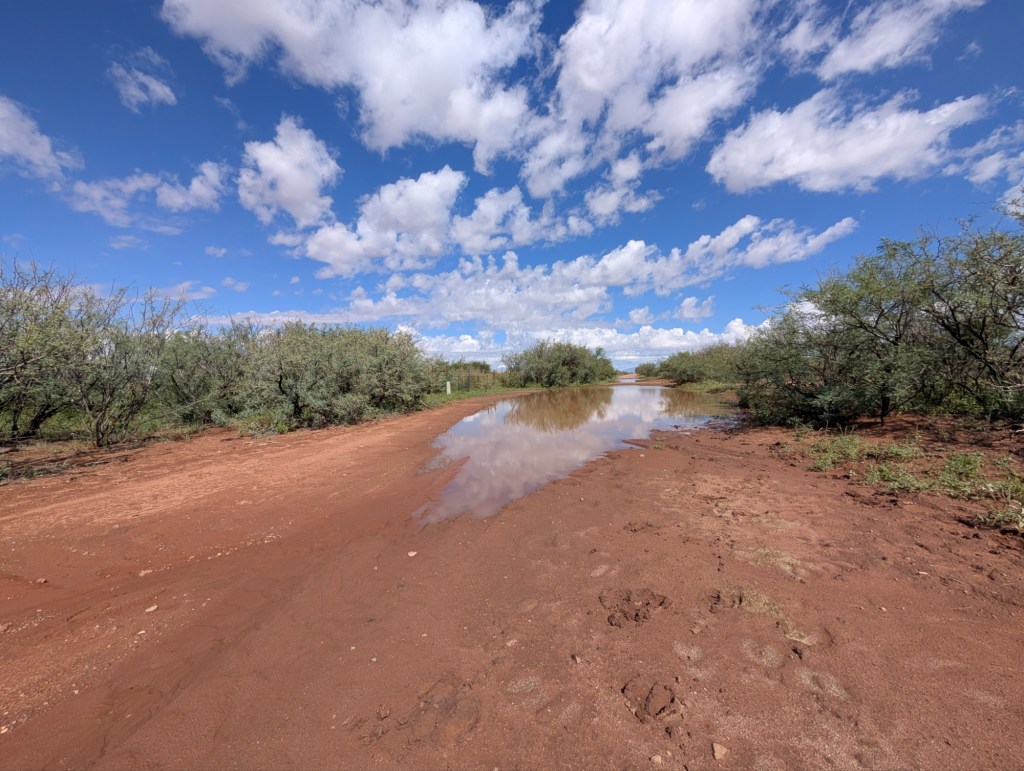
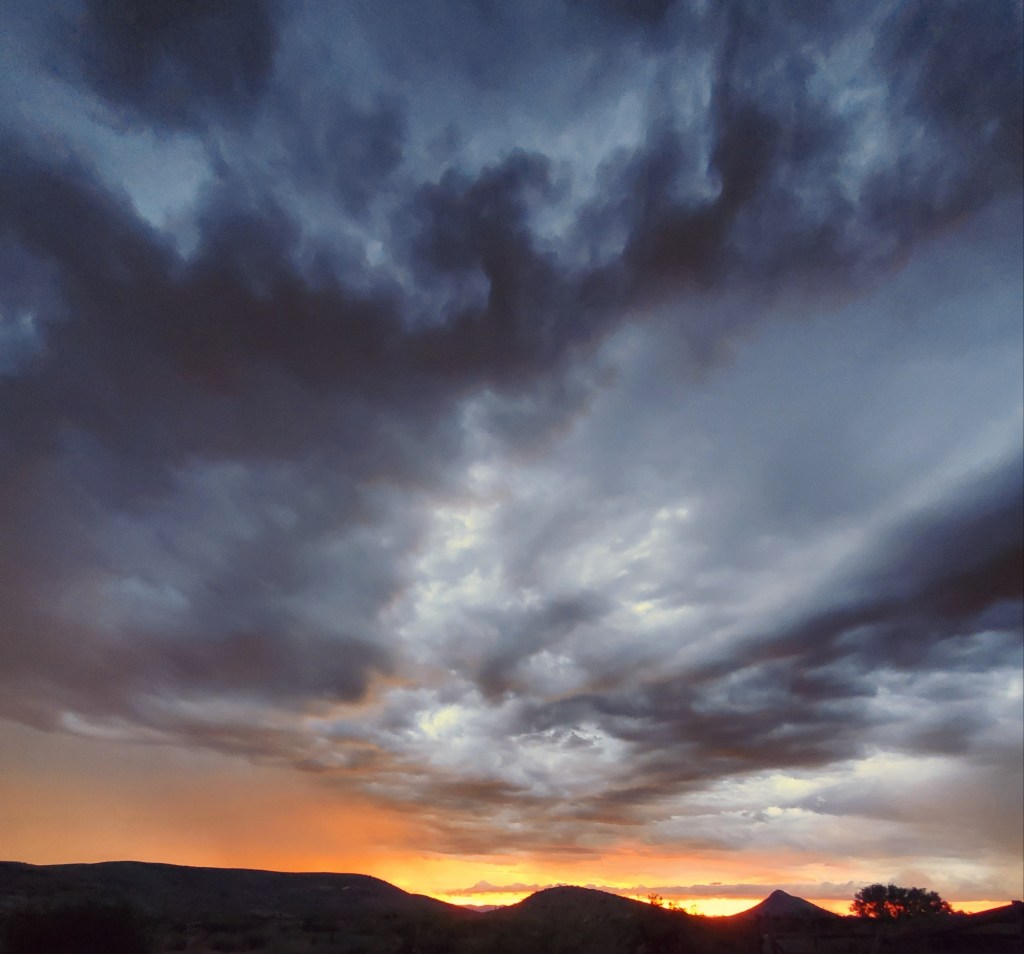
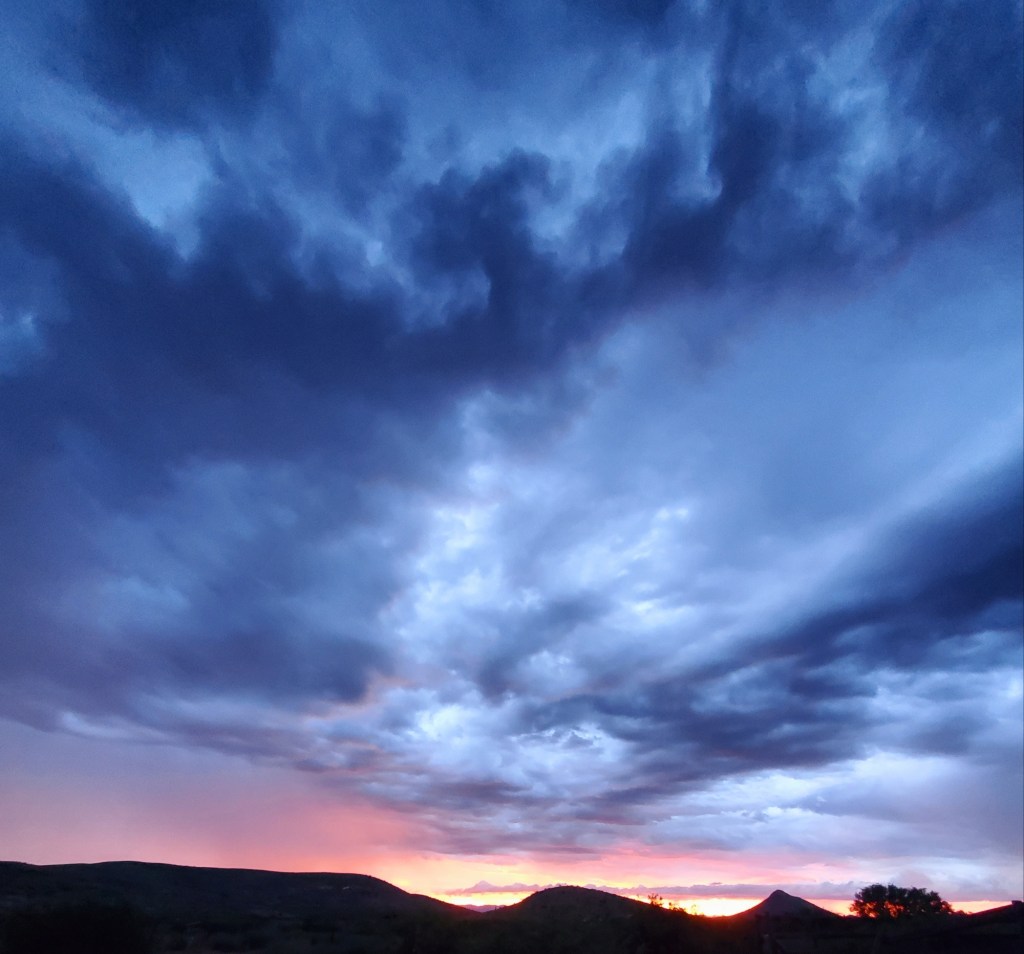
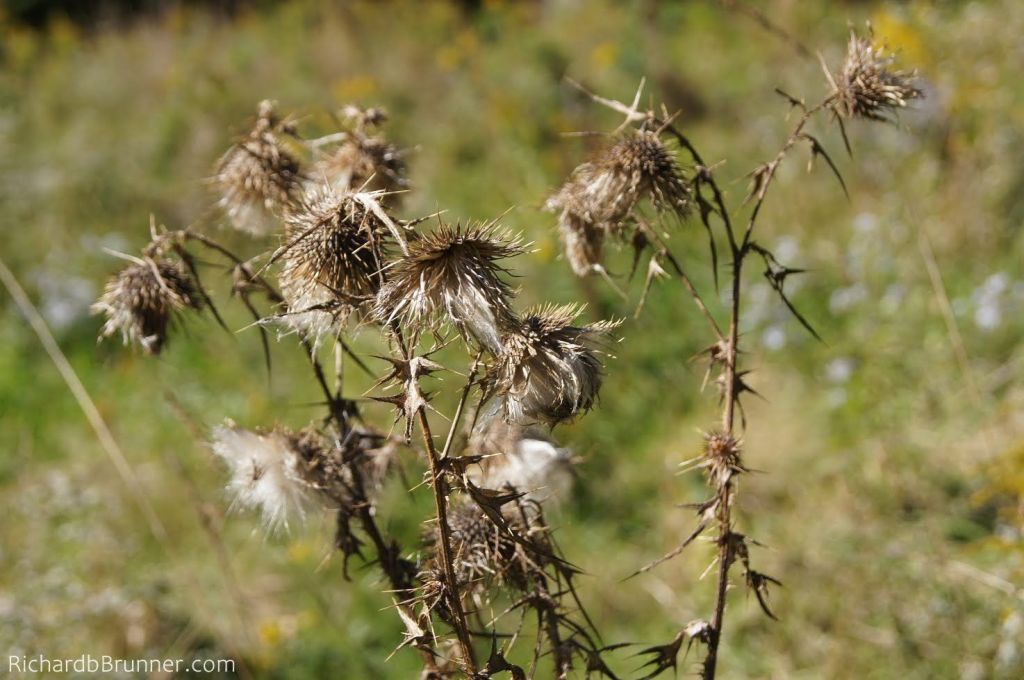
September 9 2013 Walpole NH Sony SLT-35 kit zoom @450mm f5.6September 9 2013 Walpole NH Sony SLT-35 kit zoom @450mm f5.6September 10 2024 Pearce AZ Pixel 7 Night Sight with full moon
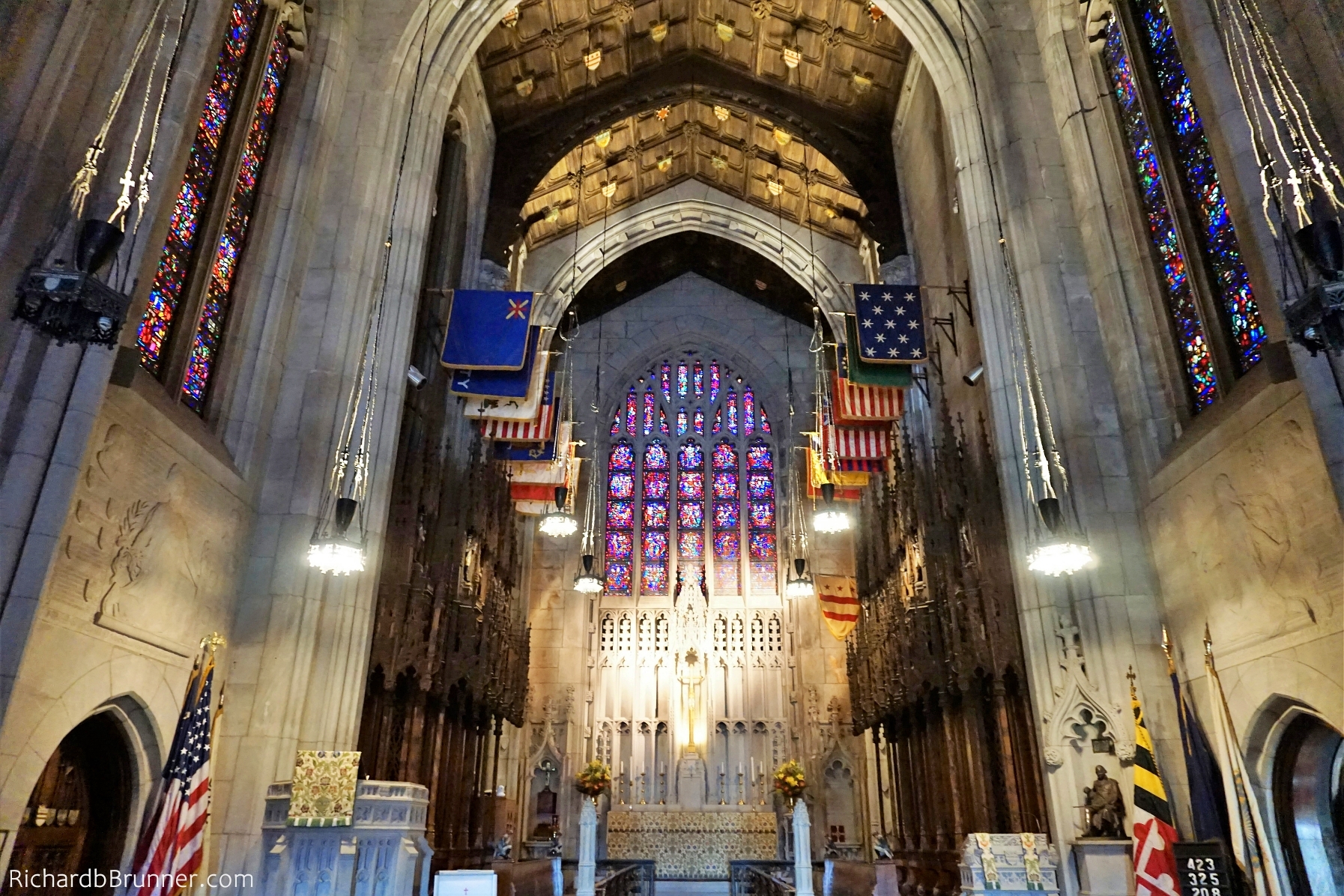
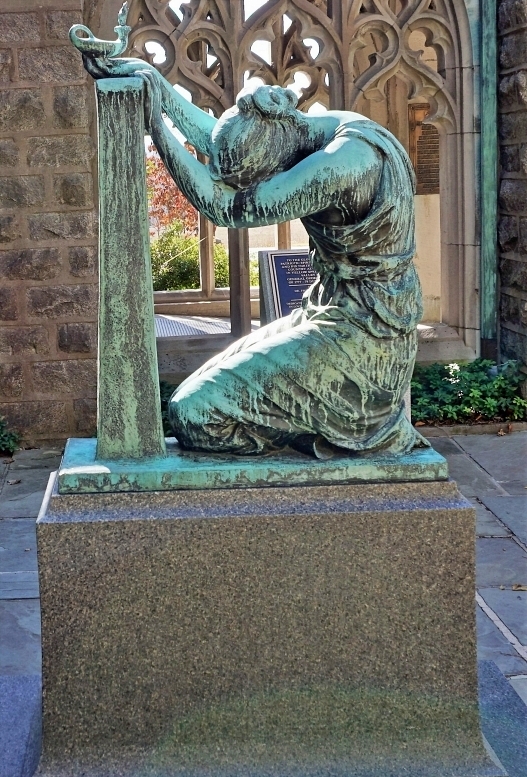
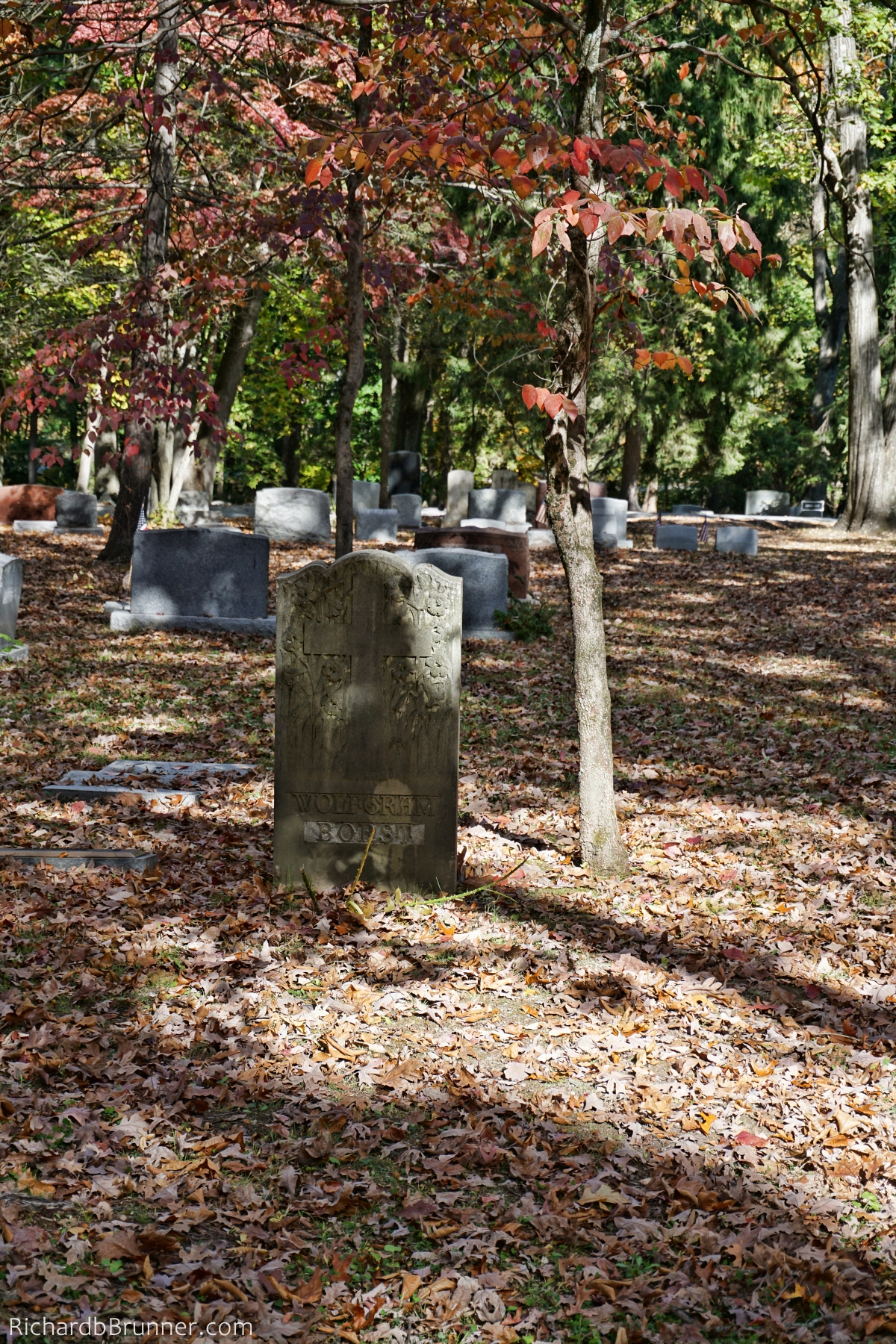
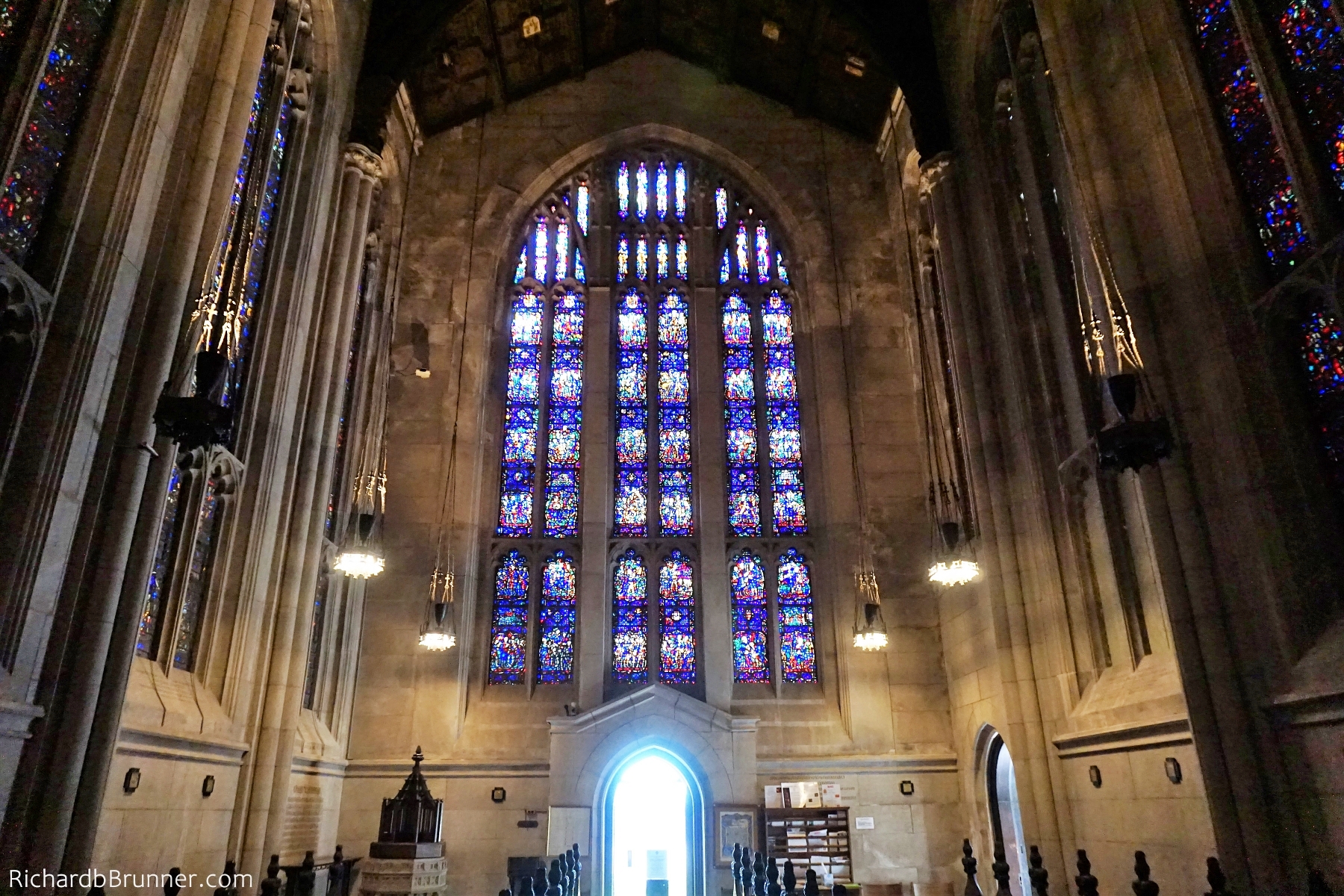
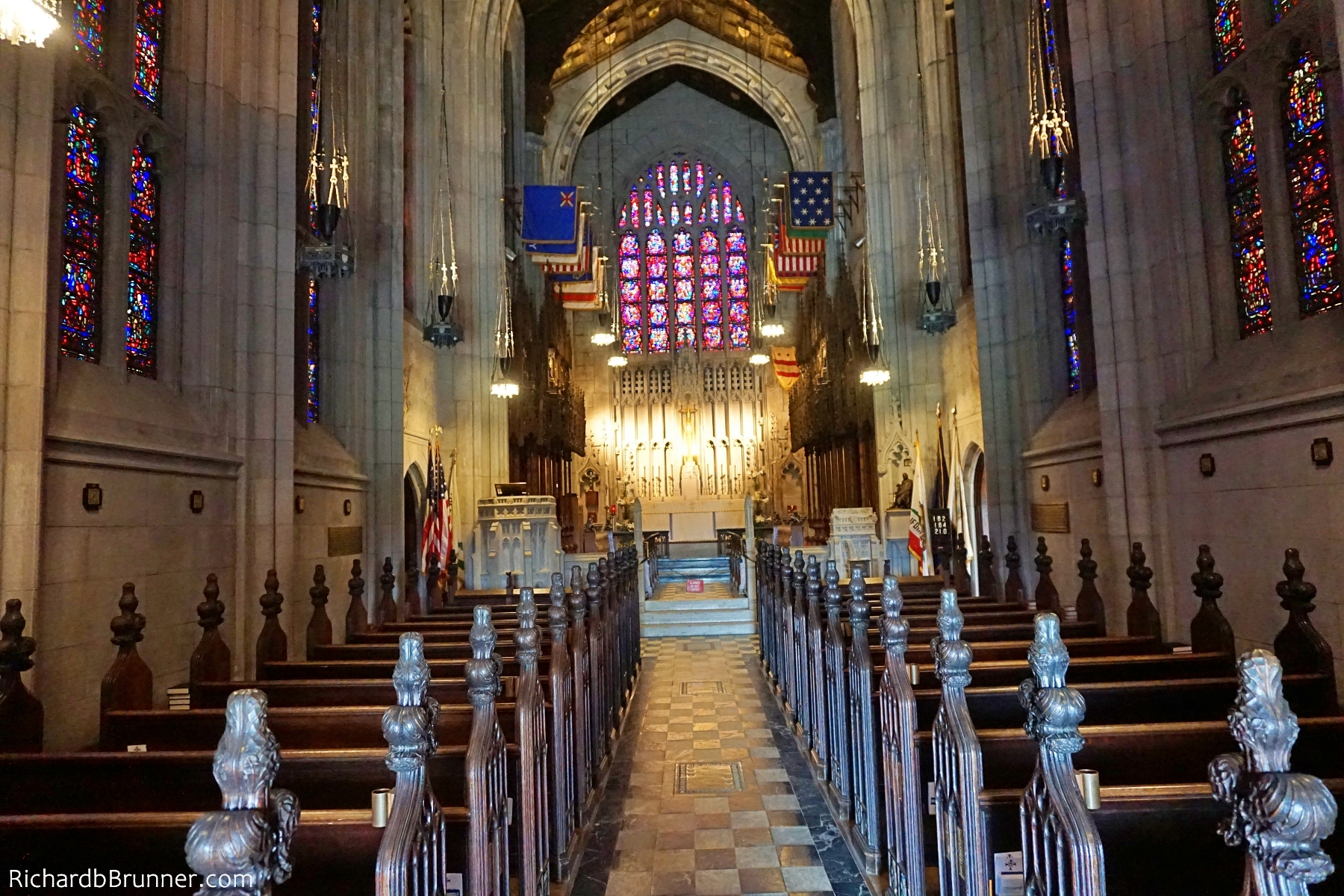
Washington Memorial Chapel — located on Pennsylvania Route 23 in Valley Forge National Historical Park — is both a national memorial dedicated to General George Washington and an active Episcopal parish in Valley Forge, Pennsylvania. The church was inspired by a sermon preached by Anglican minister Reverend Dr. W. Herbert Burk, founder and first rector of the parish. The building was designed by architect Milton B. Medary. It was listed on the National Register of Historic Places on May 1, 2017, and is undergoing an active restoration campaign. From Wikipedia.
During the 1973 Yom Kippur/Ramadan War both the Soviets and US forces were put on a heighten alert. I decided to skip school and hitch-hiked to Washington Chapel to spend the day praying for peace. I believe(ed) that there is no better place to pray for peace than at the memorial for fallen soldiers.
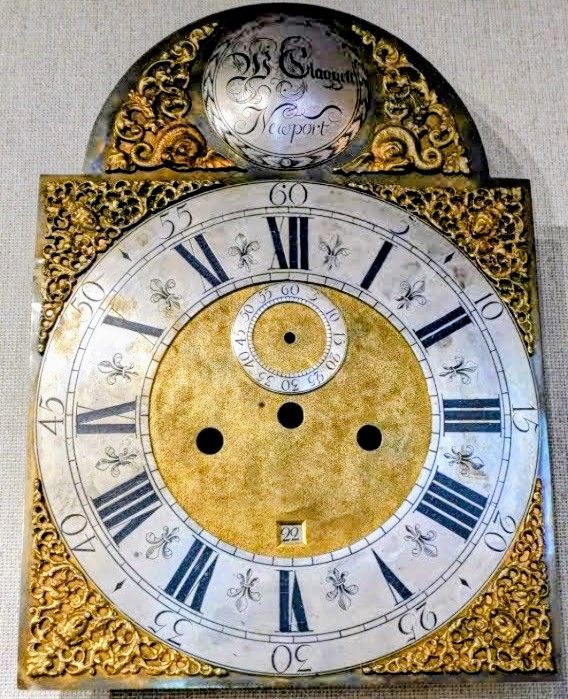
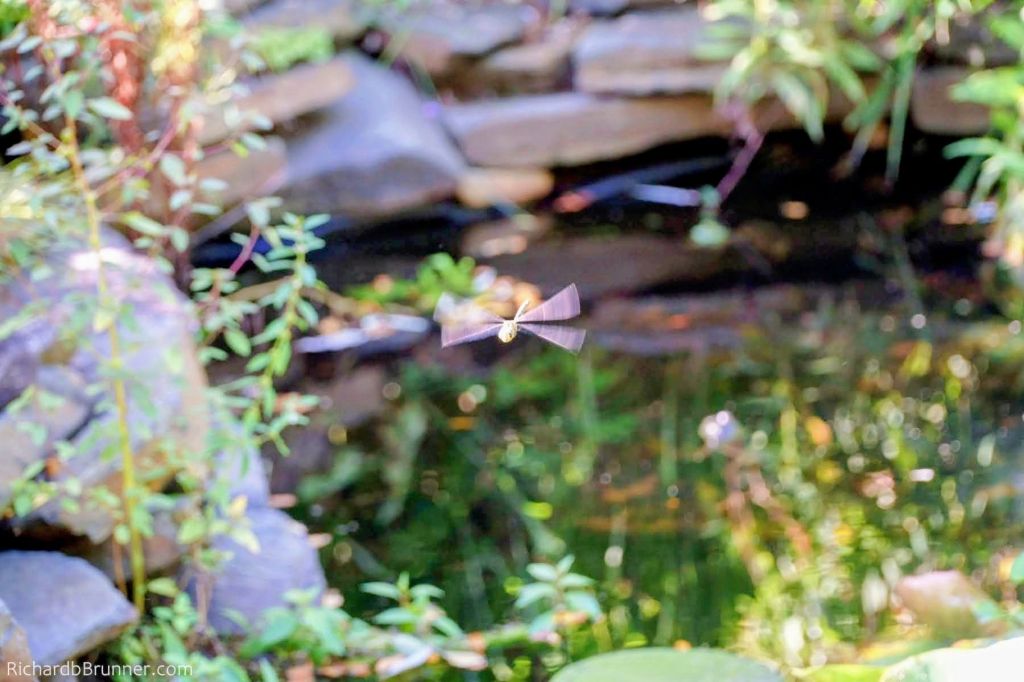
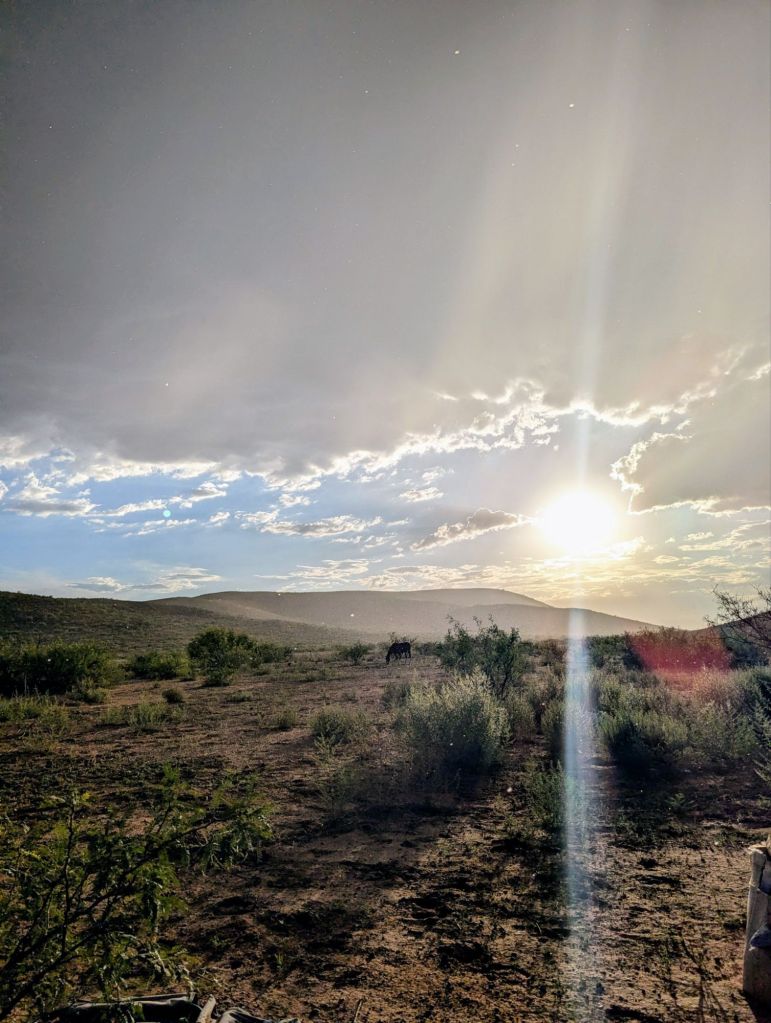
Clock face Sturbridge Village MA August 30 2016 Sony 6000Dragon Fly Walpole NH August 30 2018 Sony 6300 f4 93mmSunny with rain Pearce AZ August 30 2024 Pixe 7
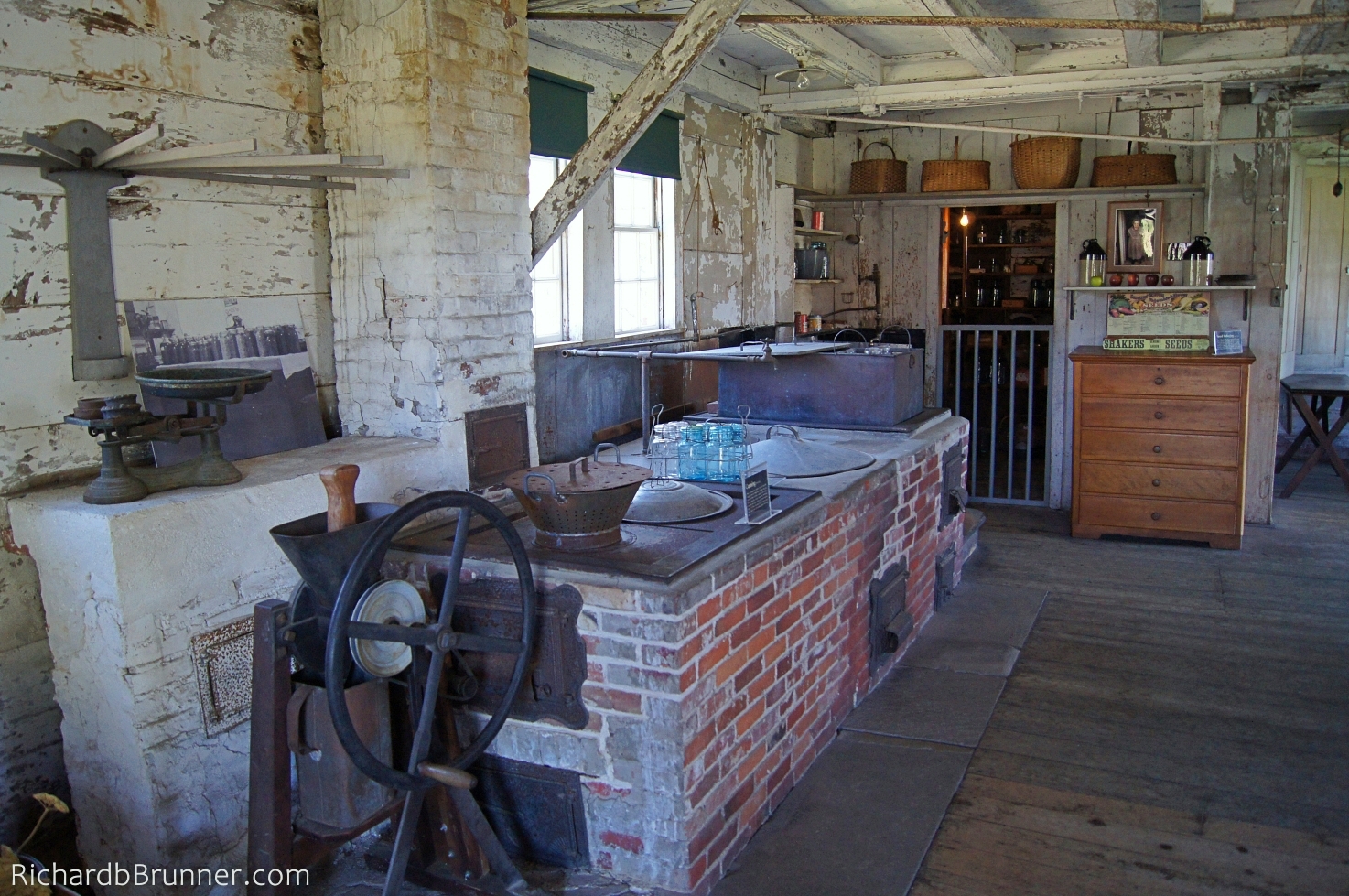
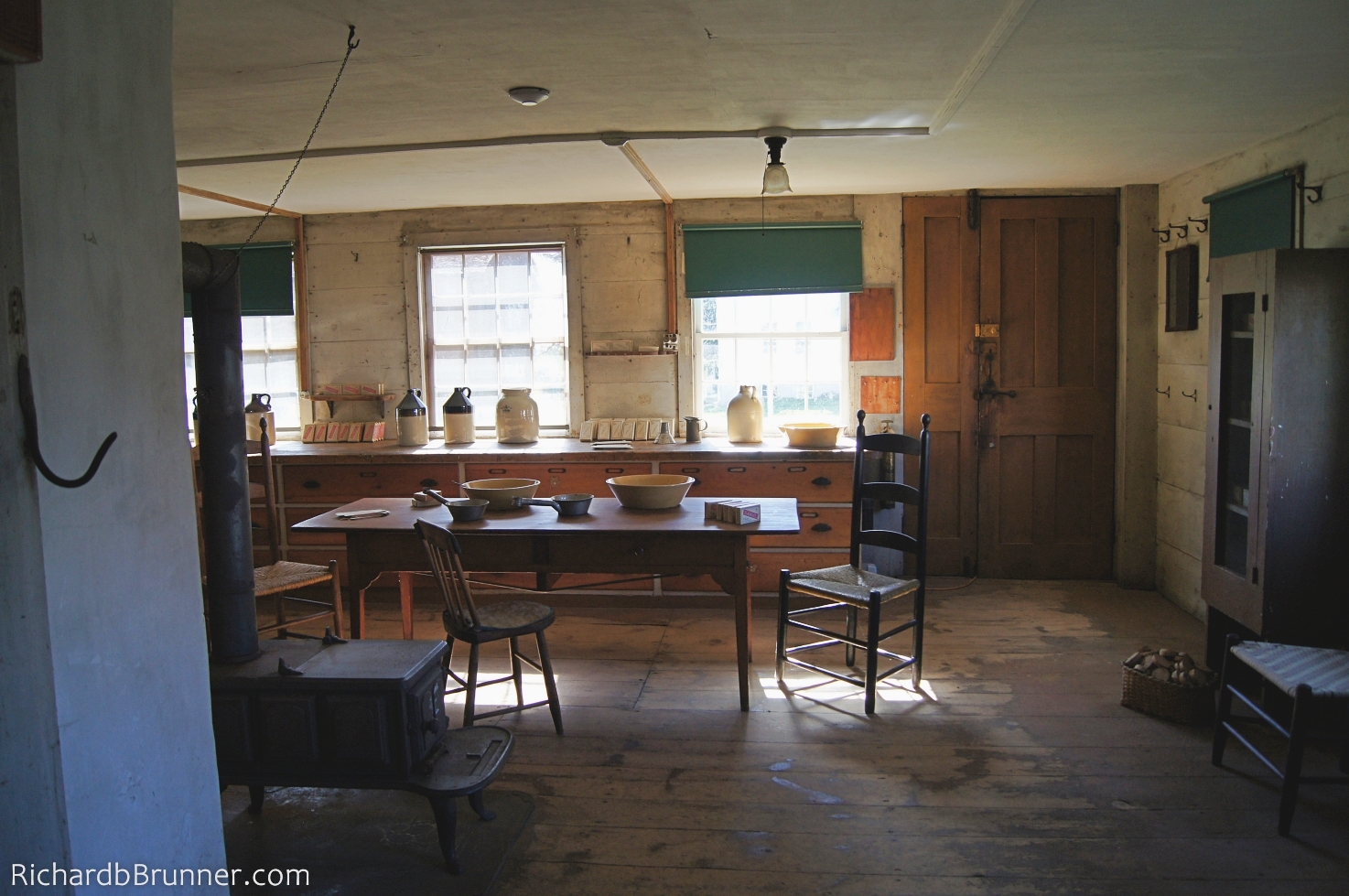
Canterbury Shaker Village preserves and interprets the legacy of the Shakers, providing a place for learning, reflection, and renewal of the human spirit.
Canterbury Shaker Village actively engages people of all ages, fostering the Shaker values of community, simplicity, and innovation.
The Canterbury Shakers transformed their inheritance into a museum for the benefit of all. Therefore, we have a duty of stewardship. These values are powerful tools for fulfilling that duty.
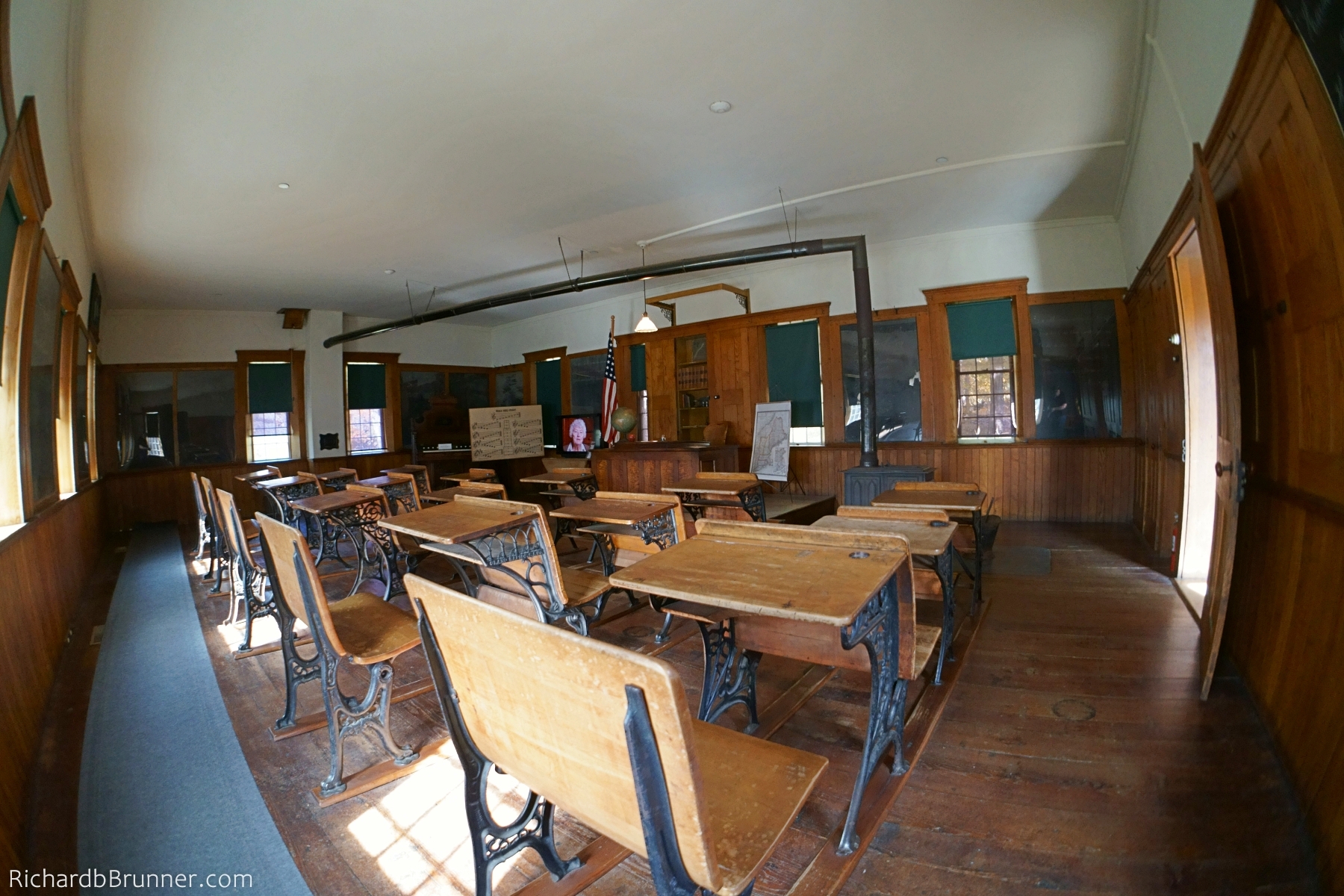
The mission of the Enfield Shaker Museum, an educational institution, is to preserve and share its historical structures, landscape, and Shaker cultural heritage with our multi-generational visitors, members, and the global community.
Founded in 1793, this village was the ninth of 18 Shaker communities to be established in this country. At its peak in the mid 19th century, the community was home to three “Families” of Shakers. Here, Brothers, Sisters, and children lived, worked, and worshiped. Here, they practiced equality of the sexes and races, celibacy, pacifism, and communal ownership of property. Enfield Shaker Museum
Augustus Saint-Gaudens was commissioned by author Henry Brooks Adams (great grandson of John Adams and grandson of John Quincy Adams) in 1886 to create a memorial for his wife’s grave in Washington, D. C.’s Rock Creek Cemetery. Marion, a D. C. socialite and accomplished photographer, had committed suicide a year earlier. Adams did not want a likeness of his wife, but instead asked Saint-Gaudens to create a spiritual figure that encompassed Buddhist philosophy and was similar to characters from Michelangelo’s Sistine Chapel. Both male and female models were used to create the androgynous figure.
Saint-Gaudens finished the project in 1891 and called it The Mystery of the Hereafter. Adams referred to it as The Peace of God. The public and press nicknamed it Grief, a name Adams did not like.
The Fort at No. 4 is an independent, non-profit organization dedicated to creating a greater understanding of the multi-ethnic, multi-layered, messy history of the 18th century. To that end the museum employs static displays, living history and reenactment activities, classes/workshops, tours, presentations, and special events. With a better understanding of past actions, attitudes, and norms of behavior, one is able to make better informed decision about current and future issues:
“You are not judged by the height your have risen, but from the depth you have climbed.” Frederick Douglass
The Fort at No. 4’s mission is: “To professionally collect, preserve and authentically interpret both physical and intellectual resources which provide an educational understanding and appreciation for the 18th century heritage of the Connecticut River Valley.”
The Connecticut Trolley Museum has over 70 pieces of rail equipment dating back to 1869. During your visit, you can see historic passenger and freight trolley cars, interurban cars, elevated railway cars, passenger and freight railroad cars, service cars, locomotives, and a variety of other equipment from railways around Connecticut. You will also find examples from Brooklyn, Boston, New Orleans, Milwaukee, Cleveland, Springfield, Lynchburg, Montreal, and even Rio De Janeiro, Brazil.
COLLECTION OF THE CONNECTICUT ANTIQUE FIRE APPARATUS ASSOCIATION