-
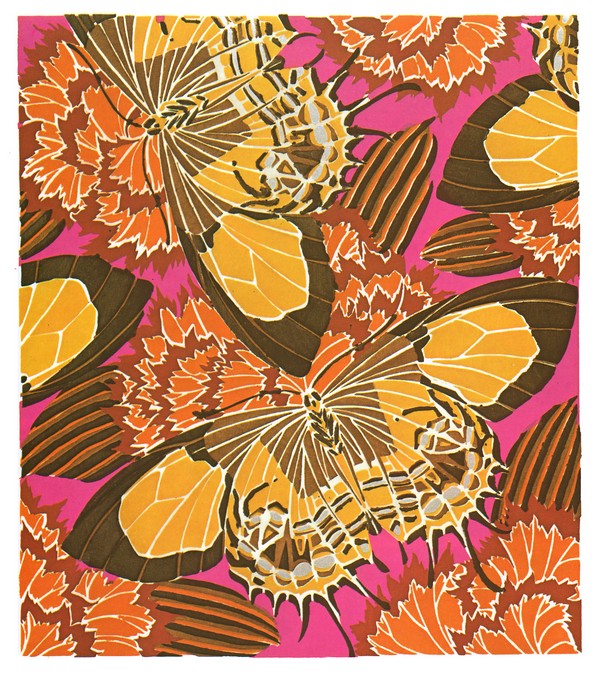
Seguy Art Deco Designs 125
-
Coloring Page Boston Terrier

-
The Science of Making Things Go #Viral
 Courtesy of: Visual Capitalist
 -
Research Identifies How Stress Triggers Drug Relapse
Recent research from Brown University could pave the way for new methods of treatment for those recovering from addiction. Researchers identified an exact brain region in rats where the neural steps leading to drug relapse take place, allowing them to block a crucial step in the process that leads to stress-induced relapse.

Prior research has established that acute stress can lead to drug abuse in vulnerable individuals and increase the risk of relapse in recovering addicts. But the exact way that stress triggers the neural processes leading to relapse is still not clearly understood. The Brown study provides new insights on how stress triggers drug abuse, and could lead to more effective treatments for addiction.
According to the study, stress has significant effects on plasticity of the synapses on dopamine neurons in the ventral tegmental area (VTA), the brain region where the neural activities leading to a stress-induced drug relapse take place.
Stress activates kappa opioid receptors (KORs) in the VTA, and the researchers found that by blocking the KORs, they could prevent the rats from relapsing to cocaine use while under stress.Published this week in the journal Neuron, the study shows blocking these receptors may be a critical step in preventing stress-related drug relapses in humans, as well. The chemical used to block the receptor, “nor-BMI,” may eventually be tested on humans, according to the study’s authors.
“If we understand how kappa opioid receptor antagonists are interfering with the reinstatement of drug seeking we can target that process,” senior study author Julie Kauer said in a statement. “We’re at the point of coming to understand the processes and possible therapeutic targets. Remarkably, this has worked.”
Kauer noted that the study builds upon over a decade of research on how changes in brain synapses relate to behaviors like addiction. The advance is significant, and could accelerate progress towards a medication for those struggling to recover from addiction.
“If we can figure out how not only stress, but the whole system works, then we’ll potentially have a way to tune it down in a person who needs that,” Kauer said.
-
Oil-Well Bolts Are #Failing

Failed bolts on a connector unit from a subsea oil well. U.S. regulators and oil-field service companies have said the bolts are breaking, prompting equipment shutdowns and raising safety concerns about gear used on Gulf of Mexico rigs. PHOTO: BUREAU OF SAFETY AND ENVIRONMENTAL ENFORCEMENT
-
Debunking misconceptions around addiction
Michael Bierer, MD, addiction specialist and assistant professor of medicine at Harvard Medical School, discusses the misconceptions around all types of addiction.
-
Your brain’s creativity
-
The mindful way through depression
-
Healing with art
Gripping a cane to stabilize his stride, Bradley Books walked past the Firehouse Arts Center in Longmont, promising himself that one day his paintings and drawings would hang on the white walls.
Now four years later, the 37-year-old is inside on a weekly basis, without his cane, and facilitating a monthly program, Art of Possibility, which helps developmentally-disabled participants heal through artistic expression.
“My favorite is they always ask, ‘When are we coming back?’ And to know that’s how they feel, that then encourages me to keep working with it,” he said.
The program is two-fold because working with others also helps Books restore mentally and physically from pain that sometimes still paralyzes his mind and body. MORE HERE
-
Filastine – Colony Collapse


 RichardbBrunner