-
Coloring Page Chimney Swift

-
infinitely creative

Nature is infinitely creative. It is always producing the possibility of new beginnings. – Marianne Williamson
-
Animals
Animals are such agreeable friends – they ask no questions, they pass no criticisms. George Eliot

-
body
Take care of your body. It’s the only place you have to live. ~Jim Rohn
-
Some Yoga Benefits
Many people hear “yoga”, and think Zen gardens, meditation, and free spirits. But you may be surprised to find that one recent study showed that those who incorporated yoga into their life had improved stress levels and lower blood pressure. Yoga was ultimately developed to combine controlled breathing and poses to achieve physical, mental, and spiritual strength and unity. In fact, Michelle Obama even attributes her sleek physique to frequent yoga sessions. There are multiple types of yoga, but Hatha Yoga is the most commonly practiced type in the United States.
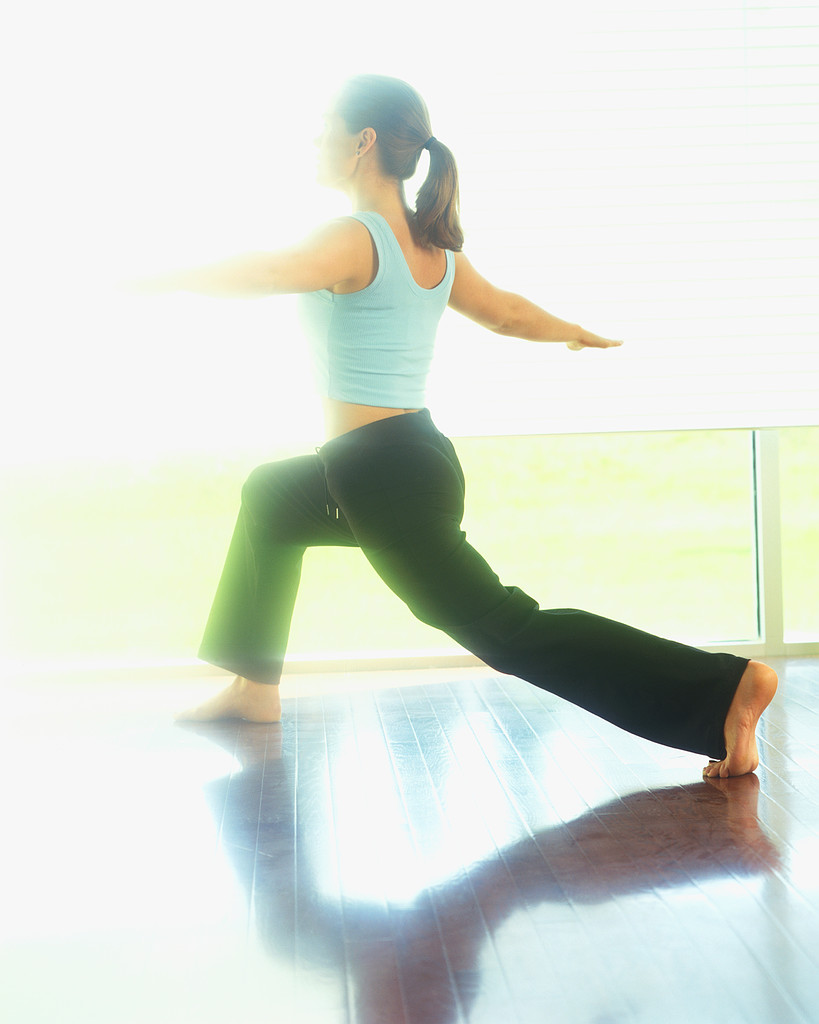
Here are some surprising health benefits of practicing yoga that you may have never known!
Relief of Back Pain: More than 60 million Americans suffer from chronic back pain. Yoga is one of the best exercises to help alleviate pain. This is due to the increase in core stability (abdominal muscles) and the reduction of pressure across the lower back and surrounding muscles. Yoga also helps to release endorphins throughout the body that can calm inflammation. Practicing yoga for just two sessions a week may reduce or even eliminate back pain. Many individuals also report an increase in pain tolerance after attending sessions for only three weeks.
Heart Healthy: Further research also demonstrates that even one yoga session can produce a calming effect on the body, and individuals in one study showed reduction in their systolic blood pressure after only 12 weeks of two yoga sessions per week. Additionally, incorporating yoga into a cardiac rehabilitation program after a heart attack or bypass surgery has also shown promise in maintaining lower levels of stress and healthy blood pressure levels.
Increased Flexibility: You may be thinking, “No Duh”, on this one, but the benefits may be surprising. Practicing poses like downward dog, and tree pose can improve balance and flexibility. This can directly strengthen and protect your larger joints (knees, hips, back, neck) from injury and reduce inflammation in the smaller joints (fingers and ankles). This can also help reduce falls in the elderly, and ultimately avoid fractures in this age group.
Mood Booster: In addition to mental clarity and relaxation, yoga has been shown to improve depression, anxiety, and chronic stress. A small German study reviewed in theHarvard Mental Health Letter demonstrated that at the end of a three-month period, women perceived less stress, depression, anxiety, and fatigue. A few yoga classes could leave you happier and less stressed. Increased happiness alone is reason enough to give it a try!
As with any new exercise, always consult your physician before you begin. This is to ensure your body can safely complete the activity. I also recommend you attend a beginner class or view a video with some common poses. This will make you feel more confident during your first class and ensure you obtain the most benefit.
-
Photos
I am a Creative Arts Therapist who has been using a digital a camera for the last 5 years or so. As a relatively new photographer I use my life experience coupled with the advantages of a DSLR to snap shots that are, at times, appealing to me and on occasion others as well. Luckily, since I don’t use film, I have been able to afford to shot ten of thousands of images in the last 10 years, some of which are here. Click image to enlarge.



-
Scientist Seeks Neural And Biological Basis For Creativity, Beauty And Love
One of the world’s leading neuroscientists is to search for the neural and biological basis for creativity, beauty and love after receiving over £1 million from the Wellcome Trust, the UK’s largest medical research charity. The research will bring together science, the arts and philosophy to answer fundamental questions about what it means to be human.
Professor Semir Zeki from University College London (UCL) has received a Wellcome Trust Strategic Award to establish a programme of research in the new field of “neuroaesthetics”. The research will build on his previous work into the neural mechanisms behind beauty and love.
Together with Professor Ray Dolan, Director of the Wellcome Trust Centre for Neuroimaging at UCL, Professor Zeki will look at questions that have been debated for millennia by writers, artists and philosophers and yet have been little studied by neurobiologists: Can we measure beauty objectively” How are beauty and love related” What does it mean to be happy”
“All human societies place a high premium on art and the pursuit of beauty,” says Professor Zeki. “We all value and reward creativity. We all want to pursue happiness. But what do these entities mean in concrete, neurobiological terms” We hope to address these issues experimentally. The results will not only increase our knowledge about the workings of the human brain but will also give deep insights into human nature and how we view ourselves.”
Neuroesthetics aims to illuminate the brain’s workings through its cultural products in a similar way to how neuroscientists study the brain through malfunctions caused by disease. However, Professor Zeki believes its impact may be much wider.
“The new field of neuroaesthetics will teach biologists to use the products of the brain in art, music, literature and mathematics to better understand how the brain functions,” he says. “Success will encourage an interdisciplinary approach to other fields, such as the study of economics or jurisprudence in terms of brain activity. This will have a deep impact on social issues.”
Using Wellcome Trust funding, Professor Zeki hopes to attract students and researchers from the sciences, arts and humanities in truly interdisciplinary research. Their work will be overseen by an Advisory Board that will include author AS Byatt, physician, opera producer and broadcaster Sir Jonathan Miller and Dr. Deborah Swallow, Director of the Courtauld Institute of Art, London.
“Professor Zeki is a Renaissance Man for the twenty-first century,” says Professor Richard Morris, Head of Neurosciences and Mental Health at the Wellcome Trust. “His research sees no boundaries between science and the arts and humanities and will provide an exciting insight in issues that strike at the heart of what it is to be human.” -
Mala Rodríguez – Quien Manda
-
Dragonfly

-
Coloring Page Persian Cats


 RichardbBrunner