-
A journey along the River Ganges part 2
A spiritual journey along the River Ganges collecting sounds & stories from among the 400 million who live and work on its banks. Audio HERE

-
Flummoxing researchers
Today’s phrase for the day is “flummoxing researchers”. A Google search resulted in a whooping 2,860,000 results. Today I will endeavor to flummox a researcher.

-
live
“We do not think ourselves into new ways of living, we live ourselves into new ways of thinking.” Richard Rohr, from Everything Belongs
-
Meditation Reduces Anxiety
Scientists at Wake Forest Baptist Medical Center have identified the brain functions involved in how meditation reduces anxiety.

The team wrote in the journal Social Cognitive and Affective Neuroscience about how they studied 15 healthy volunteers with normal levels of everyday anxiety. They said these individuals had no previous meditation experience or anxiety disorders.
The participants took four 20-minute classes to learn a technique known as mindfulness meditation. In this form of meditation, people are taught to focus on breath and body sensations and to non-judgmentally evaluate distracting thoughts and emotions.
“Although we´ve known that meditation can reduce anxiety, we hadn´t identified the specific brain mechanisms involved in relieving anxiety in healthy individuals,” said Dr. Fadel Zeidan, Ph.D., postdoctoral research fellow in neurobiology and anatomy at Wake Forest Baptist and lead author of the study. “In this study, we were able to see which areas of the brain were activated and which were deactivated during meditation-related anxiety relief.”

The researchers found that meditation reduced anxiety ratings by as much as 39 percent in the participants.
“This showed that just a few minutes of mindfulness meditation can help reduce normal everyday anxiety,” Zeidan said.
Fadel and colleagues were also able to reveal that meditation-related anxiety relief is associated with activation of the anterior cingulate cortex and ventromedial prefrontal cortex, which are areas of the brain involved with executive-level function.
“Mindfulness is premised on sustaining attention in the present moment and controlling the way we react to daily thoughts and feelings,” Zeidan said. “Interestingly, the present findings reveal that the brain regions associated with meditation-related anxiety relief are remarkably consistent with the principles of being mindful.”
He said the results of this neuroimaging experiment complement that body of knowledge by showing the brain mechanisms associated with meditation-related anxiety relief in healthy people.
 Scientists wrote in the journal Frontiers in Human Neuroscience in November 2012 about how meditation has lasting emotional benefits. They found that participating in an eight-week meditation training program could have measurable effects on how the brain functions, even when someone is not actively meditating. The team used two forms of meditation training and saw some differences in the response of the amygdala, which is the part of the brain known to be important for emotion.
 -
Art therapy brings comfort to Jordan’s orphans
After a busy art session, the classroom at Amman’s al-Hussain Social Institution buzzed with energy, as children dashed around to clean up supplies, admire their paintings and pose in the decorated masks they designed.These young artists have come a long way over the past few months. Aged between six and 12, the children recently completed an art therapy programme – the first of its kind – designed to aid Jordan’s orphans. The weekly sessions of painting, gluing and building provided an atmosphere of organised chaos, during which they filled canvases with the anxieties and hopes that might otherwise be difficult to express.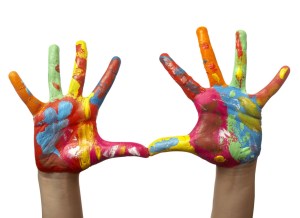 “It’s like regular therapy, except you use art as a medium,” art therapist and programme founder Shireen Yaish told Al Jazeera. “It’s great for those who find it difficult to verbalise things – it’s about making the unconscious conscious, in a way. My job is to make people understand what they’re making.”As the weeks progressed, the children participating in this programme run by the Kaynouna Art Therapy Centre came out of their shells and developed great enthusiasm for their artwork, Yaish said. Supported by the al-Aman Fund for the Future of Orphans and the Abdul Hameed Shoman Foundation, the programme also exposed the profound needs of some of Jordan’s most vulnerable children. MORE HERE
 -
Noemi – La borsa di una donna
-
Art therapy: a world beyond #creativeexpression | Carol Hammal | TEDx
-
Leaves and shadows
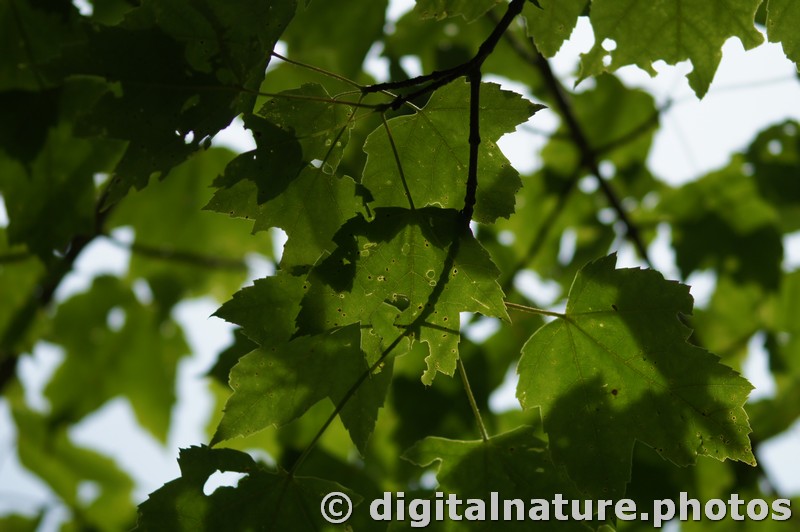
SONY DSC
-
A journey along the River Gange
A spiritual journey along the River Ganges collecting sounds & stories from among the 400 million who live and work on its banks. Audio HERE
-
heart disease & drinking
Can you drink if you have heart disease? Moderate drinking should be OK, if your doctor approves, but you shouldn’t count on alcohol to be a major part of your heart health plan.
“If you don’t drink alcohol now, there is no reason to start,” says Mark Urman, MD, a cardiologist at Cedars-Sinai Heart Institute in Los Angeles.
It’s true that there have been studies linking drinking small amounts of alcohol — no more than two drinks a day for men and one drink a day for women — to better heart health.
But the exact link isn’t clear. Those studies don’t prove that the alcohol (whether it was wine, beer, or liquor) was the only thing that mattered.

Other lifestyle habits could have been involved, the American Heart Association notes. Or the important thing could have been nutrients that are in grapes, which you can get from the grapes themselves, without drinking wine.
“One drink a day is probably healthy for people with heart disease and those without it,” says James Beckerman, MD, a cardiologist at Providence St. Vincent Heart Clinic Cardiology in Portland, OR.
But whether or not you drink, you also need to keep the rest of your diet healthy, not smoke, and get regular exercise. Read More.


 RichardbBrunner