-
Nessa Rua
-
dreams
“Don’t look for your dreams to come true; look to become true to your dreams.” Michael Beckwith
-
Exercise reorganizes the brain to be more resilient to stress
Physical activity reorganizes the brain so that its response to stress is reduced and anxiety is less likely to interfere with normal brain function, according to a research team based at Princeton University.
The researchers report in the Journal of Neuroscience that when mice allowed to exercise regularly experienced a stressor — exposure to cold water — their brains exhibited a spike in the activity of neurons that shut off excitement in the ventral hippocampus, a brain region shown to regulate anxiety.
These findings potentially resolve a discrepancy in research related to the effect of exercise on the brain — namely that exercise reduces anxiety while also promoting the growth of new neurons in the ventral hippocampus. Because these young neurons are typically more excitable than their more mature counterparts, exercise should result in more anxiety, not less. The Princeton-led researchers, however, found that exercise also strengthens the mechanisms that prevent these brain cells from firing.
-
Psychology RSS News Feeds
I try and keep up on the latest news in the world of psychology using RSS feeds on the homepage of my web browser. Lots of articles and tidbits which on occasion lead me to more research on subjects that I care about. All of the feeds listed here can be either read at the site or subscribed to as an RSS feed.
Psycport is an on-line news clipping service from the American Psychological Association (APA) that scans news headlines from around the globe for stories that have a psychological connection.
Psychology Today has more general interest psychology related stories.
New Scientist: Being Human has interesting stories that range from neuroscience to anthropology that relate to ….. well … being human.
Scientific American Mind and Brain very similar to New Scientist but more neuroscience articles.
-
Etze li ha’Shuka – SHEFITA [the market song]
-
Your brain’s creativity
-
Grasses and Flowers
 SONY DSC
 SONY DSC
 -
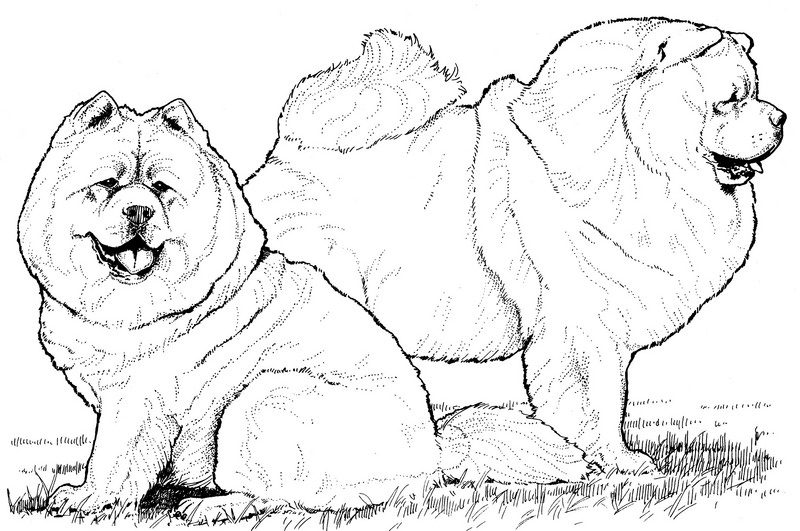
Coloring Page Chow Chow
-
Fifty years ago a demo of the future
FIFTY YEARS AGO today, Doug Engelbart showed 2,000 people a preview of the future.
Engelbart gave a demonstration of the “oN-Line System” at the Fall Joint Computer Conference in San Francisco on Dec. 9, 1968. The oN-Line System was the first hypertext system, preceding the web by more than 20 years. But it was so much more than that. When Engelbart typed a word, it appeared simultaneously on his screen in San Francisco and on a terminal screen at the Stanford Research Institute in Menlo Park. When Engelbart moved his mouse, the cursor moved in both locations.
The demonstration was impressive not just because Engelbart showed off Google Docs-style collaboration decades before Google was founded. It was impressive because he and his team at SRI’s Augmentation Research Center had to conceive of and create nearly every piece of technology they displayed, from the window-based graphical interface to the computer mouse. Read the rest HERE

-
All in the Mind: The Animal Mind Audio
From All in the Mind and Australian Broadcasting : Most of us have an intuitive feeling that our pet dogs or cats have thoughts and even feel emotions—but did you know that ants can teach, rats have a sense of humor, chimpanzees can deceive and elephants grieve? Scientists are discovering that animals’ cognitive and emotional processes are far more sophisticated than we once thought. Listen/Download the audio here.




 RichardbBrunner