-
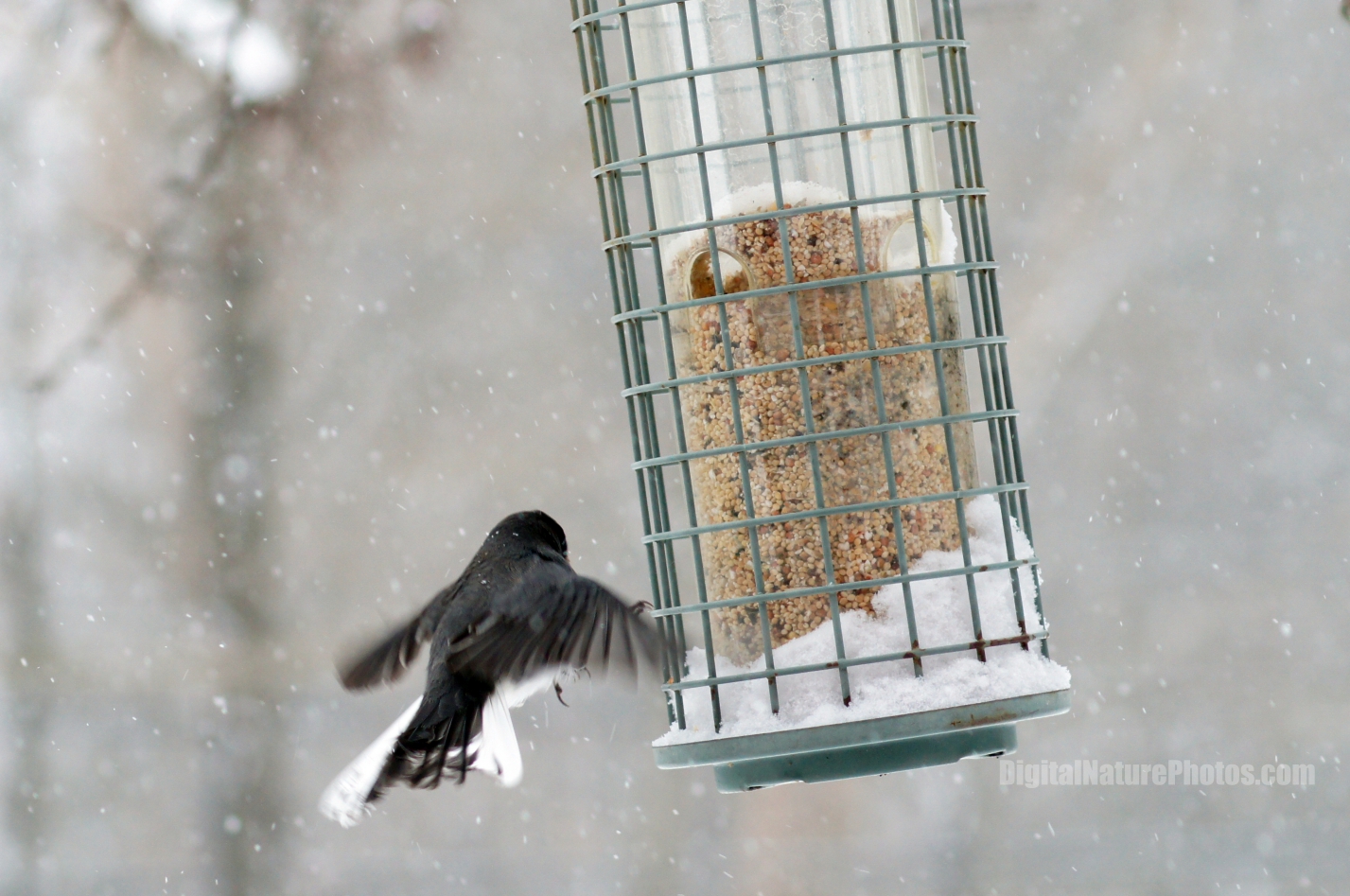
Late snow and bird
-
U.S. Poverty: By the Numbers
U.S. poverty (less than $17,916 for a family of three): 46.2 million people, 15.1 percent.

Children in poverty: 16.1 million, 22 percent of all children, including 39 percent of African-American children and 34 percent of Latino children. Poorest age group in country.
Deep poverty (less than $11,510 for a family of four): 20.4 million people, 1 in 15 Americans, including more than 15 million women and children
People who would have been in poverty if not for Social Security, 2011: 67.6 million
(program kept 21.4 million people out of poverty)People in the U.S. experiencing poverty by age 65: Roughly half
Gender gap, 2011: Women 34 percent more likely to be poor than men
Gender gap, 2010: Women 29 percent more likely to be poor than men
Twice the poverty level (less than $46,042 for a family of four): 106 million people, more than 1 in 3 Americans
Jobs in the U.S. paying less than $34,000 a year: 50 percent
Jobs in the U.S. paying below the poverty line for a family of four, less than $23,000 annually: 25 percent
Poverty-level wages, 2011: 28 percent of workers
Percentage of individuals and family members in poverty who either worked or lived with a working family member, 2011: 57 percent
Families receiving cash assistance, 1996: 68 for every 100 families living in poverty
Families receiving cash assistance, 2010: 27 for every 100 families living in poverty
Impact of public policy, 2010: Without government assistance, poverty would have been twice as high — nearly 30 percent of population
Percentage of entitlement benefits going to elderly, disabled or working households: Over 90 percent.
Number of homeless children in U.S. public schools: 1,065,794
Annual cost of child poverty nationwide: $550 billion
Federal expenditures on home ownership mortgage deductions, 2012: $131 billion
Federal funding for low-income housing assistance programs, 2012: Less than $50 billion
-
Paper making
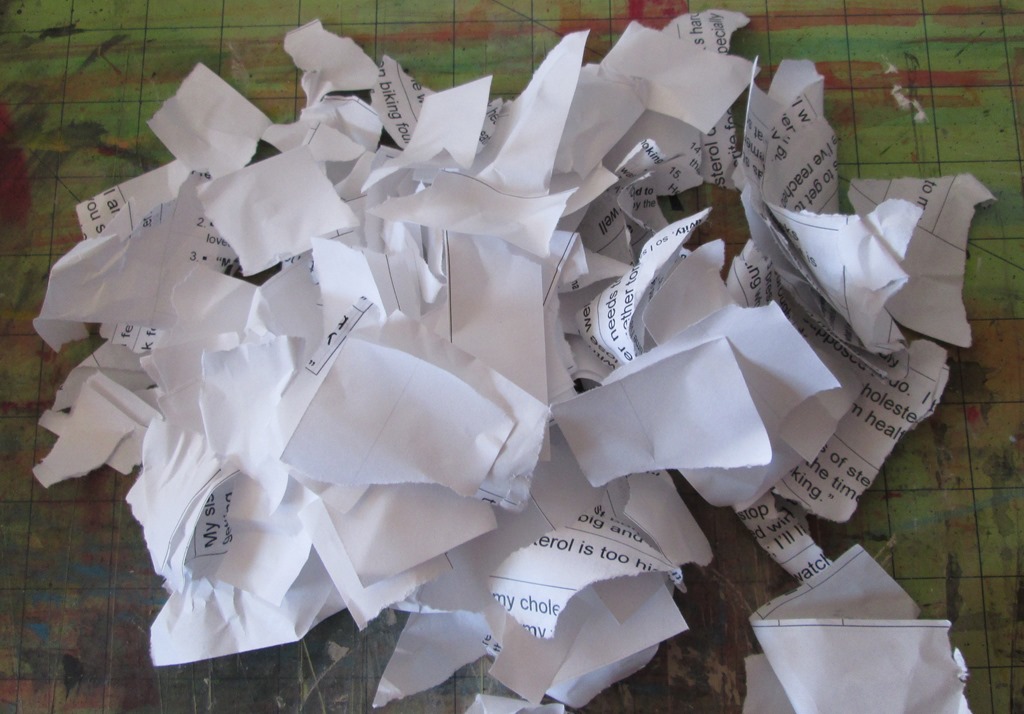
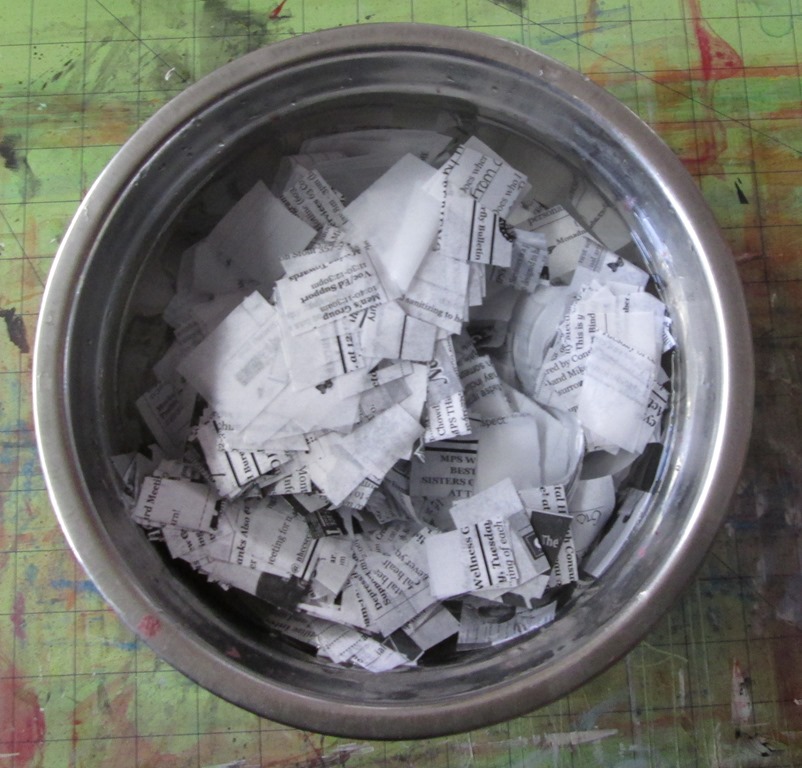
I have been making paper for quite a few years both with therapy groups and for my own enjoyment. This particular batch was made up of
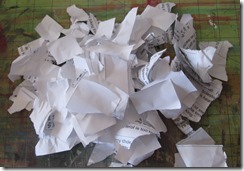 recycled handouts that I cut and ripped up into roughly 1 x 1 inch pieces.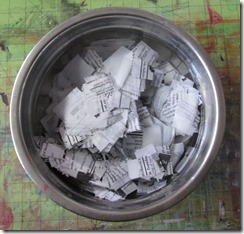
I next decided to soak the ripped paper in a bowl of water for a few hours to help loosen the fibers in the paper
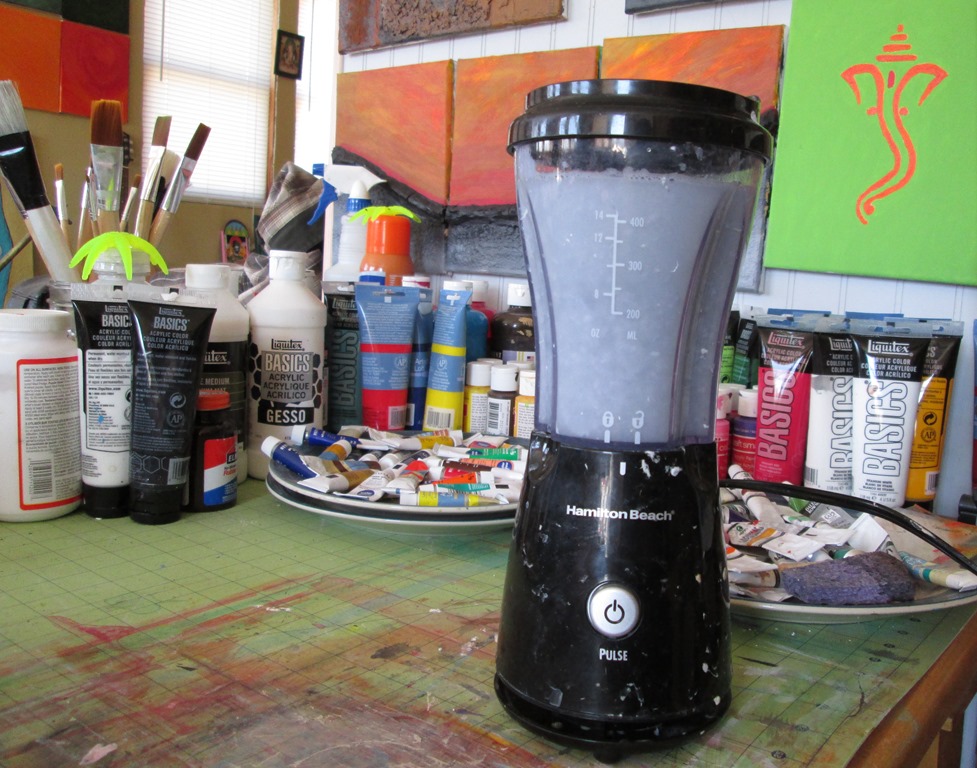
Next
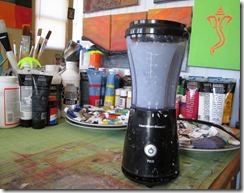 I used my trusty little blender to chop up the paper and turn it into pulp. Instead of pouring the pulp into a tray of water and using a deckle to ‘fish’ the fibers on to a mold or frame I poured the pulp directly into a strainer, removed most of the water and than ‘sculpted’ the pulp around a cylinder form. The last photo is of some of the finished 1/2 cylinders and some brown craft paper that I also made that day using a regular deckle.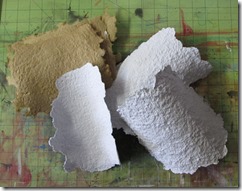
-
find it
“If you find it in your heart to care for somebody else, you will have succeeded.” Maya Angelou

-
small things

Do not wait for leaders; do it alone, person to person. Be faithful in small things because it is in them that your strength lies. Mother Teresa
-
Meditation can relieve pain
Meditation can relieve pain, and it does so by activating multiple brain areas, according to an April 2011 study in the Journal of Neuroscience. Fadel Zeidan of Wake Forest University and his colleagues scanned people’s brains as they received uncomfortably hot touches to the leg. When subjects practiced a mindful meditation technique that encourages detachment from experience while focusing on breathing, they reported less pain than when they simply paid attention to their breathing. Likewise, different patterns of brain activity emerged under the two conditions, with mindful meditating resulting in more activity not only in executive centers that evaluate experiences and regulate emotions but also in lower regions that control the signals coming from the body.
The volunteers learned the meditation technique in only four 20-minute sessions, which means this pill-free analgesia could be a feasible way to help real patients suffering from pain. “People can reap some of the benefits of meditation without extensive training,” Zeidan says.
When I work with patients using mindfulness I start by asking who has experience with any type of meditation, breathing techniques and/or relaxation exercises. We than have a brief explanation and question and answer period and I focus on removing any doubt, fear, or skepticism. I usually than do a 10 to 12 minute body scan moving right into a mindful meditation that focuses on the breath.
With the co-occurring patients I work with this process seems to work the best. The chat in the beginning warms people up, the body scan relaxes which helps the meditators enter into a more meditative state.
-
Meditation for as short as 8 weeks can change your brain
Participants in the study spent close to a half-hour every day meditating or practicing some other mindfulness exercise (notable because most people associate meditation with sitting and thinking quietly, and that’s not the only type of exercise done in the study) for about eight weeks. They got MRIs of their brains before and after the eight week exercise, and when the study was over, many of the study’s 16 participants showed significant changes in the areas of the brain associated with behavior, memory, and stress. For more click the link below.
http://lifehacker.com/5989078/how-meditating-for-eight-weeks-can-boost-your-brain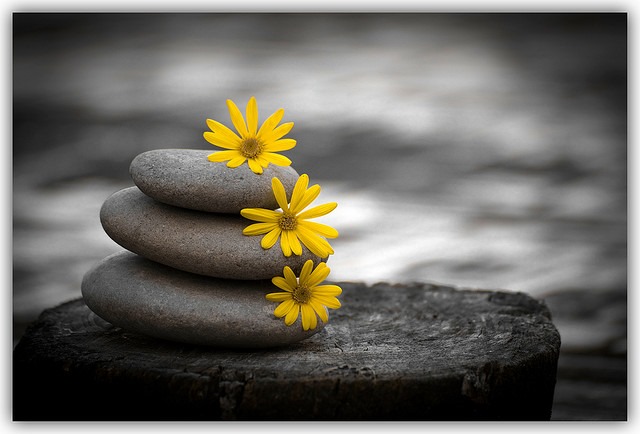
-
Nonpalidece – En el aire
-
Meditation has Long-term Effects on the Brain
According to scientists from Harvard and Boston University, meditation produces enduring changes in emotional processing in the brain according to an article published in November of 2012 in the journal Frontiers in Human Neuroscience.
Researchers trained people with one of two different types of meditation, mindful meditation and compassionate meditation over an 8 week period. They measured activity in the brain using functional MRIs 3 weeks before the study and at 3 weeks after and noted what happened to areas of the brain related to compassion. They found the those people who learned compassionate meditation had a different and more loving response 3 weeks after the course even when not meditating.
-
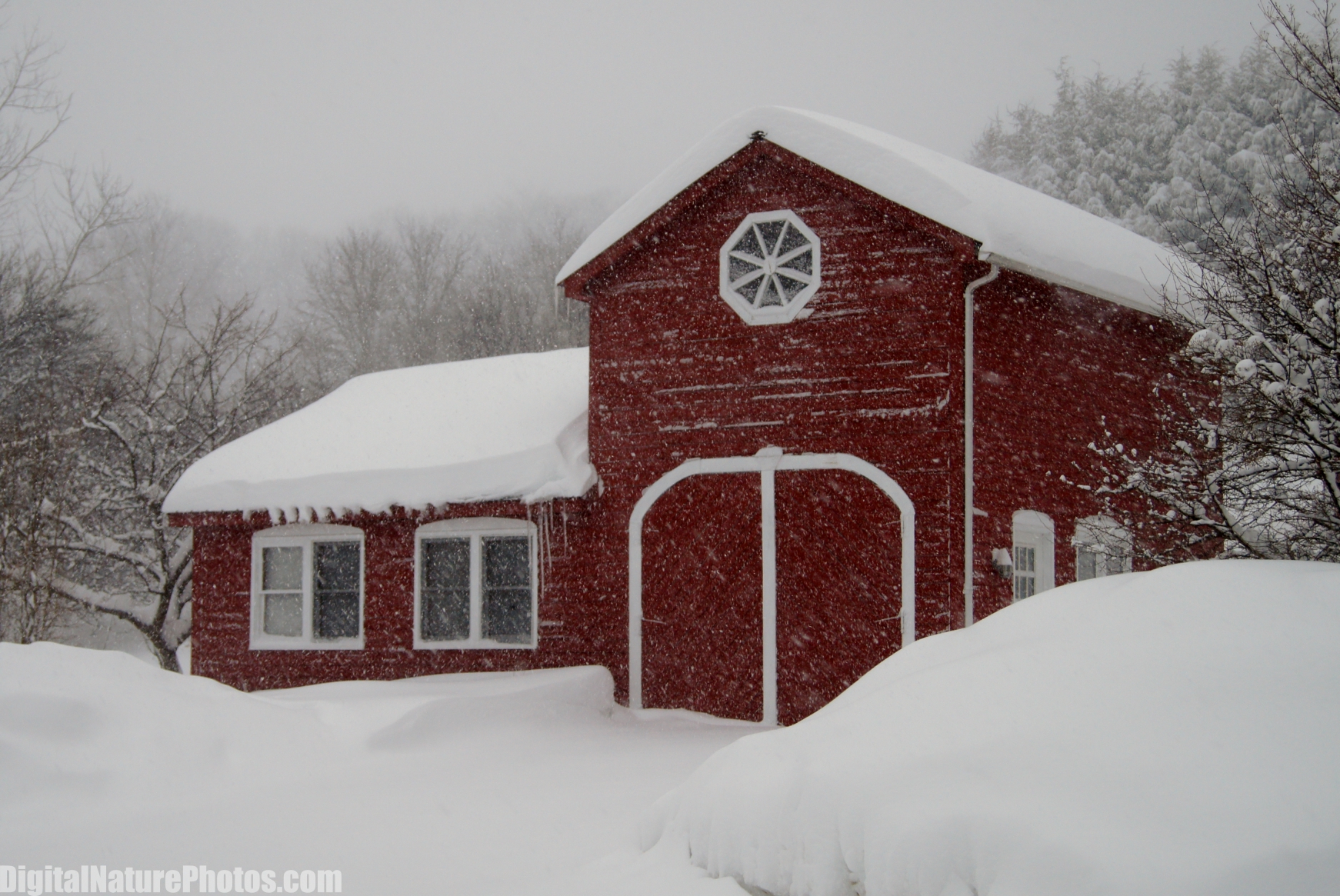
Heavy snowfall in February 2013




 RichardbBrunner