-
Joseph Campbell the Art of Living
“Nietzsche was the one who did the job for me. At a certain moment in his life, the idea came to him of what he called ‘the love of your fate.’ Whatever your fate is, whatever the hell happens, you say, ‘This is what I need.’ It may look like a wreck, but go at it as though it were an opportunity, a challenge. If you bring love to that moment—not discouragement—you will find the strength is there. Any disaster you can survive is an improvement in your character, your stature, and your life. What a privilege! This is when the spontaneity of your own nature will have a chance to flow.“
“Then, when looking back at your life, you will see that the moments which seemed to be great failures followed by wreckage were the incidents that shaped the life you have now. You’ll see that this is really true. Nothing can happen to you that is not positive. Even though it looks and feels at the moment like a negative crisis, it is not. The crisis throws you back, and when you are required to exhibit strength, it comes.”
Joseph Campbell, A Joseph Campbell Companion: Reflections on the Art of Living.

-
MusicMonday: Ximena Sariñana – “Sin Ti No Puede Estar Tan Mal”
-
Japanese Textile Designs 69

-
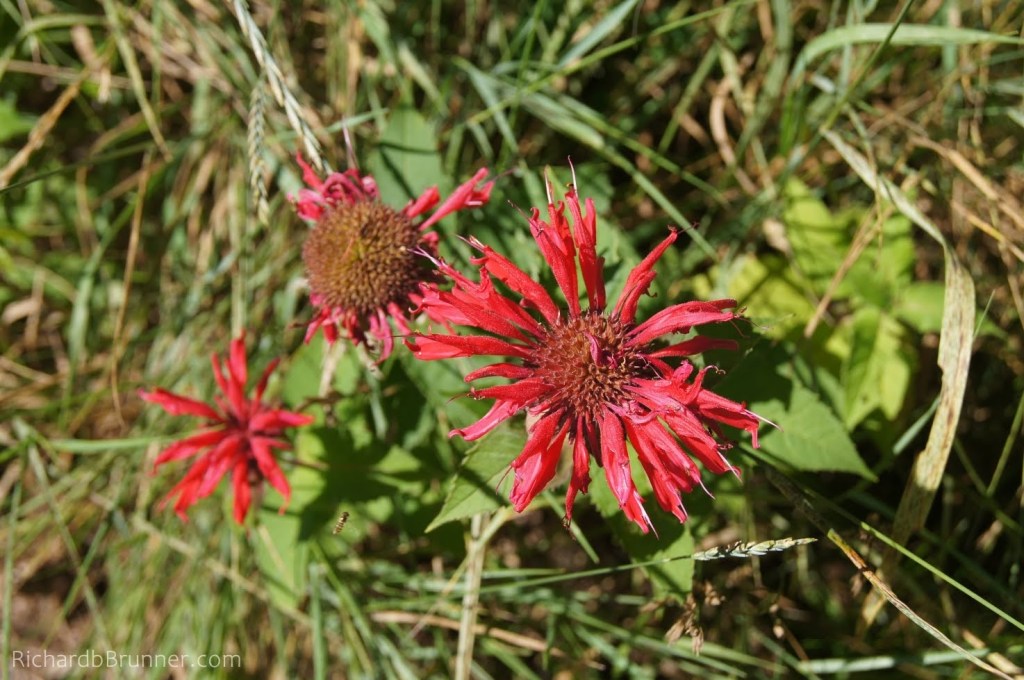
Archives: Fall flower changed
From my photo collection. Shot on Sony a6300 and Note10.






-
ScienceDaily: Fentanyl overdoses among older adults
This free and open source article discusses poly-substance use and opioids.
In my groups I worked with a handful of seniors with substance use disorder: opioids. Most were also dealing with pain management issues as well.
As a senior, addict (cannabis), and in chronic pain I could never quite grasp (then or now) or considered the idea/use of poly-substances. And it didn’t matter, not understanding the complexities of behaviors didn’t prevent me from providing care to all.Fentanyl overdoses among seniors surge 9,000% — A hidden crisis few saw coming.
Fentanyl-stimulant overdoses is claiming the lives of older adults at unprecedented rates. Link below.https://www.sciencedaily.com/releases/2025/10/251012054606.htm
-
Are rare earth metals rare?
No, rare earth metals are not “rare” in the sense of being scarce in the Earth’s crust; they are relatively abundant, often more so than metals like gold.
The name is a misnomer because they are difficult and costly to extract and process. This is because they are rarely found in concentrated deposits, but are widely dispersed and mixed with other minerals.
Abundance: Many rare earth elements are as abundant as common metals like copper or nickel.
Extraction challenges: It is difficult to extract them because they are not found in high concentrations in any single location. They are usually found mixed together or with radioactive elements, making separation costly and energy-intensive.
Supply chain issues: The mining and processing of rare earths are concentrated in a few countries, particularly China, which can lead to supply chain vulnerabilities. -
MusicMonday-Yo-Yo Ma Earth Hymn
-
Watch: COVID & Fall Vaccines 2025: What Older Adults Should Know
-
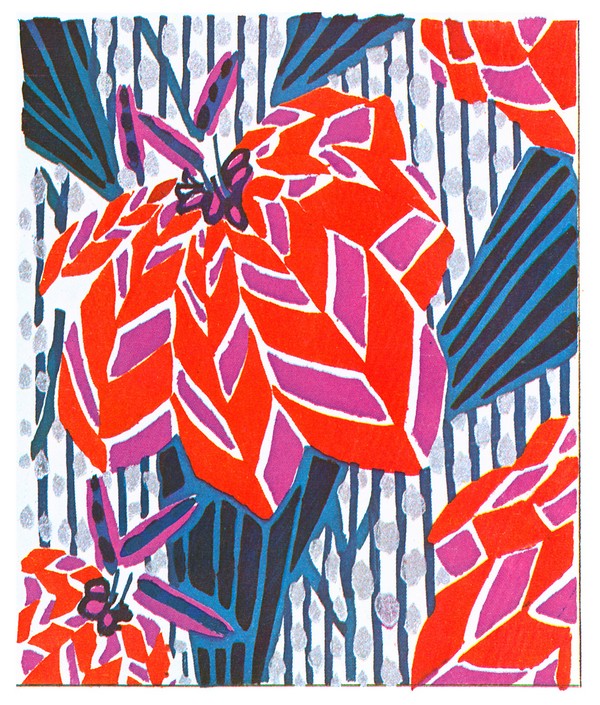
Seguy Art Deco Designs 73
-
Archives: NH studio apt the drum corner

Former studio apt in NH. Twelve windows in a 20′ x 14′ apt. Looking east. Sony A35 October 2012. When I moved to NH in 2007 I sold my congos, but kept the bongos and the other drums were accumulated while living and working in New Englandia.

 RichardbBrunner