-
Grateful for Wind

I am grateful for Wind. It carries scent, to me and from me. The Wind moves the grass, trees, water, rocks. It’s Wind even now. -
Watch: Creativity and the brain: How the arts can shape well-being
-
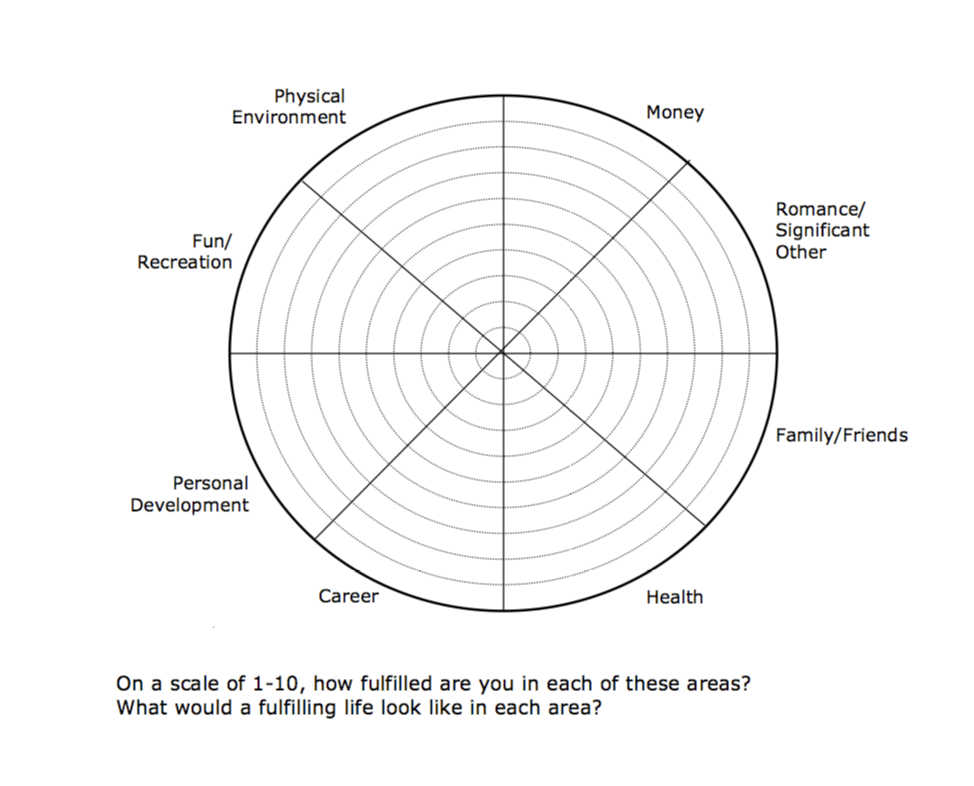
What works and will work for you handout
With this handout I usually had folks write in the category areas what worked for them, what didn’t work, and what will work in the future.
-
My Fav Songs of 2022: Kae Tempest – No Prizes
-
Grateful for Stillness
This week I am grateful for Stillness, after the Silence-ness of last week.
When you are still, with your breath, with your body, with your thoughts …. every-things are still-moving. Fast, slow, swirling, wiggling, inhaling, exhaling, even the biggest thing is small and sometimes the smallest thing seems big …. just be Still-ness.

-
Cognitive Distortions
A basic handout I have used with groups. Ideally I use handouts only to get a conversation going. The handout becomes a frame work for people to open up and start sharing.
Cognitive Distortions and Strategies to dispute them
- Personalizing: When you blame yourself entirely as the cause of something or blame someone else as the sole reason why something happens . “It’s my fault ” “It’s his/her fault.”
Strategy: Don’t look for blame. Find other causes. List other possibilities.
- All or nothing/black and white thinking: When you use extreme terms, “all”, “never”, “none”, “everybody”, “no one”. Also watch for “can’t”.
Strategy: Look for gray areas. Modify your language by substituting less extreme terms such as “some”, “often”, “most”.
- Catastrophizing: When you predict or expect the worst will happen.
Strategy: Expect more positive outcomes and possibilities.
- Should-ing: When you refer to (or rely on) your list of inflexible rules of acceptable behavior and believe you’re guilty or unworthy if you violate the rules. Or, when you get angry with others if they break the (your) rules. This results in “always having to be right “, or being “super human” or “perfect”.
Strategy: Change your language: “I should/must” to “I’d prefer” or “I’d rather”.
- Over-generalizing: When you make an overall assessment based on one example or incident.
Strategy: Remember that no one situation can exactly predict future outcomes. Look for individuality in each case. Remember that possibilities may exist that have not existed before by recognizing that you have the ability to change, and that things are always changing.
- Fallacy of fairness: When you expect things to work out based on some unseen system of “karma”, balance, morality, payback, justice, or what “should be fair”.
Strategy: Change your expectations. There is no inherent system of fairness. Things can happen for no apparent reason.
- Labeling/Name calling: When you attach powerful words or labels to yourself or others as if those words describe you, or them, or the situation completely. “This day is terrible”, or I’m stupid”.
Strategy: Define the term, see if it is really accurate. Use only accurate terms. Avoid intense labeling and name-calling. Use less weighted, destructive or inflammatory words. Are you using a double standard? Are you judging yourself more harshly than others would judge you or than you would judge others?
- Emotional reasoning: When you use your emotions or feelings as proof of how things are. “I feel so sad; things must be hopeless”.
Strategy: Evaluate the evidence objectively. Feelings are not proof of how things are or will be. Recognize that emotions change.
- Mind-reading: When you know what others are thinking and why they act the way they do. Particularly, you “know” how people think and feel about you.
Strategy: Seek other explanations for why people behave the way they do. Don’t assume. Check it out. Ask for their thoughts, opinions and feedback. Remind yourself that you don’t know what they are thinking.
- Disqualifying the positive: When you devalue anything “good” in a particular situation in light of the “bad”.
Strategy: Make an accurate assessment. See that “negatives” or “shortcomings” don’t erase strengths and assets, but that these can co-exist.
- Comparing: When you measure yourself against others, focusing on their accomplishments and attributes, or when you compare yourself to your own ideal.
Strategy: One can’t compare apples and oranges. We’re all different with different qualities. We can usually find somebody who may be “better” in some way. So what? That doesn’t help. Focus on your own inherent worth and aspirations instead.

- Personalizing: When you blame yourself entirely as the cause of something or blame someone else as the sole reason why something happens . “It’s my fault ” “It’s his/her fault.”
-
My fav Songs of 2022: Nemahsis – dollar signs
-
Anger Group
 Once a week I facilitate a anger management group. I use a variety of handouts and activities to have a process oriented group interaction. One of the hand outs I use is below. I use it in 1 of 2 ways. I have folks fill it out first and then we discuss or we go through it together and discuss. We explore as a group, learning from each other.
ANGER WORDS
anger disgust grumpiness rage aggravation dislike hate resentment agitation envy hostility revulsion annoyance exasperation irritation scorn bitterness ferocity jealousy spite contempt frustration loathing torment cruelty fury mean-spiritedness vengefulness destructiveness grouchiness outrage wrath
Other:_________________________
Prompting Events for Feeling Anger
Losing power.
Losing status.
Losing respect.
Being insulted.
Not having things turn out the way you expected.
Experiencing physical pain.
Experiencing emotional pain.
Being threatened with physical or emotional pain by someone or something.
Having an important or pleasurable activity interrupted, postponed, or stopped.
Not obtaining something you want (which another person has).
Other:_______________________________
Interpretations That Prompt Feelings of Anger
Expecting pain.
Feeling that you have been treated unfairly.
Believing that things should be different.
Rigidly thinking “I’m right.”
Judging that the situation is illegitimate, wrong, or unfair.
Ruminating about the event that set off the anger in the first place, or in the past.
Other:____________________________
Experiencing the Emotion of Anger
Feeling incoherent.
Feeling out of control.
Feeling extremely emotional.
Feeling tightness or rigidity in your body.
Feeling your face flush or get hot.
Feeling nervous tension, anxiety or discomfort.
Feeling like you are going to explode.
Muscles tightening. .
Teeth clamping together, mouth tightening.
Crying; being unable to stop tears.
Wanting to hit, bang the wall, throw something, blow up.
Other:__________________________
Expressing and Acting on Anger
Frowning or not smiling; mean or unpleasant facial expression.
Gritting or showing your teeth in an unfriendly manner.
Grinning.
A red or flushed face.
Verbally attacking the cause of your anger; criticizing.
Physically attacking the cause of your anger.
Using obscenities or cursing.
U sing a loud voice, yelling, screaming, or shouting.
Complaining or bitching; talking about how lousy things are.
Clenching your hands or fists.
Making aggressive or threatening gestures.
Pounding on something, throwing things, breaking things.
Walking heavily or stomping; slamming doors, walking out.
Brooding or withdrawing from contract with others.
Other:_____________________
Aftereffects of Anger
Narrowing of attention.
Attending only to the situation making you angry.
Ruminating about the situation making you angry and not being able to think of anything else.
Remembering and ruminating about other situations that have made you angry in the past.
Imagining future situations that will make you angry.
Depersonalization, dissociative experience, numbness.
Intense shame, fear, or other negative emotions.
Other:______________________
-
Top Songs I listen to in 2022: Snatam Kaur-Ang Sang WaaheGuru
-
Grateful for La Luna
Today I am grateful for La Luna. Many a beauty and full hours have had are will spend spent anticipate love and harmony with

Moon over the innerstate 
Moon peeking through the clouds


