Tags

08 Monday Jul 2019
Tags
07 Sunday Jul 2019
Tags
One way of getting the creative juices flowing and being creative is changing how you see things. You can get closer or further away, look with one eye closed, tilt your head, turn the object upside down (or yourself), look during a different time of day, notice what the object reminds you of, notice any scents, texture, angles, weight, temperature of the object.
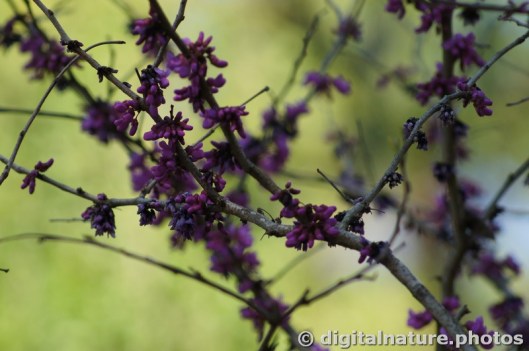
When I photograph I do all of those ways of seeing taking multiple shots from different angles, heights, spend and light adjustments. The photo below (click to enlarge) I took after walking through the woods and I sat down to rest. I was noticing the way the light was being blocked by the leaves and creating a spot light effect. Later when I got home and was comparing multiple shots of the same image I noticed that when I converted a shot to black and white it was nearly the same as the color shot. Wisps of color.


06 Saturday Jul 2019
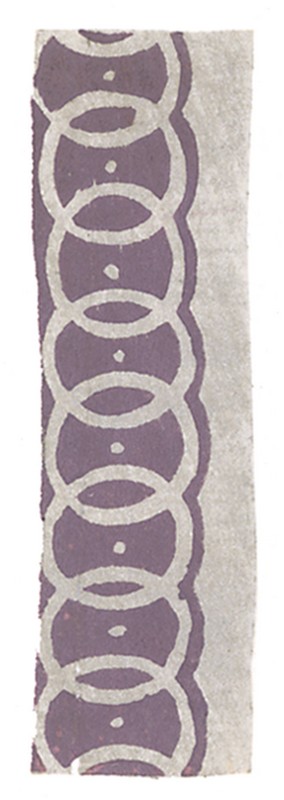
Posted by RichardB | Filed under Japanese Textile Designs
≈ Comments Off on Japanese Textile Designs 14
06 Saturday Jul 2019
05 Friday Jul 2019
Posted in photo
≈ Comments Off on infinitely creative
Tags

Nature is infinitely creative. It is always producing the possibility of new beginnings. – Marianne Williamson
05 Friday Jul 2019
Posted in animals
≈ Comments Off on Animals
04 Thursday Jul 2019

03 Wednesday Jul 2019
Many people hear “yoga”, and think Zen gardens, meditation, and free spirits. But you may be surprised to find that one recent study showed that those who incorporated yoga into their life had improved stress levels and lower blood pressure. Yoga was ultimately developed to combine controlled breathing and poses to achieve physical, mental, and spiritual strength and unity. In fact, Michelle Obama even attributes her sleek physique to frequent yoga sessions. There are multiple types of yoga, but Hatha Yoga is the most commonly practiced type in the United States.
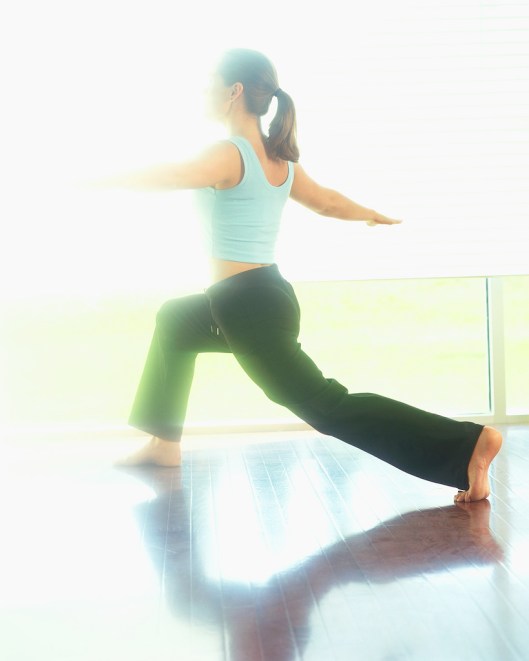
Here are some surprising health benefits of practicing yoga that you may have never known!
Relief of Back Pain: More than 60 million Americans suffer from chronic back pain. Yoga is one of the best exercises to help alleviate pain. This is due to the increase in core stability (abdominal muscles) and the reduction of pressure across the lower back and surrounding muscles. Yoga also helps to release endorphins throughout the body that can calm inflammation. Practicing yoga for just two sessions a week may reduce or even eliminate back pain. Many individuals also report an increase in pain tolerance after attending sessions for only three weeks.
Heart Healthy: Further research also demonstrates that even one yoga session can produce a calming effect on the body, and individuals in one study showed reduction in their systolic blood pressure after only 12 weeks of two yoga sessions per week. Additionally, incorporating yoga into a cardiac rehabilitation program after a heart attack or bypass surgery has also shown promise in maintaining lower levels of stress and healthy blood pressure levels.
Increased Flexibility: You may be thinking, “No Duh”, on this one, but the benefits may be surprising. Practicing poses like downward dog, and tree pose can improve balance and flexibility. This can directly strengthen and protect your larger joints (knees, hips, back, neck) from injury and reduce inflammation in the smaller joints (fingers and ankles). This can also help reduce falls in the elderly, and ultimately avoid fractures in this age group.
Mood Booster: In addition to mental clarity and relaxation, yoga has been shown to improve depression, anxiety, and chronic stress. A small German study reviewed in theHarvard Mental Health Letter demonstrated that at the end of a three-month period, women perceived less stress, depression, anxiety, and fatigue. A few yoga classes could leave you happier and less stressed. Increased happiness alone is reason enough to give it a try!
As with any new exercise, always consult your physician before you begin. This is to ensure your body can safely complete the activity. I also recommend you attend a beginner class or view a video with some common poses. This will make you feel more confident during your first class and ensure you obtain the most benefit.
03 Wednesday Jul 2019
I am a Creative Arts Therapist who has been using a digital a camera for the last 5 years or so. As a relatively new photographer I use my life experience coupled with the advantages of a DSLR to snap shots that are, at times, appealing to me and on occasion others as well. Luckily, since I don’t use film, I have been able to afford to shot ten of thousands of images in the last 10 years, some of which are here. Click image to enlarge.


02 Tuesday Jul 2019

01 Monday Jul 2019
30 Sunday Jun 2019
29 Saturday Jun 2019
29 Saturday Jun 2019
Tags
28 Friday Jun 2019
27 Thursday Jun 2019
Posted in live
≈ Comments Off on live

26 Wednesday Jun 2019
Posted in art, Meditation, mindfulness
≈ Comments Off on Meditation Reduces Anxiety
Tags
Scientists at Wake Forest Baptist Medical Center have identified the brain functions involved in how meditation reduces anxiety. 
The team wrote in the journal Social Cognitive and Affective Neuroscience about how they studied 15 healthy volunteers with normal levels of everyday anxiety. They said these individuals had no previous meditation experience or anxiety disorders.
The participants took four 20-minute classes to learn a technique known as mindfulness meditation. In this form of meditation, people are taught to focus on breath and body sensations and to non-judgmentally evaluate distracting thoughts and emotions.
“Although we´ve known that meditation can reduce anxiety, we hadn´t identified the specific brain mechanisms involved in relieving anxiety in healthy individuals,” said Dr. Fadel Zeidan, Ph.D., postdoctoral research fellow in neurobiology and anatomy at Wake Forest Baptist and lead author of the study. “In this study, we were able to see which areas of the brain were activated and which were deactivated during meditation-related anxiety relief.”

The researchers found that meditation reduced anxiety ratings by as much as 39 percent in the participants.
“This showed that just a few minutes of mindfulness meditation can help reduce normal everyday anxiety,” Zeidan said.
Fadel and colleagues were also able to reveal that meditation-related anxiety relief is associated with activation of the anterior cingulate cortex and ventromedial prefrontal cortex, which are areas of the brain involved with executive-level function.
“Mindfulness is premised on sustaining attention in the present moment and controlling the way we react to daily thoughts and feelings,” Zeidan said. “Interestingly, the present findings reveal that the brain regions associated with meditation-related anxiety relief are remarkably consistent with the principles of being mindful.”
He said the results of this neuroimaging experiment complement that body of knowledge by showing the brain mechanisms associated with meditation-related anxiety relief in healthy people.
 Scientists wrote in the journal Frontiers in Human Neuroscience in November 2012 about how meditation has lasting emotional benefits. They found that participating in an eight-week meditation training program could have measurable effects on how the brain functions, even when someone is not actively meditating. The team used two forms of meditation training and saw some differences in the response of the amygdala, which is the part of the brain known to be important for emotion.
25 Tuesday Jun 2019
Posted in Art Therapy, kids
≈ Comments Off on Art therapy brings comfort to Jordan’s orphans

24 Monday Jun 2019
Posted in Music
≈ Comments Off on Noemi – La borsa di una donna
24 Monday Jun 2019
Posted in Art Therapy, YouTube
≈ Comments Off on Art therapy: a world beyond #creativeexpression | Carol Hammal | TEDx
Tags





 RichardbBrunner