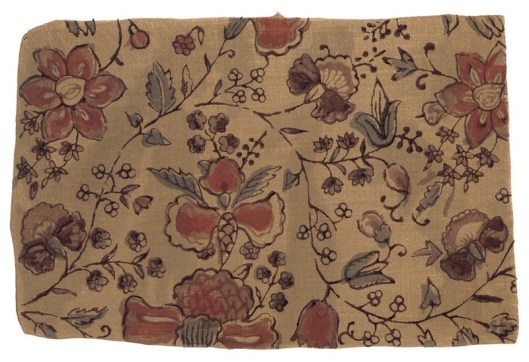
Posted by RichardB | Filed under Japanese Textile Designs
≈ Comments Off on Japanese Textile Designs 135

05 Saturday Oct 2019
Posted by RichardB | Filed under Japanese Textile Designs
≈ Comments Off on Japanese Textile Designs 135
05 Saturday Oct 2019
04 Friday Oct 2019
Tags
Creativity involves breaking out of established patterns in order to look at things in a different way. Edward de Bono

04 Friday Oct 2019
Posted in Dance Movement Therapy, Therapy
≈ Comments Off on Dance Movement Therapy
Dance Movement Therapy is a creative arts therapy rooted in the expressive nature of dance. Since dance/movement comes from the body it is considered the most fundamental of the arts and is a direct expression (and experience) of the self. Dance/movement is a basic form of authentic communication, and as such it is an especially effective medium for therapy.
 Dance/movement therapists (R-DMT or BC-DMT) work with individuals of all ages, groups and families in a wide variety of settings. They focus on helping their clients improve self-esteem and body image, develop effective communication skills and relationships, expand their movement vocabulary, gain insight into patterns of behavior, as well as create new options for coping with problems. Movement is the primary medium DMT’s use for observation, assessment, research, therapeutic interaction, and interventions.
DMT’s work in settings that include psychiatric and rehabilitation facilities, schools, nursing homes, drug treatment centers, counseling centers, medical facilities, crisis centers, and wellness and alternative health care centers.
03 Thursday Oct 2019
02 Wednesday Oct 2019
Posted in Addiction, Prescriptions, Wellness
≈ Comments Off on N.H. Ranks High In Prescriptions For Addictive Painkillers
New Hampshire doctors are among the nation’s most prolific prescribers of Oxycontin and other opioids, according to a government report released Tuesday that analyzed the state-by-state use of highly addictive painkillers.
The study by the Centers for Disease Control ranked the Granite State third, behind Maine and Delaware, for per-capita prescriptions of Oxycontin, fentanyl and other long-acting opioids in 2012, even as the state ranked relatively low – 39th – for overall opioid prescribing. Read more HERE
02 Wednesday Oct 2019
Posted in Meditation, mindfulness, Wellness
≈ Comments Off on What is Mindfulness?
Tags
What is Mindfulness?
Mindfulness is a concentrated state of awareness that can help us see and respond to situations with clarity and without getting carried away by emotions or the constant chatter in our heads. Mindfulness enables us to:
· Better manage tension and stress
· Enhance objectivity, mental focus
· Communicate and make decisions more effectively
· Improve productivity
· Quiet’s noise in the mind
Meditation
Meditation is the tool we use to cultivate mindfulness. With meditation, you intentionally pay attention to a particular object as a way to strengthen concentration. There are thousands of meditative techniques: Tai Chi, yoga, focusing on the breath and using a mantra are all examples. People often think that meditating “correctly” means clearing all thought from the mind. This is a myth. The mind never stops thinking – it’s when we get caught up in our thoughts that we lose mindfulness. By witnessing thoughts, allowing them to pass, and returning to your chosen object of focus, you can actually build the muscle of concentration. Think of meditation as a fitness routine for the mind.
Are there other benefits to mindfulness?
In addition to boosting brain power, numerous research studies have shown significant physical benefits including:
· Reduced blood pressure
· Lowered cholesterol levels
· Enhanced immune function
· Reduced headache, migraine, back pain
· Improved respiratory function
Mindfulness does not require a particular set of beliefs in order to learn and practice – it is a quality of mind, accessible and available to all.
Mindfulness allows us to live every moment fully without the filters of bias, judgment or emotional reaction.
Mindfulness helps the body cope with physical challenges such as headaches, back pain and even heart disease.
Mindfulness keeps us from reacting too quickly – it helps increase the gap between impulse and action.
01 Tuesday Oct 2019
Posted in cats, dogs, Pets, quote, Uncategorized
≈ Comments Off on love deeply
30 Monday Sep 2019
Tags
28 Saturday Sep 2019
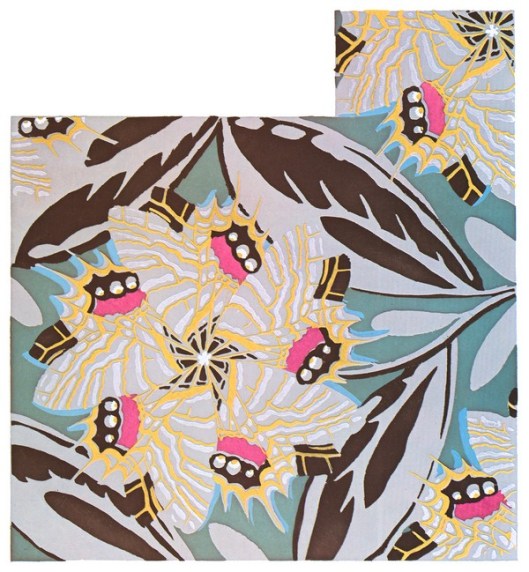
Posted by RichardB | Filed under Seguy Art Deco Designs
≈ Comments Off on Seguy Art Deco Designs 124
28 Saturday Sep 2019
27 Friday Sep 2019
27 Friday Sep 2019
“We do not believe in ourselves until someone reveals that deep inside us something is valuable, worth listening to, worthy of our trust, sacred to our touch. Once we believe in ourselves we can risk curiosity, wonder, spontaneous delight or any experience that reveals the human spirit.” E.E. Cummings

26 Thursday Sep 2019
Posted in Morihei Ueshiba, quote
≈ Comments Off on Peace originates
Tags
Peace originates with the flow of things—its heart is like the movement of the wind and waves. The Way is like the veins that circulate blood through our bodies, following the natural flow of the life force. If you are separated in the slightest from that divine essence, you are far off the path. Morihei Ueshiba
25 Wednesday Sep 2019
Posted in Ecopsychology, Environment
≈ Comments Off on Watching Birds, Trees is Good for Mental Health
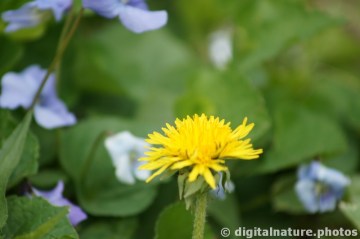
According to a study led by University of Exeter researcher Daniel Cox, people living in neighborhoods with more birds, shrubs and trees are less likely to suffer from depression, anxiety and stress.
Dr. Cox and his colleagues from the University of Maryland, the University of Queensland in Australia, the British Trust for Ornithology and the University of Exeter in the UK, surveyed mental health in 263 people from different ages, incomes and ethnicities.
“All the participants lived within the urban limits of the so-called ‘Cranfield triangle,’ a region in southern England, UK, comprising the three adjacent towns of Milton Keynes, Luton, and Bedford,” the researchers said.
They found benefits for mental health of being able to see birds, shrubs and trees around the home, whether people lived in urban or more leafy suburban neighborhoods. They also found that those who spent less time out of doors than usual in the previous week were more likely to report they were anxious or depressed. MORE
25 Wednesday Sep 2019
Posted in Creative Art Therapy, Health, lifestyle, music therapy, positive, Relaxation, Wellness
≈ Comments Off on Music Therapy
Tags
Most everyone enjoys listening to music. Some of us play music as well. Music has a therapeutic effect and can be used to enhance or even change how we feel. According to the American Music Therapy Association: Music Therapy is an established health profession in which music is used within a therapeutic relationship to address physical, emotional, cognitive, and social needs of individuals. After assessing the strengths and needs of each client, the qualified music therapist provides the indicated treatment including creating,  singing, moving to, and/or listening to music. Through musical involvement in the therapeutic context, clients’ abilities are strengthened and transferred to other areas of their lives. Music therapy also provides avenues for communication that can be helpful to those who find it difficult to express themselves in words. Research in music therapy supports its effectiveness in many areas such as: overall physical rehabilitation and facilitating movement, increasing people’s motivation to become engaged in their treatment, providing emotional support for clients and their families, and providing an outlet for expression of feelings.
As a Creative Arts Therapist I use music to support individuals and groups when they are engaged in a therapeutic process. Whether it’s movement, art or guided meditation the music enhances focus for the participants. I often hear people report that the music helped them to get in touch with feelings and/or explore them on a deeper level.
24 Tuesday Sep 2019

Posted by RichardB | Filed under Japanese Textile Designs
≈ Comments Off on Japanese Textile Designs 120
23 Monday Sep 2019
23 Monday Sep 2019
Posted in creative arts therapy, photo set, recovery
≈ Comments Off on Rough Road/Path photos
21 Saturday Sep 2019
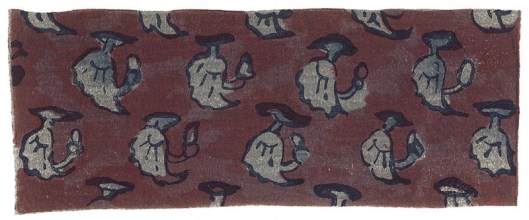
Posted by RichardB | Filed under Japanese Textile Designs
≈ Comments Off on Japanese Textile Designs 136