The Use of Diet and Nutritional Supplements to Maximize Wellness
12 Friday Jul 2024
Posted in Wellness
≈ Comments Off on The Use of Diet and Nutritional Supplements to Maximize Wellness

12 Friday Jul 2024
Posted in Wellness
≈ Comments Off on The Use of Diet and Nutritional Supplements to Maximize Wellness
12 Wednesday Aug 2020
Posted in vegan
≈ Comments Off on Vegan
Tags
As with any diet, a vegan diet requires planning. However, when properly planned, a vegan diet can be considerably healthier than the traditional American diet. In its 1996 position paper on vegetarian diets, the American Dietetic Association reported that vegan and 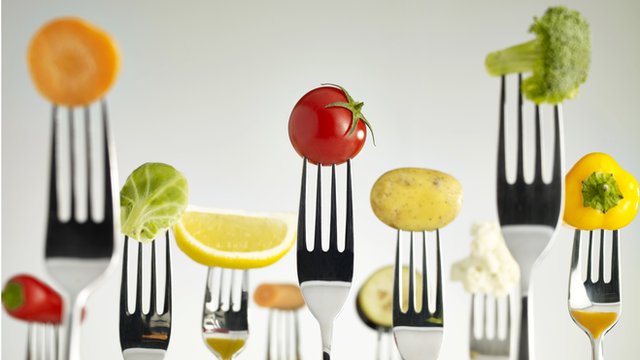 vegetarian diets can significantly reduce one’s risk of contracting heart disease, colon and lung cancer, osteoporosis, diabetes, kidney disease, hypertension, obesity, and a number of other debilitating conditions. Cows’ milk contains ideal amounts of fat and protein for young calves, but far too much for humans. And eggs are higher in cholesterol than any other food, making them a leading contributor to cardiovascular disease.
Vegan foods, such as whole grains, vegetables, fruits, and beans, are low in fat, contain no cholesterol, and are rich in fiber and nutrients. Vegans can get all the protein they need from legumes (e.g., beans, tofu, peanuts) and grains (e.g., rice, corn, whole wheat breads and pastas); calcium from broccoli, kale, collard greens, tofu, fortified juices and soymilks; iron from chickpeas, spinach, pinto beans, and soy products; and B12 from fortified foods or supplements. With planning, a vegan diet can provide all the nutrients we were taught as schoolchildren came only from animal products.
vegetarian diets can significantly reduce one’s risk of contracting heart disease, colon and lung cancer, osteoporosis, diabetes, kidney disease, hypertension, obesity, and a number of other debilitating conditions. Cows’ milk contains ideal amounts of fat and protein for young calves, but far too much for humans. And eggs are higher in cholesterol than any other food, making them a leading contributor to cardiovascular disease.
Vegan foods, such as whole grains, vegetables, fruits, and beans, are low in fat, contain no cholesterol, and are rich in fiber and nutrients. Vegans can get all the protein they need from legumes (e.g., beans, tofu, peanuts) and grains (e.g., rice, corn, whole wheat breads and pastas); calcium from broccoli, kale, collard greens, tofu, fortified juices and soymilks; iron from chickpeas, spinach, pinto beans, and soy products; and B12 from fortified foods or supplements. With planning, a vegan diet can provide all the nutrients we were taught as schoolchildren came only from animal products.
Will I get enough protein?
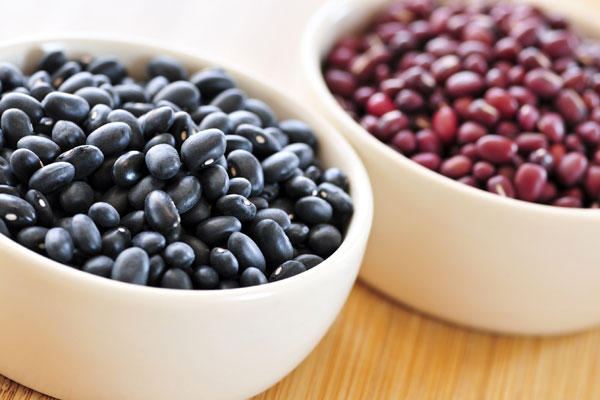
Virginia Messina, MPH, RD, and Mark Messina, PhD, recommend that vegans receive 0.4 grams of protein per day for every pound of healthy body weight. If a vegan consumes adequate calories and eats a variety of foods, it is very difficult not to get enough protein. This is true for athletes as well. One need not combine foods at each meal to get “complete protein. “ The most important plant sources of protein are legumes, soy foods, and nuts. Grains and vegetables also contain significant amounts of protein. Eat a variety of protein sources throughout the day: e.g, a legume (such as beans, tofu, or peanuts) combined with a grain (such as rice, corn, or whole wheat breads or pastas). For more information, visit Veganhealth.org
How about B12?
There has been much debate as to what plant foods supply an adequate source of B-12. Many products that were once thought to be adequate, such as tempeh, are no longer considered so. Fortunately, there are easy solutions for vegans. Vegetarian B-12 vitamin pills

How about calcium?
Adequate intakes of calcium vary according to one’s age: 1200 mg for age 50 or above, 1000 mg for ages 19-49, 800 mg for ages 4-8, 500 mg for ages 1-3. A number of vegan foods contain high levels of calcium per serving: calcium-set tofu (120-200mg per 0.5 cup), fortified soymilk (200-300 mg per cup dried figs (50 mg per fig), fortified orange juice (250 mg per cup), collard greens (180 mg per 0.5 cup), sesame seeds (180 mg per 2 Tbsp), baked beans (130 mg per cup), broccoli (90 mg per 0.5 cup) , almonds (50 mg per 2 Tbsp), kale (50 mg per 0.5 cup) For more information read Bones, Vitamin D, and Calcium
30 Thursday Jul 2020
Are dietary interventions effective for treating ADHD? For many parents and professionals, trying to parse through the different claims about the impact of diet on ADHD has been challenging and confusing. At this point, substantial research on how dietary interventions impact ADHD has accumulated and several meta-analyses of this work have been published. Recently, a review of several meta-analyses of dietary interventions for ADHD was published [Research review: The role of diet in the treatment of attention-deficit/hyperactivity disorder — an appraisal of the evidence on efficacy and recommendations on the design of future studies]. In this paper, the authors summarize findings across 6 different meta-analyses of the impact of diet on ADHD to provide a high level summary of the best available evidence to date.
Types of dietary interventions 
Three types of dietary interventions were reviewed — Restricted Elimination Diets (RED), Artificial food coloring exclusion (AFCE), and supplementation with free fatty acids (SFFA). Although other types of supplements beyond free fatty acids have been investigated, the authors felt there was not sufficient research on any single approach to include in their summary.
1. Restricted elimination diets (RED) — There are 2 different approaches to implementing this diet. In one approach, the child is placed on an extremely restricted diet, e.g., rice, turkey, a range of vegetables (lettuce, carrots, cauliflower, cabbage, beets), pears and water; this is sometimes referred to as the Few Food Diet. When a reduction in ADHD behaviors results — this would generally occur within 2–3 weeks if the diet is going to have a positive effect — new foods can be added back one at a time to see if they are well-tolerated or lead to an increase in problem behaviors. Alternatively, particular foods that are suspected to exacerbate a child’s symptoms may be removed one at a time to see if the child’s behavior improves.
2. Artificial food coloring exclusion (AFCE)- As the title indicates, this involves efforts to remove all artificial food colorings from a child’s diet, e.g.,Yellow #6, Yellow #5, Sodium Benzoate, Blue #2, etc., and observing whether this is associated with a reduction in ADHD behaviors. Carefully conducted trials have demonstrated that AFC’s – in amounts children could typically consume – can increase ADHD symptoms in many children.
3. Essential fatty acid supplementation — Certain fatty acids, e.g., Omega 3 and Omega 6, promote neural functioning. These fatty acids are called essential because they are not synthesized in the body and must be ingested. Children with ADHD may have lower levels of essential fatty acids relative to peers and several studies have demonstrated a link between low levels of EFAs and the severity of ADHD symptoms. Studies investigating the benefits of fatty acid supplementation for youth with ADHD raise fatty acid levels by administering capsules containing the fatty acids or sometimes by introducing diets rich in fish products. – See more at: http://www.creativitypost.com/science/3_dietary_interventions_that_can_help_children_with_adhd_especially_when_pr
19 Thursday Mar 2020
Tags
01 Friday Nov 2019
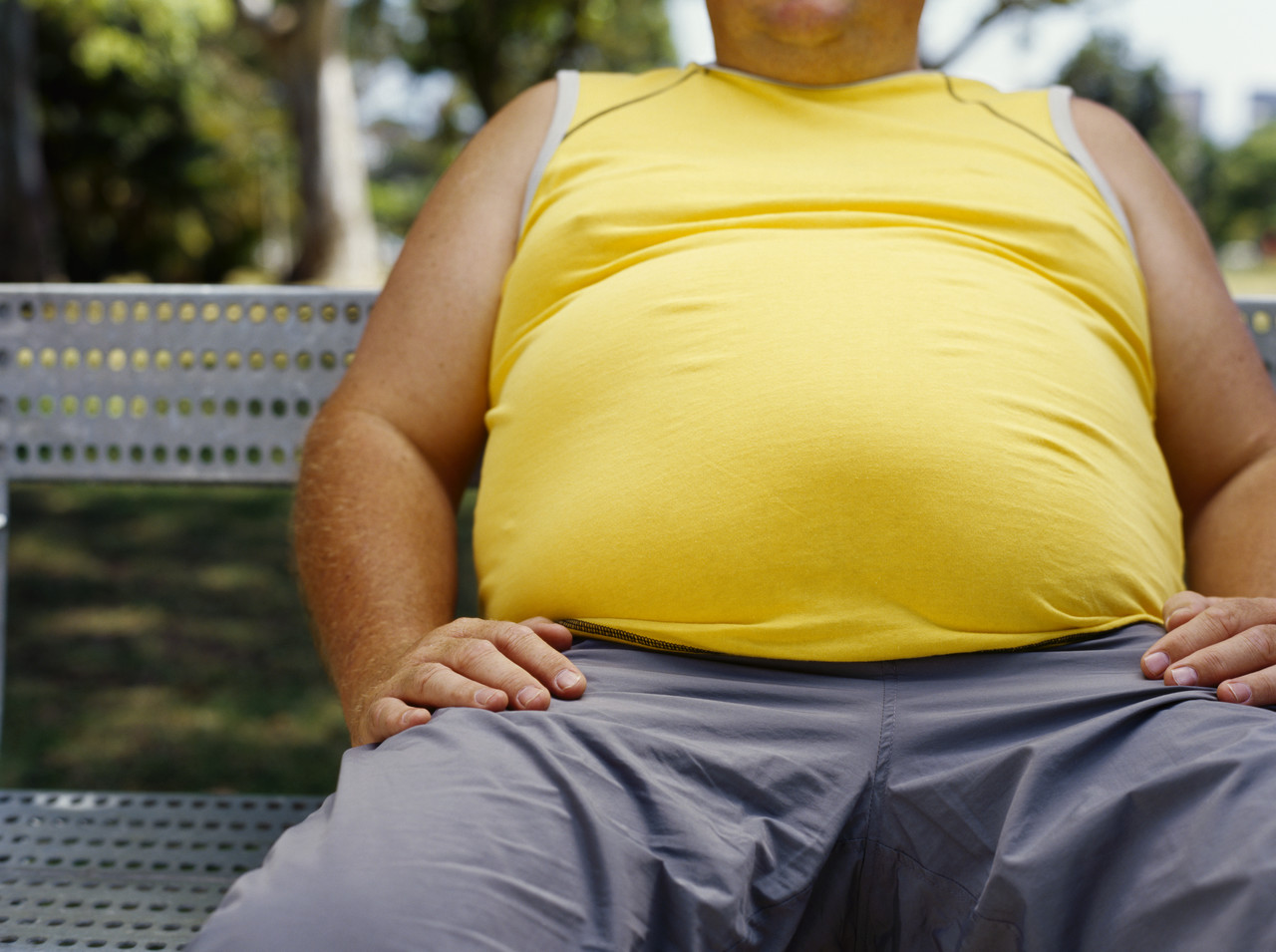
Men’s health may be compromised by weight stigma, finds the latest research from the University of Connecticut.
As many as 40% of men report experiencing weight stigma, but little is known about how this stigma affects their health. This study found that men experiencing weight stigma have more depressive symptoms, are more likely to binge eat, and have lower self-rated health. Read More at Science Daily
23 Wednesday Oct 2019
Posted in food, Health, Uncategorized
≈ Comments Off on Providing Food as part of a weight loss program Has Little Benefit
Tags
Providing weekly food delivery as part of a weight loss program has little impact on outcomes, based on the results of a one-year study conducted in Toronto, Canada.
Published in the Journal of the American College of Cardiology, this study tested four weight loss interventions in 919 overweight Canadian adults. Roughly half of participants were assigned to one of three dietary interventions, which included dietary advice, weekly food delivery, or food delivery plus dietary advice. The other half were part of the control group and received only a dietary brochure at the start of the study.
All of the interventions promoted current dietary guidelines and the DASH diet, which limits salt intake and helps lower blood pressure. While weight loss interventions lasted six months, participants were followed for one year to track outcomes like weight, waist circumference and blood pressure.
The goal of the study was to see whether dietary advice and/or weekly food delivery helps boost weight loss and reduce cardiovascular risk in overweight adults.
The good news is that all participants saw small reductions in weight, waist circumference and blood pressure at six months. A year after the interventions, participants also had lower ten-year risk for developing heart disease, as measured by the Framingham risk score. However, there were no significant differences in outcomes between groups, which means monthly phone calls and weekly food delivery had no impact on weight loss or changes in cardiovascular risk.
Authors did note, however, a difference in drop-out rates between groups. Participants receiving food delivery were much more likely to stay in the study, with only 9% of participants dropping out of the study by six months, compared to 33% of participants with no food delivery. Participants receiving weekly food baskets plus advice also had consistent increases in consumption of recommended foods like fruits, vegetables and whole grains.
Based on findings, authors conclude that providing food as part of a dietary intervention has little added benefit on weight loss or cardiovascular risk reduction. However, findings also confirm the overall benefits of the DASH diet and general dietary guidelines. As other studies have shown, maintaining a healthy diet promotes a healthy weight, reduces risk for heart disease and improves overall health. Authors hope that with future research, we can improve available resources to help adults achieve both a healthy weight and diet.
16 Wednesday Oct 2019
Tags
02 Friday Aug 2019
Posted in diet
≈ Comments Off on You can smell and dress like a #burger
You can smell like a burger without having to work at a burger place for very low wages. For hamburger aficionados who want the smell even when they can’t get a bite, Burger King is putting the scent into a limited-edition fragrance. 
Burger King said Friday that the Whopper grilled beef burger-scented cologne will be sold only on April 1, and only in Japan.
Sounds too good to be true? It’s not an April Fools’ Day joke, though the company chose the date deliberately.
The limited “Flame Grilled” fragrance can be purchased at 5,000 yen (about $40), including the burger. There will be only 1,000 of them.
 Burger King said it hopes the scent would also seduce new grill-beef burger fans.
AND
Big Mac-themed line of clothes (store is now closed) and household accoutrements.
The product lineup includes matching thermal tops and bottoms, bed linens, wallpaper, a dog coat, a human raincoat and Wellington boots. Each one sports the same repeating Big Mac pattern on a white background. It’s not as subtle as poo emoji fabric, but at least it’s not as jarring at the outfit the Hamburglar wears.
10 Wednesday Jul 2019
Posted in vegan
≈ Comments Off on Vegan
Tags
As with any diet, a vegan diet requires planning. However, when properly planned, a vegan diet can be considerably healthier than the traditional American diet. In its 1996 position paper on vegetarian diets, the American Dietetic Association reported that vegan and vegetarian diets can significantly reduce one’s risk of contracting heart disease, colon and lung cancer, osteoporosis, diabetes, kidney disease, hypertension, obesity, and a number of other debilitating conditions. Cows’ milk contains ideal amounts of fat and protein for young calves, but far too much for humans. And eggs are higher in cholesterol than any other food, making them a leading contributor to cardiovascular disease.
Vegan foods, such as whole grains, vegetables, fruits, and beans, are low in fat, contain no cholesterol, and are rich in fiber and nutrients. Vegans can get all the protein they need from legumes (e.g., beans, tofu, peanuts) and grains (e.g., rice, corn, whole wheat breads and pastas); calcium from broccoli, kale, collard greens, tofu, fortified juices and soymilks; iron from chickpeas, spinach, pinto beans, and soy products; and B12 from fortified foods or supplements. With planning, a vegan diet can provide all the nutrients we were taught as schoolchildren came only from animal products.
Will I get enough protein?
Virginia Messina, MPH, RD, and Mark Messina, PhD, recommend that vegans receive 0.4 grams of protein per day for every pound of healthy body weight. If a vegan consumes adequate calories and eats a variety of foods, it is very difficult not to get enough protein. This is true for athletes as well. One need not combine foods at each meal to get “complete protein. “ The most important plant sources of protein are legumes, soy foods, and nuts. Grains and vegetables also contain significant amounts of protein. Eat a variety of protein sources throughout the day: e.g, a legume (such as beans, tofu, or peanuts) combined with a grain (such as rice, corn, or whole wheat breads or pastas). For more information, visit Veganhealth.org
How about B12?
There has been much debate as to what plant foods supply an adequate source of B-12. Many products that were once thought to be adequate, such as tempeh, are no longer considered so. Fortunately, there are easy solutions for vegans. Vegetarian B-12 vitamin pills
How about calcium?
Adequate intakes of calcium vary according to one’s age: 1200 mg for age 50 or above, 1000 mg for ages 19-49, 800 mg for ages 4-8, 500 mg for ages 1-3. A number of vegan foods contain high levels of calcium per serving: calcium-set tofu (120-200mg per 0.5 cup), fortified soymilk (200-300 mg per cup dried figs (50 mg per fig), fortified orange juice (250 mg per cup), collard greens (180 mg per 0.5 cup), sesame seeds (180 mg per 2 Tbsp), baked beans (130 mg per cup), broccoli (90 mg per 0.5 cup) , almonds (50 mg per 2 Tbsp), kale (50 mg per 0.5 cup) For more information read Bones, Vitamin D, and Calcium
17 Wednesday Apr 2019
 RichardbBrunner