• Home
  • Music
  • About
  • Contact
  • CreativeTherapyTools.com

RichardbBrunner

~ creative arts therapist

RichardbBrunner

Tag Archives: kids.teens.adults

Abuse, Neglect and Addiction

03 Wednesday May 2023

Posted by RichardB in Addiction

≈ Comments Off on Abuse, Neglect and Addiction

Tags

Addiction, childhood, kids.teens.adults

Somewhere south of a sunny childhood are emotional and physical abuse and neglect. There are four possible combinations: emotional abuse, emotional neglect, physical abuse, and physical neglect. If one or more of these describe your childhood, maybe you’ve worked hard to put all that stuff behind you — but a study in the journal Alcoholism: Clinical and Experimental Research shows it’s not that easy to keep your past in the past.

It may come as no surprise that people who were mistreated as children are more likely to struggle with addiction as adults. But exactly what kind of mistreatment you experienced can predict what kind of substance abuser you may become. Of course, having a bad childhood does not mean that you will abuse substances, and conversely there are plenty of folks who had wonderful childhoods and became substance abusers.

For better or for worse, you are shaped by your past. The kind of maltreatment you experienced as a child makes you more likely to lean in certain ways as an adult and how you may use alcohol in predictable patterns to attempt to bring yourself back into balance.

The study followed 314 young adults to discover exactly which unfortunate childhood experiences set people on the paths toward specific kinds of drinking. First the researchers asked about childhood maltreatment, personality and drinking, and then, five years later, they asked again, along with a measure of alcohol-related problems.

Which childhood experiences led to the development of alcohol-related problems as a young adult? Let’s look at each in turn:

1. Emotional Abuse

In this study, young adults who were emotionally abused as children were more likely to be depressed. These depressed people were, in turn, more likely to drink in order to feel better. Of all four types of maltreatment, emotional abuse was most likely to lead to people drinking during the week, and most likely to create alcohol-related problems like missing work or ending relationships.

2. Emotional Neglect

In this study, it was as if emotional neglect cut the head off young adults’ joy. These people weren’t any more likely to be depressed, but they were much less likely than others to be joyful, as if emotional neglect squeezed their positive adult emotions back toward the center. Perhaps because this group’s emotional experience wasn’t quite pushed into “negative” territory, they didn’t feel the need to compensate with alcohol and emotional neglect was the one form of maltreatment on this list that didn’t predict increased alcohol use.

3. Physical Abuse

The researchers call the result of physical abuse “positive emotionality and unconscientious disinhibition.” What this means is that people who were physically abused as children are more likely to be impulsive and seek rewards – they drink on weekends and have a hard time stopping. These people had alcohol-related problems related to massive over-consumption – not the consequences of day-in, day-out drinking, but the consequences of getting way too drunk in binges.

4. Physical Neglect

Like physical abuse, physical neglect made it difficult for people in this study to stop drinking; they had the same “unconscientious disinhibition,” or lack of personal control. But their reasons to start drinking were different. Physical neglect made people antisocial. One form of antisocial behavior was a cruel and sometimes self-destructive experience of drinking. Though physical neglect didn’t predict weekend drinking as strongly as did physical abuse, and it didn’t predict weekday drinking as strongly as did emotional abuse, physical neglect and its antisocial consequence predict both kinds of increased drinking – weekend and weekday…and maybe due to the combined effects, physical neglect leads to as many alcohol-related problems as the other versions of maltreatment.

As important as these specific results, is the idea that unresolved issues from your childhood influence why you drink, when you drink, and how much you drink as an adult. But each of these paths from a difficult childhood to adult alcohol problems pass through an important checkpoint, namely they pass through the person you become. It’s not that a traumatic childhood forces you to drink as an adult, it’s that left unexamined, a traumatic childhood can make you feel like you need to drink to get something you’re missing or get something you want as an adult.

One key function of treatment is working to uncover the unresolved experiences in your past that cause you to drink. Is there something in your past that makes you compensate with alcohol in the present? Only by working to resolve this past mistreatment can you truly move forward without feeling these needs, cravings, and compulsions to drink.


What is Dance Movement Therapy?

10 Wednesday Feb 2021

Posted by RichardB in creative arts therapy, Dance Movement Therapy, Psychotherapy, Therapy

≈ Comments Off on What is Dance Movement Therapy?

Tags

dance, dmt, kids.teens.adults, therapy, wellness

According to the American Dance Therapy Association (ADTA): Based on the understanding that the body and mind are interrelated, dance/movement therapy (D/MT) is defined as the psychotherapeutic use of movement to further the emotional, cognitive, physical, and social integration of the individual. Dance/movement therapy is practiced in mental health, rehabilitation, medical, educational, and forensic settings, and in nursing homes, day care centers, disease prevention, and health promotion programs. The dance/movement therapist focuses on movement behavior as it emerges in the moving2therapeutic relationship. Expressive, communicative, and adaptive behaviors are all considered for both group and individual treatment. Body movement as the core component of dance simultaneously provides the means of assessment and the mode of intervention for dance/movement therapy.

I often define D/MT to clients as psychotherapy that is not limited to talking but encompasses the full range of human expression, including movement such as gestures and or postures, drawing, writing, drama, music and other expressions that can have a therapeutic benefit for the client(s).

Dance Movement Therapy is a creative arts therapy rooted in the expressive nature of dance. Since dance/movement comes from the body it is considered the most fundamental of the arts and is a direct expression (and experience) of the self. Dance/movement is a basic form of authentic communication, and as such it is an especially effective medium for therapy.

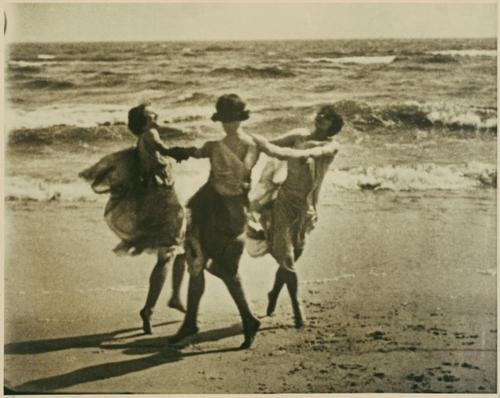
isadora%20duncanDance/movement therapists (R-DMT or BC-DMT) work with individuals of all ages, groups and families in a wide variety of settings. They focus on helping their clients improve self-esteem and body image, develop effective communication skills and relationships, expand their movement vocabulary, gain insight into patterns of behavior, as well as create new options for coping with problems. Movement is the primary medium DMT’s use for observation, assessment, research, therapeutic interaction, and interventions.

DMT’s work in settings that include psychiatric and rehabilitation facilities, schools, nursing homes, drug treatment centers, counseling centers, medical facilities, crisis centers, and wellness and alternative health care centers.

What is Dance Movement Therapy?

07 Thursday May 2020

Posted by RichardB in creative arts therapy, Dance Movement Therapy, Psychotherapy

≈ Comments Off on What is Dance Movement Therapy?

Tags

dance, dmt, kids.teens.adults, therapy, wellness

According to the American Dance Therapy Association (ADTA): Based on the understanding that the body and mind are interrelated, dance/movement therapy (D/MT) is defined as the psychotherapeutic use of movement to further the emotional, cognitive, physical, and social integration of the individual. Dance/movement therapy is practiced in mental health, rehabilitation, medical, educational, and forensic settings, and in nursing homes, day care centers, disease prevention, and health promotion programs. The dance/movement therapist focuses on movement behavior as it emerges in the therapeutic relationship. Expressive, communicative, and adaptive behaviors are all considered for both group and individual treatment. Body movement as the core component of dance simultaneously provides the means of assessment and the mode of intervention for dance/movement therapy.

I often define D/MT to clients as psychotherapy that is not limited to talking but encompasses the full range of human expression, including movement such as gestures and or postures, drawing, writing, drama, music and other expressions that can have a therapeutic benefit for the client(s).

Dance Movement Therapy is a creative arts therapy rooted in the expressive nature of dance. Since dance/movement comes from the body it is considered the most fundamental of the arts and is a direct expression (and experience) of the self. Dance/movement is a basic form of authentic communication, and as such it is an especially effective medium for therapy.

Dance/movement therapists (R-DMT or BC-DMT) work with individuals of all ages, groups and families in a wide variety of settings. They focus on helping their clients improve self-esteem and body image, develop effective communication skills and relationships, expand their movement vocabulary, gain insight into patterns of behavior, as well as create new options for coping with problems. Movement is the primary medium DMT’s use for observation, assessment, research, therapeutic interaction, and interventions.

DMT’s work in settings that include psychiatric and rehabilitation facilities, schools, nursing homes, drug treatment centers, counseling centers, medical facilities, crisis centers, and wellness and alternative health care centers.

instagram

Follow RichardbBrunner on WordPress.com
  • Tumblr
  • YouTube

Create a free website or blog at WordPress.com.

Privacy & Cookies: This site uses cookies. By continuing to use this website, you agree to their use.
To find out more, including how to control cookies, see here: Cookie Policy
  • Subscribe Subscribed
    • RichardbBrunner
    • Join 491 other subscribers
    • Already have a WordPress.com account? Log in now.
    • RichardbBrunner
    • Subscribe Subscribed
    • Sign up
    • Log in
    • Report this content
    • View site in Reader
    • Manage subscriptions
    • Collapse this bar
 

Loading Comments...