• Home
  • Music
  • About
  • Contact
  • CreativeTherapyTools.com

RichardbBrunner

~ creative arts therapist

RichardbBrunner

Author Archives: RichardB

My Most Listened to Songs of 2022: Victoria Canal – pity season (Official Lyric Video)” on YouTube

21 Monday Aug 2023

Posted by RichardB in Music

≈ Comments Off on My Most Listened to Songs of 2022: Victoria Canal – pity season (Official Lyric Video)” on YouTube

Tags

favorites, music

America’s homeless: Street medicine teams in LA search for solutions to a crisis. From USA Today

19 Saturday Aug 2023

Posted by RichardB in Homelessness

≈ Comments Off on America’s homeless: Street medicine teams in LA search for solutions to a crisis. From USA Today

Tags

homeless, unhoused

Watch “The Australian sled dogs keeping tradition alive | ABC News”

18 Friday Aug 2023

Posted by RichardB in dogs

≈ Comments Off on Watch “The Australian sled dogs keeping tradition alive | ABC News”

Tags

auzzies, dogs, sleds

Handout: Characteristics of people in your life

16 Wednesday Aug 2023

Posted by RichardB in Creative Therapy Tools

≈ Comments Off on Handout: Characteristics of people in your life

Tags

characteristics, handout, Mens group, process

Here is a simple and potentially deep handout. It developed out of a process conversation in Mens group when I asked who was the first person to turn you onto drugs or alcohol. From that question and conversation came the next which was what character traits did that person have. After many Mens groups it eventually developed into the handout below. Sometimes I combine who first turned you on with other people who had an influence. Sometimes I add: what characteristics does a person in recovery have, or what are your characteristics?

Ideally this is a conversation, but if your group is not open to sharing than I hand out a sheet with the questions and folks write out their answers and than we share.

The Handout: List four people in your life that have had an influence, affect, change. Two positive and two negative. What aspects stood out in their characteristics; (respectful, kind, stingy, generous, loner, peple person, ect).

My Most Listened to Songs of 2022: Jake Xerxes Fussell: Tiny Desk (Home) Concert” on YouTube

14 Monday Aug 2023

Posted by RichardB in Music

≈ Comments Off on My Most Listened to Songs of 2022: Jake Xerxes Fussell: Tiny Desk (Home) Concert” on YouTube

Tags

favorites, music

When are people homeless

12 Saturday Aug 2023

Posted by RichardB in Homelessness

≈ Comments Off on When are people homeless

Tags

Homelessness

People are homeless when they lack a fixed, regular, and adequate nighttime residence. This includes those living in emergency shelters, transitional housing, or places not meant for habitation, such as an abandoned building.
In the United States, there are over half a million people experiencing homelessness. The top four causes of homelessness are lack of affordable housing, relationship breakdown, substance abuse, and a previous experience of family homelessness.
Nearly three-quarters of people experiencing homelessness are adults aged 25 or older, and 18% are children under the age of 18. Other groups of people who are more likely to become homeless include people with physical and mental disabilities, people experiencing alcoholism and substance use, women, children, and youth, and seniors.
The four types of homelessness are transitional, episodic, chronic, and hidden.

Watch “Learning and Memory: How it Works and When it Fails”

11 Friday Aug 2023

Posted by RichardB in learn

≈ Comments Off on Watch “Learning and Memory: How it Works and When it Fails”

Tags

Learning, Memory

More than talk

09 Wednesday Aug 2023

Posted by RichardB in creative arts therapy

≈ Comments Off on More than talk

Tags

creative arts therapy

While therapists can draw upon any number of talk therapy techniques to help their clients, there are times when talk isn’t helpful or can’t be summoned. In such cases, the arts can open a back door to the psyche, drawing from individuals that which they cannot yet put into words, thus catalyzing subsequent therapeutic conversations. Creative arts therapies involve the use of the arts—visual art, music, dance and movement, drama, and poetry—to facilitate therapeutic goals.

According to photographer Marianne Gontarz York, MSW, LCSW, “Eighty percent of sensory stimuli enters through our eyes and goes into our brains where it is retained visually, nonverbally. Most of us think, feel, and recall memories not in words but in imagery. These images become a verbal language when we attempt to communicate what is going on in our mind to someone else.” The creative arts, Gontarz York says, “offer our social work clients a nonverbal way of expressing themselves and communicating their needs. These adjunctive therapies are invaluable in allowing people to express themselves when words cannot.”

In addition to facilitating communication, the arts also help clients forge relationships. “Creative arts therapies are wonderful starting grounds for building a verbal and nonverbal trusting relationship between a client and therapist and in group therapy between members of the group,” says Sally Bailey, MFA, MSW, RDT/BCT, a professor and director of the drama therapy program in the School of Music, Theatre and Dance at Kansas State University. “Working together on a project—whether that is a drama game, a mural, a song, or a group poem—creates connections that gently allow clients to reveal parts of themselves to others for a richer interpersonal knowledge.”

While creative arts therapies aren’t necessarily or entirely nonverbal, they recognize that talking isn’t always the best way to communicate, and, as a result, encourage and facilitate self-expression and active participation without depending entirely on a verbal articulation of issues. “The arts therapies provide a complement to traditional ‘talk therapies’ because they can address the full range of human experience—cognitive, behavioral, and affective domains,” says Nicholas F. Mazza, PhD, dean and Patricia V. Vance professor of social work in the College of Social Work at Florida State University. These approaches, he says, are being increasingly used in social work practice because the evidence for their usefulness has grown and been demonstrated by clinical reports and by qualitative and quantitative studies.

Arts therapies are “old human technology that has been used as long as there’s been art,” observes Shelly Goebl-Parker, MSW, LCSW, ATR-BC, program director of the art therapy counseling program in the department of art and design in the College of Arts and Sciences at Southern Illinois University Edwardsville. Indeed, the healing power of the arts was well known in ancient Rome and Greece.
“The arts have a long history in the practice of psychotherpy going back to the settlement house movement in the late 19th century,” Mazza says. “Through the years, the arts have been incorporated as adjunctive techniques in individual, family, group, and community practice.”
Any of the creative arts modalities may be used as a primary form of therapy or an adjunct to other modalities to improve the physical, cognitive, and psychosocial well-being of individuals with psychiatric disorders, developmental disabilities, neurological diseases, physical disabilities, and medical conditions, and may be practiced in the entire spectrum of therapeutic settings.

My Most Listened to Songs of 2022: Lea Desandre & Iestyn Davies sing Handel: Theodora, HWV 68: “To thee, thou glorious son of worth

07 Monday Aug 2023

Posted by RichardB in Music

≈ Comments Off on My Most Listened to Songs of 2022: Lea Desandre & Iestyn Davies sing Handel: Theodora, HWV 68: “To thee, thou glorious son of worth

Tags

favorites, music

(Un)housed in paradise: how the homeless can get off the street (part 2)

05 Saturday Aug 2023

Posted by RichardB in Homelessness

≈ Comments Off on (Un)housed in paradise: how the homeless can get off the street (part 2)

Tags

homeless, unhoused

Watch “The Neuroscience of Creativity, Perception, and Confirmation Bias | Beau Lotto | Big Think”

04 Friday Aug 2023

Posted by RichardB in Creativity

≈ Comments Off on Watch “The Neuroscience of Creativity, Perception, and Confirmation Bias | Beau Lotto | Big Think”

Tags

Creativity, Neuroscience, Perception

Drug addiction is complex

02 Wednesday Aug 2023

Posted by RichardB in Addiction, brain

≈ Comments Off on Drug addiction is complex

Tags

Addiction, brain

We’re told studies have proven that drugs like heroin and cocaine instantly hook a user. But it isn’t that simple – little-known experiments over 30 years ago tells a very different tale.

Drugs are scary. The words “heroin” and “cocaine” make people flinch. It’s not just the associations with crime and harmful health effects, but also the notion that these substances can undermine the identities of those who take them. One try, we’re told, is enough to get us hooked. This, it would seem, is confirmed by animal experiments.

Many studies have shown rats and monkeys will neglect food and drink in favor of pressing levers to obtain morphine (the lab form of heroin). With the right experimental set up, some rats will self-administer drugs until they die. At first glance it looks like a simple case of the laboratory animals losing control of their actions to the drugs they need. It’s easy to see in this a frightening scientific fable about the power of these drugs to rob us of our free will.

But there is more to the real scientific story, even if it isn’t widely talked about. The results of a set of little-known experiments carried out more than 30 years ago paint a very different picture and illustrate how easy it is for neuroscience to be twisted to pander to popular anxieties. The vital missing evidence is a series of studies carried out in the late 1970s in what has become known as “Rat Park”. Canadian psychologist Bruce Alexander, at the Simon Fraser University in British Columbia, Canada, suspected that the preference of rats to morphine over water in previous experiments might be affected by their housing conditions.

To test his hypothesis, he built an enclosure measuring 95 square feet (8.8 square meters) for a colony of rats of both sexes. Not only was this around 200 times the area of standard rodent cages, but Rat Park had decorated walls, running wheels and nesting areas. Inhabitants had access to a plentiful supply of food, perhaps most importantly the rats lived in it together.

Rats are smart, social creatures. Living in a small cage on their own is a form of sensory deprivation. Rat Park was what neuroscientists would call an enriched environment, or – if you prefer to look at it this way – a non-deprived one. In Alexander’s tests, rats reared in cages drank as much as 20 times more morphine than those brought up in Rat Park. 

Inhabitants of Rat Park could be induced to drink more of the morphine if it was mixed with sugar, but a control experiment suggested that this was because they liked the sugar, rather than because the sugar allowed them to ignore the bitter taste of the morphine long enough to get addicted. When naloxone, which blocks the effects of morphine, was added to the morphine-sugar mix, the rats’ consumption didn’t drop. In fact, their consumption increased, suggesting they were actively trying to avoid the effects of morphine, but would put up with it in order to get sugar.

‘Woefully incomplete’

The results are catastrophic for the simplistic idea that one use of a drug inevitably hooks the user by rewiring their brain. When Alexander’s rats were given something better to do than sit in a bare cage, they turned their noses up at morphine because they preferred playing with their friends and exploring their surroundings to getting high.

Further support for his emphasis on living conditions came from another set of tests his team carried out in which rats brought up in ordinary cages were forced to consume morphine for 57 days in a row. If anything should create the conditions for chemical rewiring of their brains, this should be it. But once these rats were moved to Rat Park they chose water over morphine when given the choice, although they did exhibit some minor withdrawal symptoms.

You can read more about Rat Park in the original scientific report. The results aren’t widely cited in the scientific literature, and the studies were discontinued after a few years because they couldn’t attract funding. There have been criticisms of the study’s design and the few attempts that have been made to replicate the results have been mixed.

Nonetheless the research does demonstrate that the standard “exposure model” of addiction is woefully incomplete. It takes far more than the simple experience of a drug – even drugs as powerful as cocaine and heroin – to make you an addict. The alternatives you have to drug use, which will be influenced by your social and physical environment, play important roles as well as the brute pleasure delivered via the chemical assault on your reward circuits

It suggests that even addictions can be thought of using the same theories we use to think about other choices, there isn’t a special exception for drug-related choices. Rat Park also suggests that when stories about the effects of drugs on the brain are promoted to the neglect of the discussion of the personal and social contexts of addiction, science is servicing our collective anxieties rather than informing us.

Top Songs I listen to in 2022: Hilltop Hoods – Show Business

31 Monday Jul 2023

Posted by RichardB in Music

≈ Comments Off on Top Songs I listen to in 2022: Hilltop Hoods – Show Business

Tags

favorites, Hilltop Hoods, music

Trapped in paradise: how we got the homeless situation (part 1)

29 Saturday Jul 2023

Posted by RichardB in Homelessness

≈ Comments Off on Trapped in paradise: how we got the homeless situation (part 1)

Tags

homeless, unhoused

Bored Out of Our Minds. Comment Podcast

28 Friday Jul 2023

Posted by RichardB in feelings

≈ Comments Off on Bored Out of Our Minds. Comment Podcast

Tags

bored, mind, pod

“We have as much access to entertainment as we have ever had in history, yet nothing catches our attention. What is really happening when we are bored, and what does it say about us? Kevin Gary is the author of the book Why Boredom Matters and the essay “To the Bored All Things Are Boring.” In conversation with our associate editor Jeff Reimer, Gary dives deep into the nuances between situational and existential boredom, and how it affects our perception of life.”

Bored Out of Our Minds

https://comment.org/podcasts/

Scientists identify immune system link to mental illness

26 Wednesday Jul 2023

Posted by RichardB in Dance Movement Therapy

≈ Comments Off on Scientists identify immune system link to mental illness

Children with high everyday levels of a protein released into the blood in response to infection are at greater risk of developing depression and psychosis in adulthood, according to new research that suggests a role for the immune system in mental illness. The study indicates that mental illness and chronic physical illness such as coronary heart disease and type 2 diabetes may share common biological mechanisms.

This article from Science Daily MORE HERE

Top Songs I listen to in 2022: Baker Boy-Wish You Well

24 Monday Jul 2023

Posted by RichardB in Music

≈ Comments Off on Top Songs I listen to in 2022: Baker Boy-Wish You Well

Tags

Baker Boy, favorites, music

Why homeless

22 Saturday Jul 2023

Posted by RichardB in Homelessness

≈ Comments Off on Why homeless

Tags

Homelessness

There are many reasons why people become homeless, including:
Lack of affordable housing
Unemployment
Poverty
Mental illness
Substance abuse
Domestic violence
Job loss
Foreclosure
Post-traumatic stress
Relationship breakdown
Lack of qualifications
Family background issues
A traumatic event
The inability to pay for needed health-care
A criminal background that got in the way of finding a job
There are also individual factors that can lead to homelessness, such as a lack of qualifications, relationship breakdown, or substance abuse.

Watch Joanna Stern Challenge Her AI Clone to Replace Her for 24 Hours | WSJ

21 Friday Jul 2023

Posted by RichardB in AI

≈ Comments Off on Watch Joanna Stern Challenge Her AI Clone to Replace Her for 24 Hours | WSJ

Tags

AI, cloned

Study shows gene expression changes with meditation

19 Wednesday Jul 2023

Posted by RichardB in Minfulness

≈ Comments Off on Study shows gene expression changes with meditation

Tags

meditation, mindfulness

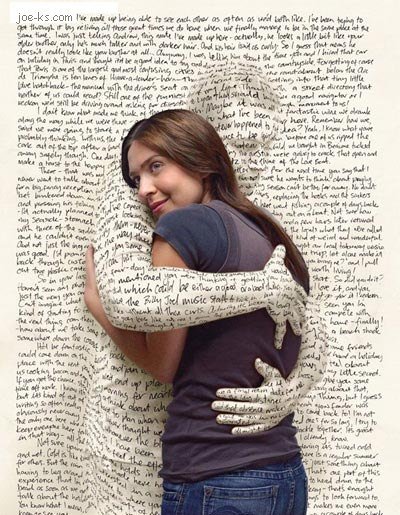
1378006_10151699852947169_1244682694_nWith evidence growing that meditation can have beneficial health effects, scientists have sought to understand how these practices physically affect the body.

A new study by researchers in Wisconsin, Spain, and France reports the first evidence of specific molecular changes in the body following a period of mindfulness meditation. The study investigated the effects of a day of intensive mindfulness practice in a group of experienced meditators, compared to a group of untrained control subjects who engaged in quiet non-meditative activities. After eight hours of mindfulness practice, the meditators showed a range of genetic and molecular differences, including altered levels of gene-regulating machinery and reduced levels of pro-inflammatory genes, which in turn correlated with faster physical recovery from a stressful situation.

“To the best of our knowledge, this is the first paper that shows rapid alterations in gene expression within subjects associated with mindfulness meditation practice,” says study author Richard J. Davidson, founder of the Center for Investigating Healthy Minds and the William James and Vilas Professor of Psychology and Psychiatry at the University of Wisconsin-Madison.

“Most interestingly, the changes were observed in genes that are the current targets of anti-inflammatory and analgesic drugs,” says Perla Kaliman, first author of the article and a researcher at the Institute of Biomedical Research of Barcelona, Spain (IIBB-CSIC-IDIBAPS), where the molecular analyses were conducted.

The study was published in the journal Psychoneuroendocrinology.

Mindfulness-based trainings have shown beneficial effects on inflammatory disorders in prior clinical studies. The new results provide a possible biological mechanism for therapeutic effects.

The results show a down-regulation of genes that have been implicated in inflammation. The affected genes include the pro-inflammatory genes RIPK2 and COX2 as well as several histone deacetylase (HDAC) genes, which regulate the activity of other genes epigenetically by removing a type of chemical tag. What’s more, the extent to which some of those genes were downregulated was associated with faster cortisol recovery to a social stress test involving an impromptu speech and tasks requiring mental calculations performed in front of an audience and video camera.f-193

Perhaps surprisingly, the researchers say, there was no difference in the tested genes between the two groups of people at the start of the study. The observed effects were seen only in the meditators following mindfulness practice. In addition, several other DNA-modifying genes showed no differences between groups, suggesting that the mindfulness practice specifically affected certain regulatory pathways.

However, it is important to note that the study was not designed to distinguish any effects of long-term meditation training from those of a single day of practice. Instead, the key result is that meditators experienced genetic changes following mindfulness practice that were not seen in the non-meditating group after other quiet activities — an outcome providing proof of principle that mindfulness practice can lead to epigenetic alterations of the genome.

Previous studies in rodents and in people have shown dynamic epigenetic responses to physical stimuli such as stress, diet, or exercise within just a few hours.

“Our genes are quite dynamic in their expression and these results suggest that the calmness of our mind can actually have a potential influence on their expression,” Davidson says.

“The regulation of HDACs and inflammatory pathways may represent some of the mechanisms underlying the therapeutic potential of mindfulness-based interventions,” Kaliman says. “Our findings set the foundation for future studies to further assess meditation strategies for the treatment of chronic inflammatory conditions.”

Study funding came from National Center for Complementary and Alternative Medicine (grant number P01-AT004952) and grants from the Fetzer Institute, the John Templeton Foundation, and an anonymous donor to Davidson. The study was conducted at the Center for Investigating Healthy Minds at the UW-Madison Waisman Center.

Journal Reference:

Perla Kaliman, María Jesús Álvarez-López, Marta Cosín-Tomás, Melissa A. Rosenkranz, Antoine Lutz, Richard J. Davidson. Rapid changes in histone deacetylases and inflammatory gene expression in expert meditators.Psychoneuroendocrinology, 2014; 40: 96 DOI: 10.1016/j.psyneuen.2013.11.004

← Older posts
Newer posts →

instagram

Follow RichardbBrunner on WordPress.com
  • Tumblr
  • YouTube

Blog at WordPress.com.

Privacy & Cookies: This site uses cookies. By continuing to use this website, you agree to their use.
To find out more, including how to control cookies, see here: Cookie Policy
  • Subscribe Subscribed
    • RichardbBrunner
    • Join 492 other subscribers
    • Already have a WordPress.com account? Log in now.
    • RichardbBrunner
    • Subscribe Subscribed
    • Sign up
    • Log in
    • Report this content
    • View site in Reader
    • Manage subscriptions
    • Collapse this bar
 

Loading Comments...