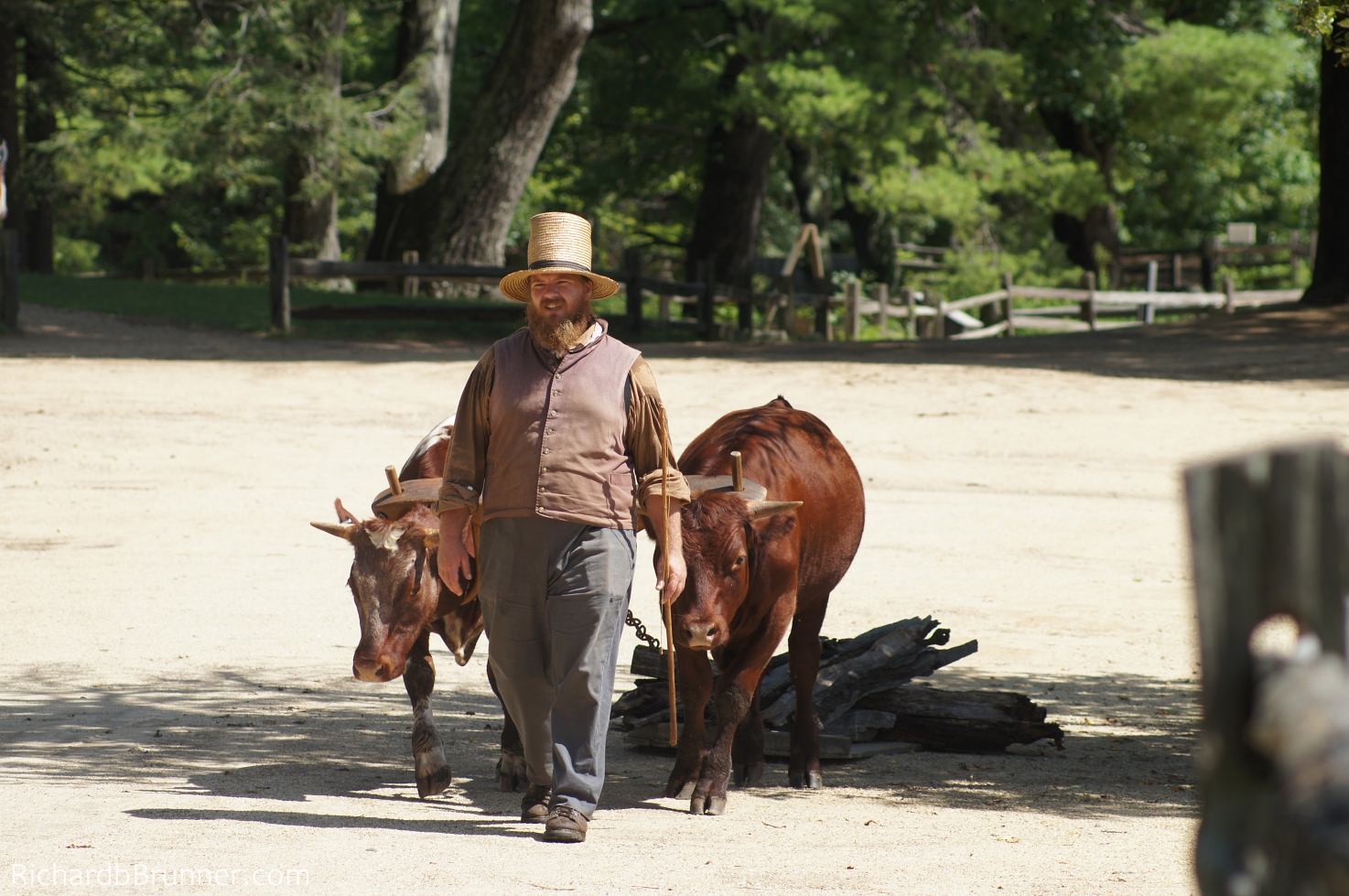
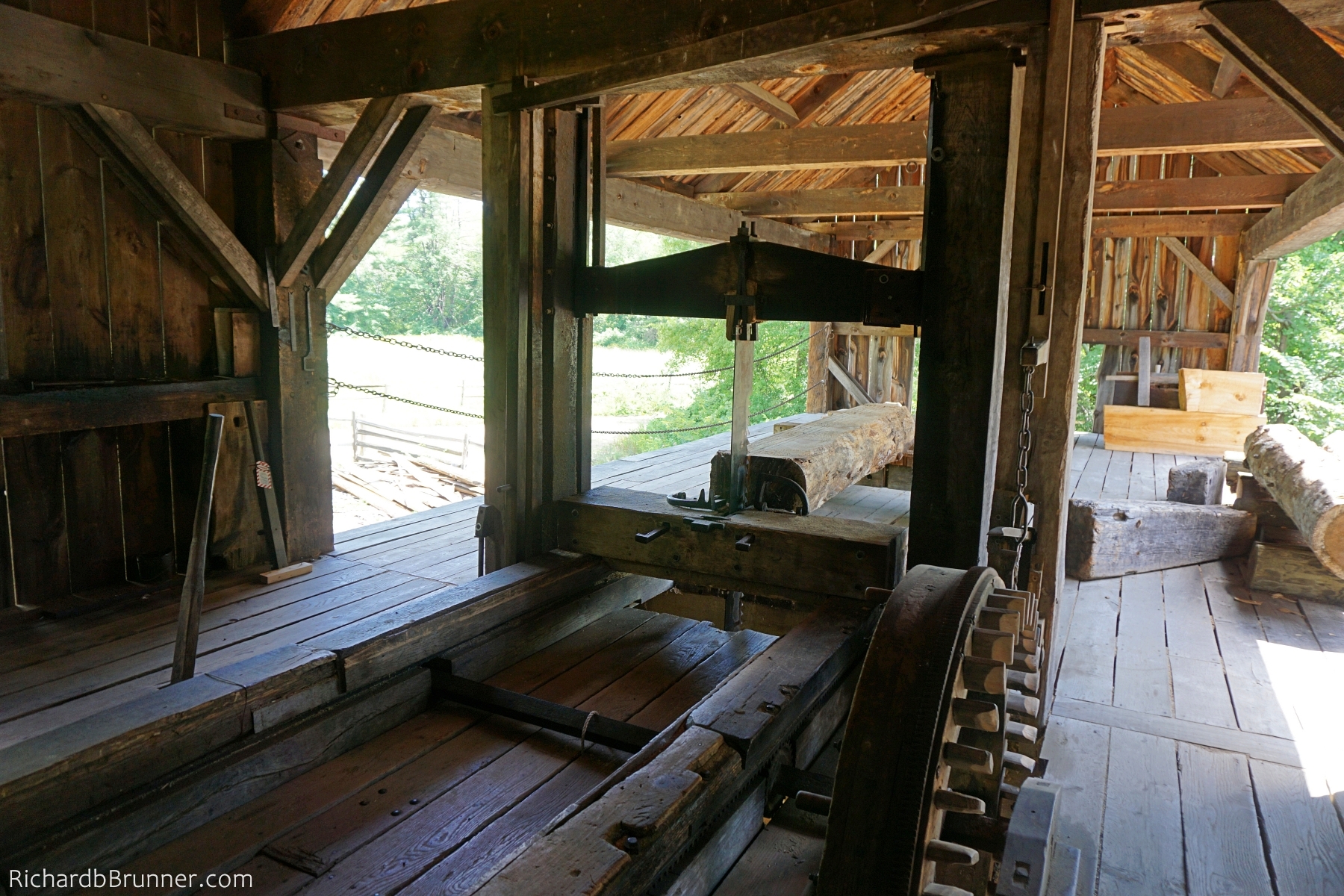
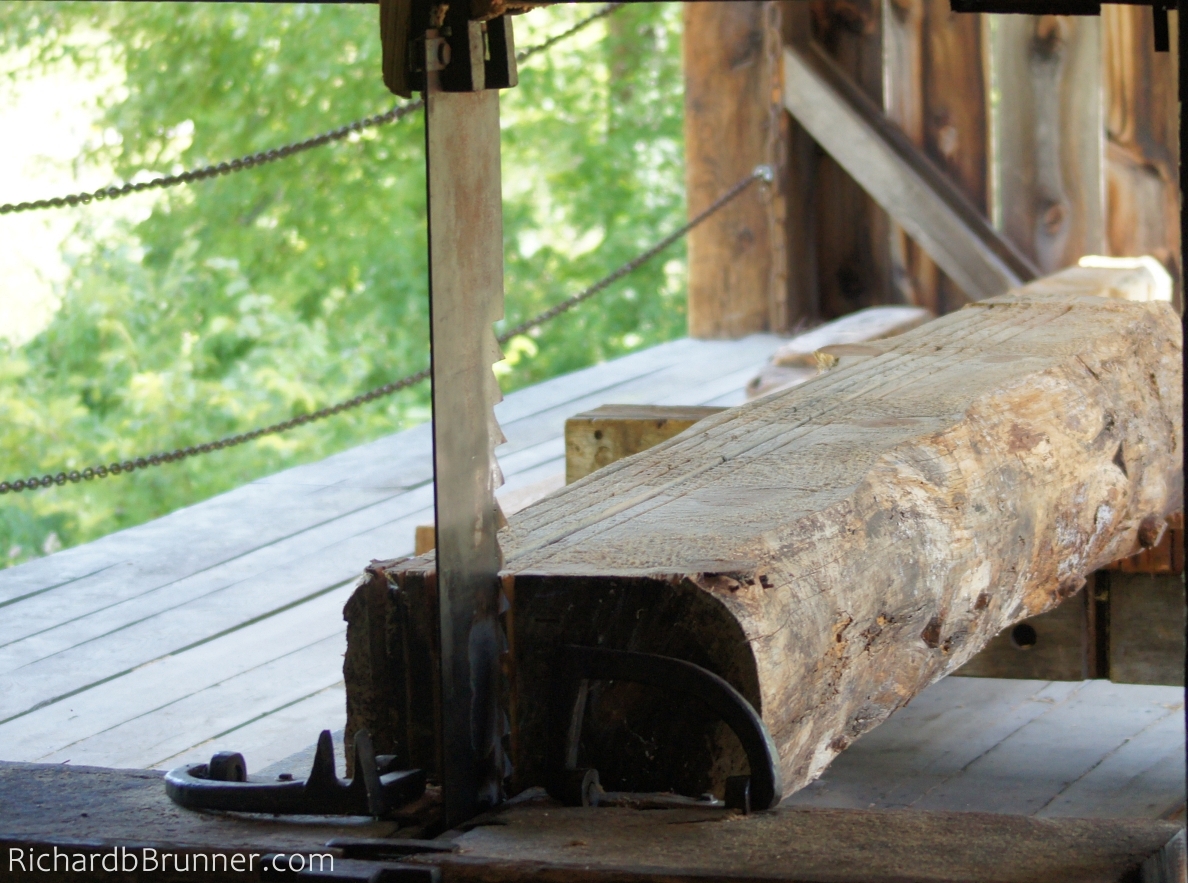
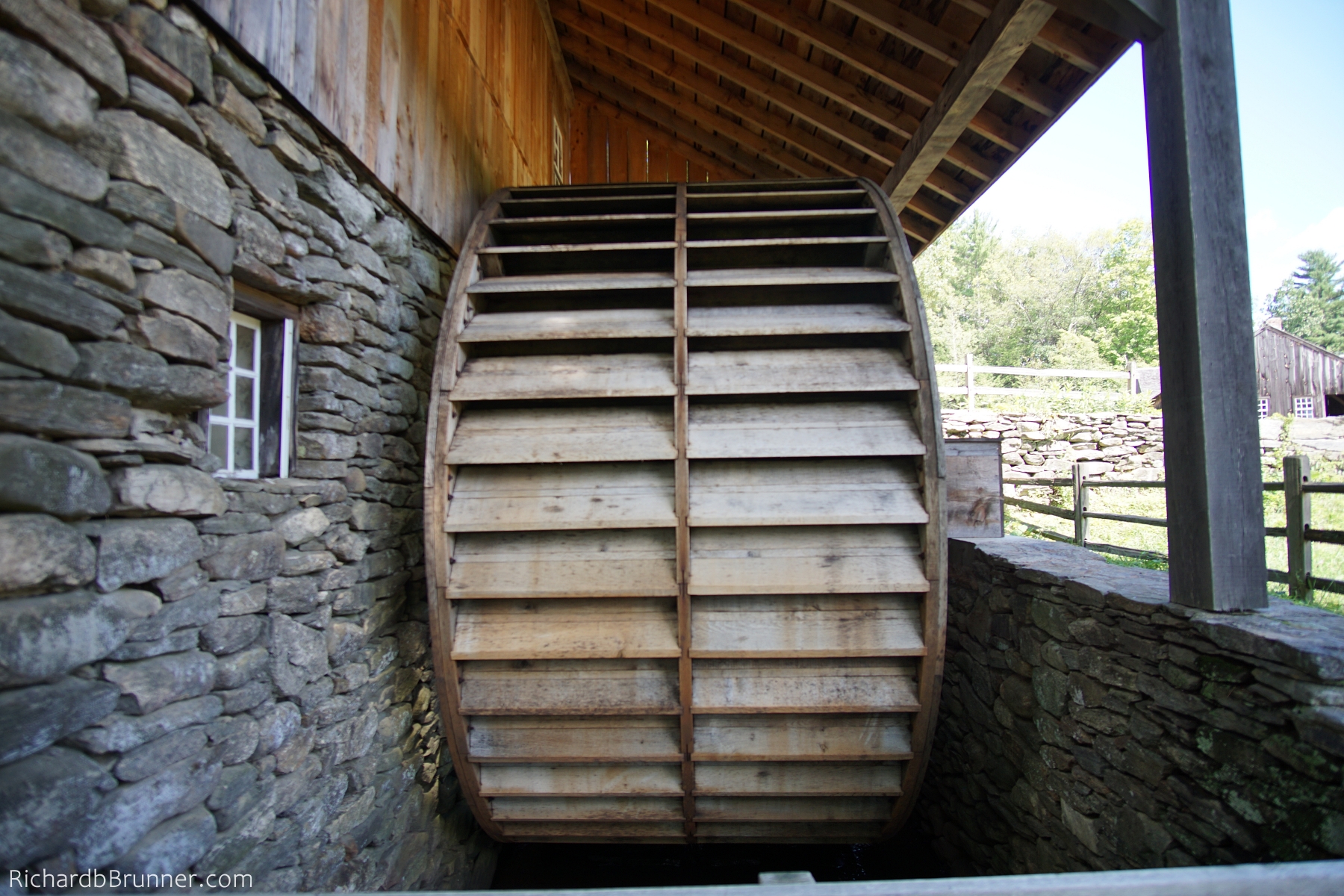
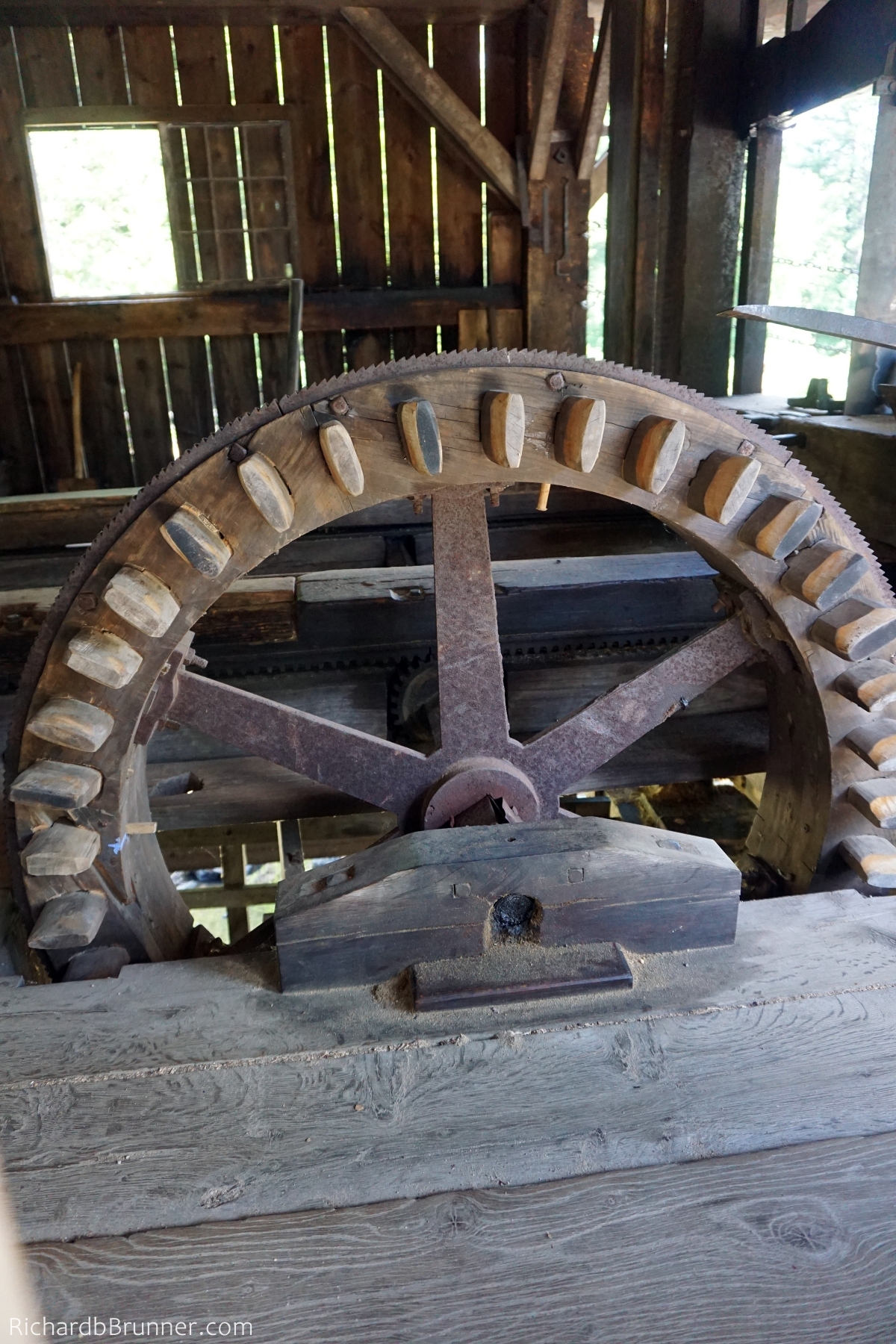
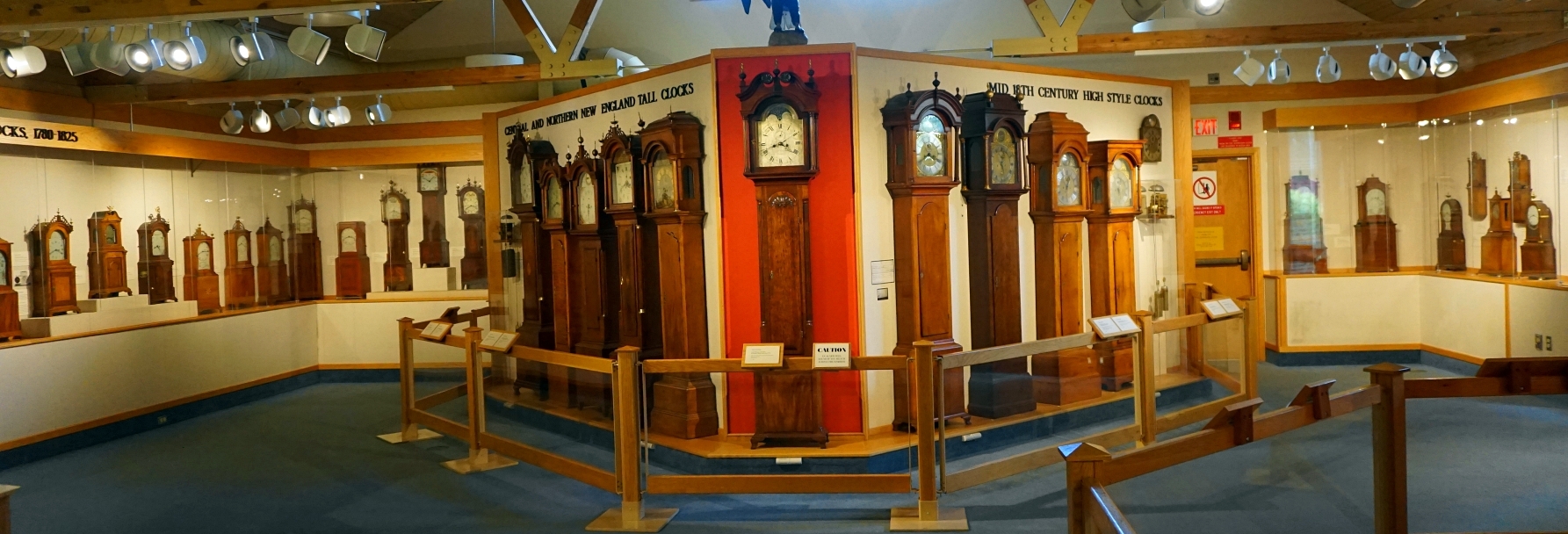
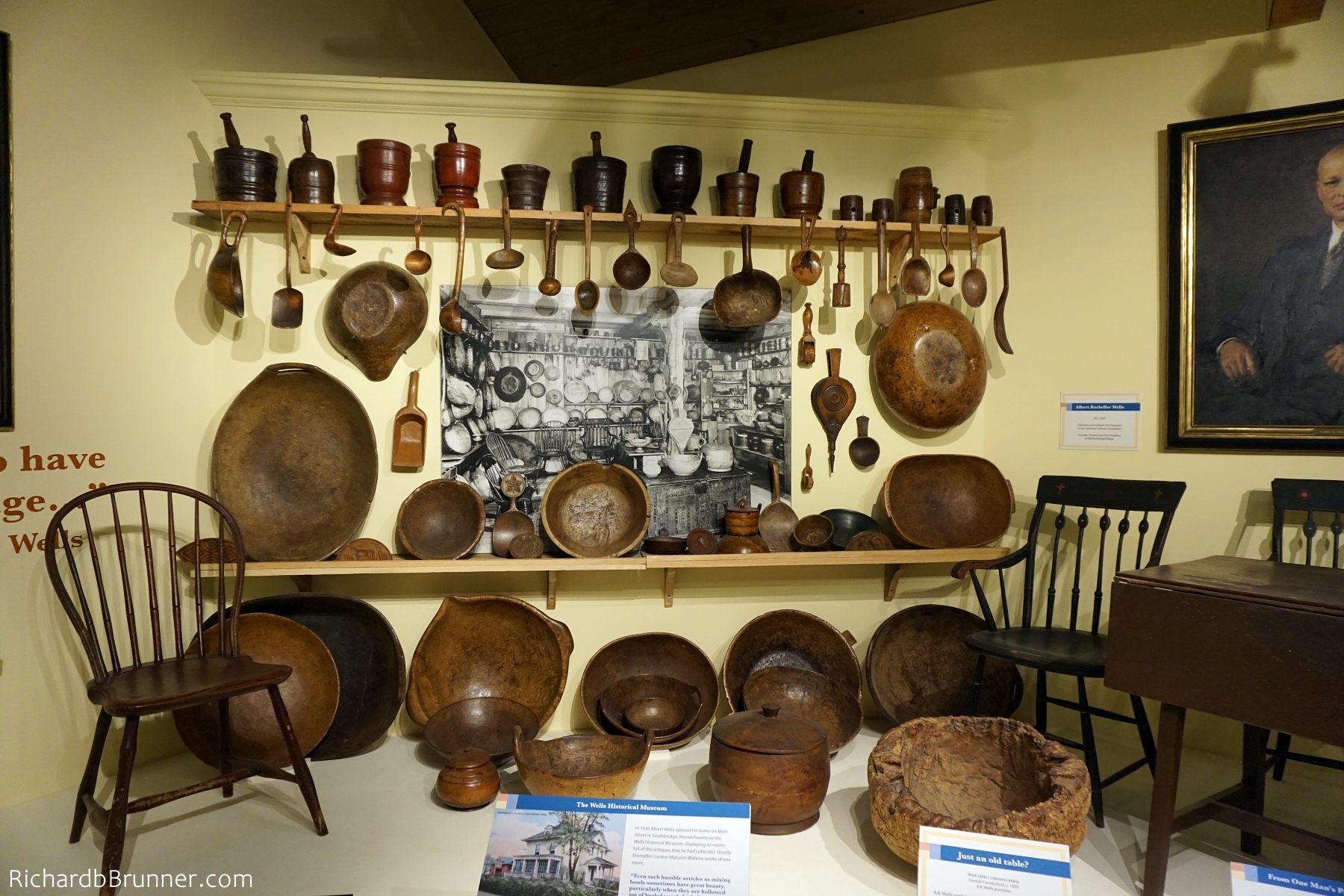
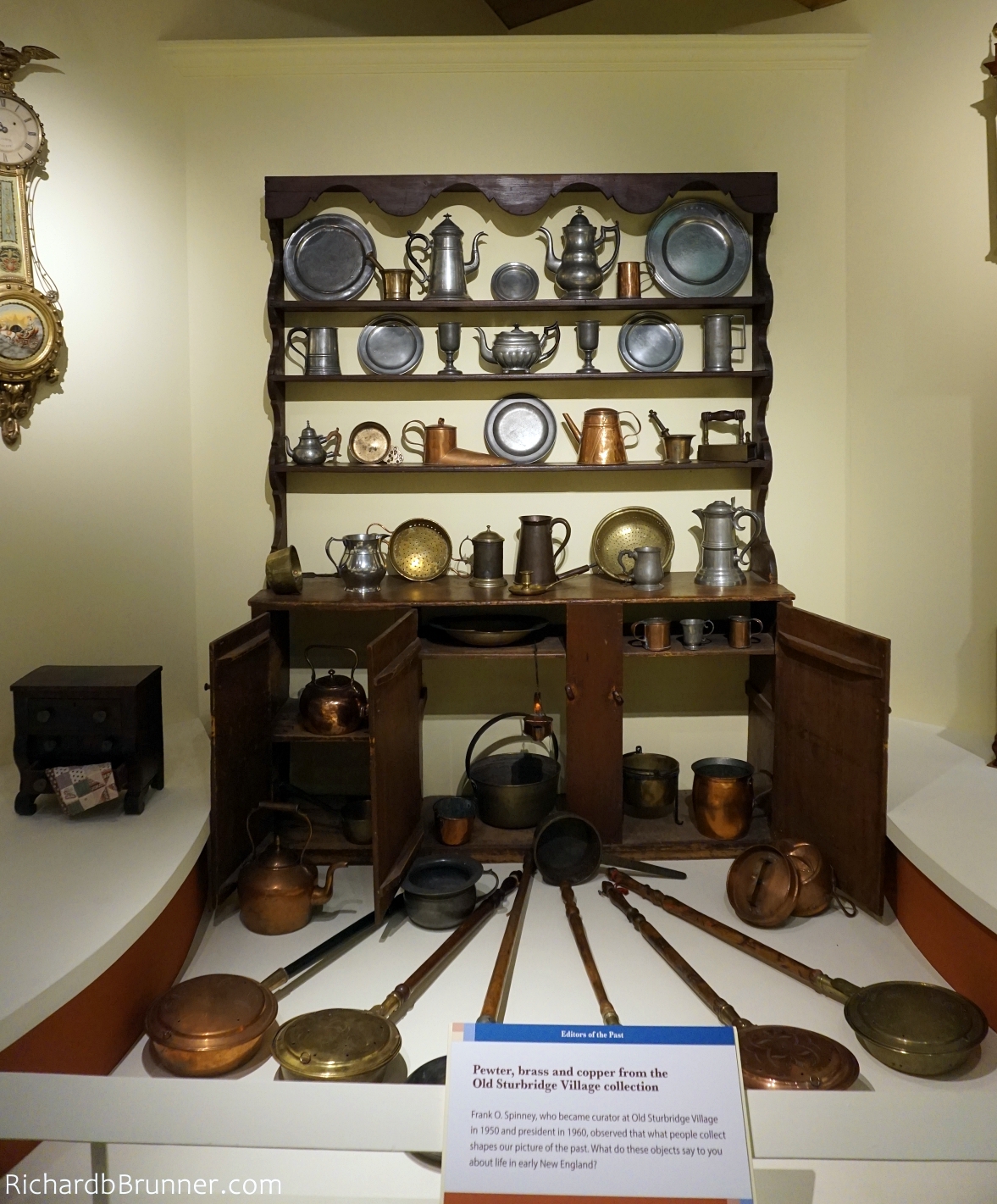
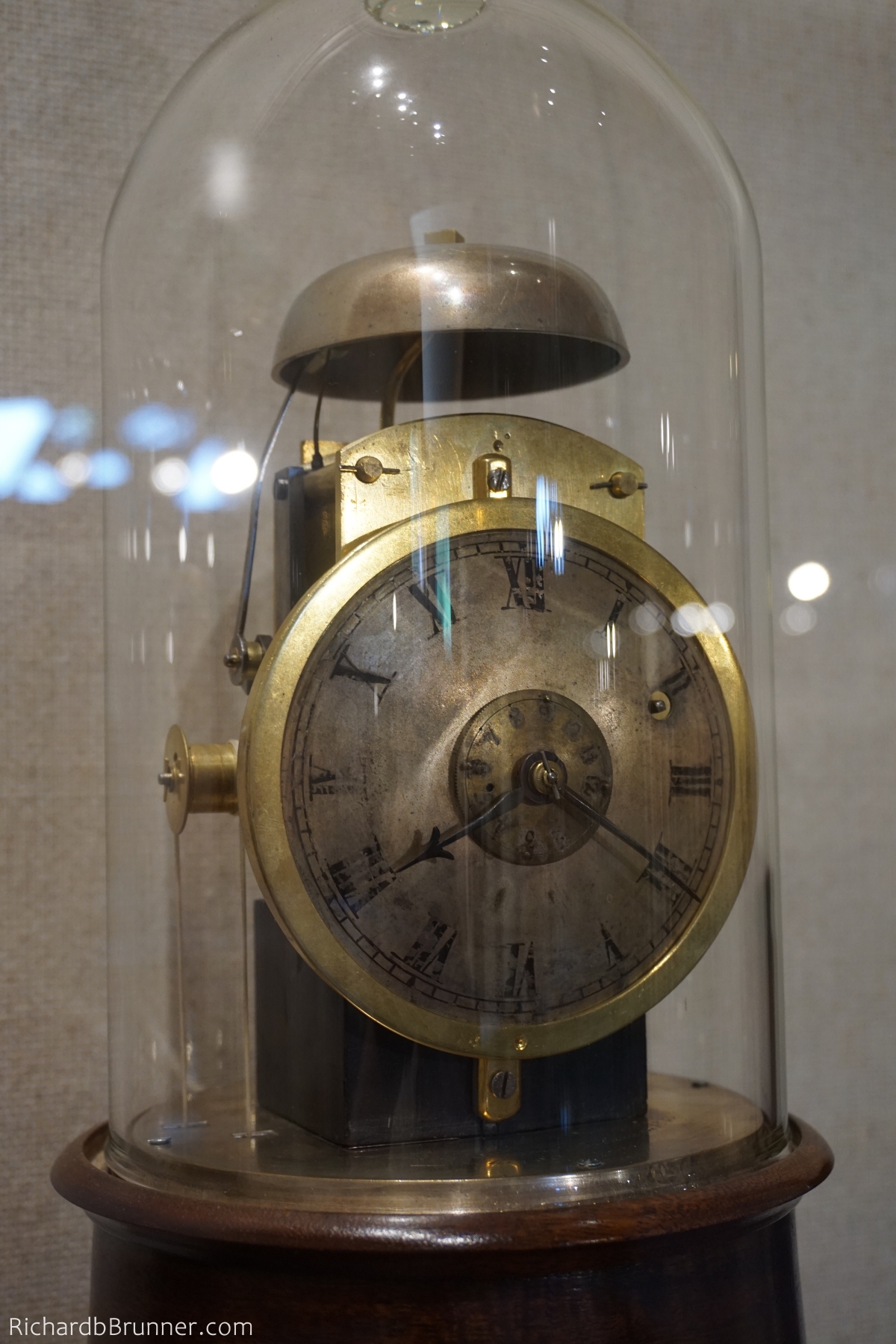
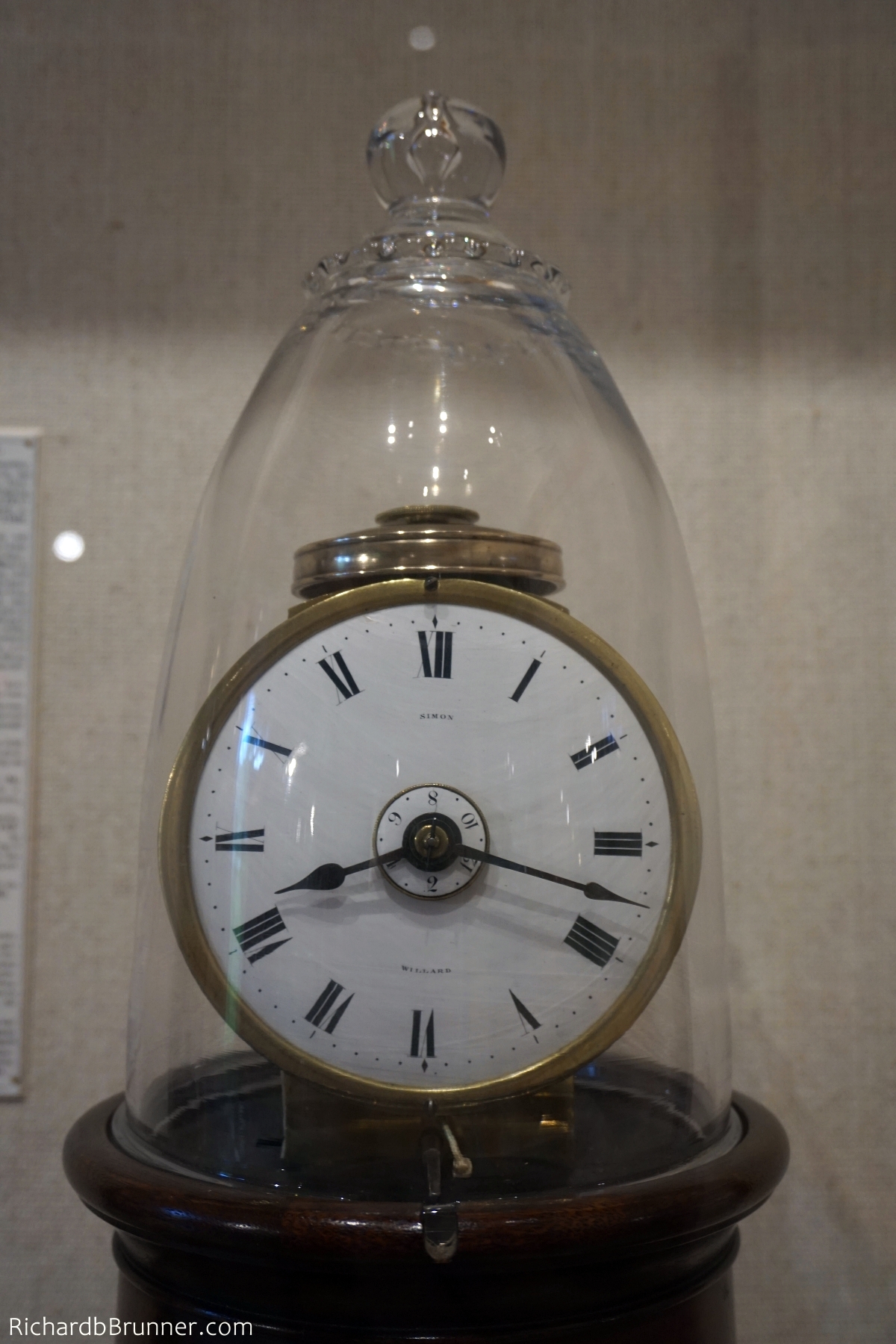
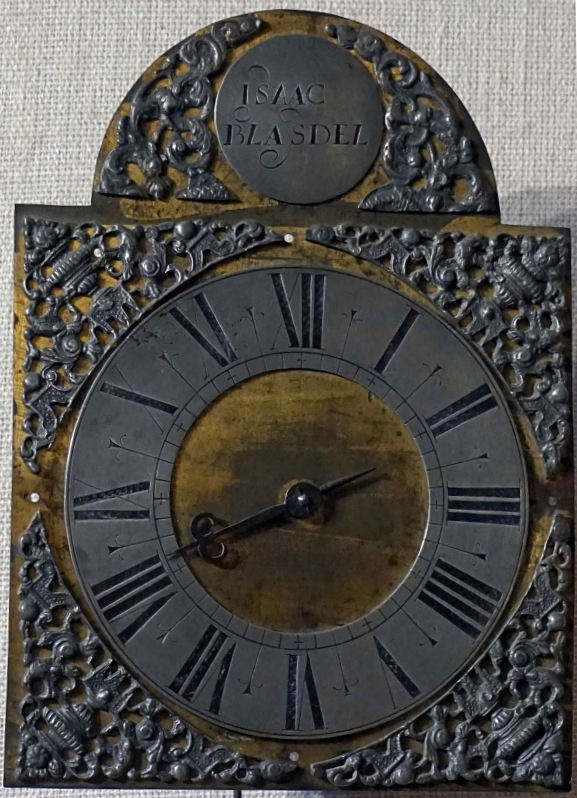
Old Sturbridge Village is a living museum located in Sturbridge, Massachusetts which recreates life in rural New England during the 1790s through 1830s. It is the largest living museum in New England, covering more than 200 acres (80 hectares). The Village includes 59 antique buildings, three water-powered mills, and a working farm. Third-person costumed interpreters demonstrate and interpret 19th-century arts, crafts, and agricultural work. The museum is popular among tourists and for educational field trips. From Wikipedia.
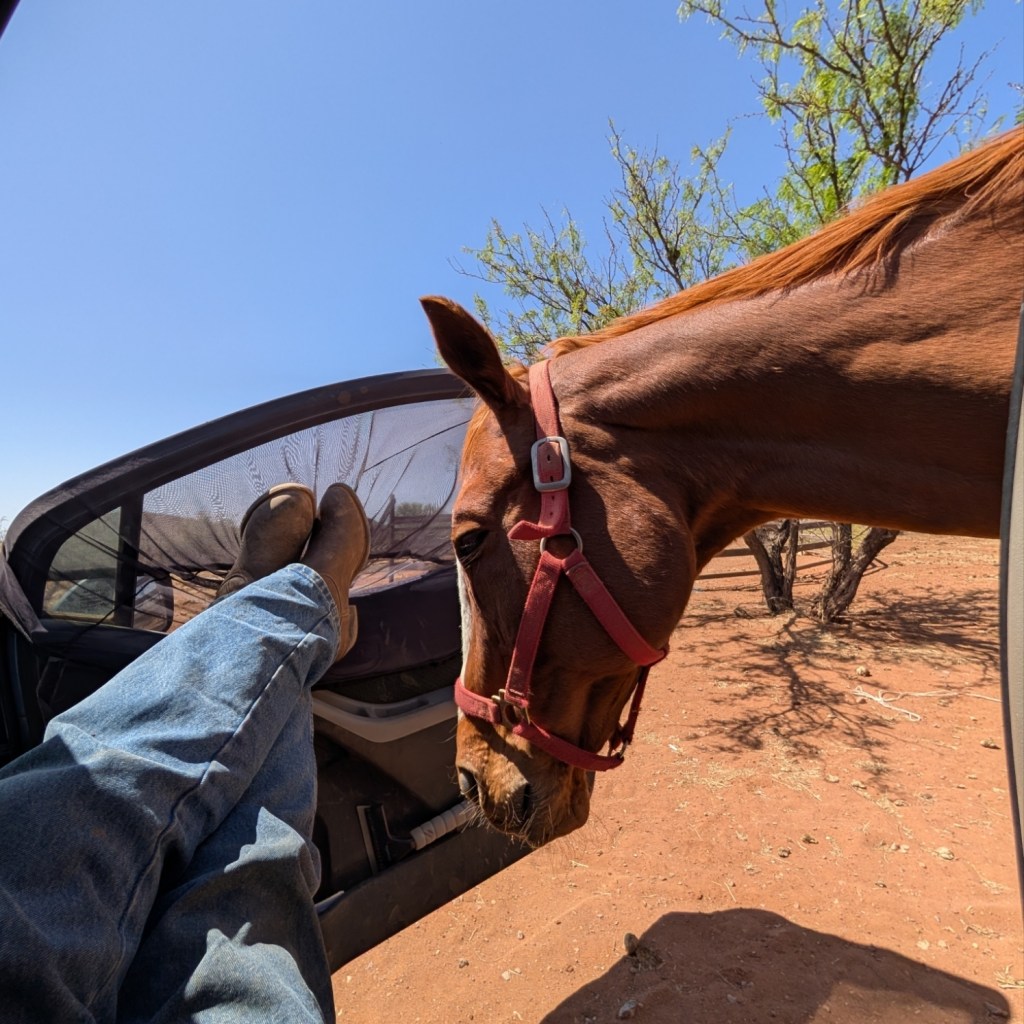
They discovered that ginger cats are missing a section of their genetic code, which means the cells responsible for their skin, eye and fur tone produce lighter colours.
I was chatting with someone and I mentioned that I needed to do some work on my blogs. They commented that if I don’t get paid it isn’t work.
I never thought of it that way……
As a teenager I decided to take a vow of poverty….. as a way to attach my spiritual practice (work) to my work for money (job).
This decision came after a few short years of studying Christian, Confucius, and Hindu (Raja Yoga) philosophy. AND, as a hard working warehouse man.
My dad insisted that I get my SS # at the age of 10 so that I could start working. I worked in a small warehouse, pulling orders, loading trucks, and unloading tractor trailers. Later, I would occasionally make deliveries and help with store sets.
Starting in 1980 I decided to shake things up by working as a house painter and landscaper in the summers and for 3 different temp agencies in the winter. All the while taking one class a semester at local colleges (for 12 years), studying history, and human services. In 1981 I began apprenticing with a group specialist facilitating well adult (out patient) group expressive arts classes/workshops (for 15 years).
In 1987 after a month long training in expressive arts at Anna Halprin’s Tamalpa studio and at Sea Ranch I decided to start working at an antiques store repairing frames, matting, and archival framing all the while continuing my apprenticeship with weekend and week long workshops, and taking classes.
I worked at the antique store for a total of 18 years. Not a great paying job but it did have full benefits and I could take a few weeks off a year to co-facilitate workshops. In 1996 I decided to take a break from working with antiques and my apprenticeship and moved back to my parents home to help them prepare the farm for sale. I did work a bit charging a nominal fee for wellness coaching.
After the farm was sold and my parents had settled into their new digs I moved back to the city and the antique store where I continued to work until grad school. On occasion i offered movement based expressive arts workshops to folks and faith communities.
In 2007 I left my job at the antique store and started Graduate school, working at the front desk reception part time, attending school part time, and doing internships.
I graduated and the hospital that I had done my last internship at offered me a job and I accepted. Three years later I had a series of mini strokes, quickly recovered and about 2 months after that my entire department was laid off.
After about 10 months of doctor visits, surgery and post surgery cardiac rehabilitation, I went to work at another former internship site where I worked facilitating in and out patient groups.
So ….now I am basically retired, always looking to facilitate groups and/or offer assistance. I stopped telling people that I took a vow of poverty since most people don’t react well to that fact and after multiple surgeries I can only manage a few hours a week at best anyway.
So, work is only work if someone pays you?
No … yes. Helping others is its own reward, and it is work. Or practice as I sometimes call it
A new study has found that a patient’s preference for the time and place of their psychological treatment affects their perception of the treatment.
The study, from researchers at the Royal College of Psychiatrists and Imperial College London, looked at the treatment preferences of patients involved in the National Audit of Psychological Therapies according to five aspects: venue, time of day, gender of therapist, language that the treatment was delivered in, and therapy type.
For each of these features, the 14,587 patients were asked to rate whether or not they had a strong preference and if they were given enough choice. They were also asked to evaluate their satisfaction with treatment outcome using a five-point scale. MORE HERE
Since 2016 I have, on occasion, been traveling in my little blue Yaris hatchback. AND like every other blue 2008 Yaris it has a clear coat paint peeling problem. AND despite its looks the little bugger seems to putter along ok.
I am planning a slow drive across America. From Arizona to the tri-state area … arriving around the beginning of springish. I will be stopping at some historical, spiritual, and interesting sites. Between here and there …. it’s over 2000 miles so …….. !!Looking for suggestions!!
As a deeply spiritual person I like to spend a part of each day in prayer, just as I have done since I was a teen. Hopefully that will at least occasionally be at a community of faith and likely more often at a rest area on the interstate or at a park along one of the blue highways. [see: William Least Heat Moon]. !!Looking for suggestions!!
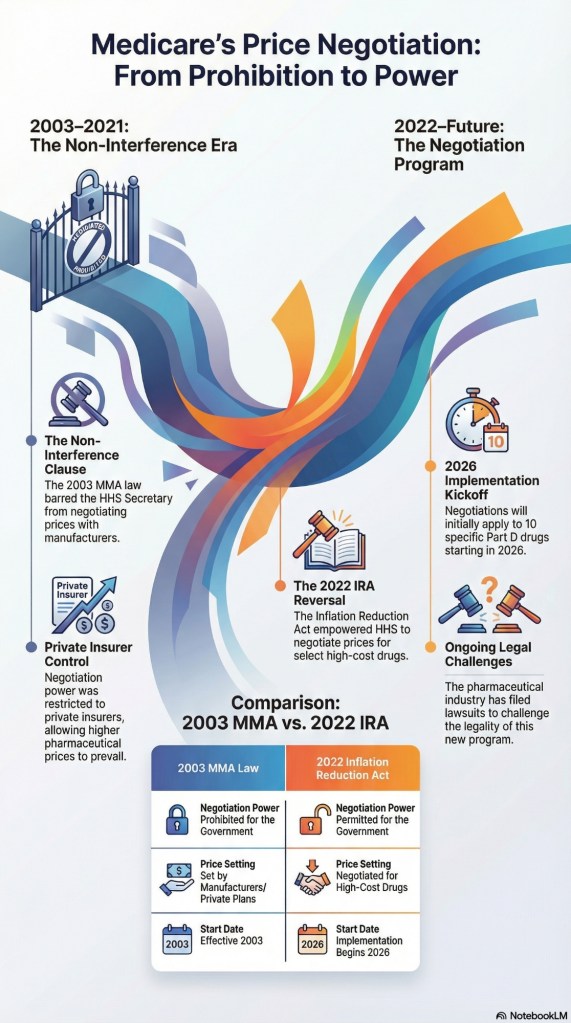
The Medicare Prescription Drug, Improvement, and Modernization Act of 2003 (MMA) included a “non-interference clause” that officially prohibited Medicare from negotiating prescription drug prices directly with manufacturers.
This law established Part D and required private insurers to handle negotiations, allowing higher prices to prevail until the Inflation Reduction Act of 2022 (IRA)
The IRA partially reversed this, enabling negotiations for specific drugs starting in 2026. Key Details on the Law and Reversal:
• The 2003 Prohibition: The MMA stipulated that the Secretary of Health and Human Services (HHS) could not interfere with negotiations between drug manufacturers and private Medicare plans, effectively barring direct federal price negotiations.
• The Impact: This restriction, often called the “non-interference clause,” allowed pharmaceutical companies to set prices that Medicare plans were forced to accept.
• The Reversal (2022): The Inflation Reduction Act (IRA) allows HHS to negotiate prices for a limited number of high-cost, single-source drugs, beginning with 10 Part D drugs in 2026, and more in subsequent years.
• Ongoing Legal Challenges: The pharmaceutical industry has filed lawsuits to challenge the Medicare Drug Price Negotiation Program created by the IRA.
.. there is nothing
a blessing
is better suited for
than an ending,
nothing that cries out more
for a blessing
than when a world
is falling apart. Jan Richardson













 RichardbBrunner