Watch “Understanding Opioid Overdose: Causes, Signs and When to Seek Help”
13 Friday Oct 2023

13 Friday Oct 2023
11 Wednesday Oct 2023
Yoga is a mind and body practice in complementary medicine with origins in ancient Indian philosophy. Part two of evidence based Yoga:
Carpal tunnel syndrome A randomized, single-blind controlled trial of 42 patients with carpal tunnel syndrome assigned subjects to either a yoga treatment group or a wrist splint group, each 8 weeks in duration. Twice a week, the yoga group practiced postures specifically designed to strengthen and stretch each joint in the upper body. Yoga participants showed improvement in grip strength, pain levels, and Phalen’s sign when compared to the wrist splint group. Nerve conduction studies were not performed.15 A Cochrane review of 21 trials that evaluated the clinical outcome of nonsurgical treatment of carpal tunnel syndrome reported that 8 weeks of yoga practice significantly reduced pain as compared to wrist splinting. The yoga was described as having a “significant short-term benefit,” though the duration of this benefit is unknown.16

Depression A 2004 review of five RCTs that evaluated yoga-based interventions for depression and depressive disorders showed some positive outcomes and no adverse effects on patients’ mild to severe depressive disorders. However, poor study design and incomplete methodologic reporting makes this interpretation preliminary.17 An RCT studying 7 weeks of yoga training in a group of breast cancer survivors showed positive changes in emotional function, depression, and mood disturbance.18 “Yoga and stress management” (in the online version of this article) provides more information on this study and others involving the effects of yoga on stress.
Irritable bowel syndrome In an RCT, treatment with loperamide (Imodium) was compared to treatment with a series of 12 yoga postures practiced twice a day for 2 months in a small sample of patients with clinically diagnosed irritable bowel syndrome. Patients underwent measurement of surface electrogastrography, and trait and state anxiety tests were administered before, during, and up to 2 months after treatment. Both intervention groups demonstrated a decrease in bowel symptoms and state anxiety.19
Menopausal symptoms In a recent pilot study, 14 postmenopausal women reported via interview and questionnaire a decrease in the severity and frequency of hot flushes after 8 weeks of 90-minute “restorative yoga” classes. Although this initial finding sounds encouraging, this trial had no control group or objective parameter measurements.20 An RCT studying postmenopausal sleep quality divided 164 women into groups who participated in either 4 months of low-intensity yoga, a moderate-intensity walking program, or a wait-list control group. This study reported no statistically significant interventional effects of any treatment on total sleep quality or on any individual sleep quality domain.21
Multiple sclerosis An RCT of 57 subjects with clinically defined multiple sclerosis were assigned to weekly Iyengar yoga class plus home practice, a cycling program, or a wait-list control group for 6 months. Results showed that both active interventions produced significant improvement in perceived levels of energy and reduced fatigue; however, the specific effects of the yoga practice were not isolated.22 Osteoarthritis In a pilot study, 11 deconditioned, yoga naive subjects with a clinical diagnosis of knee osteoarthritis showed improvements in pain and knee stiffness after 8 weeks of yoga training. The group performed modified Iyengar yoga sessions once a week.23
Seizure disorders In 2000, a systematic review of the published literature revealed that only one study was able to meet the selection criteria for reliable research design. The reviewers concluded that no available evidence pointed to yoga therapy as an efficacious treatment for epilepsy.24
Strength and flexibility In a recent study on the fitness related effects of hatha yoga, 10 yoga-naïve and previously untrained subjects aged 18 to 27 years participated in 85 minutes of pranayama and hatha yoga practice twice a week for 8 weeks. These subjects showed significant improvement in upper and lower body muscular strength, endurance, and flexibility. No statistically significant change in body composition or pulmonary function was observed.13
In a partial RCT with a longer time frame, 54 subjects aged 20 to 25 years participated in either 5 months of yoga instruction or no activity. After that time period, both groups practiced yoga for an additional 5 months. The group practicing 10 months of yoga showed significant improvements in shoulder, trunk, hip, and neck flexibility, as well as a reported improved performance during submaximal exercise testing.25
A well-executed study compared subjects who underwent 24 hours of hatha yoga classes over 8 weeks with a control group. The yoga training group showed a 13% to 35% improvement in flexibility, balance, and muscular endurance. The authors concluded that hatha yoga practice has significant effects on balance and flexibility.26
1. Tindle HA, Davis RB, Phillips RS, Eisenberg DM. Trends in use of complementary and alternative medicine by US adults: 1997-2002. Altern Ther Health Med. 2005;11(1):42-49.
2. Carrico M. Yoga Journal’s Yoga Basics: The Essential Beginner’s Guide to Yoga for a Lifetime of Health and Fitness. New York, NY: Henry Holt and Company; 1997.
3. Nayak NN, Shankar K. Yoga: a therapeutic approach. Phys Med Rehabil Clin N Am. 2004;15(4): 783-798, vi.
4. Innes KE, Bourguignon C, Taylor AG. Risk indices associated with the insulin resistance syndrome, cardiovascular disease, and possible protection with yoga: a systematic review.J Am Board Fam Pract. 2005;18(6):491-519.
5. Raub JA. Psychophysiologic effects of Hatha yoga on musculoskeletal and cardiopulmonary function: a literature review. J Altern Complement Med. 2002;8(6):797-812.
6. Luskin FM, Newell KA, Griffith M, et al. A review of mind-body therapies in the treatment of musculoskeletal disorders with implications for the elderly. Altern Ther Health Med. 2000;6(2): 46-56.
7. Jensen PS, Kenny DT. The effects of yoga on the attention and behavior of boys with attentiondeficit/ hyperactivity disorder (ADHD). J Atten Disord. 2004;7(4):205-216.
8. Kirkwood G, Rampes H, Tuffrey V, et al. Yoga for anxiety: a systematic review of the research evidence. Br J Sports Med. 2005;39(12):884-891.
9. Krisanaprakornkit T, Krisanaprakornkit W, Piyavhatkul N, Laopaiboon M. Meditation therapy for anxiety disorders. Cochrane Database Syst Rev. 2006;(1):CD004998.
10. Sabina AB, Williams AL, Wall HK, et al. Yoga intervention for adults with mild-to-moderate asthma: a pilot study. Ann Allergy Asthma Immunol. 2005;94(5):543-548.
11. Vendanthan PK, Kesavalu LN, Murthy KC, et al. Clinical study of yoga techniques in university students with asthma: a controlled study. Allergy Asthma Proc. 1998;19(1):3-9.
12. Sherman KJ, Cherkin DC, Erro J, et al. Comparing yoga, exercise, and a self-care book for chronic low back pain: a randomized, controlled trial. Ann Intern Med. 2005;143(12):849-856.
13. Tran MD, Holly RG, Lashbrook J, Amsterdam EA. Effects of Hatha yoga practice on the healthrelated aspects of physical fitness. Prev Cardiol. 2001;4(4):165-170.
14. Clay CC, Lloyd LK, Walker JL, et al. The metabolic cost of Hatha yoga. J Strength Cond Res. 2005;19(3):604-610.
15. Garfinkel MS, Singhal A, Katz WA, et al. Yoga-based intervention for carpal tunnel syndrome: a randomized trial. JAMA. 1998;280(18):1601-1603.
16. O’Connor D, Marshall S, Massy-Westropp N. Nonsurgical treatment (other than steroid injection) for carpal tunnel syndrome. Cochrane Database Syst Rev. 2003(1):CD003219.
17. Pilkington K, Kirkwood G, Rampes H, Richardson J. Yoga for depression: the research evidence. J Affect Disord. 2005;89(1-3):13-24.
18. Culos-Reed SN, Carlson LE, Daroux LM, Hately-Aldous S. A pilot study of yoga for breast cancer survivors: physical and psychological benefits. Psycho Oncol. 2006;15(10):891-897.
19. Taneja I, Deepak KK, Poojary G, et al. Yogic versus conventional treatment in diarrheapredominant irritable bowel syndrome: a randomized control study. Appl Psychophysiol Biofeedback. 2004;29(1):19-33.
20. Cohen BE, Kanaya AM, Macer JL, et al. Feasibility and acceptability of restorative yoga for treatment of hot flushes: a pilot trial. Maturitas. 2007;56(2):198-204.
21. Elavsky S, McAuley E. Lack of perceived sleep improvement after 4-month structured exercise programs. Menopause. 2007;14(3, pt 1):535-540.
22. Oken BS, Kishiyama S, Zajdel D, et al. Randomized controlled trial of yoga and exercise in multiple sclerosis. Neurology. 2004;62(11):2058-2064.
23. Kolasinski SL, Garfinkel M, Tsai AG, et al. Iyengar yoga for treating symptoms of osteoarthritis of the knees: a pilot study. J Altern Complement Med. 2005;11(4):689-693.
24. Ramaratnam S, Sridharan K. Yoga for epilepsy. Cochrane Database Syst Rev. 2000(3):CD001524.
25. Ray US, Mukhopadhyaya S, Purkayastha SS, et al. Effect of yogic exercises on physical and mental health of young fellowship course trainees. Indian J Physiol Pharmacol. 2001;45(1):37-53.
26. Boehde D, Porcari JP, Greany J, et al. The physiological effects of 8 weeks of yoga training. J Cardiopulm Rehabil. 2005;25(5):290.
09 Monday Oct 2023
Posted in Music
≈ Comments Off on My Most Listened to Songs of 2022: JUNGLE – GOOD TIMES / PROBLEMZ
06 Friday Oct 2023
Posted in nature
≈ Comments Off on Watch “Dan Flores: On the History of Bison in the American West” on YouTube
04 Wednesday Oct 2023
Tags
Yoga is a mind and body practice in complementary medicine with origins in ancient Indian philosophy. The various styles of yoga that people use for health purposes typically combine physical postures, breathing techniques, and meditation or relaxation. There are numerous schools of yoga. Hatha yoga, the most commonly practiced in the United States and Europe, emphasizes postures (asanas) and breathing exercises (pranayama).
Since the 1020’s researchers have been studying and publishing articles on the results of a Yoga practice. Listed below are some of the research results of Hatha Yoga and specific medical conditions. :
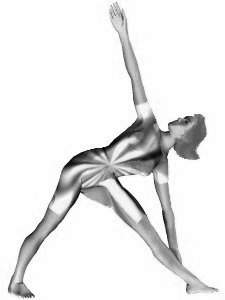
ADHD Eighteen boys with diagnosed attention-deficit/hyperactivity disorder (ADHD) were randomly assigned to either a yoga treatment or a cooperative activities group. After 20 sessions of yoga, the boys showed improvement on a variety of indices, including oppositional behavior, emotional lability, and restlessness or impulsivity. The subjects exhibited a dose/ response curve, with those subjects who participated in additional home practice showing a greater response. The control group showed superior scores on measures of hyperactivity, anxiety, and shyness, as well as social function measures.7
Anxiety A meta-analysis of the research involving yoga interventions for anxiety and related disorders reviewed eight studies conducted during 2004. Overall, this research reported positive results, especially in cases of obsessive-compulsive disorder. However, the authors were quick to point out a generally poor quality of research techniques, inadequacies in methodology, and difficulty comparing studies.8 A Cochrane review of two RCTs that investigated the effectiveness of meditation and yoga on patients with diagnosed anxiety disorders stated that based on the available research, no distinct conclusions can be drawn on the ability of meditation and yoga to be effective for anxiety disorders.9
Asthma To determine the efficacy of Iyengar yoga practice on symptoms and perceived quality of life of people living with asthma, 62 patients with mild to moderate asthma were randomized and divided into two groups. The treatment group performed Iyengar yoga for 4 weeks, and the control group enrolled in a “stretching” program. Both groups underwent spirometry testing and recorded their bronchodilator use, symptoms, and quality of life assessments. At no point in the study did the yoga intervention group show a measured benefit in clinical indices.10
Another small RCT divided 17 subjects into a yoga treatment and a control group. The yoga group engaged in relaxation pranayama (mindful breathing) techniques, yoga postures, and meditation 3 times per week for 16 weeks. Spirometry testing showed little difference between the two groups; however, the yoga group showed improved exercise tolerance and reported relaxation as well as a more positive attitude as measured by questionnaire. This study also showed a trend toward less use of short-acting bronchodilator medication in the yoga group.11
Back pain A 12-week RCT compared viniyoga practice with conventional therapeutic back exercises or a self-help book for 101 patients with chronic low back pain. The yoga group met with one instructor for a weekly 75-minute viniyoga practice. Patients were also encouraged to practice at home daily and were given handouts and an audio CD guide. This group showed greater improvement in functional status, decreased activity restriction, and increased general health compared to the conventional exercise group or the self-help book group at 12 weeks. At 26 weeks post treatment, the conventional exercise and yoga therapy group did not show a significant difference in outcome, though at all points in time, viniyoga therapy appeared to be more effective than the self- care book. The viniyoga benefit also lasted for months after the intervention.12
Cardiovascular disease A systematic literature review of 70 studies published over the past two decades showed a trend toward beneficial changes in metabolic syndrome risk factors such as insulin resistance, lipid profiles, BP, and anthropomorphic indices. The author noted that by controlling risk factors for metabolic syndrome, a regular yoga practice might possibly reduce the risk of cardiovascular disease (CVD). It is important to note that approximately one-third of the reviewed studies were RCTs and that the majority of the others were uncontrolled or nonrandomized controlled clinical trials.4 A 2002 comprehensive review of the literature on the psychophysiological effects of hatha yoga concluded that regular hatha yoga practice and a “yoga lifestyle” have the potential to benefit CVD risk indices.5
Cardiovascular fitness A 50-minute hatha yoga routine burns 2.2 to 3.6 kcal/min, the equivalent a very slow walk. Except in persons who are very deconditioned, this type of yoga practice alone is unlikely to have a significant training effect on cardiovascular fitness, pulmonary function, body composition, or fat metabolism.13 More vigorous forms of power or vinyasa yoga require a higher energy output, depending on the method of teaching and selection of asanas (postures). One recent study demonstrated a 7% increase in VO2 max after previously sedentary subjects practiced 8 weeks of yoga training.13However, the general consensus is that yoga does not provide the significant cardiovascular stimulus necessary to enhance cardiovascular function.14
REFERENCES
1. Tindle HA, Davis RB, Phillips RS, Eisenberg DM. Trends in use of complementary and alternative medicine by US adults: 1997-2002. Altern Ther Health Med. 2005;11(1):42-49.
2. Carrico M. Yoga Journal’s Yoga Basics: The Essential Beginner’s Guide to Yoga for a Lifetime of Health and Fitness. New York, NY: Henry Holt and Company; 1997.
3. Nayak NN, Shankar K. Yoga: a therapeutic approach. Phys Med Rehabil Clin N Am. 2004;15(4): 783-798, vi.
4. Innes KE, Bourguignon C, Taylor AG. Risk indices associated with the insulin resistance syndrome, cardiovascular disease, and possible protection with yoga: a systematic review.J Am Board Fam Pract. 2005;18(6):491-519.
5. Raub JA. Psychophysiologic effects of Hatha yoga on musculoskeletal and cardiopulmonary function: a literature review. J Altern Complement Med. 2002;8(6):797-812.
6. Luskin FM, Newell KA, Griffith M, et al. A review of mind-body therapies in the treatment of musculoskeletal disorders with implications for the elderly. Altern Ther Health Med. 2000;6(2): 46-56.
7. Jensen PS, Kenny DT. The effects of yoga on the attention and behavior of boys with attentiondeficit/ hyperactivity disorder (ADHD). J Atten Disord. 2004;7(4):205-216.
8. Kirkwood G, Rampes H, Tuffrey V, et al. Yoga for anxiety: a systematic review of the research evidence. Br J Sports Med. 2005;39(12):884-891.
9. Krisanaprakornkit T, Krisanaprakornkit W, Piyavhatkul N, Laopaiboon M. Meditation therapy for anxiety disorders. Cochrane Database Syst Rev. 2006;(1):CD004998.
10. Sabina AB, Williams AL, Wall HK, et al. Yoga intervention for adults with mild-to-moderate asthma: a pilot study. Ann Allergy Asthma Immunol. 2005;94(5):543-548.
11. Vendanthan PK, Kesavalu LN, Murthy KC, et al. Clinical study of yoga techniques in university students with asthma: a controlled study. Allergy Asthma Proc. 1998;19(1):3-9.
12. Sherman KJ, Cherkin DC, Erro J, et al. Comparing yoga, exercise, and a self-care book for chronic low back pain: a randomized, controlled trial. Ann Intern Med. 2005;143(12):849-856.
13. Tran MD, Holly RG, Lashbrook J, Amsterdam EA. Effects of Hatha yoga practice on the healthrelated aspects of physical fitness. Prev Cardiol. 2001;4(4):165-170.
14. Clay CC, Lloyd LK, Walker JL, et al. The metabolic cost of Hatha yoga. J Strength Cond Res. 2005;19(3):604-610.
02 Monday Oct 2023
Posted in Music
≈ Comments Off on My Most Listened to Songs of 2022: Tank And The Bangas – Stolen Fruit
29 Friday Sep 2023
Posted in Health and wellness
≈ Comments Off on Watch “Improving Access to Care for People with Developmental Disabilities”
27 Wednesday Sep 2023
Tags
You’ve probably heard of the brain’s reward network. It’s activated by basic needs — including food, water and sex — and releases a surge of the feel-good neurotransmitter dopamine when those needs are met. But it can also be hijacked by drugs, which lead to a greater dopamine release than those basic needs.
But the reward network isn’t the only brain network altered by drug use. A new review concluded that drug addiction affects six main brain networks: the reward, habit, salience, executive, memory and self-directed networks.
In 2016, a total of 20.1 million people ages 12 and older in the U.S. had a substance-use disorder, according to the National Survey on Drug Use and Health, an annual survey on drug use. And drug addiction, regardless of the substance used, had surprisingly similar effects on the addicted brain, said the review, published in the journal Neuron.
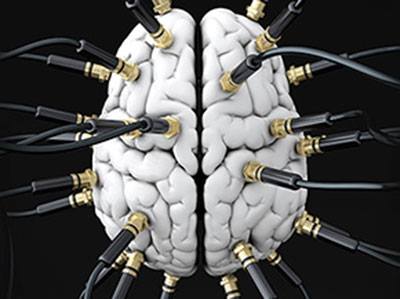
The review looked at more than 100 studies and review papers on drug addiction, all of which studied a type of brain scan called functional magnetic resonance imaging (fMRI).
More than half of the studies out there look at the effects of drug use on the reward network, said Anna Zilverstand, lead author of the new review and an assistant professor of psychiatry at the Icahn School of Medicine at Mount Sinai in New York City.
“Because we showed that the effects are very distributed across the six different networks … [we can conclude that] an approach that only looks at one of these networks isn’t really justified,” Zilverstand told Live Science. “This [finding] will hopefully lead other researchers to look beyond the reward network.”
For example, the memory network is pretty much ignored in research on substance-use disorders, Zilverstand said. This network allows humans to learn non-habit-based things, such as a new physics concept or a history lesson. Some research has suggested that in people with substance-use disorders, stress shifts the person’s learning and memory away from the memory network to the habit network, which drives automatic behavior, such as seeking and taking drugs.
Another less-studied network is the self-directed network, which is involved in self-awareness and self-reflection, the review said. In people with addictions, this network has been associated with increasing craving.
Two other networks are involved in substance-use disorders: The executive network is normally responsible for goal-maintaining and execution, but drugs can alter this network as well, reducing a person’s ability to inhibit their actions. The salience network picks up important cues in a person’s environment and redirects the individual’s attention to them. (In people with drug addiction, attention is redirected toward drugs, increasing craving and drug-seeking.)
Which comes first, the brain activity or the drug use?
“For me, the most surprising [finding] was how consistent the effects were across addictions,” Zilverstand said. What’s more, “the fact that the effects are quite independent of the specific drug use points to them being something general that might actually precede drug use rather than be a consequence of drug use.”
Zilverstand said she hopes that more studies will look at whether some people have abnormal brain activity in these six networks naturally and if that activity just gets exacerbated if they begin drug use. It’s important to know if some of these traits precede drug use; if that’s the case, it might be possible to identify people who are prone to addiction and intervene before an addiction begins, she said.

Some research has pointed toward this possibility already. For example, studies have shown that some people have “difficulties … inhibiting impulsiveness before drug use,” Zilverstand said. “Some of these impairments precede drug use, and they may become worse with more drug use, but they exist before the problem escalates.”
The good news, however, is that activity in four of these networks — executive, reward, memory and salience — moves back toward “normal” once drug use ends. “We know that four of the networks (partially — not fully) recover but not yet what happens to the other two networks,” Zilverstand said in an email.
Zilverstand added that she’s particularly excited about an ongoing study called the Adolescent Brain Cognitive Development (ABCD) Study, which is tracking 10,000 children across the U.S. from around ages 9 or 10 to age 20 (the children are now around 13). Some of these individuals will inevitably become addicted to drugs, most likely marijuana or alcohol, Zilverstand said.
“We’ll be able to see if the effects that we found [in the review] exist in youth who have not yet abused drugs,” she said, and she predicted that researchers will be able to find a lot of the effects identified in the review in the six brain networks.
The authors noted that because some regions of the brain are very small — for example, the amygdala, which is found toward the center of the brain — the studies can’t identify strong signals from those areas on brain scans. So, it’s possible that drugs affect additional networks in the brain that are hidden because of the limitations of our technologies, Zilverstand said.
“We don’t want to conclude that [those effects] don’t exist,” she said.
25 Monday Sep 2023
Posted in Music
≈ Comments Off on My Most Listened to Songs of 2022: WEDNESDAY CAMPANELLA – Edison
24 Sunday Sep 2023
Posted in About
≈ Comments Off on Positive Me
Most people know me as a generally positive glass haft full kinda person. And it’s true, I see most everything in a positive light. This has pissed and angered more than a few over the years. Not really sure why, I suppose they expect me to react and respond to things, people, and places the way they do…. but I don’t, never have, never will.
We have the power to define the meaning of events in our lives.
I learned this as a very young child from my aunties who would visit every summer to help my mom “deal” with me. As an autistic with a heart condition who preferred tree contact more than human contact my mom struggled to know what to do with me. Of course she didn’t have to deal or do, but to just let me be …. which she eventually did (mostly).
My positivity seems to have increased over the years, (if that’s even possible). After heart surgery, multiple brain surgeries, occasional homelessness, and numerous threats of violence I remain optimistic, upbeat, and hopeful.
We do have the power to define the meaning of events in our lives. People, places, and things.

22 Friday Sep 2023
Posted in Cognitive behavioral therapy
≈ Comments Off on Watch “Can our assumptions help shape a better world? | Dr. Zoé von Finck | TEDxESMTBerlin”
20 Wednesday Sep 2023
Posted in Coping Skills
≈ Comments Off on Ways to increase happiness
The most important question to ask when you feel down
Sometimes it doesn’t feel like your brain wants you to be happy. You may feel guilty or shameful. Why?
Believe it or not, guilt and shame activate the brain’s reward center.

Despite their differences, pride, shame, and guilt all activate similar neural circuits, including the dorsomedial prefrontal cortex, amygdala, insula, and the nucleus accumbens. Interestingly, pride is the most powerful of these emotions at triggering activity in these regions — except in the nucleus accumbens, where guilt and shame win out. This explains why it can be so appealing to heap guilt and shame on ourselves — they’re activating the brain’s reward center.
And you worry a lot, too. Why? In the short term, worrying makes your brain feel a little better — at least you’re doing something about your problems.
In fact, worrying can help calm the limbic system by increasing activity in the medial prefrontal cortex and decreasing activity in the amygdala. That might seem counterintuitive, but it just goes to show that if you’re feeling anxiety, doing something about it — even worrying — is better than doing nothing.
But guilt, shame, and worry are horrible, long-term solutions. So what do neuroscientists say you should do? Ask yourself this question:
What am I grateful for?
Yeah, gratitude is awesome … but does it really affect your brain at the biological level? Yup.
You know what the antidepressant Wellbutrin does? Boosts the neurotransmitter dopamine. So does gratitude.
The benefits of gratitude start with the dopamine system, because feeling grateful activates the brain stem region that produces dopamine. Additionally, gratitude toward others increases activity in social dopamine circuits, which makes social interactions more enjoyable …
Know what Prozac does? Boosts the neurotransmitter serotonin. So does gratitude.

One powerful effect of gratitude is that it can boost serotonin. Trying to think of things you are grateful for forces you to focus on the positive aspects of your life. This simple act increases serotonin production in the anterior cingulate cortex.
I know, sometimes life lands a really mean punch in the gut and it feels like there’s nothing to be grateful for. Guess what?
Doesn’t matter. You don’t have to find anything. It’s the searching that counts.
It’s not finding gratitude that matters most; it’s remembering to look in the first place. Remembering to be grateful is a form of emotional intelligence. One study found that it actually affected neuron density in both the ventromedial and lateral prefrontal cortex. These density changes suggest that as emotional intelligence increases, the neurons in these areas become more efficient. With higher emotional intelligence, it simply takes less effort to be grateful.
And gratitude doesn’t just make your brain happy — it can also create a positive feedback loop in your relationships. So express that gratitude to the people you care about.
For more on how gratitude can make you happier and more successful.
But what happens when bad feelings completely overtake you? When you’re really in the dumps and don’t even know how to deal with it? There’s an easy answer …
Label negative feelings
You feel awful. OK, give that awfulness a name. Sad? Anxious? Angry?
Boom. It’s that simple. Sound stupid? Your noggin disagrees.
In one fMRI study, appropriately titled “Putting Feelings into Words” participants viewed pictures of people with emotional facial expressions. Predictably, each participant’s amygdala activated to the emotions in the picture. But when they were asked to name the emotion, the ventrolateral prefrontal cortex activated and reduced the emotional amygdala reactivity. In other words, consciously recognizing the emotions reduced their impact.
Suppressing emotions doesn’t work and can backfire on you.
Gross found that people who tried to suppress a negative emotional experience failed to do so. While they thought they looked fine outwardly, inwardly their limbic system was just as aroused as without suppression, and in some cases, even more aroused. Kevin Ochsner, at Columbia, repeated these findings using an fMRI. Trying not to feel something doesn’t work, and in some cases even backfires.
But labeling, on the other hand, makes a big difference.
To reduce arousal, you need to use just a few words to describe an emotion, and ideally use symbolic language, which means using indirect metaphors, metrics, and simplifications of your experience. This requires you to activate your prefrontal cortex, which reduces the arousal in the limbic system. Here’s the bottom line: describe an emotion in just a word or two, and it helps reduce the emotion.
Ancient methods were way ahead of us on this one. Meditation has employed this for centuries. Labeling is a fundamental tool of mindfulness.
Make that decision
Ever make a decision and then your brain finally feels at rest? That’s no random occurrence.
Brain science shows that making decisions reduces worry and anxiety — as well as helping you solve problems.
Making decisions includes creating intentions and setting goals — all three are part of the same neural circuitry and engage the prefrontal cortex in a positive way, reducing worry and anxiety. Making decisions also helps overcome striatum activity, which usually pulls you toward negative impulses and routines. Finally, making decisions changes your perception of the world — finding solutions to your problems and calming the limbic system.
But deciding can be hard. I agree. So what kind of decisions should you make? Neuroscience has an answer.
Make a “good enough” decision. Don’t sweat making the absolute 100% best decision. We all know being a perfectionist can be stressful. And brain studies back this up.
Trying to be perfect overwhelms your brain with emotions and makes you feel out of control.
Trying for the best, instead of good enough, brings too much emotional ventromedial prefrontal activity into the decision-making process. In contrast, recognizing that good enough is good enough activates more dorsolateral prefrontal areas, which helps you feel more in control …
So when you make a decision, your brain feels you have control. And, as I’ve talked about before, a feeling of control reduces stress. But here’s what’s really fascinating: Deciding also boosts pleasure.
Actively choosing caused changes in attention circuits and in how the participants felt about the action, and it increased rewarding dopamine activity.
We don’t just choose the things we like; we also like the things we choose.
Touch people
No, not indiscriminately; that can get you in a lot of trouble.
But we need to feel love and acceptance from others. When we don’t it’s painful. And I don’t mean “awkward” or “disappointing.” I mean actually painful.
Neuroscientists did a study where people played a ball-tossing video game. The other players tossed the ball to you and you tossed it back to them. Actually, there were no other players; that was all done by the computer program.
But the subjects were told the characters were controlled by real people. So what happened when the “other players” stopped playing nice and didn’t share the ball?
Subjects’ brains responded the same way as if they experienced physical pain. Rejection doesn’t just hurt like a broken heart; your brain feels it like a broken leg.
In fact, as demonstrated in an fMRI experiment, social exclusion activates the same circuitry as physical pain … at one point they stopped sharing, only throwing back and forth to each other, ignoring the participant. This small change was enough to elicit feelings of social exclusion, and it activated the anterior cingulate and insula, just like physical pain would.
Relationships are important to your brain’s feeling of happiness. Want to take that to the next level? Touch people.
One of the primary ways to release oxytocin is through touching. Obviously, it’s not always appropriate to touch most people, but small touches like handshakes and pats on the back are usually okay. For people you’re close with, make more of an effort to touch more often.
Touching is incredibly powerful. We just don’t give it enough credit. It makes you more persuasive, increases team performance, improves your flirting … heck, it even boosts math skills.
Touching someone you love actually reduces pain. In fact, when studies were done on married couples, the stronger the marriage, the more powerful the effect.
In addition, holding hands with someone can help comfort you and your brain through painful situations. One fMRI study scanned married women as they were warned that they were about to get a small electric shock. While anticipating the painful shocks, the brain showed a predictable pattern of response in pain and worrying circuits, with activation in the insula, anterior cingulate, and dorsolateral prefrontal cortex. During a separate scan, the women either held their husbands’ hands or the hand of the experimenter. When a subject held her husband’s hand, the threat of shock had a smaller effect. The brain showed reduced activation in both the anterior cingulate cortex and dorsolateral prefrontal cortex — that is, less activity in the pain and worrying circuits. In addition, the stronger the marriage, the lower the discomfort-related insula activity.
Sum up
Here’s what brain research says will make you happy:
18 Monday Sep 2023
Posted in Music
≈ Comments Off on My Most Listened to Songs of 2022: Jenny High ジェニーハイ「エクレール
16 Saturday Sep 2023
Posted in Homelessness
≈ Comments Off on Why The U.S. Can’t End Poverty. CNBC
15 Friday Sep 2023
Posted in Health and wellness, Over 65
≈ Comments Off on Watch “Health Matters 2023: How 21st Century Science Is Improving How We Age”
13 Wednesday Sep 2023
Tags
The notion that “one size fits all” when applying drug treatments to addiction is challenged by a published in the journal Biological Psychiatry that investigates pharmacotherapies for cocaine addiction.
Currently, medication for drug addicts is prescribed in the same way for all patients, regardless of the extent of their addiction. The new study uses cocaine addiction – for which there are currently no Food and Drug Administration (FDA)-approved drug therapies – to study whether treatment is more or less responsive at different stages of addiction.
Increasingly, evidence suggests that addiction is caused by a convergence of different “neurobiological adaptations” that result in an eventual loss of control over drug-seeking behaviors. Cocaine, for instance, impairs the processes that govern impulse control but also promotes drug-seeking habits.

The adaptations within the brain triggered by addictive drugs include reduced metabolic activity and reduced production of dopamine – the hormone that controls the brain’s reward and pleasure centers.
At some point, over the course of addiction, a brain region called the nucleus accumbens takes over from the dorsolateral striatum (DLS) in managing control behaviors – systems that are both involved in the production of dopamine. As the nucleus accumbens is responsible for processing reward and the DLS is involved in habits, this shift results in a behavior change that favors high impulsivity and compulsive drug seeking.
To study how the DLS, impulsivity and phase of addiction of a subject influence their responsiveness to drug interventions, the researchers behind the new study – from the University of Cambridge in the UK – conducted an experiment in an animal model.
The rats that were in an early phase of addiction were not affected by the treatment. Instead, it was the animals who had a longer history of self-administering cocaine that exhibited the greatest change in behavior.
First, the “impulsivity” of 40 male rats was measured using a task in which rats were trained to self-administer food pellets by pushing open a panel during allocated periods signaled to the rats using a light.
Next, these rats were trained to press a lever to self-administer cocaine dissolved in water. The extent to which the rats exhibited cocaine-seeking behavior – for instance, repeatedly pressing the lever, even when cocaine was not delivered – was monitored by the researchers.
The team then administered a dopamine receptor-blocking drug called α-flupenthixol directly into the DLS of rats at various phases of addiction.
Also, the rats that were in an early phase of addiction were not affected by the treatment. Instead, it was the animals that had a longer history of self-administering cocaine that exhibited the greatest change in behavior.
Dr. John Krystal, editor of Biological Psychiatry, says the results show that dopamine receptor blockers play a role in treatment of addiction, but only at particular phases of the addiction process.
“The notion that particular brain mechanisms are engaged only at particular phases of the addiction process strikes me as an important insight that has yet to be harnessed in developing new medications for addiction treatment,” he says.
“The results of this study are important because they show that although both impulsive and non-impulsive rats developed cocaine-seeking habits, this was delayed in high impulsive rats,” adds first author Dr. Jennifer Murray. She continues:
“It is suggested that vulnerability to addiction conferred by impulsivity is less influenced by the propensity to develop drug-seeking habits and more by the inability of an individual to regain control over these habits that are rigidly and maladaptively established in the brain.”
12 Tuesday Sep 2023
Every year for the past 15 years I have curated a playlist of my most listened to songs of the year. In the beginning, in 2008, it was music from my own rather massive collect but somewhere along the line I switched to newly discovered music I find on YouTube.
YouTube has about 2 billion monthly users who listen to music. If you aren’t putting some sort of posting of your music on YouTube you are massively limiting your reach.
My Playlists
I currently have about 800 subscriptions to music labels (big and small), as well as individual artists and bands. Each year I listen to about 1200 songs and reduce that to a maximum of 54 songs. I wrap the playlist up by December 31, although I did not finish the 2022 list until the second week of January 2023.
Currently working on the 2023 playlist and here is a song from the 2023 curated favorites song playlist: Margaret Glaspy – Get Back
11 Monday Sep 2023
Posted in Music
≈ Comments Off on My Most Listened to Songs of 2022: Hikaru Utada『BAD MODE』 Live
08 Friday Sep 2023
Posted in Economy
≈ Comments Off on Watch “How Modern Slavery Touches Everyone”
06 Wednesday Sep 2023
Posted in Therapy
≈ Comments Off on Groups
Tags
The lives of individuals are shaped, for better or worse, by their experiences in groups. People are born into groups. Throughout life, they join groups. They will influence and be influenced by family, religious, social, and cultural groups that constantly shape behavior, self-image, and both physical and mental health.
Groups can support individual members in times of pain and trouble, and they can help people grow in ways that are healthy and creative. However, groups also can support deviant behavior or influence an individual to act in ways that are unhealthy or destructive.

Because our need for human contact is biologically determined, we are, from the start, social creatures. This propensity to congregate is a powerful therapeutic tool. Formal therapy groups can be a compelling source of persuasion, stabilization, and support. Groups organized around therapeutic goals can enrich members with insight and guidance; and during times of crisis, groups can comfort and guide people who otherwise might be unhappy or lost. In the hands of a skilled, well-trained group leader, the potential curative forces inherent in a group can be harnessed and directed to foster healthy attachments, provide positive peer reinforcement, act as a forum for self-expression, and teach new social skills. In short, group therapy can provide a wide range of therapeutic services, comparable in efficacy to those delivered in individual therapy. In some cases, group therapy can be more beneficial than individual therapy ( Scheidlinger 2000; Toseland and Siporin 1986).
Group therapy and addiction treatment are natural allies. One reason is that people who abuse substances often are more likely to remain abstinent and committed to recovery when treatment is provided in groups, apparently because of rewarding and therapeutic forces such as affiliation, confrontation, support, gratification, and identification. This capacity of group therapy to bond patients to treatment is an important asset because the greater the amount, quality, and duration of treatment, the better the client’s prognosis (Leshner 1997; Project MATCH Research Group 1997).
The effectiveness of group therapy in the treatment of substance abuse also can be attributed to the nature of addiction and several factors associated with it, including (but not limited to) depression, anxiety, isolation, denial, shame, temporary cognitive impairment, and character pathology (personality disorder, structural deficits, or an un-cohesive sense of self). Whether a person abuses substances or not, these problems often respond better to group treatment than to individual therapy (Kanas 1982; Kanas and Barr 1983). Group therapy is also effective because people are fundamentally relational creatures.
 RichardbBrunner