• Home
  • Music
  • About
  • Contact
  • CreativeTherapyTools.com

RichardbBrunner

~ creative arts therapist

RichardbBrunner

Author Archives: RichardB

In mindfulness

28 Thursday Nov 2019

Posted by RichardB in mindfulness, Resiliency, Wellness

≈ Comments Off on In mindfulness

Tags

mindfulness, wellness

In mindfulness, you learn to see thoughts as just thoughts rather than as facts or situations you must react to. Thoughts commonly come and go in the mind, and if you treat all thoughts as true and assign them all the same level of importance, you’re more prone to feel down in the midst of negative or self-judgmental thoughts and highly elated in the midst of positive thoughts. This rollercoaster ride of emotions and energy often seems to trace the same path as bipolar disorder’s ups and downs.bamboo-forest.jpg

By practicing mindfulness, you notice that both types of thoughts are just thoughts, and you don’t need to react to them or even give them your full attention. After all, thoughts arise merely out of your perception of reality or are borne out of your own thought process. You’re not required to give them the full status of being true. Mindfulness involves watching thoughts and stepping back from them – like watching clouds passing through the sky. This enables you to become a disinterested observer, and thoughts lose some of their control over your emotions.

Switching modes of mind

Mindfulness also emphasizes learning to switch modes of mind. Normally you operate in “doing mode,” which is all about setting goals and trying to achieve them. Many people get stuck in this mode and never realize they have the option of shifting to “being mode,” which is all about allowing and accepting things just as they are, rather than working hard to change them.

Being mode is particularly helpful in the realm of emotions. If you’re feeling sad and don’t accept it, you can end up fighting to change the experience. This can lead to a deeper feeling of sadness and trigger a negative thought cycle. By being with the experience and mindfully accepting the emotion, you allow the feeling to dissipate in its own time.

nature_wallpaper7.jpgMindfulness looks like a potentially effective way of managing bipolar disorder, especially the depressive pole, which may be the most difficult to treat with medication alone. Mindfulness exercises and meditations are useful for people with bipolar disorder (manic depression) because mindfulness:


  • Decreases the relapse rate for depression.
  • Reduces stress and anxiety, which contribute significantly to the onset of both mania and depression and may worsen the course of the illness.
  • Improves a person’s ability to manage thoughts and feelings and increases awareness of the way the person tends to internalize external stimuli.


Mindfulness exercises include guided body scan meditation, mindful walking, mindfulness of breath, and mindfulness of thoughts and feelings.

Healthy ways to manage stress

27 Wednesday Nov 2019

Posted by RichardB in creative arts therapy, Mental Health, Stress

≈ Comments Off on Healthy ways to manage stress

If your methods of coping with stress aren’t contributing to your greater emotional and physical health, it’s time to find healthier ones. There are many healthy ways to manage and cope with stress, but they all require change. You can either change the situation or change your reaction. When deciding which option to choose, it’s helpful to think of the four As: avoid, alter, adapt, or accept.

Since everyone has a unique response to stress, there is no “one size fits all” solution to managing it. No single method works for everyone or in every situation, so experiment with different techniques and strategies. Focus on what makes you feel calm and in control.

Dealing with Stressful Situations: The Four A’s

Change the situation:

Avoid the stressor.

Alter the stressor.

Change your reaction:

Adapt to the stressor.

Accept the stressor.

1. Avoid unnecessary stress

Not all stress can be avoided, and it’s not healthy to avoid a situation that needs to be addressed.

Learn how to say “no” – Know your limits and stick to them.

Avoid people who stress you out –Limit the amount of time you spend with people that cause you stress.

Take control of your environment – If the evening news makes you anxious, turn the TV off.anger-management

Avoid hot-button topics –If you repeatedly argue about the same subject with the same people, stop bringing it up or excuse yourself when it’s the topic of discussion.

Pare down your to-do list –If you’ve got too much on your plate, distinguish between the “shoulds” and the “musts.”

2. Alter the situation

If you can’t avoid a stressful situation, try to alter it. Figure out what you can do to change things so the problem doesn’t present itself in the future.

Express your feelings instead of bottling them up. If something or someone is bothering you, communicate your concerns in an open and respectful way.

Be willing to compromise. When you ask someone to change their behavior, be willing to do the same.

Be more assertive. Deal with problems head on, doing your best to anticipate and prevent them.

Manage your time better. Plan ahead and make sure you don’t overextend yourself.

3. Adapt to the stressor


If you can’t change the stressor, change yourself. You can adapt to stressful situations and regain your sense of control by changing your expectations and attitude.

Reframe problems. Try to view stressful situations from a more positive perspective.

Look at the big picture. Will it matter in a month, or a year?

Adjust your standards. Set reasonable standards for yourself and others, and learn to be okay with “good enough.”

Focus on the positive. When stress is getting you down, take a moment to reflect on all the things you appreciate in your life, including your own positive qualities and gifts.

4. Accept what you can’t change

Some sources of stress are unavoidable, in such cases; the best way to cope with stress is to accept things as they are. Acceptance may be difficult, but in the long run, it’s easier than railing against a situation you can’t change.

Don’t try to control the uncontrollable. Focus on the things you can control such as the way you choose to react to problems.

Look for the upside. As the saying goes, “What doesn’t kill us makes us stronger.” When facing major challenges, try to look at them as opportunities for personal growth.

Share your feelings. Talk to a trusted friend or make an appointment with a therapist.

Learn to forgive. Accept the fact that we live in an imperfect world and that people make mistakes.

5. Make time for fun & relaxation

You can reduce stress in your life by nurturing yourself. If you regularly make time for healthy fun and relaxation, you’ll be in a better place to handle life’s stressors.

Healthy ways to relax and recharge

Go for a walk.

Spend time in nature.

Call a good friend.

Exercise.

Write in your journal.

Take a long bath.

Light scented candles

Play with a pet.

Work in your garden.

Get a massage.

Curl up with a good book.

Listen to music.

Watch a comedy

Nurturing yourself is a necessity, not a luxury.

Set aside relaxation time. Include rest and relaxation in your daily schedule..

Connect with others. Spend time with positive people who enhance your life.

angry-young-girl-cute-face-kids2

Do something you enjoy every day. Make time for leisure activities that bring you joy, whether it be stargazing, playing the piano, or working on your bike.

Keep your sense of humor. This includes the ability to laugh at yourself.

6. Adopt a healthy lifestyle

You can increase your resistance to stress by strengthening your physical health.

Exercise regularly. Physical activity plays a key role in reducing and preventing the effects of stress.

Eat a healthy diet. Well-nourished bodies are better prepared to cope with stress, so be mindful of what you eat.

Reduce caffeine and sugar. The temporary “highs” caffeine and sugar provide often end in with a crash in mood and energy. By reducing the amount of coffee, soft drinks, chocolate, and sugar snacks in your diet, you’ll feel more relaxed and you’ll sleep better.

Avoid alcohol, cigarettes, and drugs. Self-medicating with alcohol or drugs may provide an easy escape from stress, but the relief is only temporary.

Get enough sleep. Adequate sleep fuels your mind, as well as your body. Feeling tired will increase your stress because it may cause you to think irrationally.


Music Therapy

27 Wednesday Nov 2019

Posted by RichardB in Creativity, Health, Journaling, Wellness, Yoga

≈ Comments Off on Music Therapy

Most everyone enjoys listening to music. Some of us play music as well. Music has a therapeutic effect and can be used to enhance or even change how we feel. According to the American Music Therapy Association: Music Therapy is an established health profession in which music is used within a therapeutic relationship to address physical, emotional, cognitive, and social needs of individuals. After assessing the strengths and needs of each client, the qualified music therapist provides the indicated treatment including creating, singing, moving to, and/or listening to music. Through musical involvement in the therapeutic context, clients’ abilities are strengthened and transferred to other areas of their lives. Music therapy also provides avenues for communication that can be helpful to those who find it difficult to express themselves in words. Research in music therapy supports its effectiveness in many areas such as: overall physical rehabilitation and facilitating movement, increasing people’s motivation to become engaged in their treatment, providing emotional support for clients and their families, and providing an outlet for expression of feelings.
As a Creative Arts Therapist I use music to support individuals and groups when they are engaged in a therapeutic process. Whether it’s movement, art or guided meditation the music enhances focus for the participants. I often hear people report that the music helped them to get in touch with feelings and/or explore them on a deeper level.

Potassium can reduce stroke risk

26 Tuesday Nov 2019

Posted by RichardB in food, Health, Wellness

≈ Comments Off on Potassium can reduce stroke risk

Tags

Potassium, stroke

Increasing potassium in our diets as well as cutting down on salt will reduce blood pressure levels and the risk of stroke, research in the British Medical Journal suggests.

One study review found that eating an extra two to three servings of fruit or vegetables per day – which are high in potassium – was beneficial.

A lower salt intake would increase the benefits further, researchers said.

A stroke charity said a healthy diet was key to keeping stroke risk down.

While the increase of potassium in diets was found to have a positive effect on blood pressure, it was also discovered to have no adverse effects on kidney function or hormone levels, the research concluded.

As a result, the World Health Organization has issued its first guidelines on potassium intake, recommending that adults should consume more than 4g of potassium (or 90 to 100mmol) per day.

The BMJ study on the effects of potassium intake, produced by scientists from the UN World Food Program, Imperial College London and Warwick Medical School, among others, looked at 22 controlled trials and another 11 studies involving more than 128,000 healthy participants.

Where to find potassium

Plate of seafood

Potassium is an important mineral that controls the balance of fluids in the body and helps lower blood pressure.

It is found in most types of food, but particularly in fruit, such as bananas, vegetables, pulses, nuts and seeds, milk, fish, chicken and bread.

It is recommended that adults consume around 4g of potassium a day (or at least 90-100mmol).

That is equivalent to five portions of fruit and vegetables a day.

Our early ancestors would have had a diet very high in potassium – but food processing has markedly reduced the potassium content of food.

It is thought that the average potassium consumption in many countries is below 70-80mmol/day.

The results showed that increasing potassium in the diet to 3-4g a day reduced blood pressure in adults.

This increased level of potassium intake was also linked to a 24% lower risk of stroke in those adults.

Researchers said potassium could have benefits for children’s blood pressure too, but more data was needed.

Lola Marsh – Only For A Moment

25 Monday Nov 2019

Posted by RichardB in Music, YouTube

≈ Comments Off on Lola Marsh – Only For A Moment

Tags

Lola Marsh, music, youtube

Addictive Social Media Behavior

25 Monday Nov 2019

Posted by RichardB in Addiction, Research, Social Media

≈ Comments Off on Addictive Social Media Behavior

Plenty of research has demonstrated that the addictive quality of social media is very real. And according to a new study, heavy social media use may also contribute to a different type of addiction.

Psychologists at the University of Albany found that not only is social media (particularly Facebook) itself potentially addictive, those who use it may also be at greater risk for impulse-control issues like substance abuse.

The researchers surveyed 253 undergraduate students, asking questions about their social media use, Internet addiction, emotion regulation and alcohol use. They found that roughly 10 percent of users experience “disordered social media use,” meaning that they exhibit addictive behaviors in the way they use platforms like Twitter, Facebook and Instagram. To assess disordered social media use, the researchers included questions that reflected modified diagnostic criteria for alcohol dependence, such as, “How good does Facebook make you feel?” and “Do you check Facebook first thing when you wake up in the morning?”

Those who were struggling with social media addiction were more likely to report Internet addiction (as measured by scores on the Young Internet Addiction Test), challenges with emotion regulation (such as poor impulse control), and drinking problems.

Psychologist Julia Hormes, who led the study, said that Facebook was found to have especially addictive properties. The respondents spent an average of one-third of their online browsing time on Facebook, and 67 percent received Facebook push notifications on their phones.

“New notifications or the latest content on your newsfeed acts as a reward. Not being able to predict when new content is posted encourages us to check back frequently,”Hormes said in a statement. “This uncertainty about when a new reward is available is known as a ‘variable interval schedule of reinforcement’ and is highly effective in establishing habitual behaviors that are resistant to extinction. Facebook is also making it easy for users to continuously be connected to its platform, for example by offering push notifications to mobile devices.”

The researchers hypothesize that disordered social media use is likely a symptom of poor emotion regulation skills, which heightens susceptibility to a variety of types of addiction.

“Our findings suggest that disordered online social networking may arise as part of a cluster of risk factors that increase susceptibility to both substance and non-substance addictions,” Hormes said.

The new findings join a growing body of research investigating the addictive potential of Internet social media use. MRI data has shown that the brains of compulsive Internet users to exhibit similar changes to those seen in people with alcohol and drug addictions. Harvard research conducted in 2012 provided some insight into why using Facebook in particular seems to be so highly addictive. Disclosing information about ourselves, the researchers found, is intrinsically rewarding. It activates the Nucleas Accumbens, a brain area that also lights up when cocaine or other drugs are ingested. But it’s not just posting on Facebook that’s addictive — it’s also receiving all those likes and comments. Another study found that receiving positive feedback about ourselves also activates the brain’s reward centers.

However, Hormes’ and other research can’t be taken as conclusive evidence that disordered social media use constitutes a full-blown addiction.

“The question of whether or not disordered online social networking use can be considered a ‘true’ addiction is a tough one,” Hormes said in an email to the Huffington Post. “I think the answer really depends on your definition of ‘addiction.’ Many people think of addictions as involving ingested substances. However, if we think about addiction more broadly as involving some kind of reward then it is easier to see how behaviors may be addictive.”

The new findings were published in the December issue of the journal Addiction.

Image

Seguy Art Deco Designs 118

23 Saturday Nov 2019

SeguyTR-118.jpg

Posted by RichardB | Filed under Seguy Art Deco Designs

≈ Comments Off on Seguy Art Deco Designs 118

Image

Old English Sheepdog-Coloring Page

23 Saturday Nov 2019

Tags

Old English Sheepdog-Coloring Page

CPDG-Old English Sheepdog-TR.jpg

Posted by RichardB | Filed under Coloring Pages

≈ Comments Off on Old English Sheepdog-Coloring Page

Brain’s happiness region

22 Friday Nov 2019

Posted by RichardB in Happiness, Health, Research

≈ Comments Off on Brain’s happiness region

Tags

Happiness, research

Happiness is the meaning and the purpose of life, the whole aim and end of human existence,” the ancient Greek philosopher Aristotle once said. But how does one reach this goal? According to a new study by researchers from Japan, a person’s happiness may depend on the size of a specific brain region.

 394562_495612957133604_562232499_n.jpg

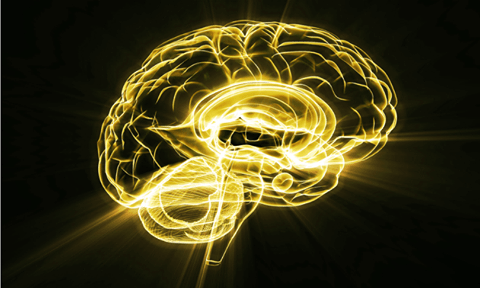
Researchers found people who were happier had larger gray matter volume in the precuneus region of the brain.

Study leader Dr. Wataru Sato, of Kyoto University in Japan, and colleagues publish their findings in the journal Scientific Reports.

The definition of happiness has been debated for centuries. In recent years, psychologists have suggested that happiness is a combination of life satisfaction and the experience of more positive than negative emotions – collectively deemed “subjective well-being.”

But according to Dr. Sato and his colleagues, the neurological mechanisms behind a person’s happiness were unclear.

“To date, no structural magnetic resonance imaging (MRI) investigation of the construct has been conducted,” they note.

“Identification of the neural substrates underlying subjective happiness may provide a complementary objective measure for this subjective construct and insight into its information-processing mechanism.”

Meditation may boost happiness by targeting precuneus brain region

To address this research gap, the team used MRI to scan the brains of 51 study participants.

After the scans, subjects were asked to complete three short questionnaires that asked them how satisfied they are with their lives, how happy they are and how intensely they feel positive and negative emotions.

260291_10151674843907518_1073142538_nThe researchers found that individuals who had higher happiness scores had larger gray matter volume in the precuneus of the brain – a region in the medial parietal lobe that plays a role in self-reflection and certain aspects of consciousness – than their unhappy counterparts.

What is more, the researchers found that one’s happiness may be driven by a combination of greater life satisfaction and intensity of positive emotion – supporting the theory of subjective well-being.

“These results indicate that the widely accepted psychological model postulating emotional and cognitive components of subjective happiness may be applicable at the level of neural structure,” they add.

These findings, the researchers say, indicate that individuals may be able to boost their happiness through practices that target the precuneus, such as meditation:

“Previous structural neuroimaging studies have shown that training in psychological activities, such as meditation, changed the structure of the precuneus gray matter.

Together with these findings, our results suggest that psychological training that effectively increases gray matter volume in the precuneus may enhance subjective happiness.”

Dr. Sato adds that, while further research is required, these current findings may be useful for developing psychological programs that boost a person’s happiness

preach

22 Friday Nov 2019

Posted by RichardB in preach, quote

≈ Comments Off on preach

Tags

photo, Rebecca West

Did St Francis preach to the birds? Whatever for? If he really liked birds he would have done better to preach to the cats. Rebecca West

2016-Birds-0254.JPG

courage

21 Thursday Nov 2019

Posted by RichardB in Courage, Uncategorized

≈ Comments Off on courage

Success is not final, failure is not fatal, it’s the courage to continue that counts. Winston Churchill

msclip-105.jpg

Mood Disorders Across the Lifespan

20 Wednesday Nov 2019

Posted by RichardB in research, Therapy, youtube

≈ Comments Off on Mood Disorders Across the Lifespan

Tags

Mood Disorders, therapy, youtube

Therapy dogs

20 Wednesday Nov 2019

Posted by RichardB in Health, Relaxation, Stress, Therapy Dogs

≈ Comments Off on Therapy dogs

Tags

dogs, pets, therapy, wellness

A therapy dog is a dog trained to provide affection and comfort to people in hospitals, retirement homes, nursing homes, schools, hospices, people with learning difficulties, and stressful situations, such as disaster areas.
Therapy dogs come in all sizes and breeds. The most important cha

klo.jpg

racteristic of a therapy dog is its temperament. A good therapy dog must be friendly, patient, confident, gentle, and at ease in all situations. Therapy dogs must enjoy human contact and be content to be petted and handled, sometimes clumsily.
A therapy dog’s primary job is to allow unfamiliar people to make physical contact with it and to enjoy that contact. Children in particular enjoy hugging animals; adults usually enjoy simply petting the dog. The dog might need to be lifted onto, or climb onto, an individual’s lap or bed and sit or lie comfortably there. Many dogs contribute to the visiting experience by performing small tricks for their audience or by playing carefully structured games. In hospice environments, therapy dogs can play a role in palliative care by reducing death anxiety.

Mail & Guardian compilation of 2016 daily pics.

19 Tuesday Nov 2019

Posted by RichardB in photo

≈ Comments Off on Mail & Guardian compilation of 2016 daily pics.

Tags

photos

The Mail & Guardian from South Africa

mg1

http://mg.co.za/multimedia/2016-12-21-2016-end-of-the-year-pictures

Meditation helps students

18 Monday Nov 2019

Posted by RichardB in Health, Meditation, mindfulness, Wellness

≈ Comments Off on Meditation helps students

Tags

meditation, mindfulness, students, tests

A study of students in California universities showed that those who practiced a bit of meditation in their personal lives performed better on tests. This applied to students who practice the art of Zen, as well as those who simply meditate for a few minutes before class.

The research, published in the journal Mindfulness, showed that meditation worked best for first year students, which led researchers to speculate that younger students tend to struggle with concentration more. 118ba-260291_10151674843907518_1073142538_n

Professor Robert Youmans, of George Mason University in Virginia, co-lead the study with University of Illinois doctoral student Jared Ramsburg. According to Professor Youmans:

“One difficulty for researchers who study meditation is that the supposed benefits of meditation do not always replicate across different studies or populations, and so we have been trying to figure out why. This data from this study suggest that meditation may help students who might have trouble paying attention or focusing. Sadly, freshmen classes probably contain more of these types of students than senior courses because student populations who have difficulty self-regulating are also more likely to leave the university.”

The researchers said that coaching students on proper meditation could improve academic results. Ramsburg’s own personal experiences inspired him to undertake the study (he is a Buddhist).

“I think that if mindfulness can improve mental clarity, focus and self-discipline, then it might be useful in a variety of settings and for a variety of goals.”

For anyone uncomfortable with meditation (even though it is not necessarily a religious practice), Ramsburg says that taking long walks in the morning before you start your day could inspire the same outcome.

“Basically, becoming just a little bit more mindful about yourself and your place in the world might have a very important, practical benefit – in this case, doing better in college.”

J Balvin, Willy William – Mi Gente

18 Monday Nov 2019

Posted by RichardB in Music, YouTube

≈ Comments Off on J Balvin, Willy William – Mi Gente

Tags

Mi Gente

Image

Japanese Textile Designs 132

16 Saturday Nov 2019

JapanTR-132.jpg

Posted by RichardB | Filed under Japanese Textile Designs

≈ Comments Off on Japanese Textile Designs 132

Image

Great Laurel-Coloring Page

16 Saturday Nov 2019

Tags

Great Laurel-Coloring Page

CPFL-Great Laurel-TR.jpg

Posted by RichardB | Filed under Coloring Pages

≈ Comments Off on Great Laurel-Coloring Page

One of the newest employees is a golden retriever

15 Friday Nov 2019

Posted by RichardB in dogs, Pets

≈ Comments Off on One of the newest employees is a golden retriever

Tags

pet therapy, wellness

One of the newest employees at Huntsville Hospital for Women & Children has four legs. While her training is highly skilled – she was specially chosen to work in a hospital setting because of her demeanor – her job description is pretty simple: to love and be loved. And in her first few weeks on the job, she’s already made a tremendous difference for her patients, both children and adults, and for the hospital staff who have overwhelmingly embraced her.

Aster is in demand throughout the hospital on a consult basis. “The hard part is when we’re walking down the hall and someone says, ‘Oh, can you come say hi?’” says Stefani, who loves watching faces light up when they see Aster.

She regularly visits children in the emergency department, radiation/imaging, pediatric intensive care, general pediatric unit and neonatal intensive care, where she doesn’t visit with premature babies but does provide family and sibling support. She also visits adult patients in the intensive care and antepartum units.

On an average day, the hospital has 200 pediatric patients, so “we’re filtering through a lot of requests,” says Elizabeth.

The hospital still has its volunteer-driven pet therapy program, in which trained dogs make short visits with patients. “They see way more patients than Aster and I can see,” says Stefani. “Aster and I have medically based goals: reducing pain, helping patients ambulate after surgery, being present in bereavement and trauma. We’re both employees here, which opens the door for us to provide treatment-based services.”

asteroid3

Asteroid, a young golden retriever, is one of the most popular employees at the hospital. (Photo courtesy of Huntsville Hospital for Women and Children)

RSA ANIMATE: How To Help Every Child Fulfil Their Potential

14 Thursday Nov 2019

Posted by RichardB in youtube

≈ Comments Off on RSA ANIMATE: How To Help Every Child Fulfil Their Potential

Tags

kids, youtube

← Older posts
Newer posts →

instagram

Follow RichardbBrunner on WordPress.com
  • Tumblr
  • YouTube

Create a free website or blog at WordPress.com.

Privacy & Cookies: This site uses cookies. By continuing to use this website, you agree to their use.
To find out more, including how to control cookies, see here: Cookie Policy
  • Subscribe Subscribed
    • RichardbBrunner
    • Join 492 other subscribers
    • Already have a WordPress.com account? Log in now.
    • RichardbBrunner
    • Subscribe Subscribed
    • Sign up
    • Log in
    • Report this content
    • View site in Reader
    • Manage subscriptions
    • Collapse this bar
 

Loading Comments...