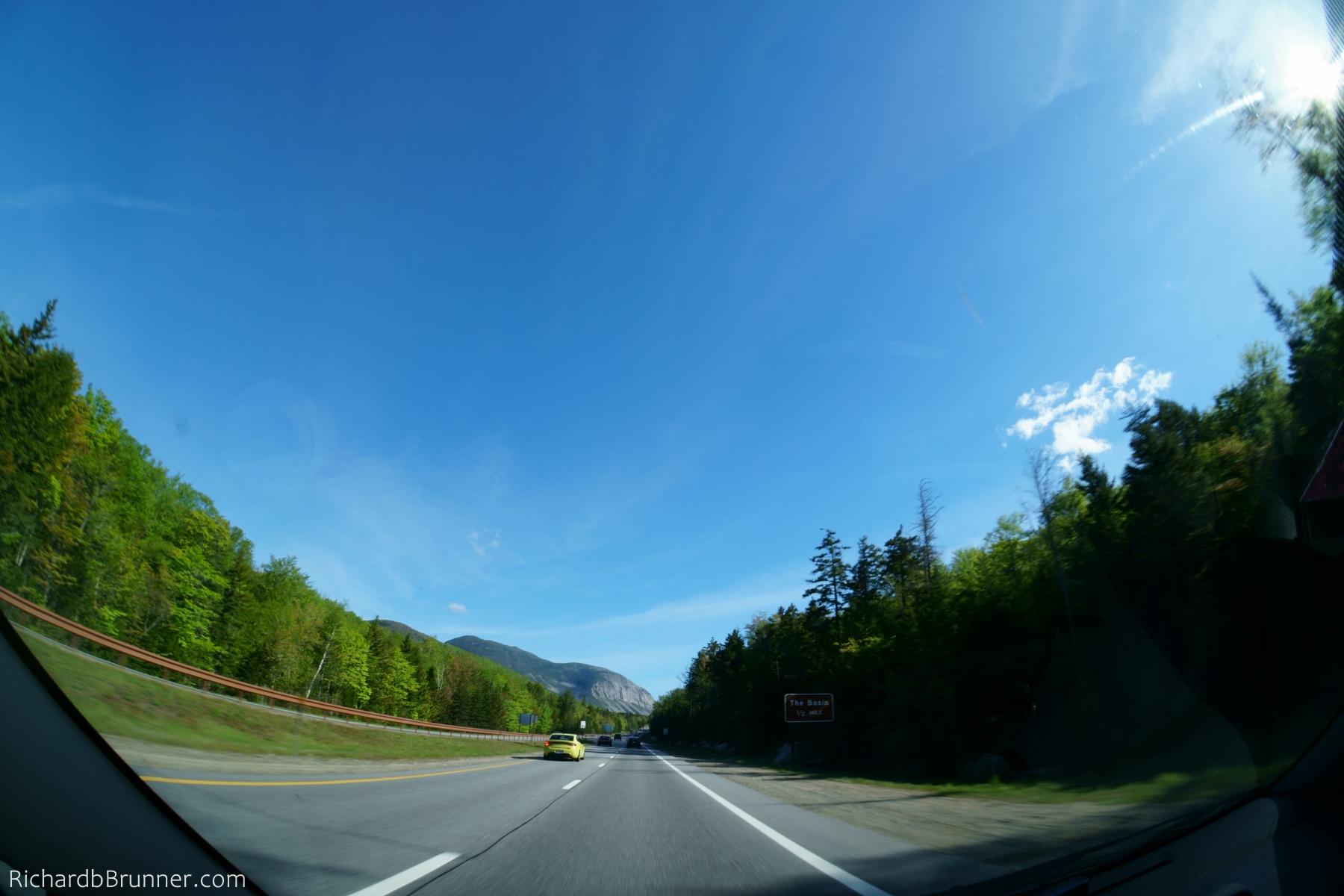
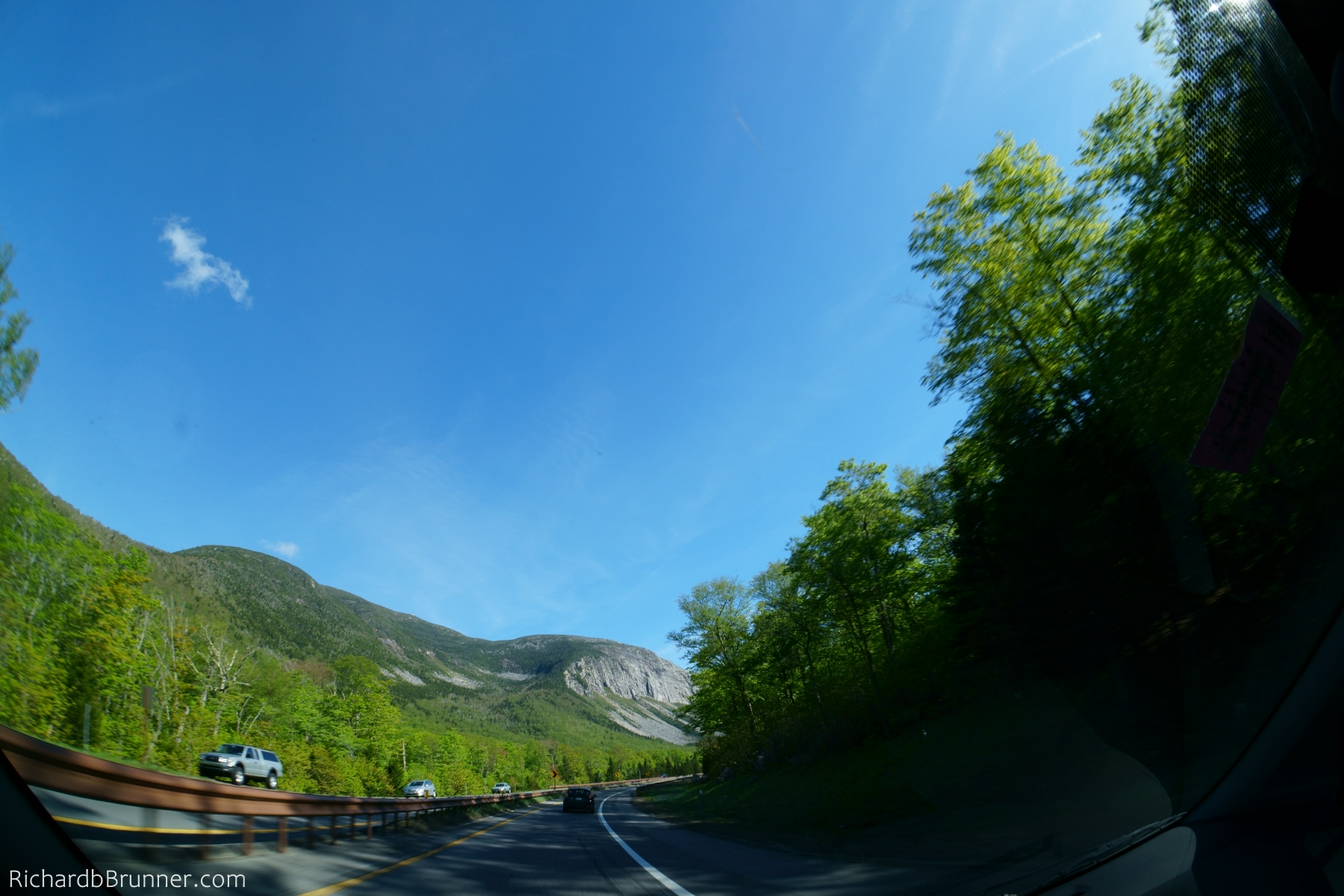
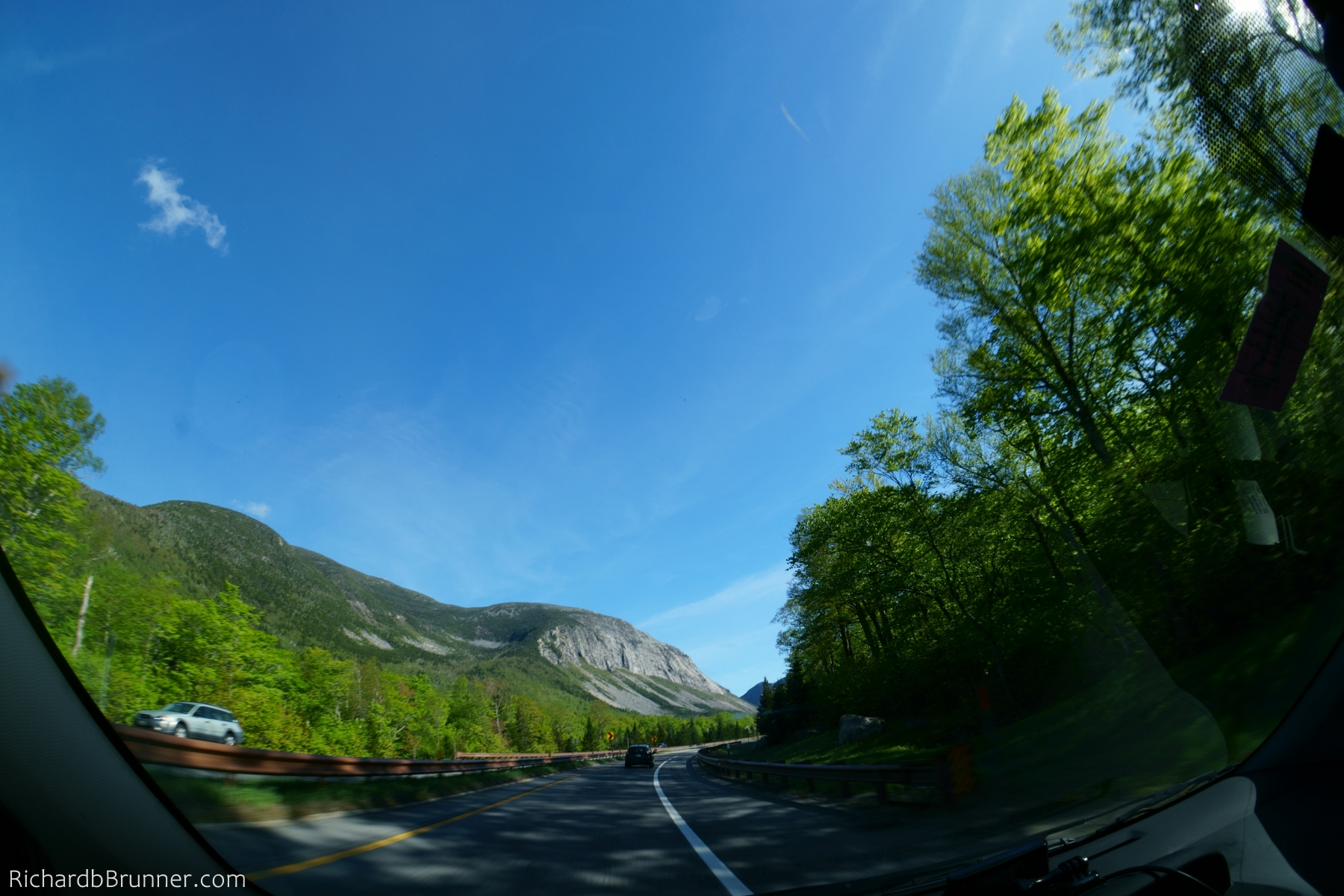
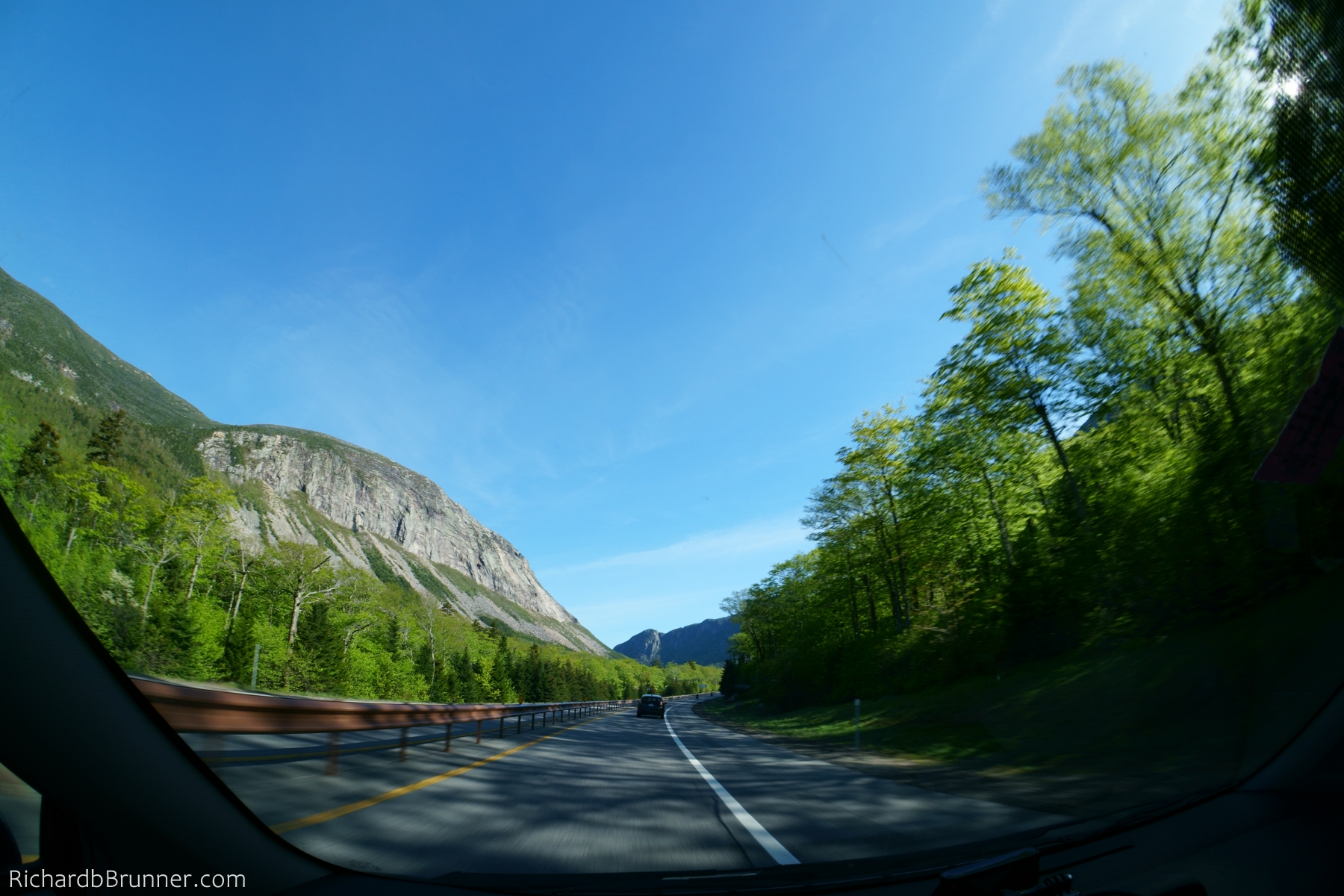
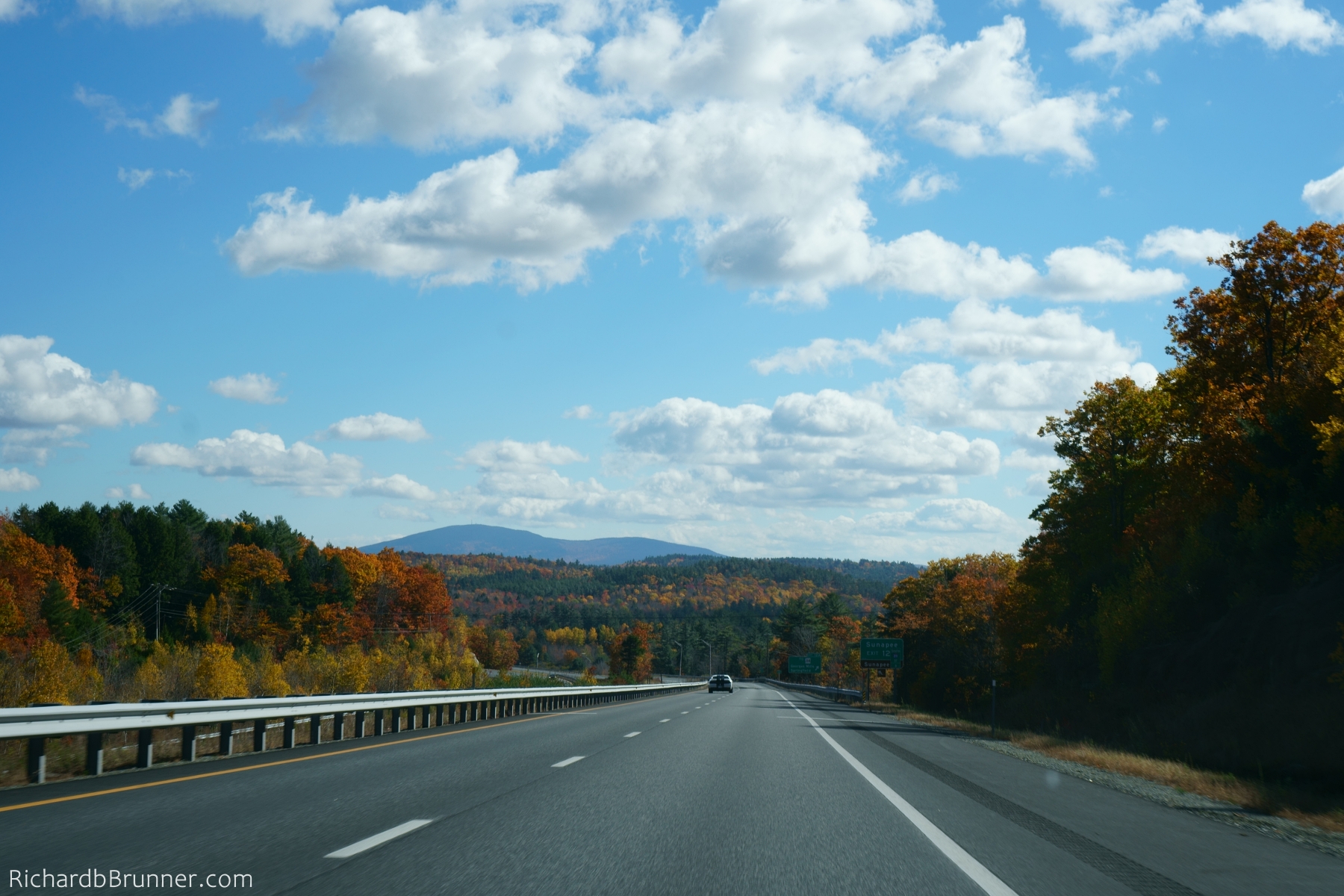
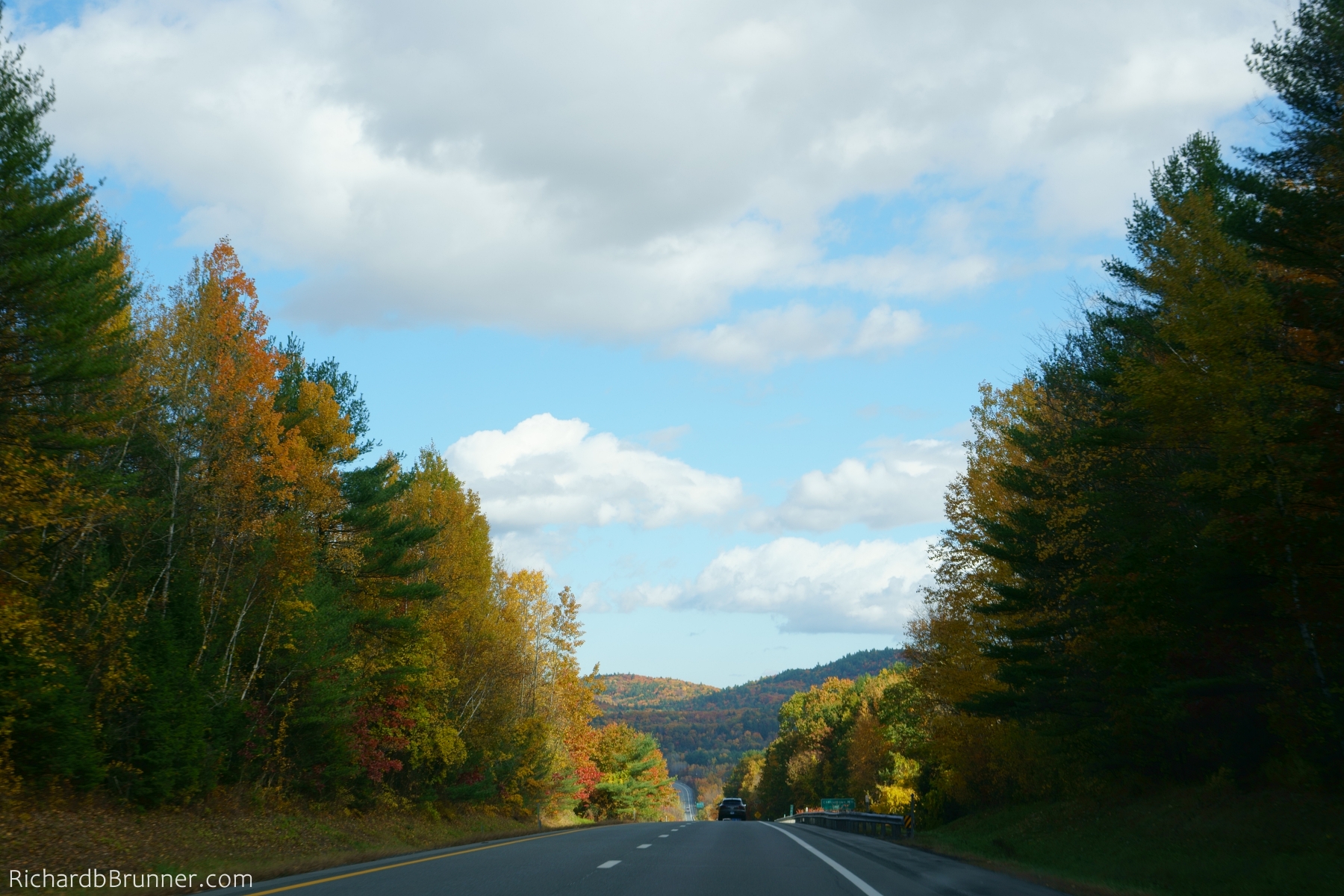
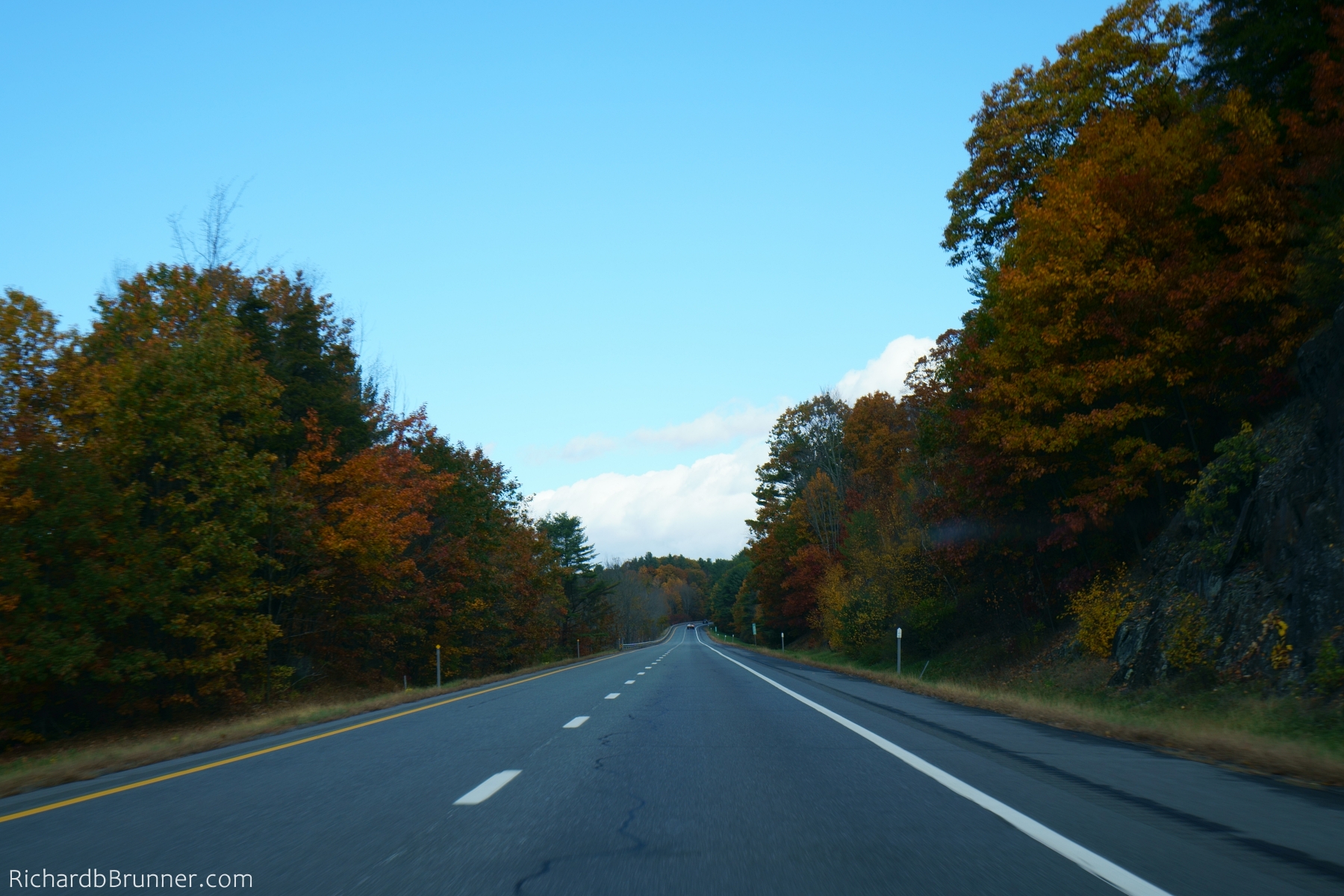
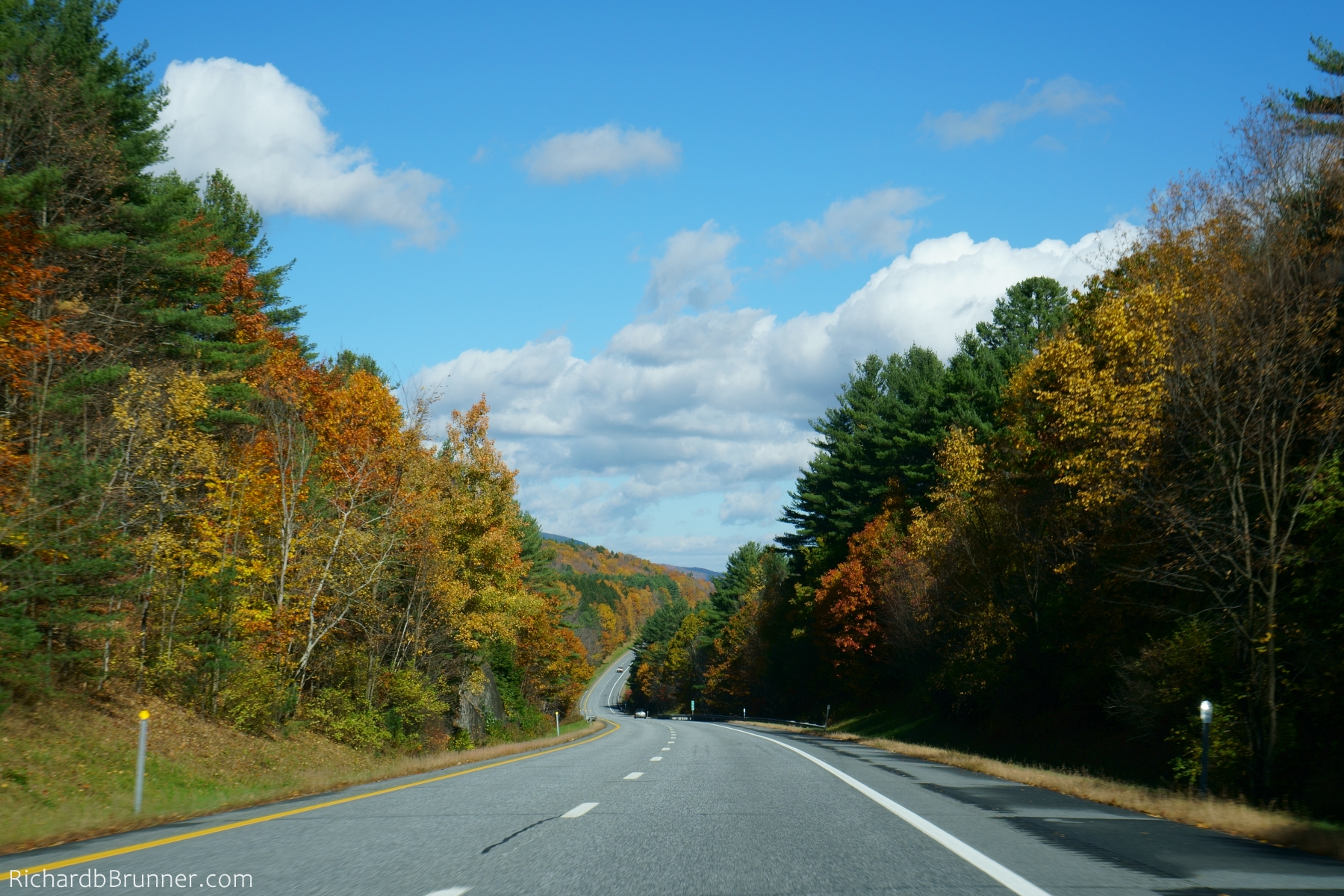
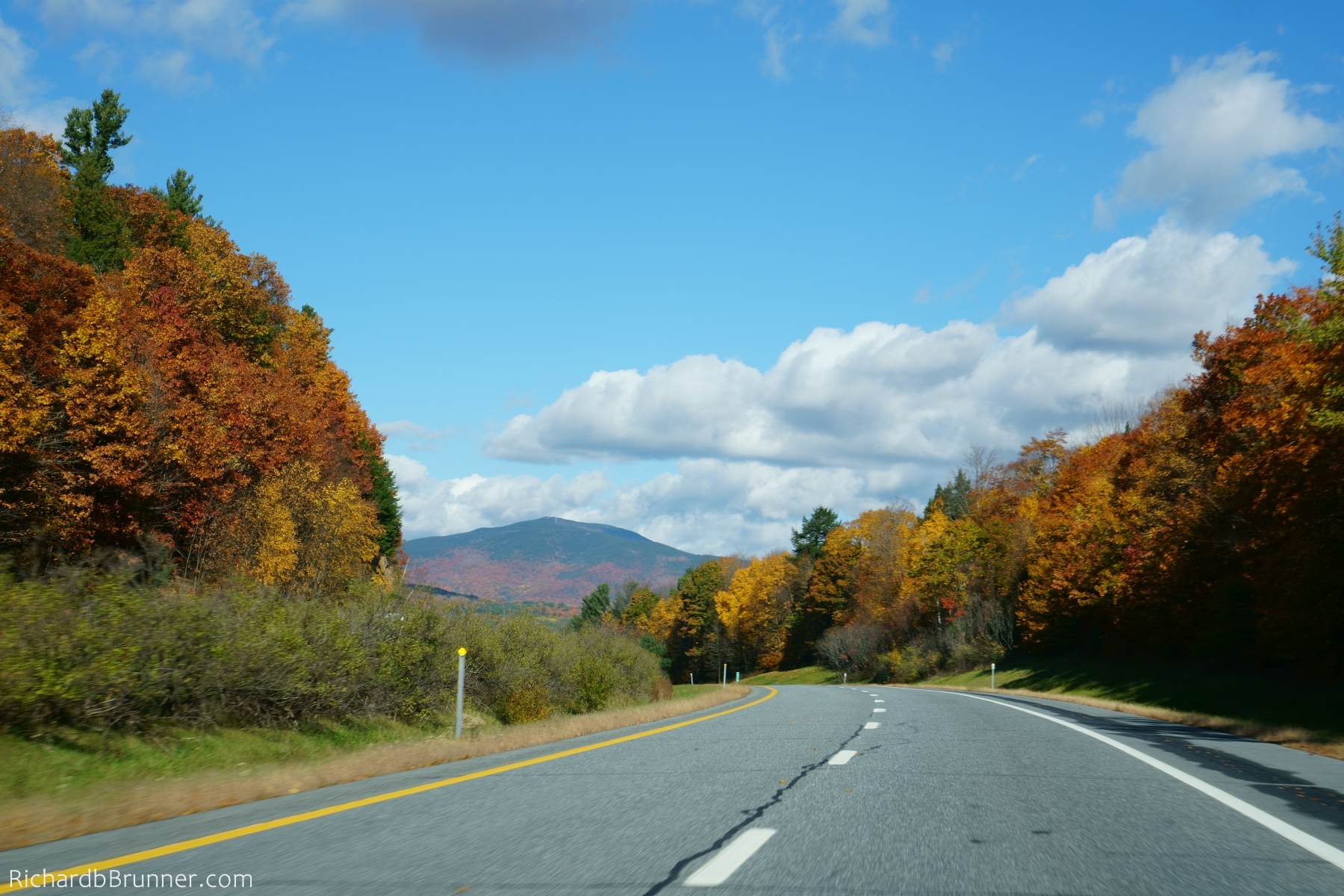
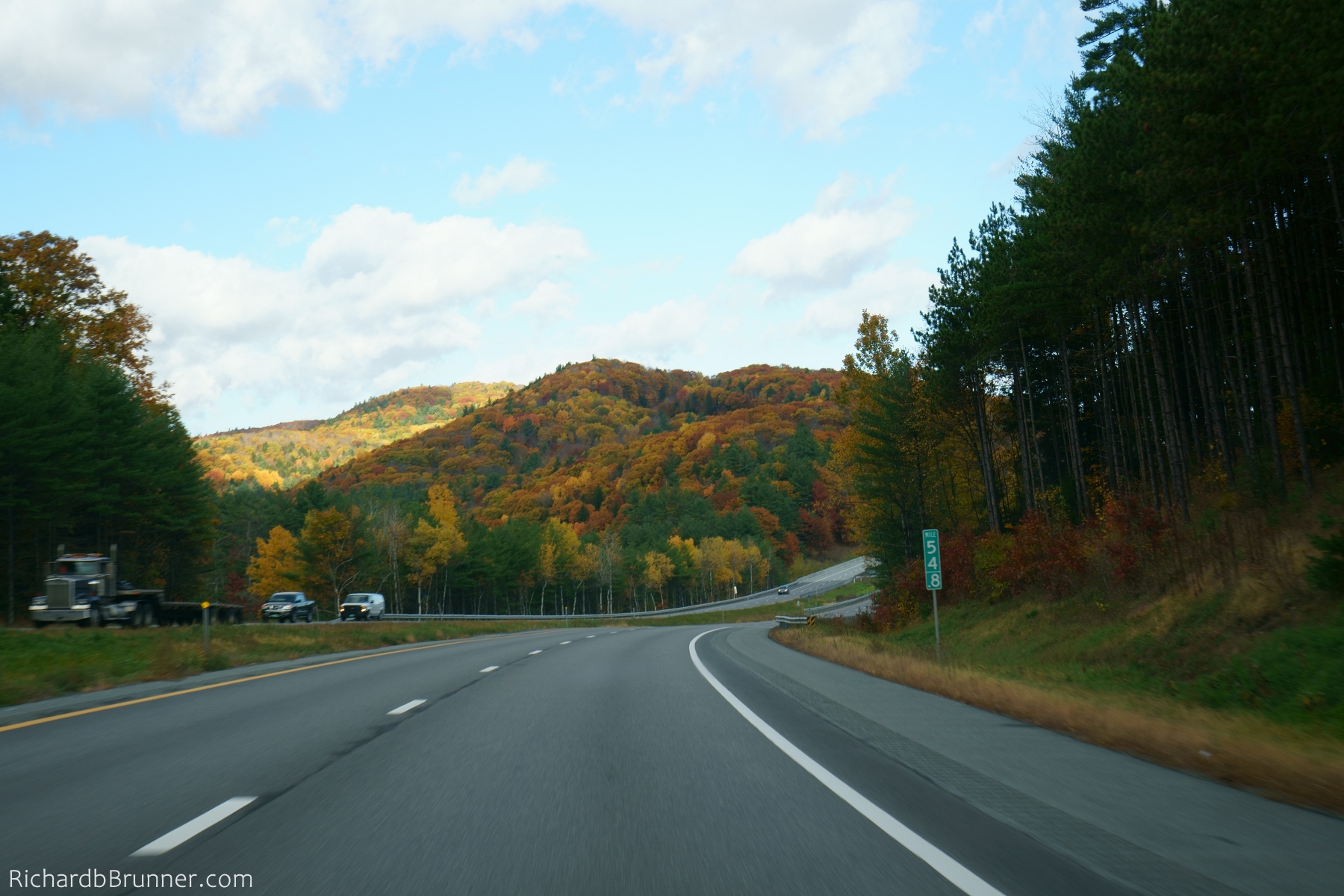
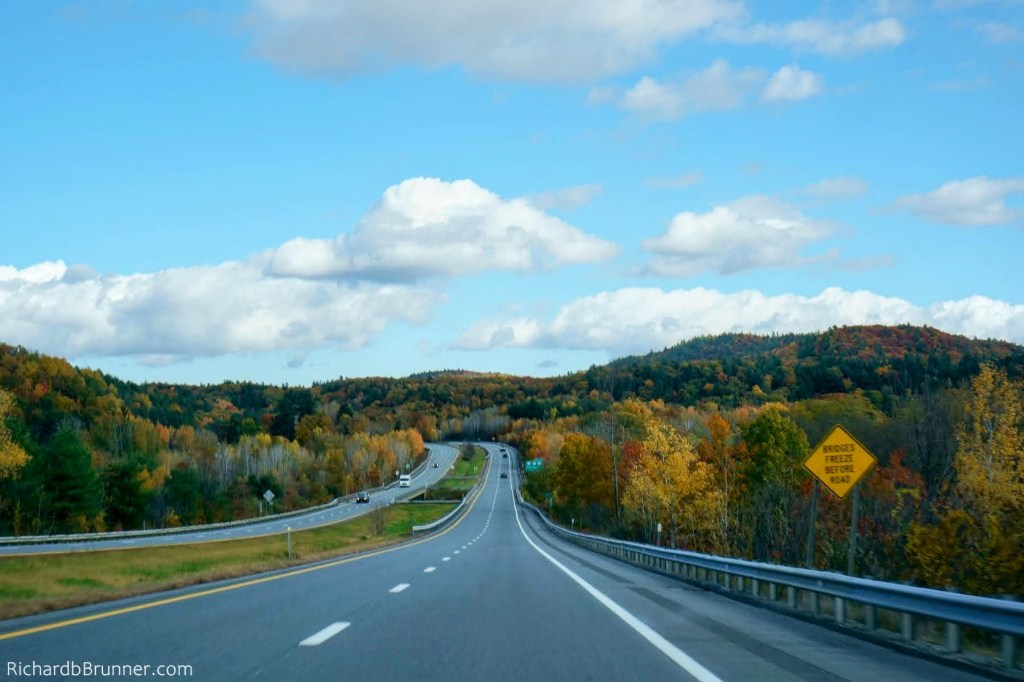
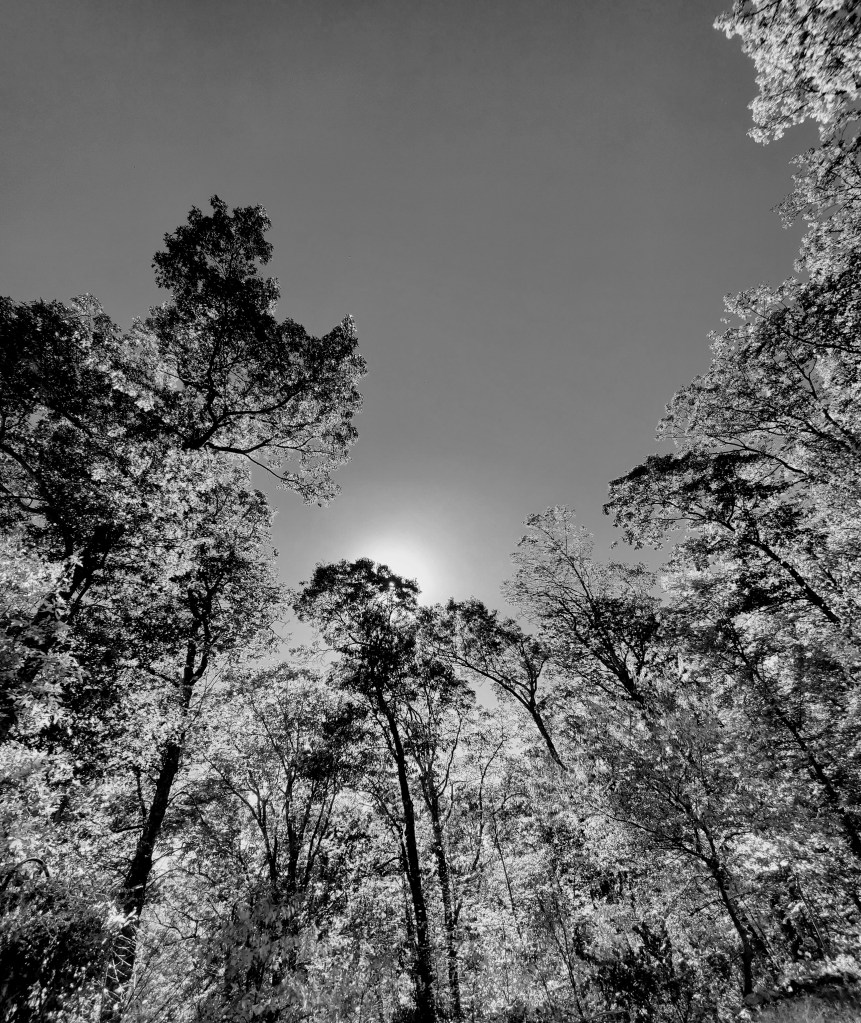
I-93 passes through Franconia Notch State Park as a Super-2 parkway (one lane in each direction) with a 45 mph (70 km/h) speed limit, designed to reduce I-93’s impact on Franconia Notch. For the trip through Franconia Notch, I-93 and US 3 run concurrently. From Wikipedia.
Interstate 91 (I-91) is an Interstate Highway in the New England region of the United States. It provides the primary north–south thoroughfare in the western part of the region. The Interstate generally follows the course of the Connecticut River. Its southern terminus is in New Haven, Connecticut, at Interstate 95. The northern terminus is in the village of Derby Line, Vermont, at the Canadian border. Past the Derby Line–Rock Island Border Crossing, the road continues as Quebec Autoroute 55. I-91 is the longest of three Interstate highways whose entire route is located within the New England states (the other two highways being I-89 and I-93) and is also the only primary (two-digit) Interstate Highway in New England to intersect all five of the other highways that run through the region. From Wikipedia.
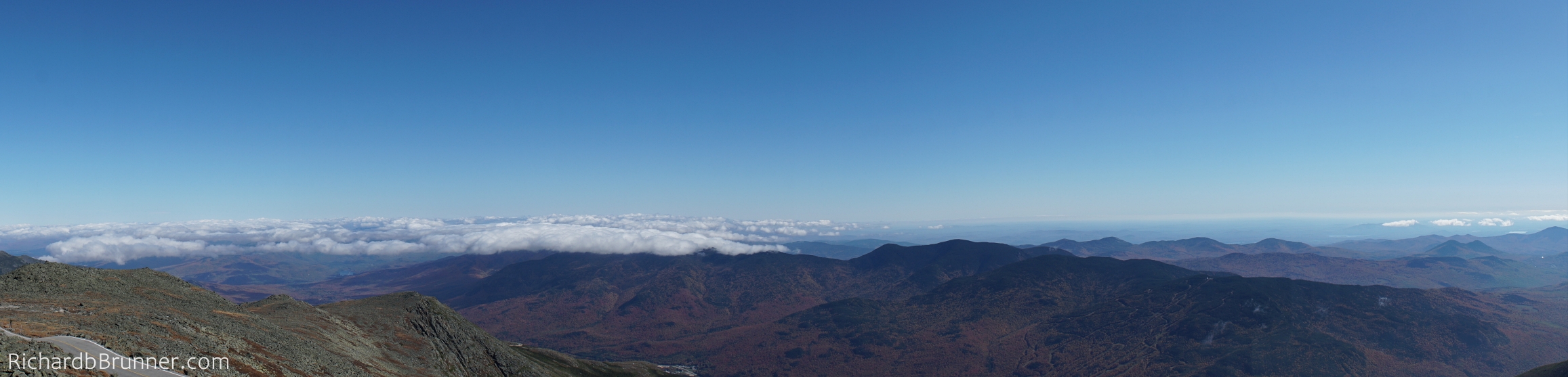
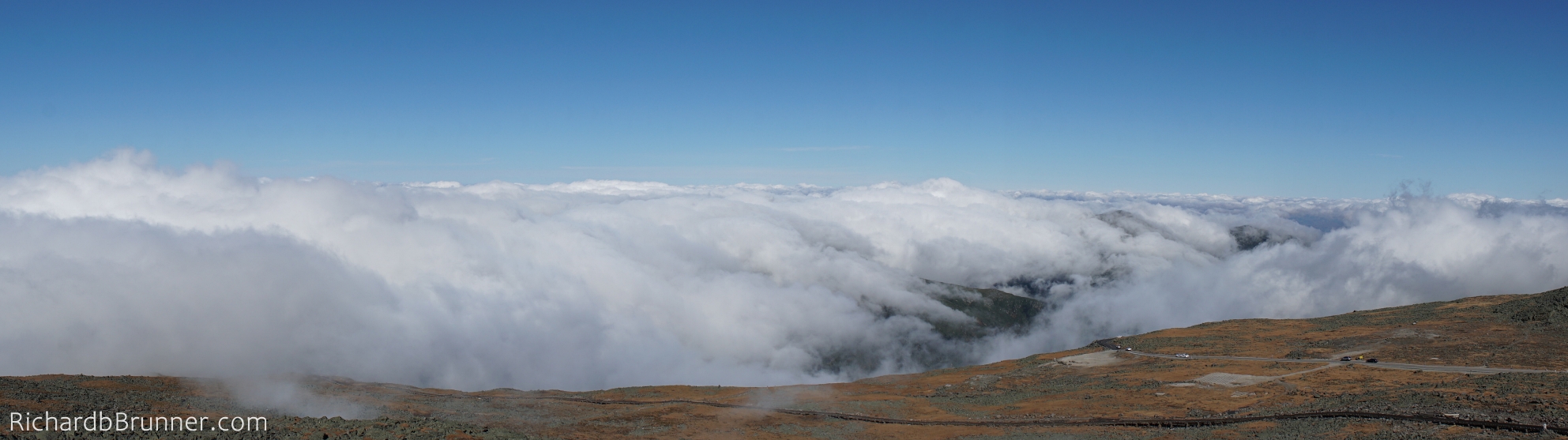
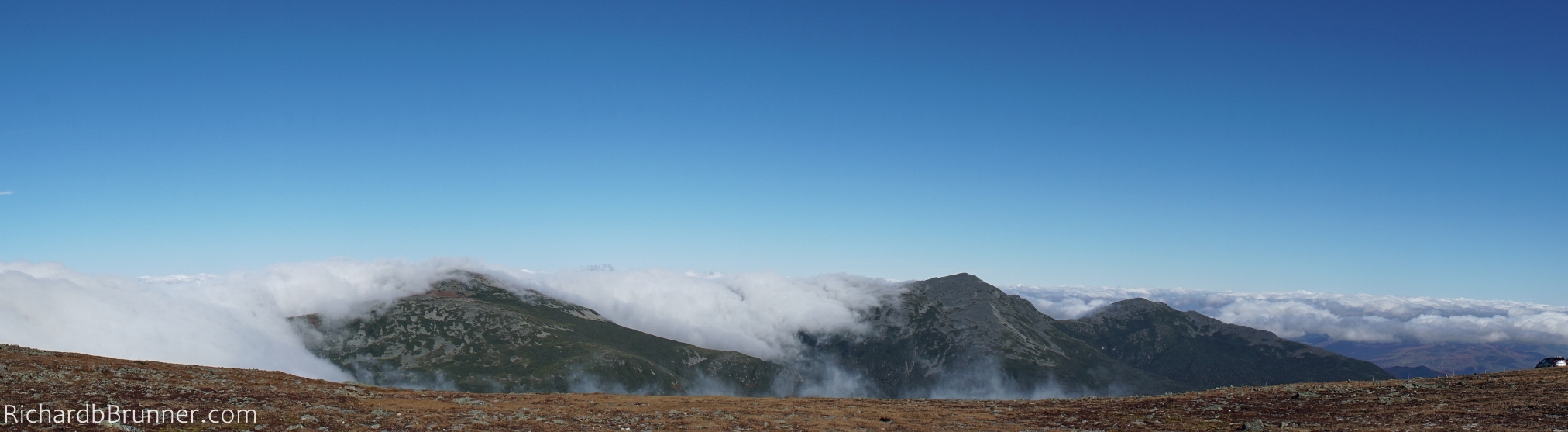
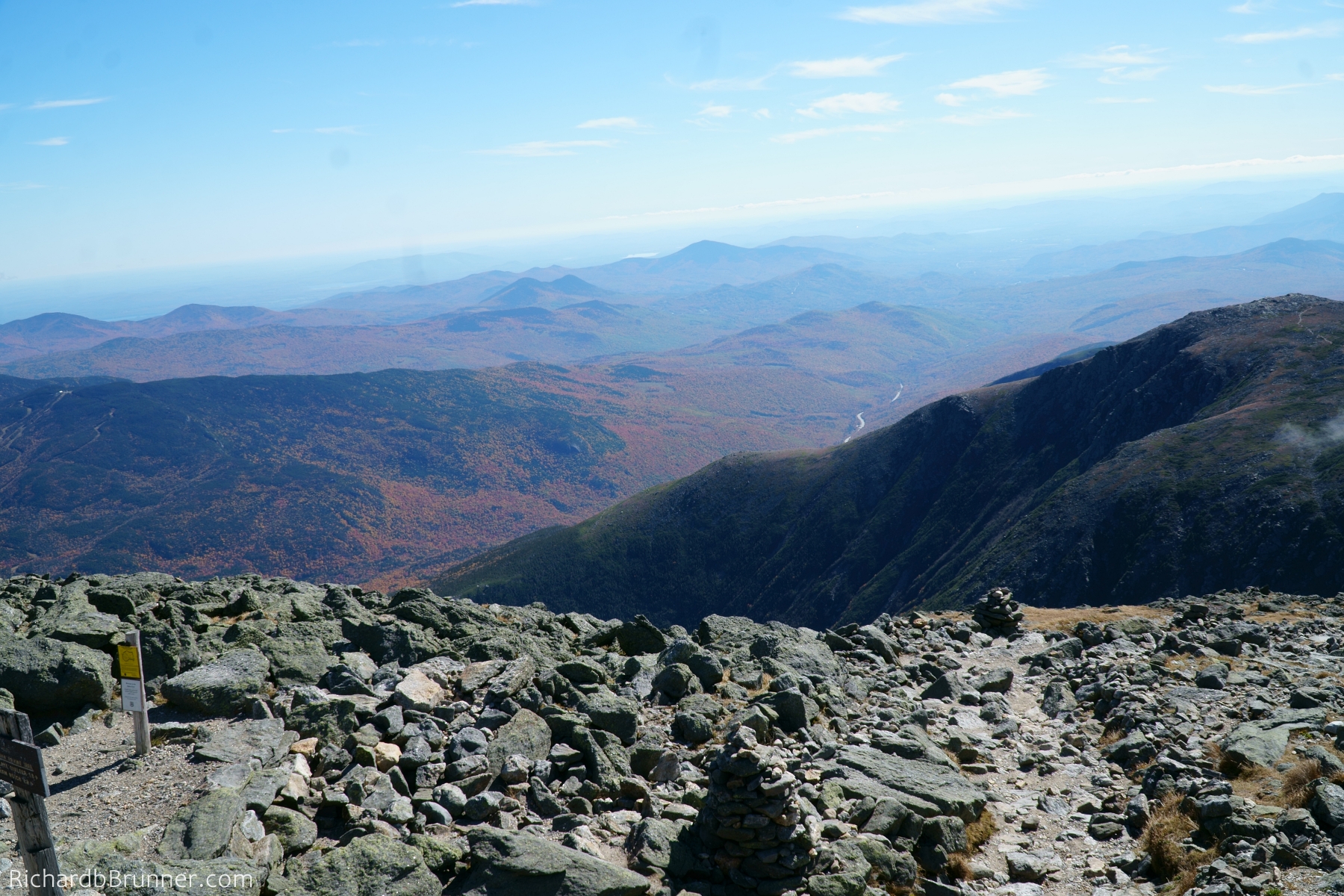
The Mount Washington Auto Road: is a 7.6 mi (12.2 km) toll road in southern Coos County, New Hampshire that extends from New Hampshire Route 16 in Green’s Grant, just north of Pinkham Notch, westward across Pinkham’s Grant and Thompson and Meserve’s Purchase to the summit of Mount Washington in the White Mountains of the US state of New Hampshire. The road climbs 4,618 ft (1,408 m) from an altitude of 1,527 ft (465 m) at the bottom to 6,145 ft (1,873 m) at the top, an average gradient of 11.6%. The road was completed and opened to the public in 1861. From Wikipedia.
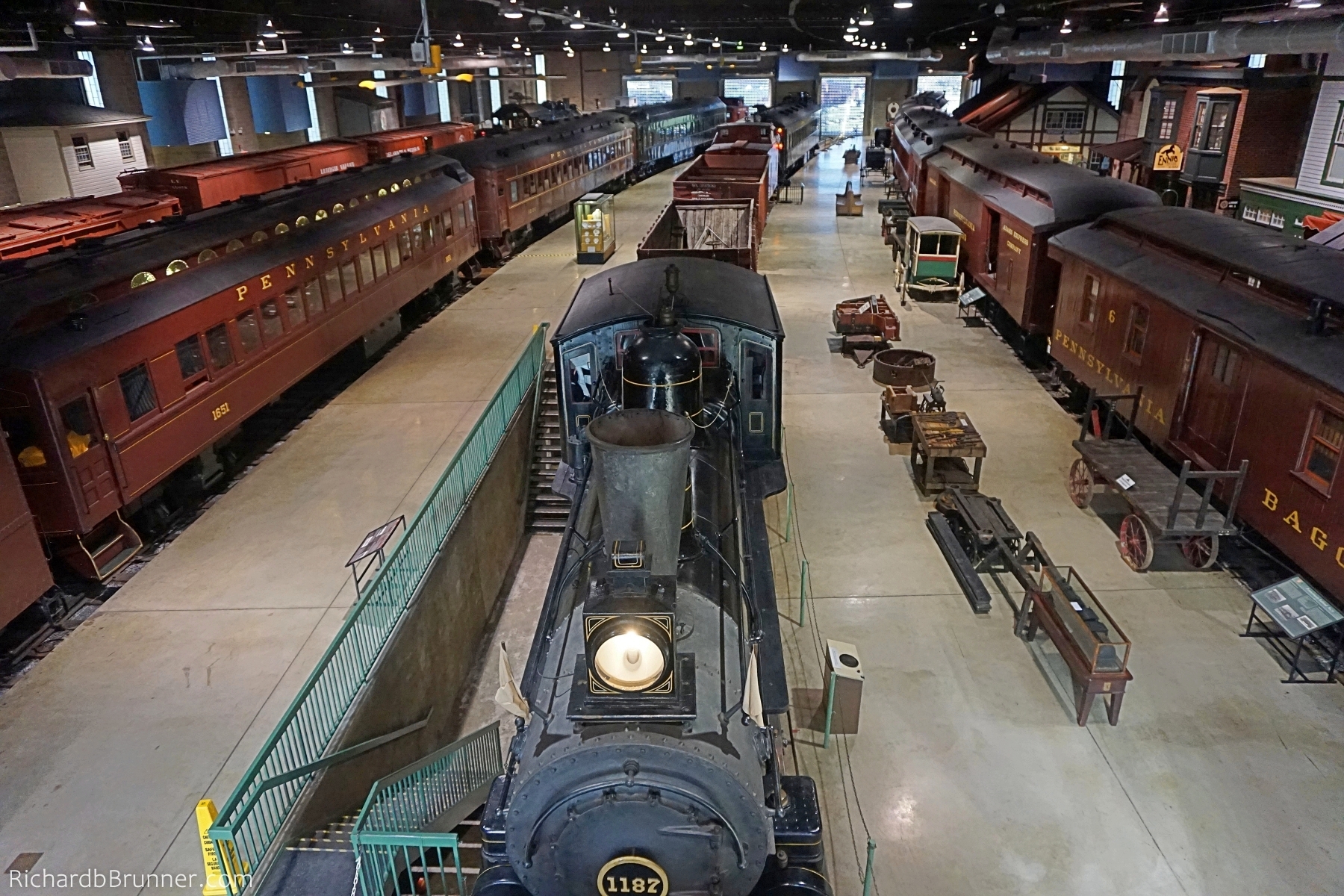
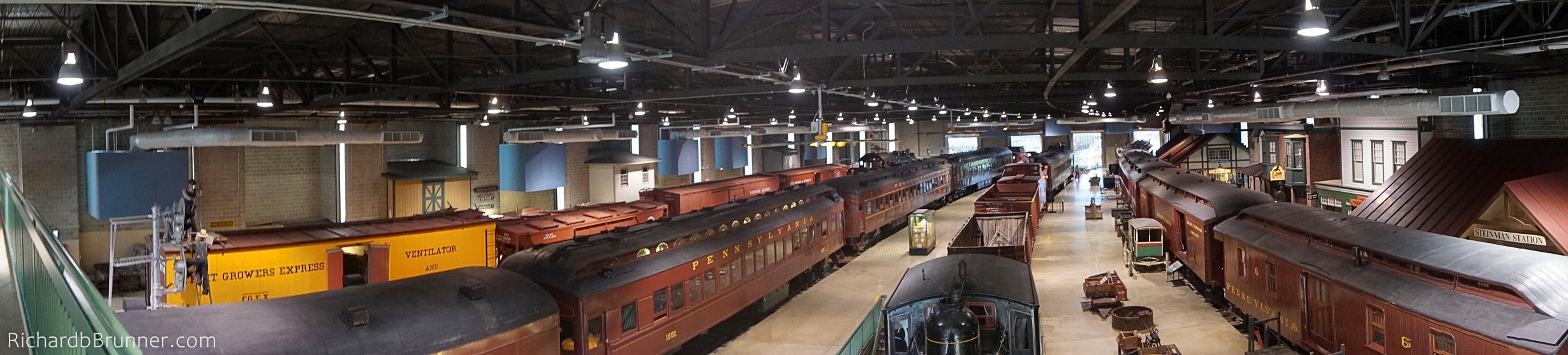
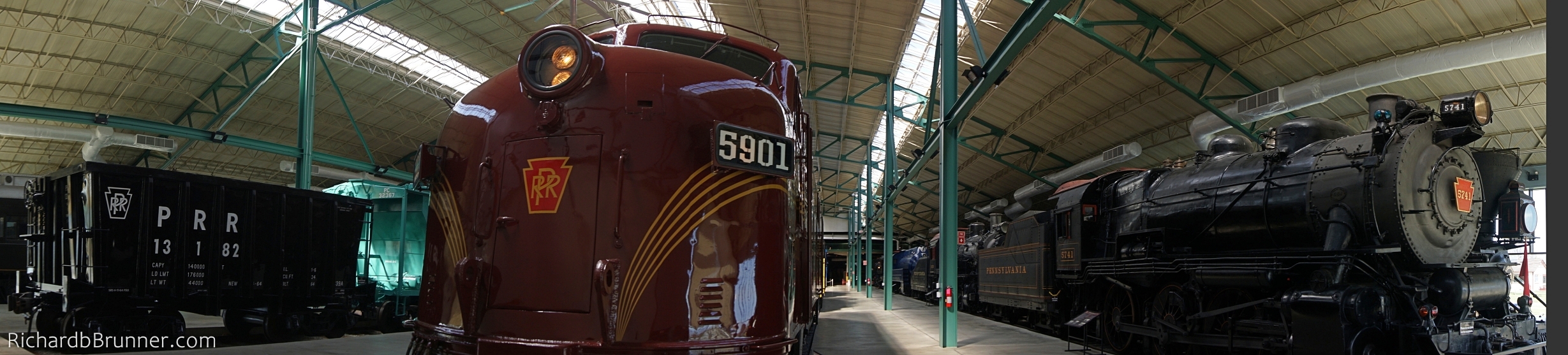
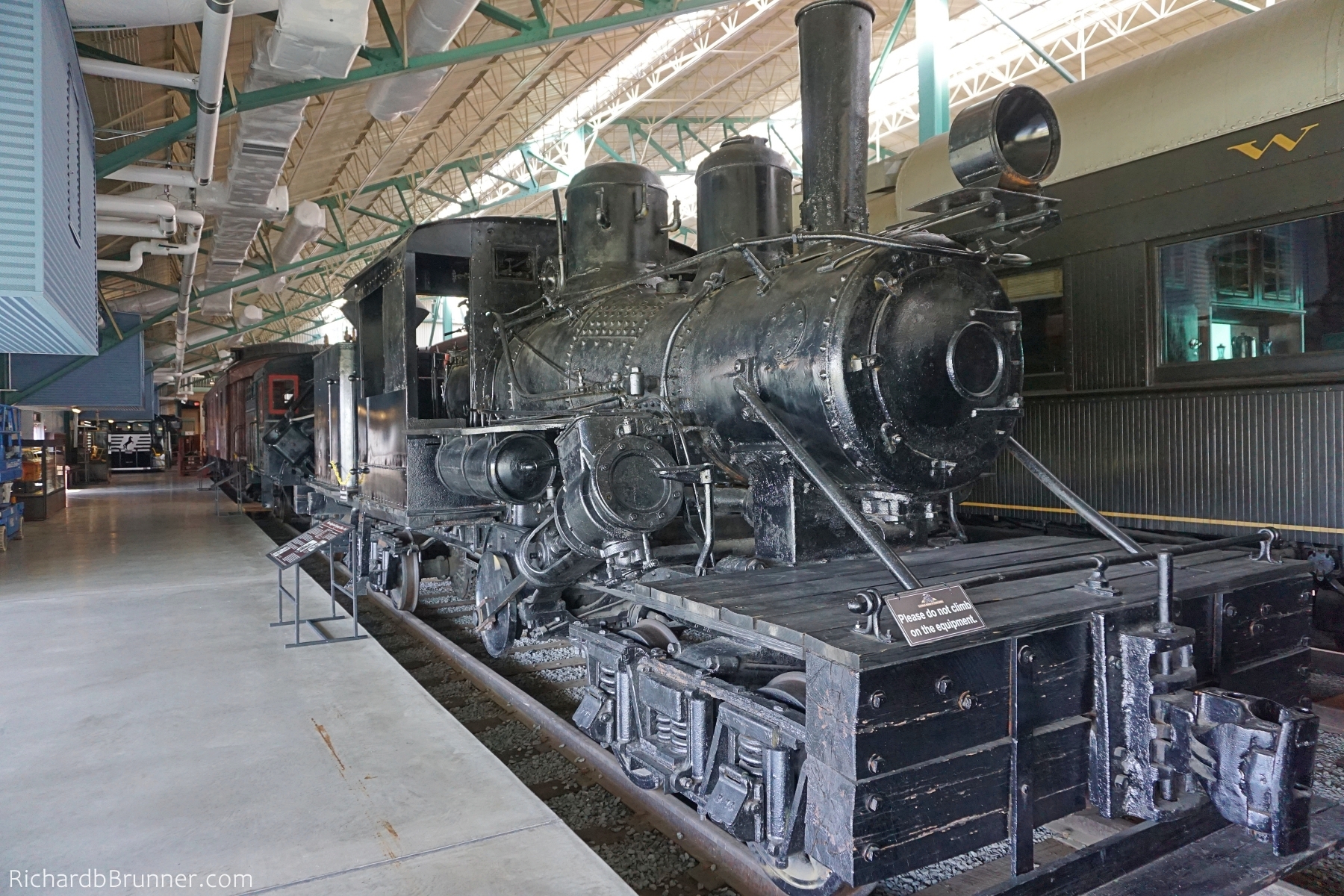
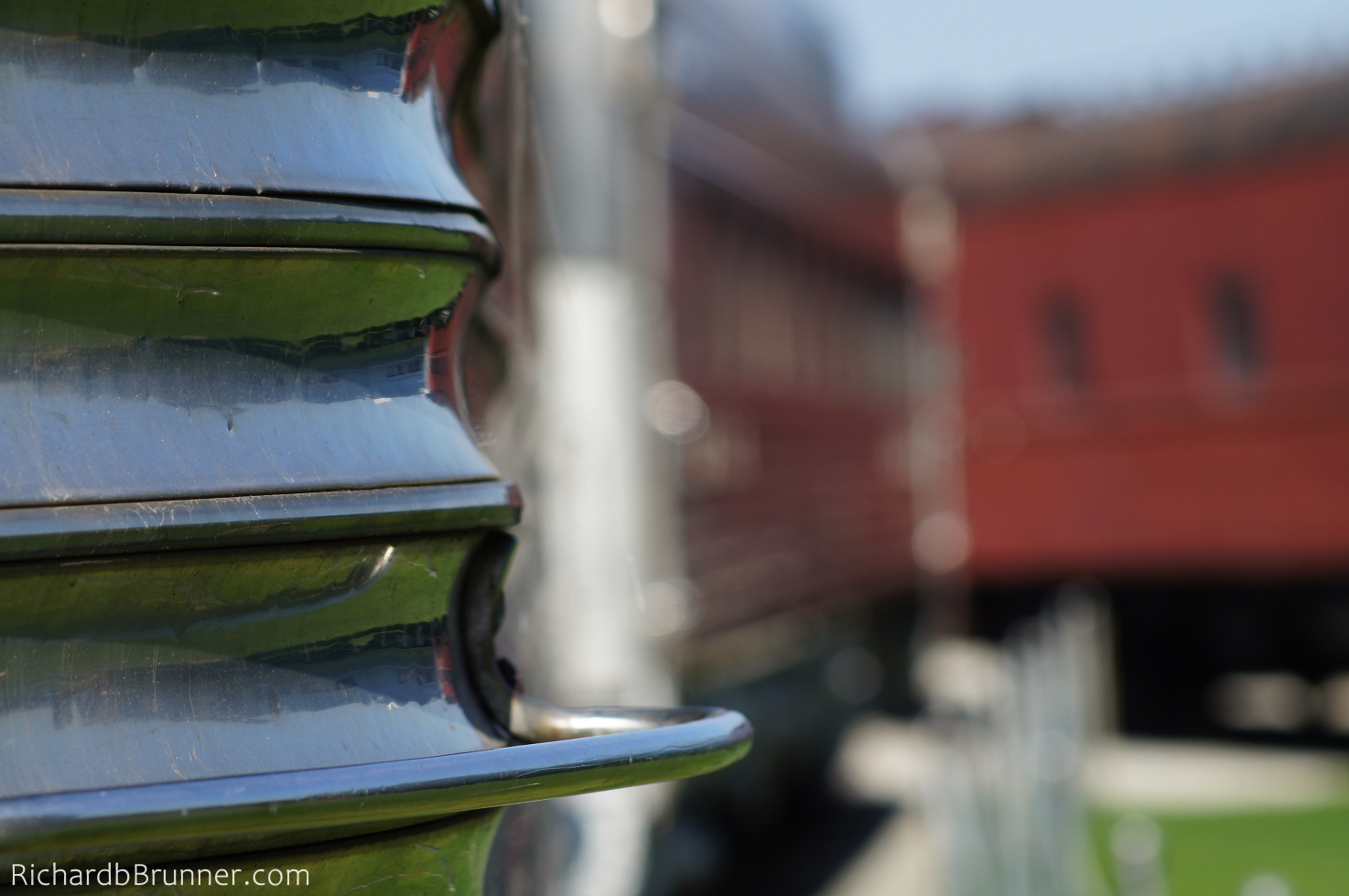
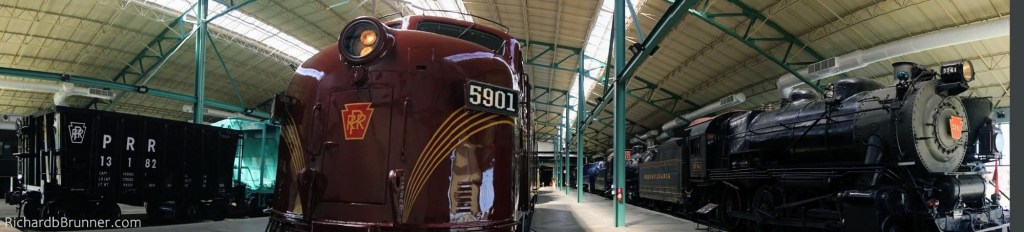
Railroad Museum of Pennsylvania: We are, in no way, a museum exclusively devoted to the Pennsylvania Railroad. We are a museum devoted to telling the rich stories of railroading in the Commonwealth of Pennsylvania, including all its railroads, its support industries and its workers and travelers – past and present.
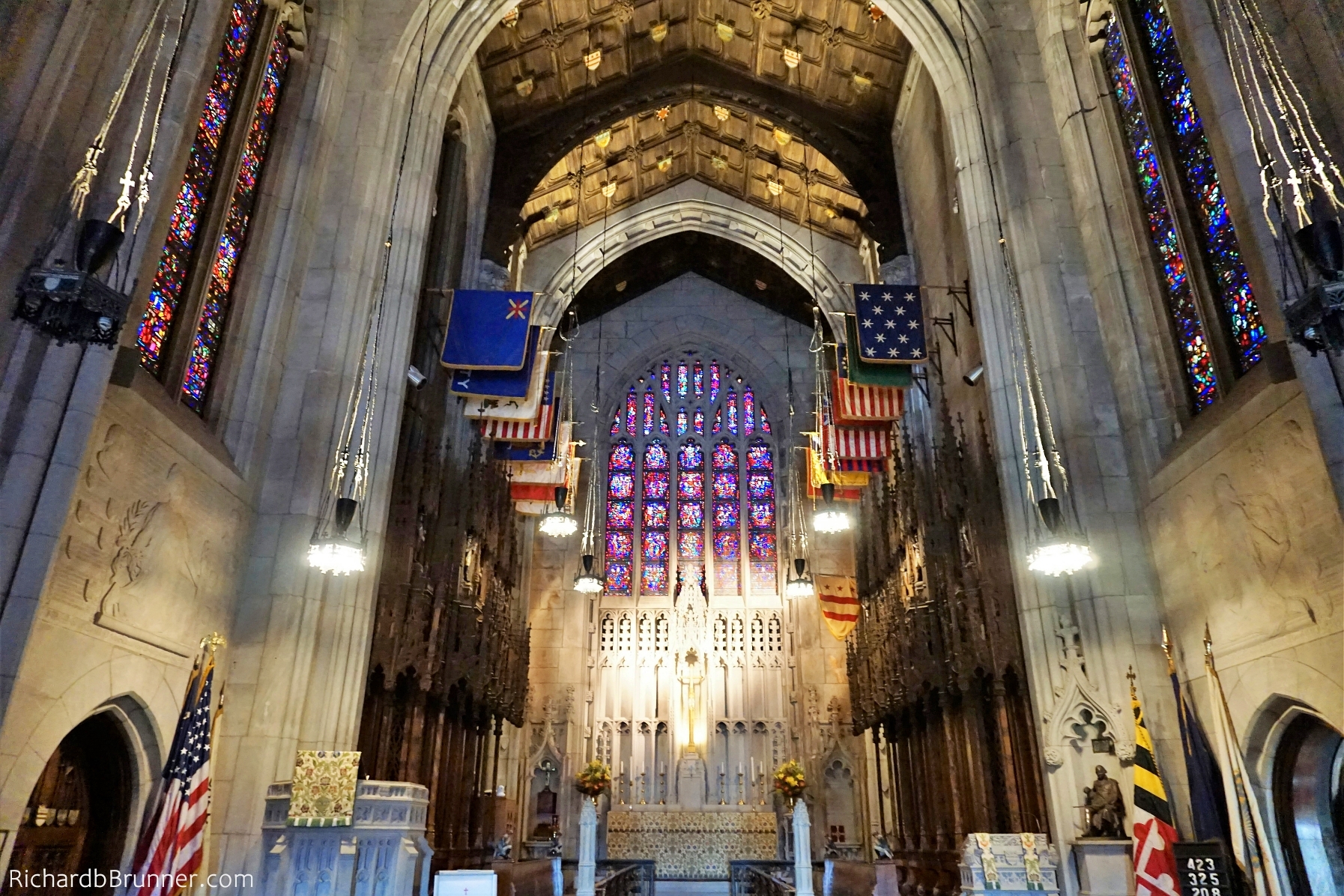
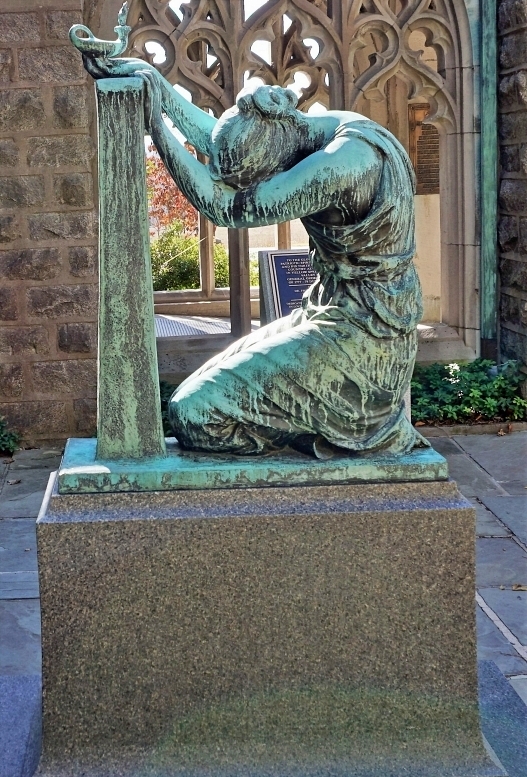
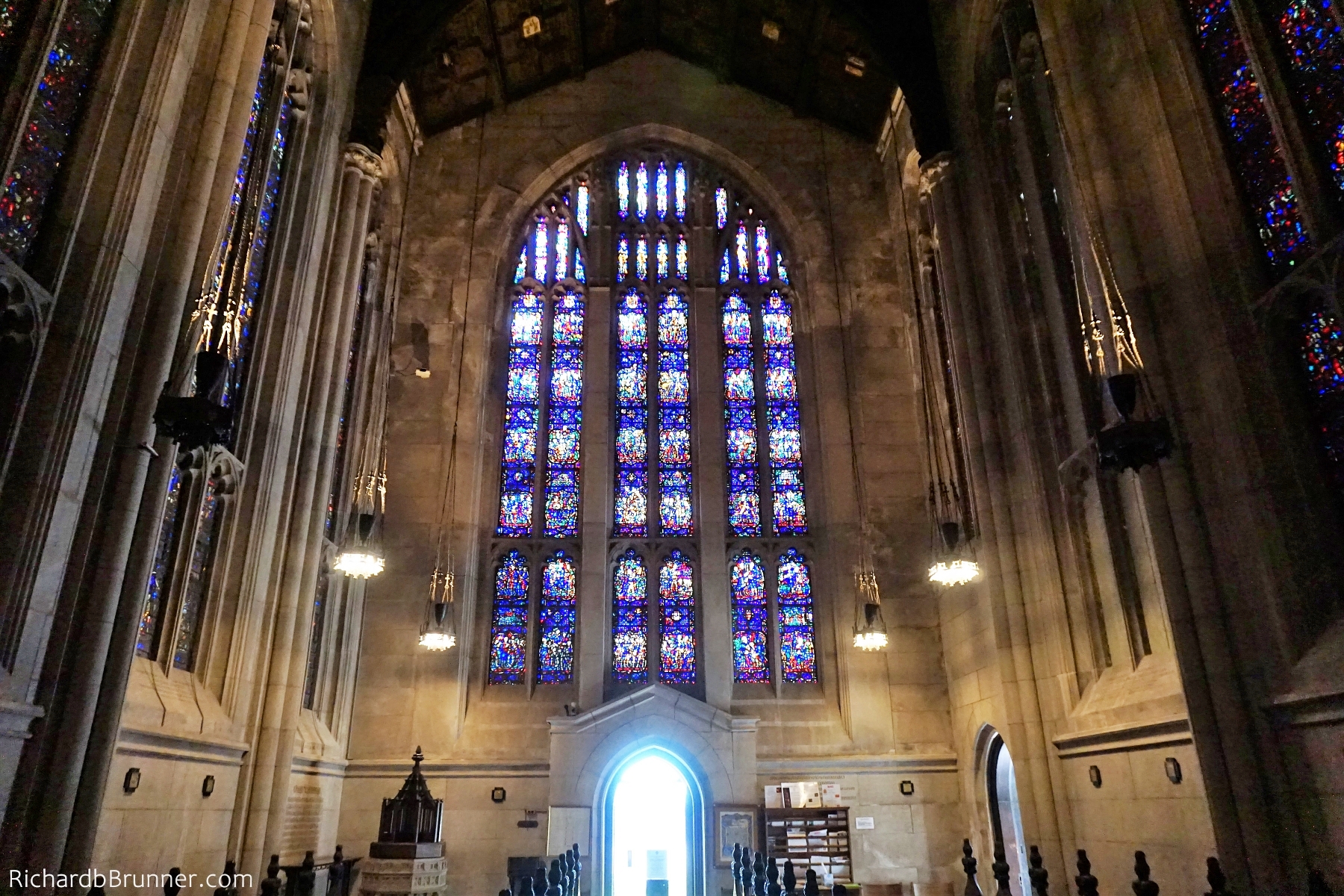
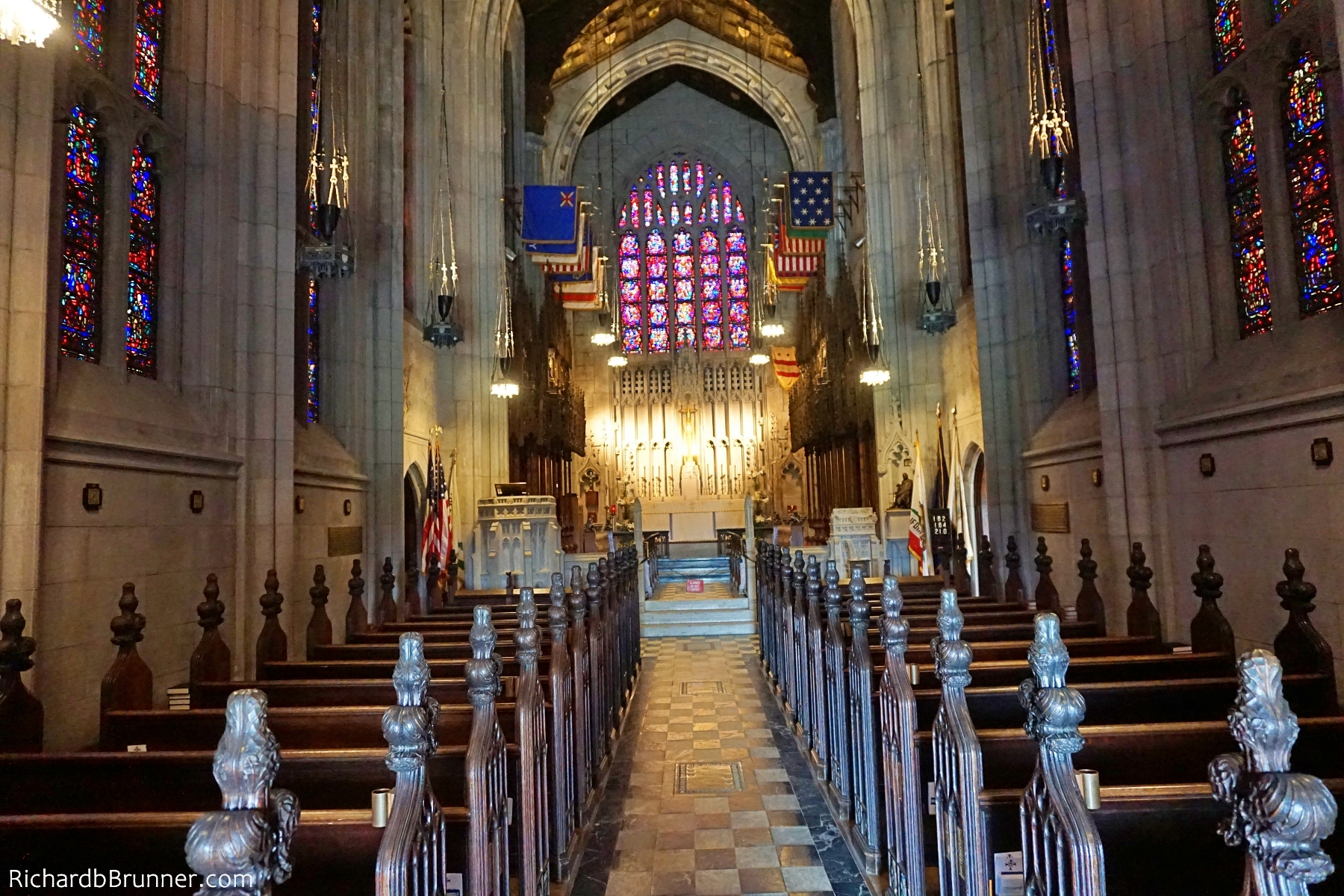
Washington Memorial Chapel — located on Pennsylvania Route 23 in Valley Forge National Historical Park — is both a national memorial dedicated to General George Washington and an active Episcopal parish in Valley Forge, Pennsylvania. The church was inspired by a sermon preached by Anglican minister Reverend Dr. W. Herbert Burk, founder and first rector of the parish. The building was designed by architect Milton B. Medary. It was listed on the National Register of Historic Places on May 1, 2017, and is undergoing an active restoration campaign. From Wikipedia.
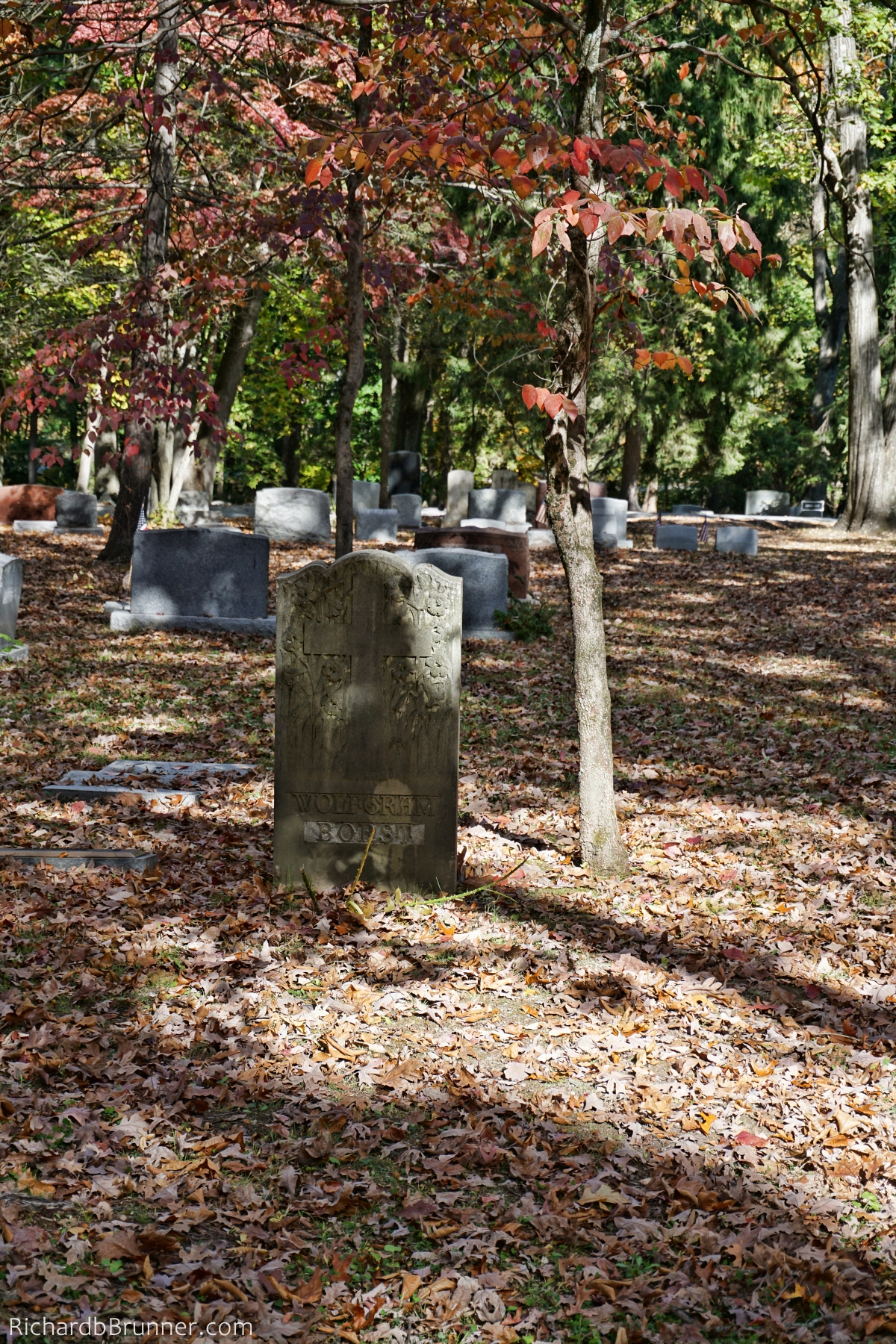
During the 1973 Yom Kippur/Ramadan War both the Soviets and US forces were put on a heighten alert. I decided to skip school and hitch-hiked to Washington Chapel to spend the day praying for peace. I believe(ed) that there is no better place to pray for peace than at the memorial for fallen soldiers.
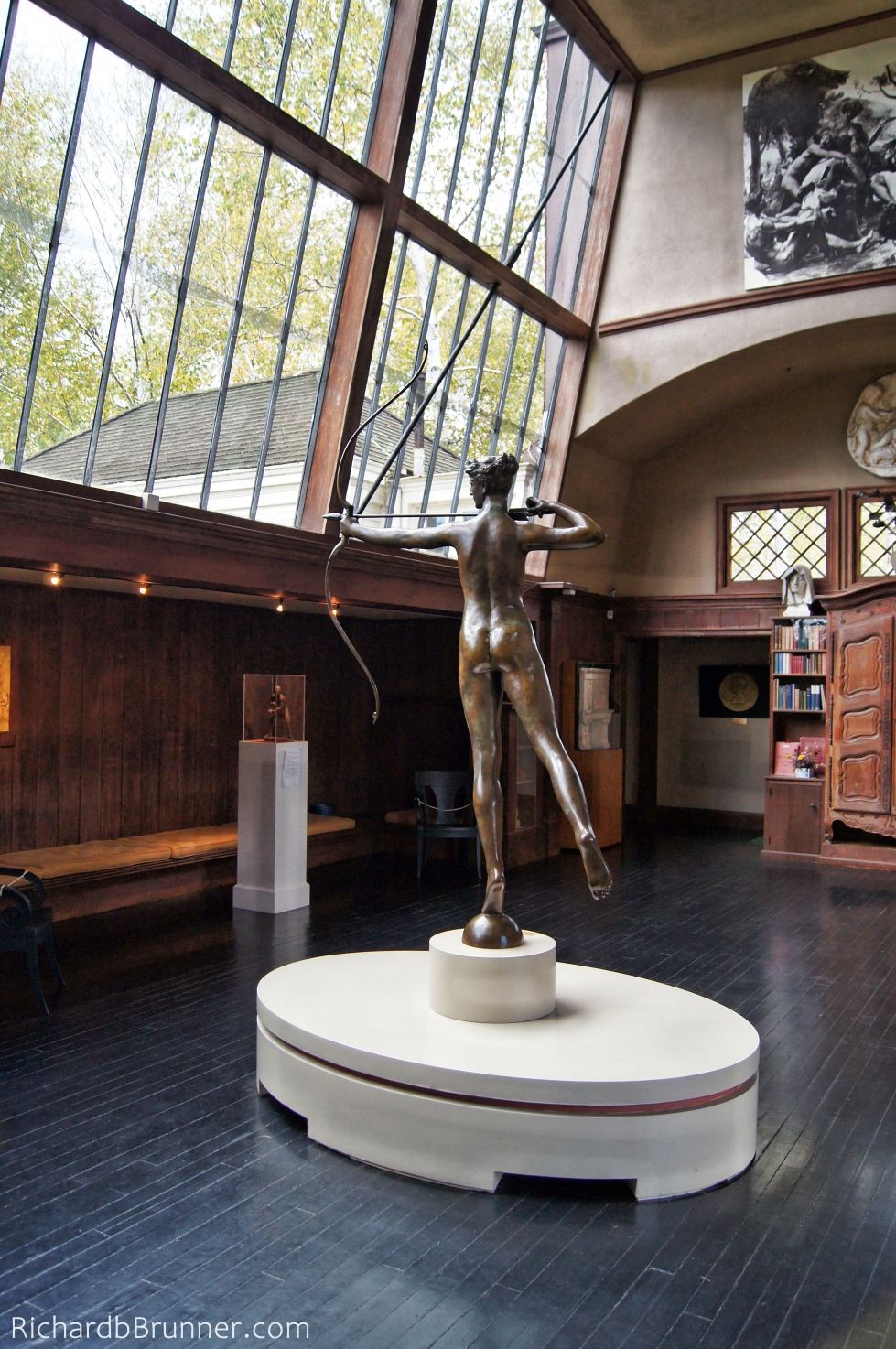
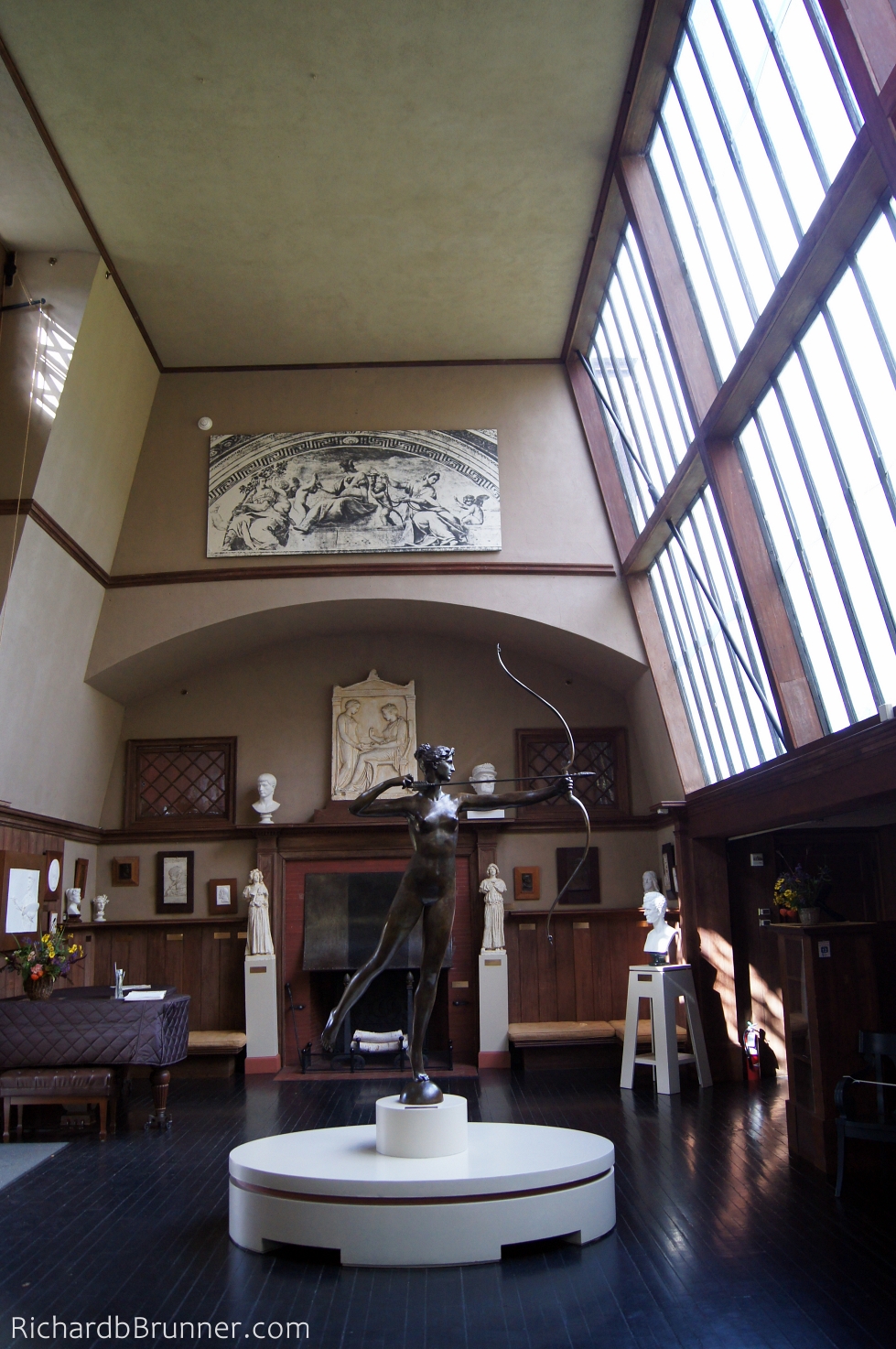
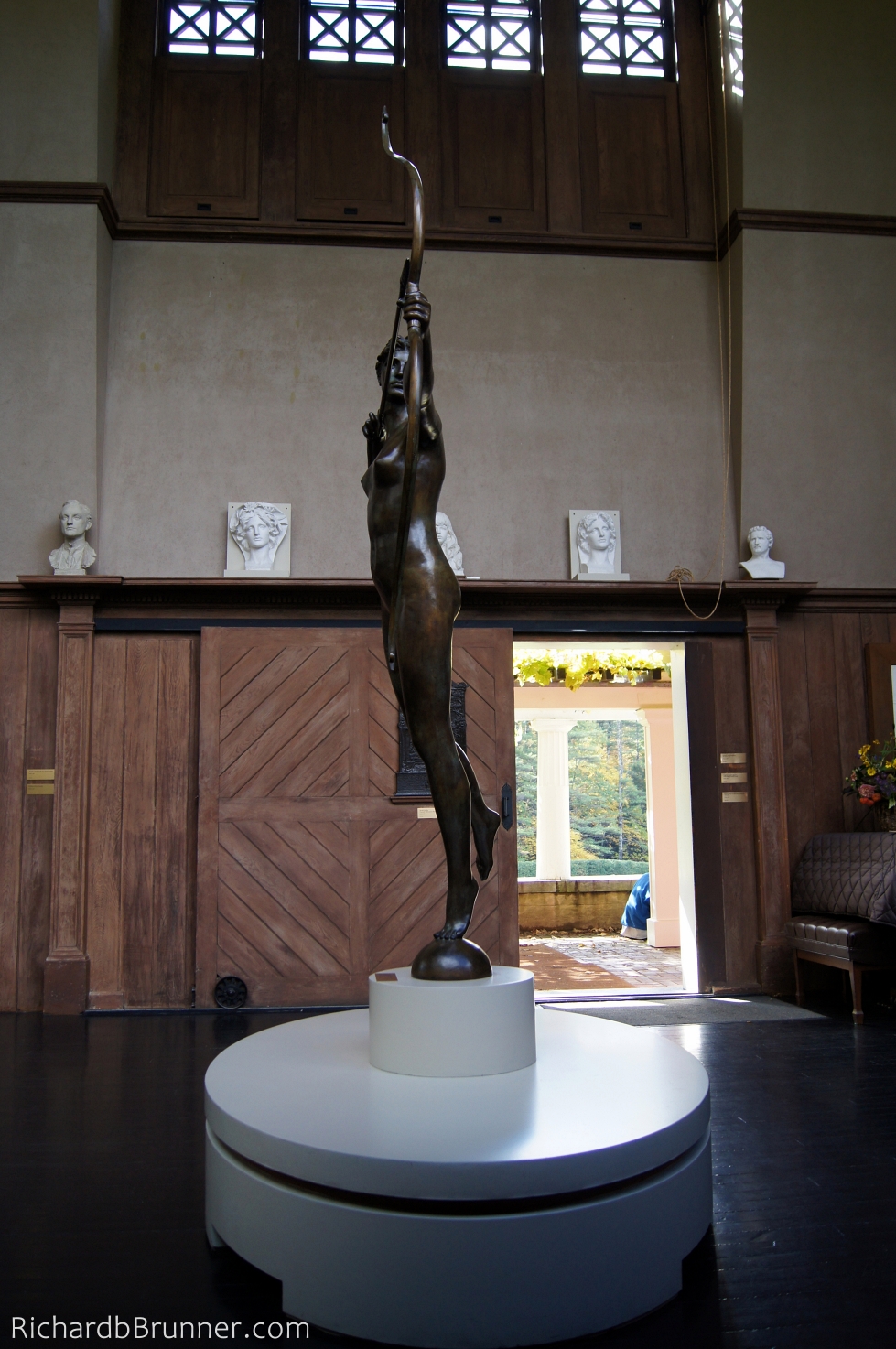
From Wikipedia: Diana – also known as Diana of the Tower – is an iconic statue by sculptor Augustus Saint-Gaudens, representing the goddess Diana. Once a major artistic feature of New York City, the second version stood atop the tower of Madison Square Garden from 1893 to 1925. Since 1932, it has been in the collection of the Philadelphia Museum of Art.
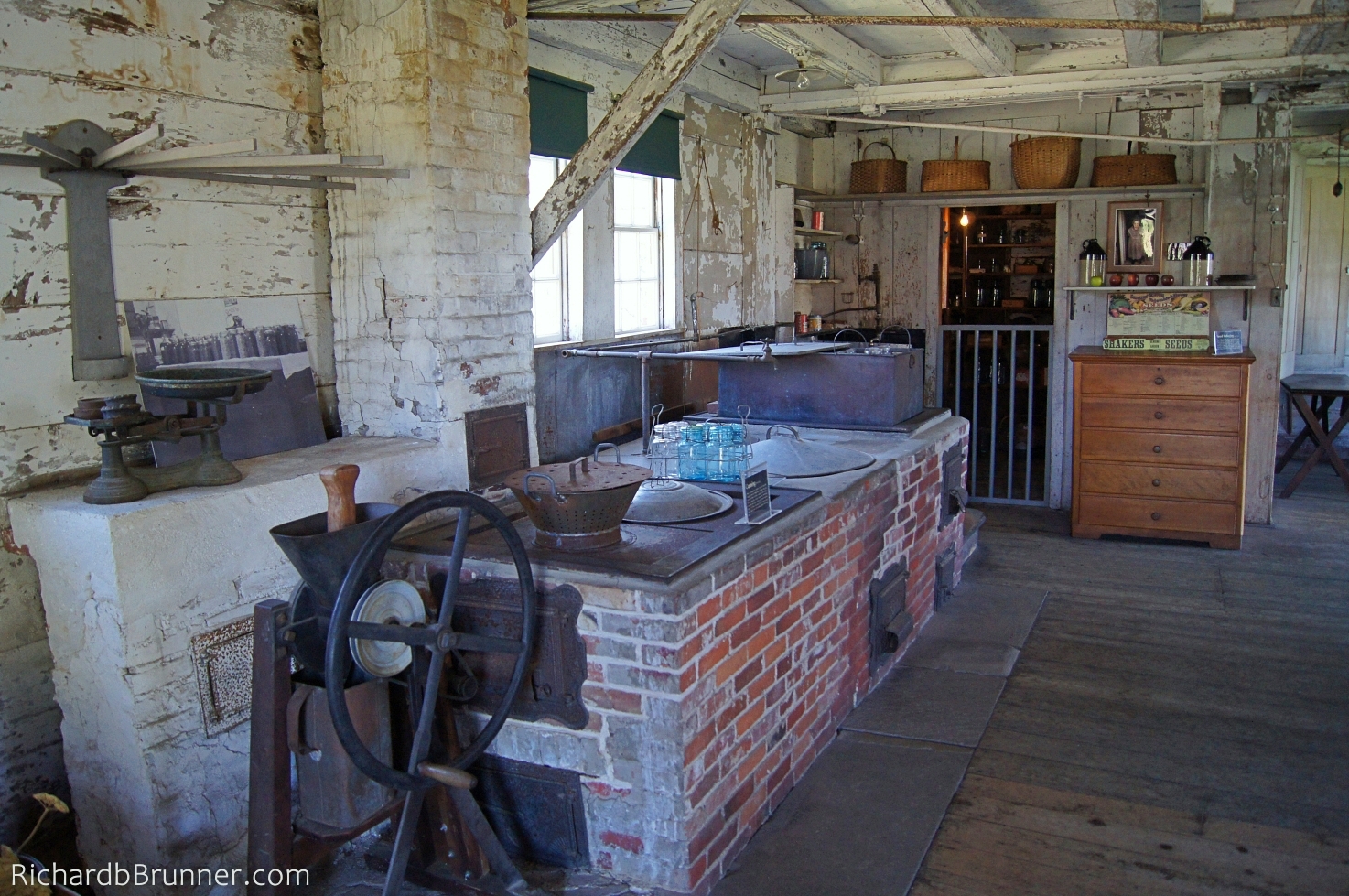
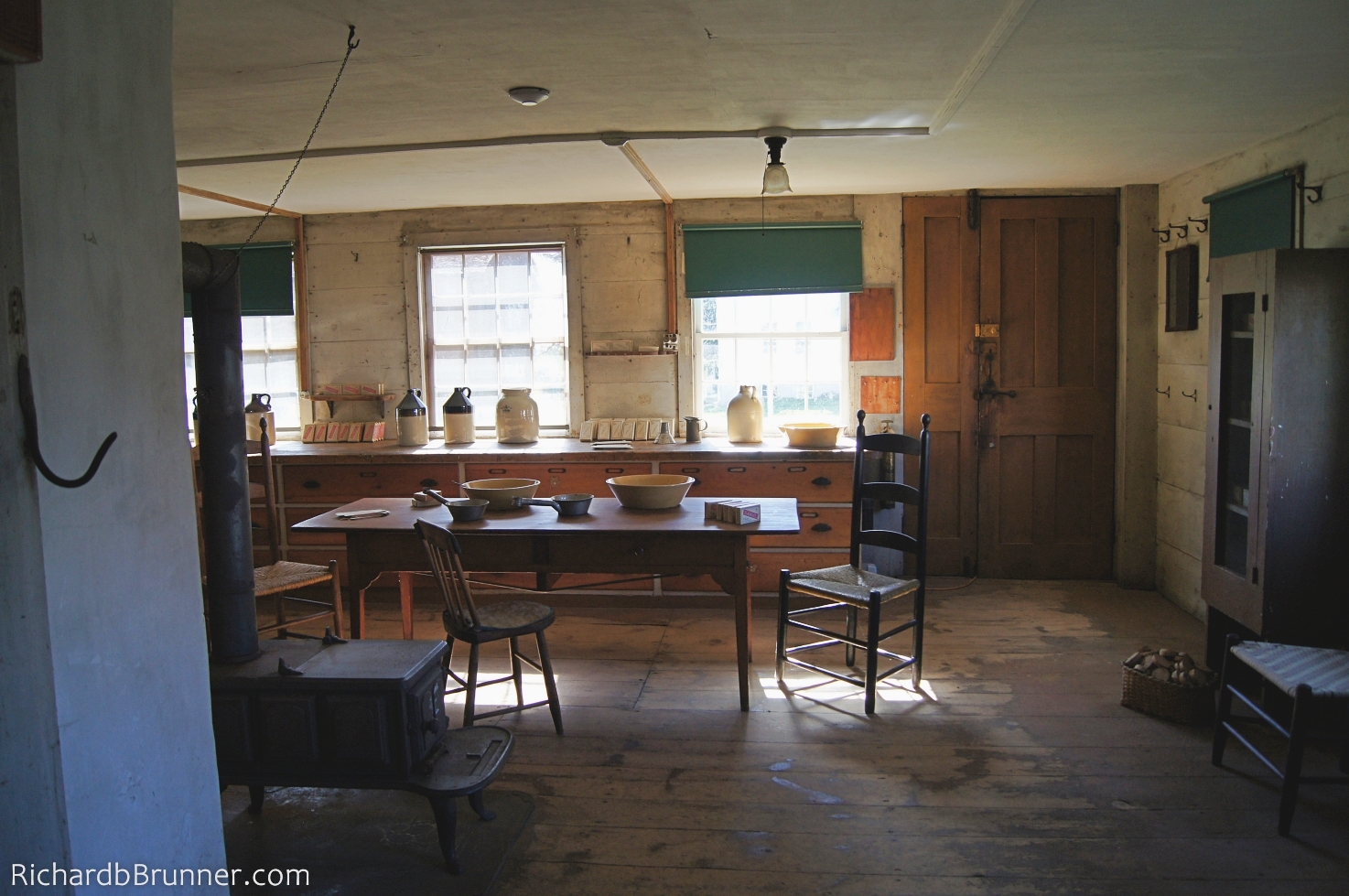
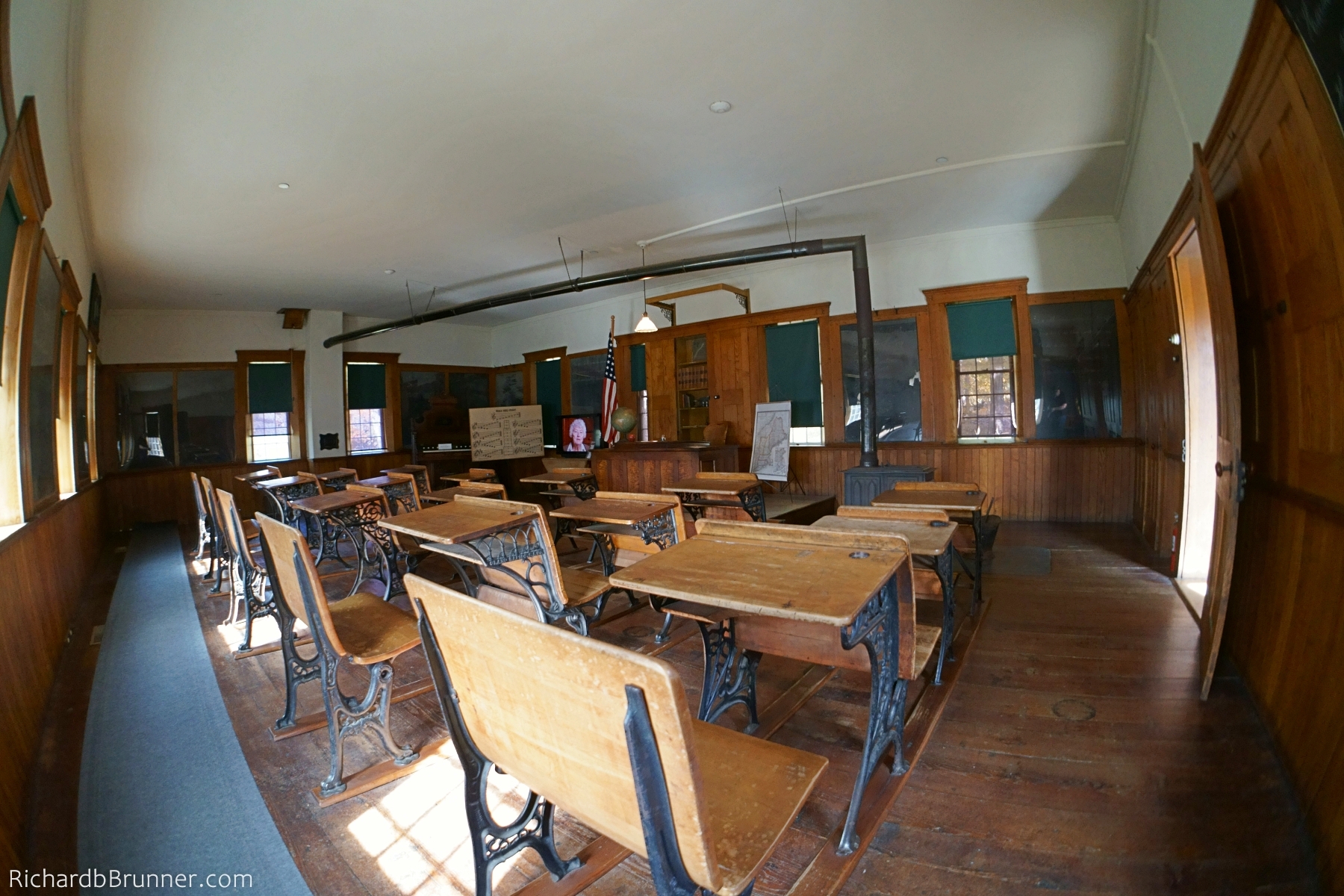
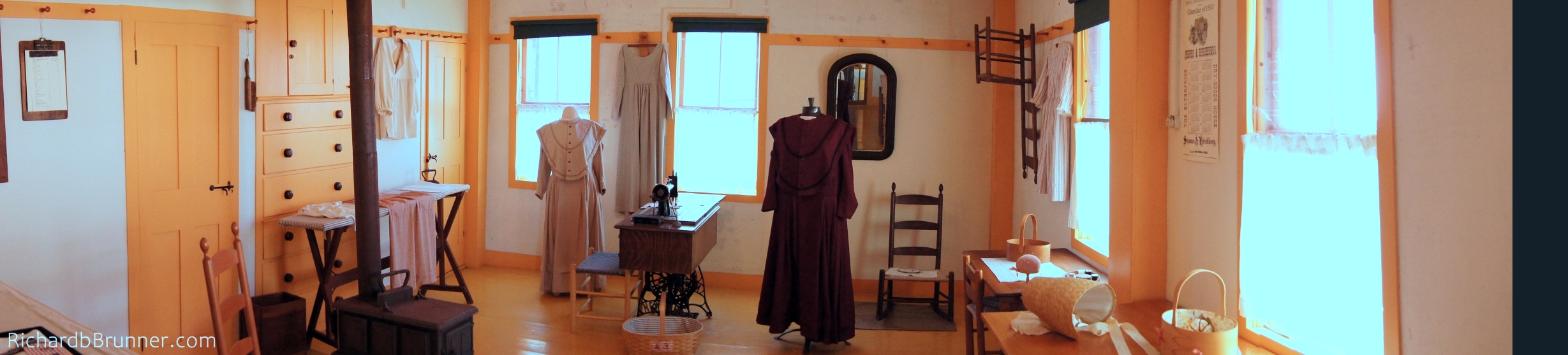
Canterbury Shaker Village preserves and interprets the legacy of the Shakers, providing a place for learning, reflection, and renewal of the human spirit.
Canterbury Shaker Village actively engages people of all ages, fostering the Shaker values of community, simplicity, and innovation.
The Canterbury Shakers transformed their inheritance into a museum for the benefit of all. Therefore, we have a duty of stewardship. These values are powerful tools for fulfilling that duty.
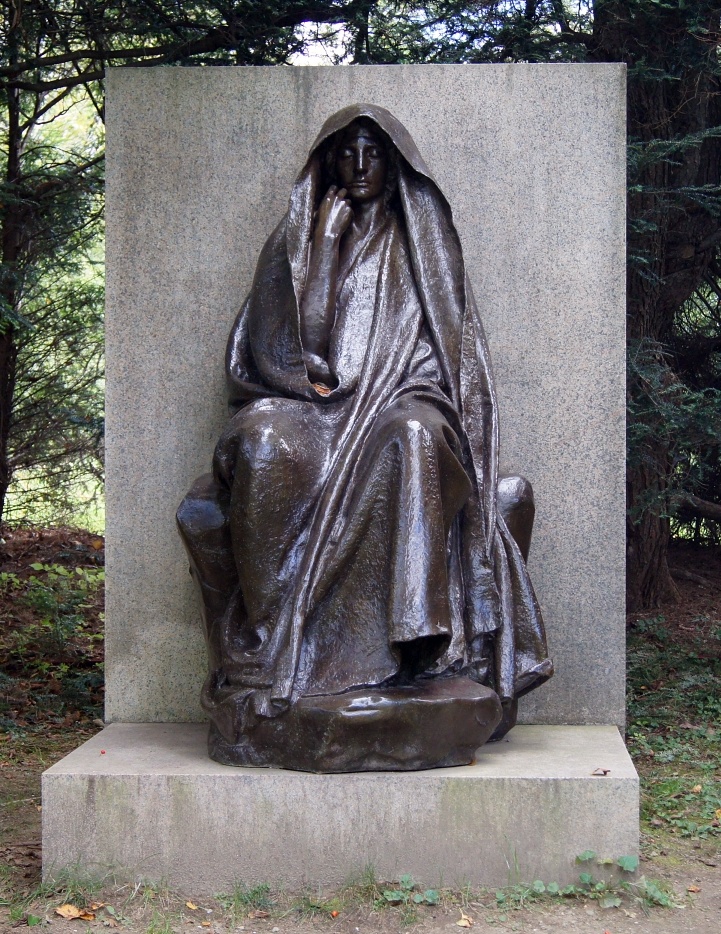
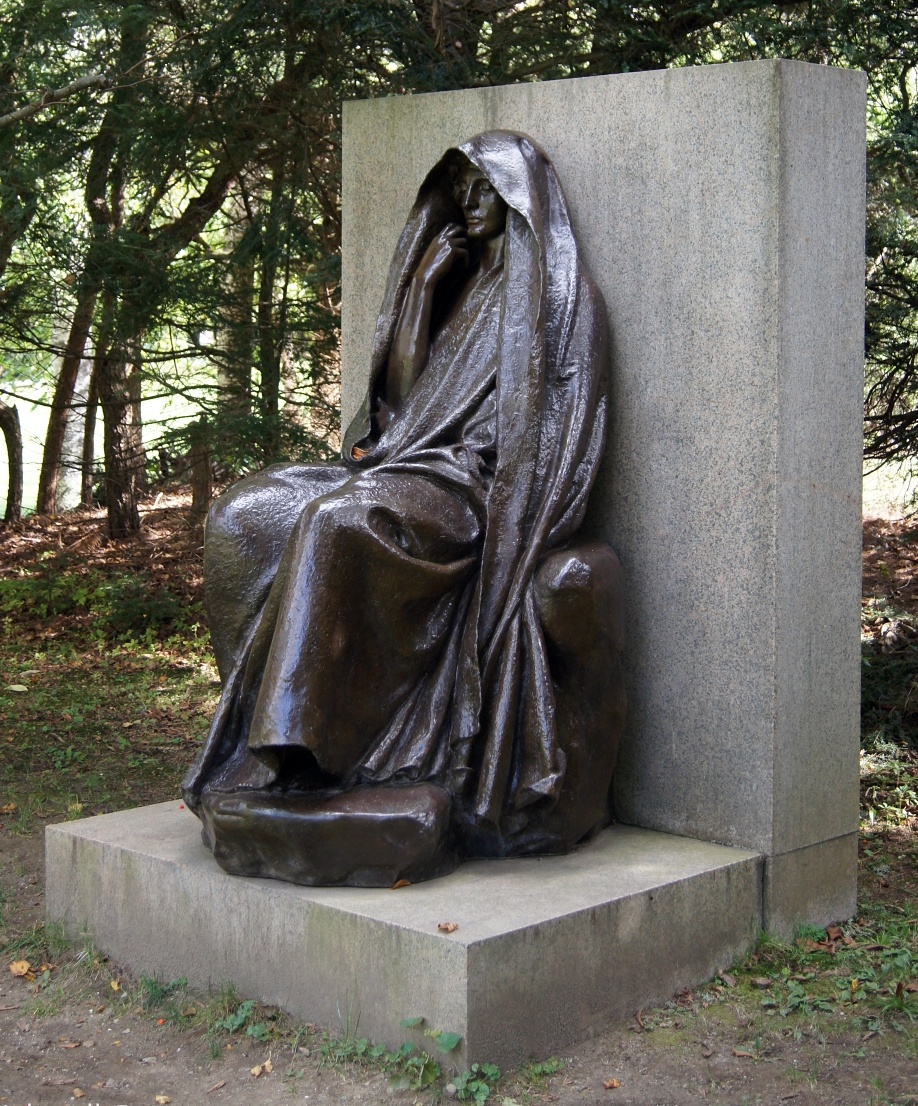
Augustus Saint-Gaudens was commissioned by author Henry Brooks Adams (great grandson of John Adams and grandson of John Quincy Adams) in 1886 to create a memorial for his wife’s grave in Washington, D. C.’s Rock Creek Cemetery. Marion, a D. C. socialite and accomplished photographer, had committed suicide a year earlier. Adams did not want a likeness of his wife, but instead asked Saint-Gaudens to create a spiritual figure that encompassed Buddhist philosophy and was similar to characters from Michelangelo’s Sistine Chapel. Both male and female models were used to create the androgynous figure.
Saint-Gaudens finished the project in 1891 and called it The Mystery of the Hereafter. Adams referred to it as The Peace of God. The public and press nicknamed it Grief, a name Adams did not like.
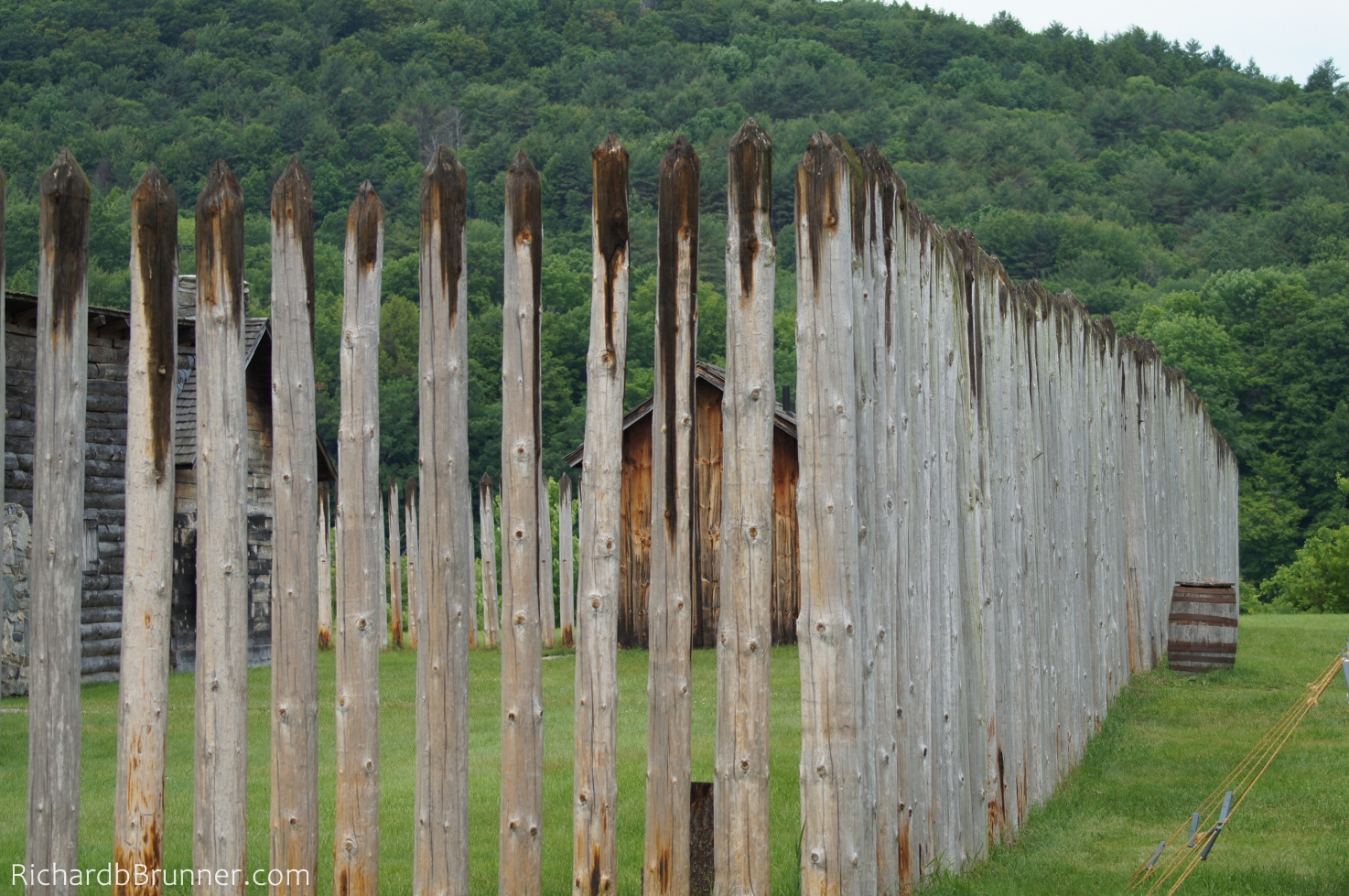
The Fort at No. 4 is an independent, non-profit organization dedicated to creating a greater understanding of the multi-ethnic, multi-layered, messy history of the 18th century. To that end the museum employs static displays, living history and reenactment activities, classes/workshops, tours, presentations, and special events. With a better understanding of past actions, attitudes, and norms of behavior, one is able to make better informed decision about current and future issues:
“You are not judged by the height your have risen, but from the depth you have climbed.” Frederick Douglass
The Fort at No. 4’s mission is: “To professionally collect, preserve and authentically interpret both physical and intellectual resources which provide an educational understanding and appreciation for the 18th century heritage of the Connecticut River Valley.”
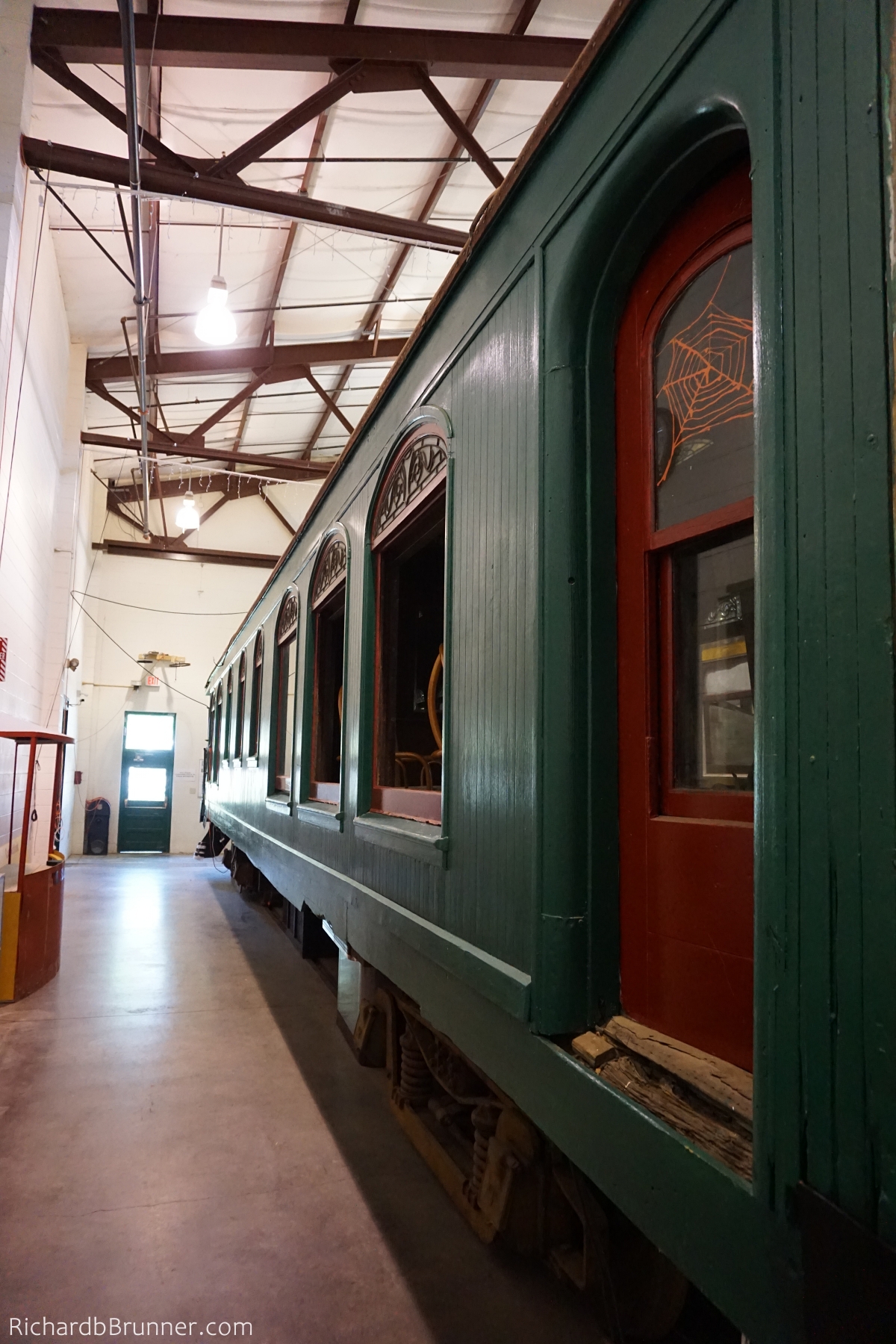
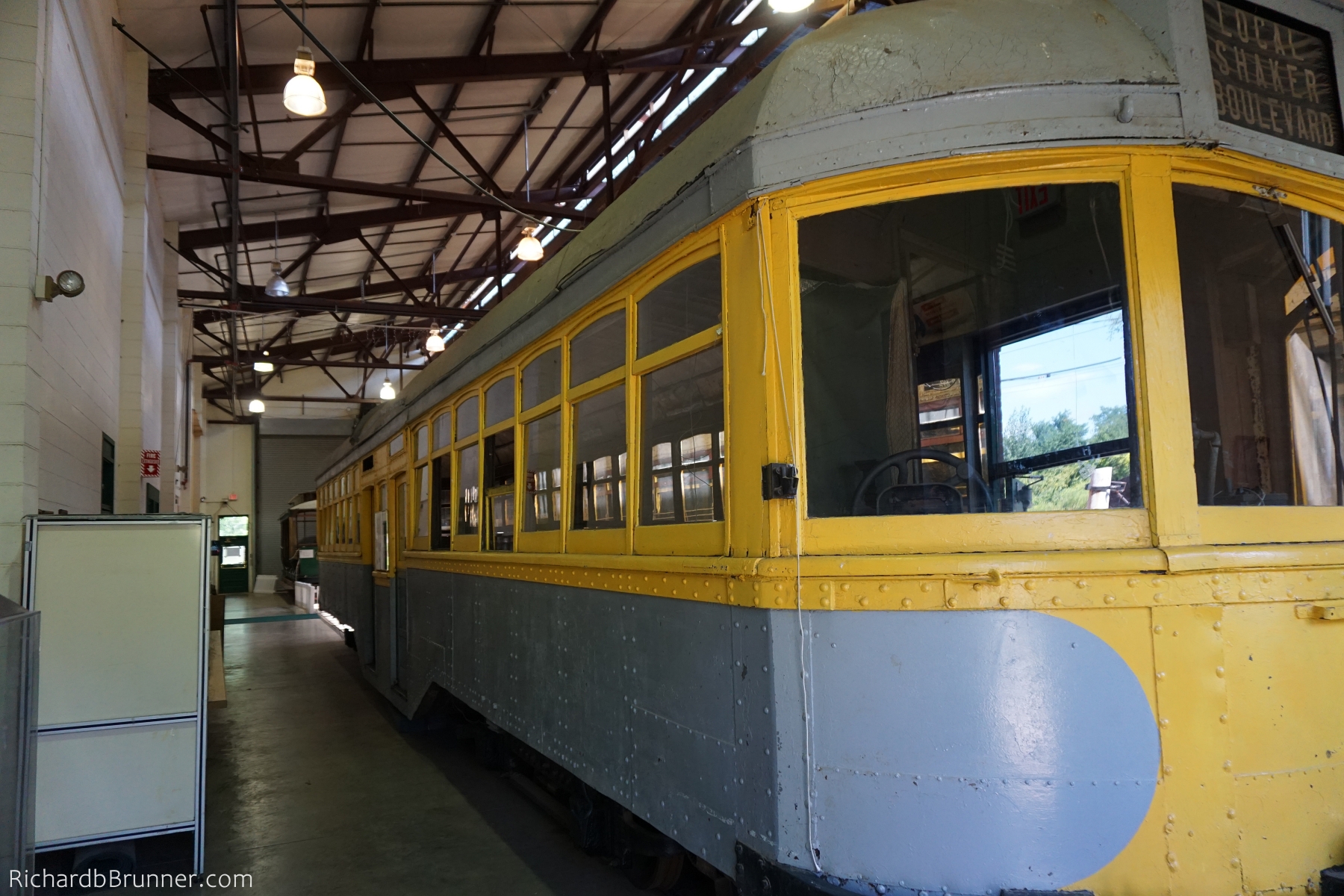
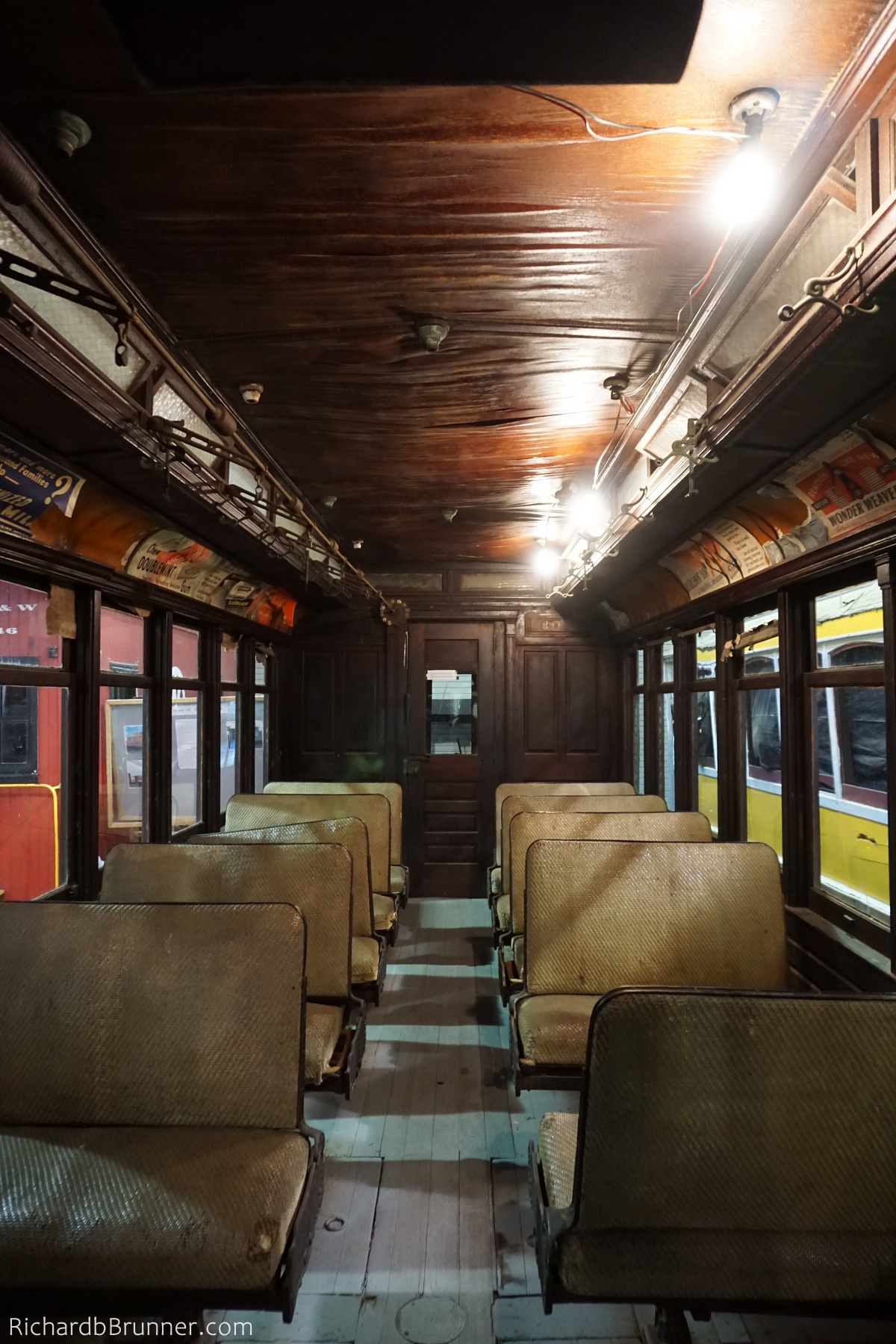
The Connecticut Trolley Museum has over 70 pieces of rail equipment dating back to 1869. During your visit, you can see historic passenger and freight trolley cars, interurban cars, elevated railway cars, passenger and freight railroad cars, service cars, locomotives, and a variety of other equipment from railways around Connecticut. You will also find examples from Brooklyn, Boston, New Orleans, Milwaukee, Cleveland, Springfield, Lynchburg, Montreal, and even Rio De Janeiro, Brazil.
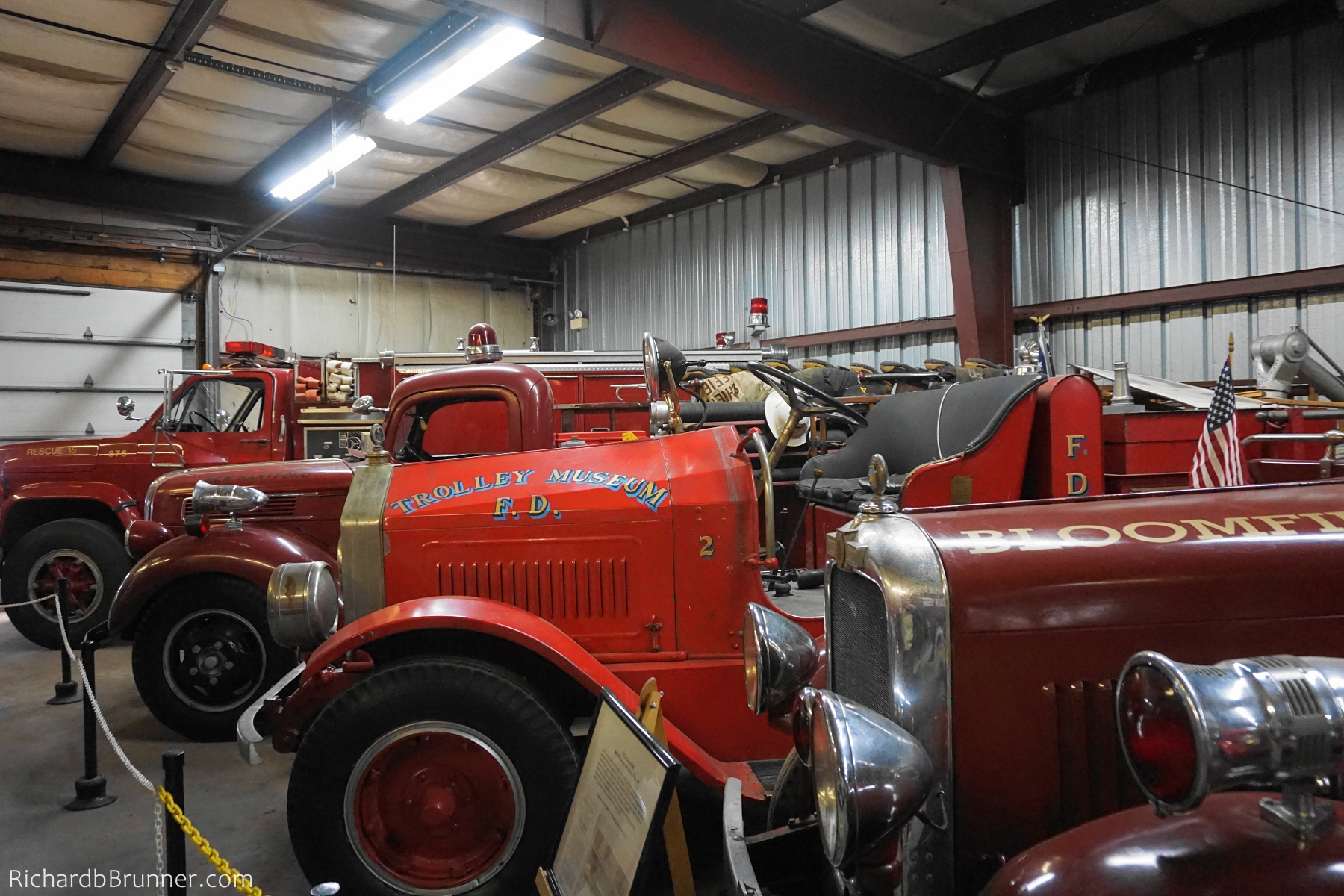
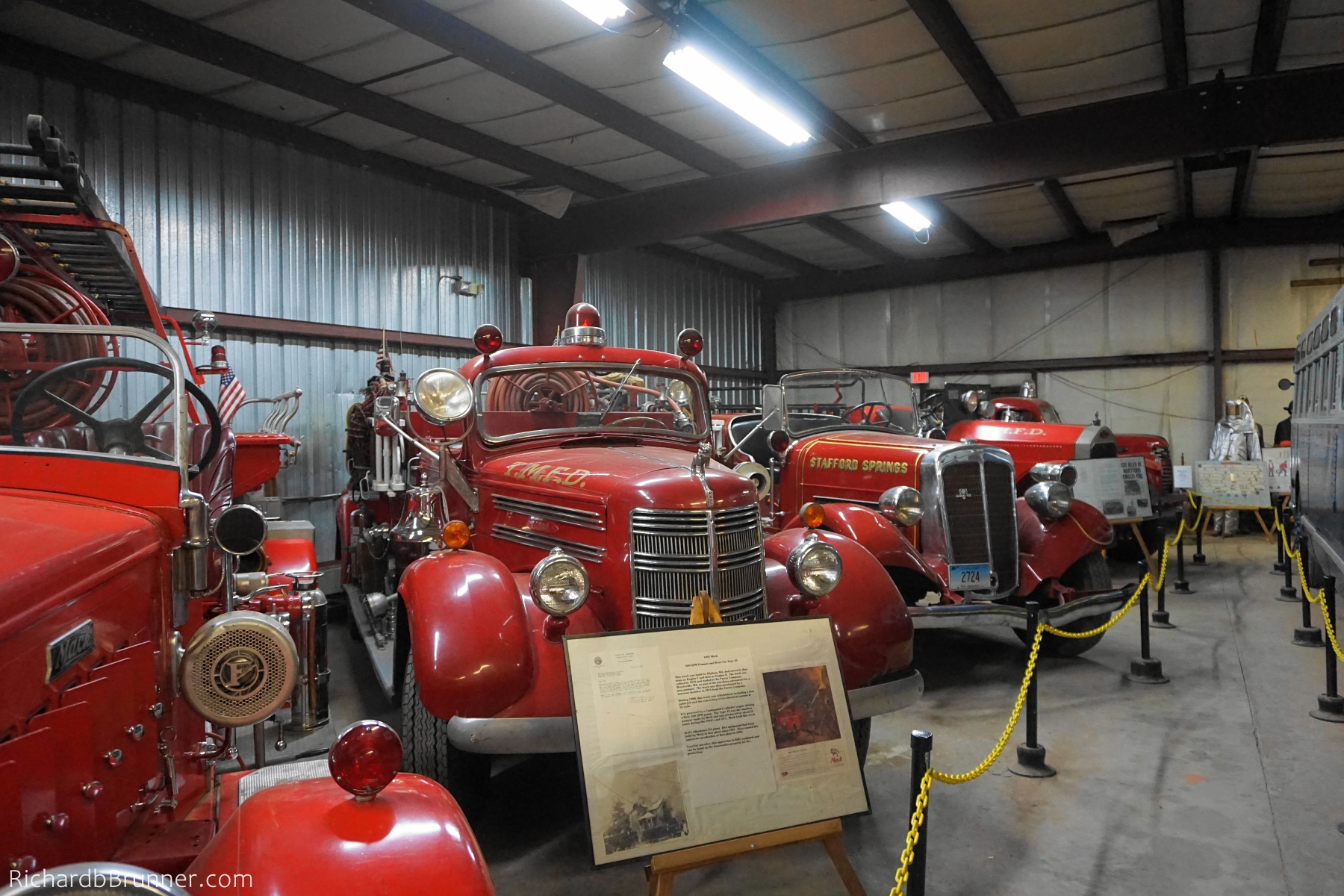
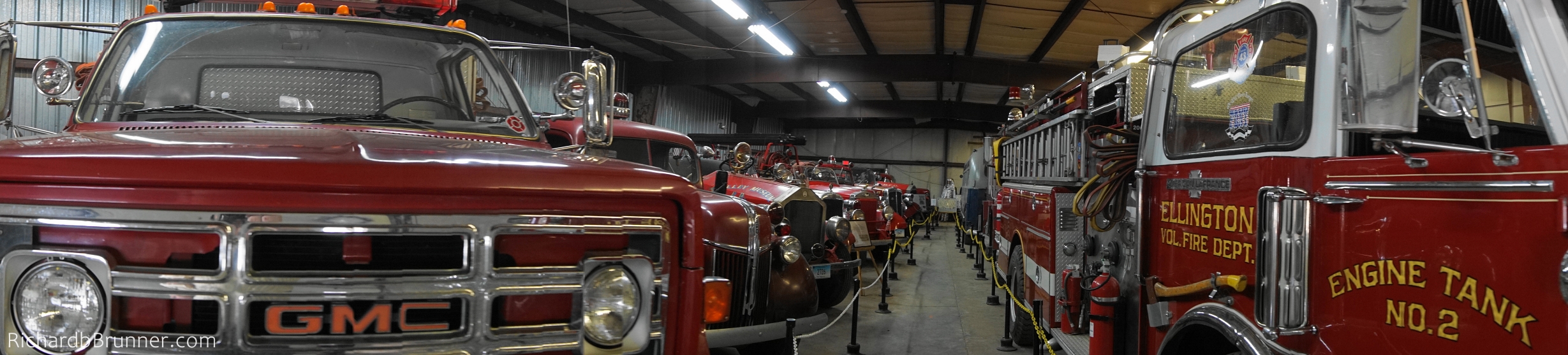
COLLECTION OF THE CONNECTICUT ANTIQUE FIRE APPARATUS ASSOCIATION
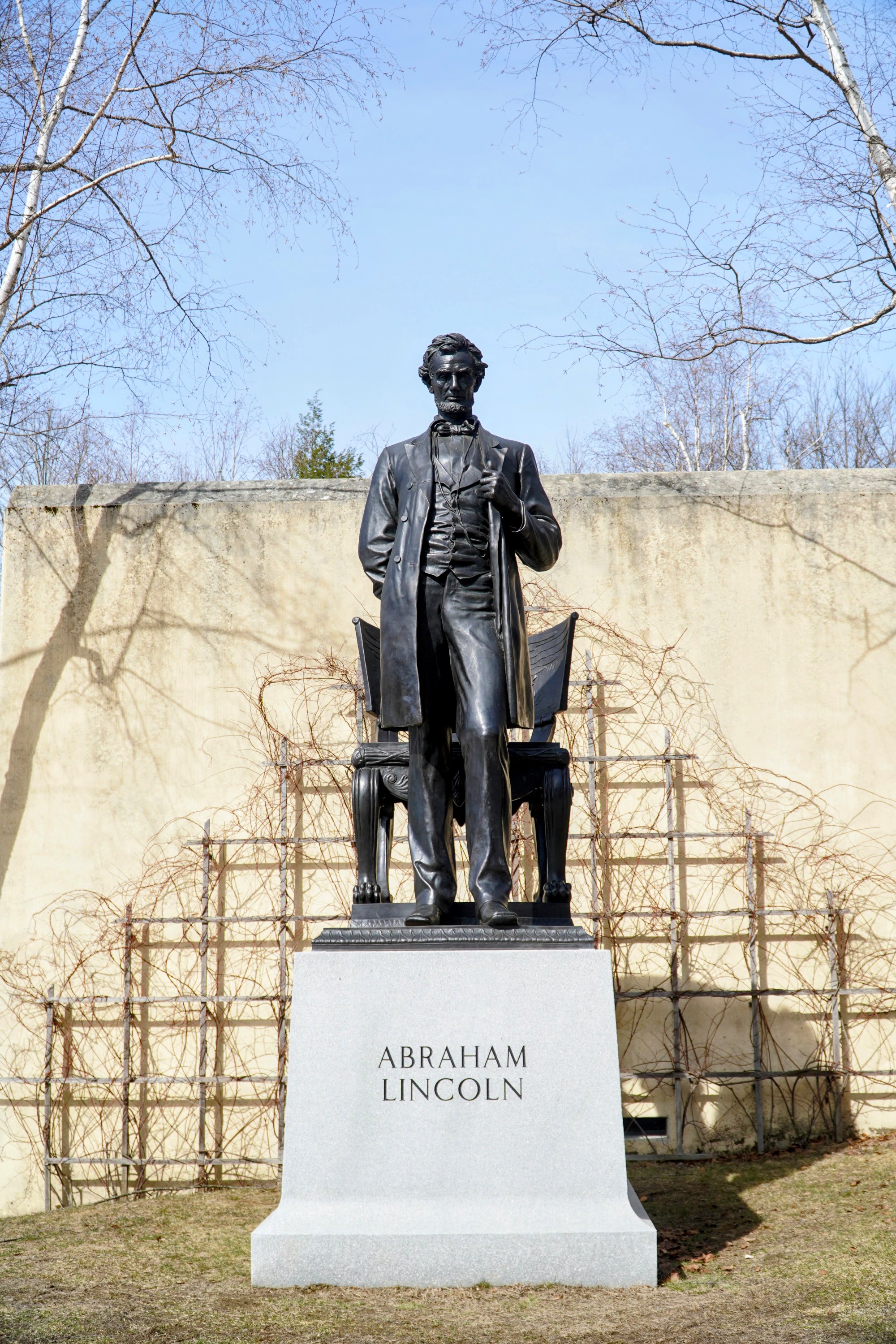
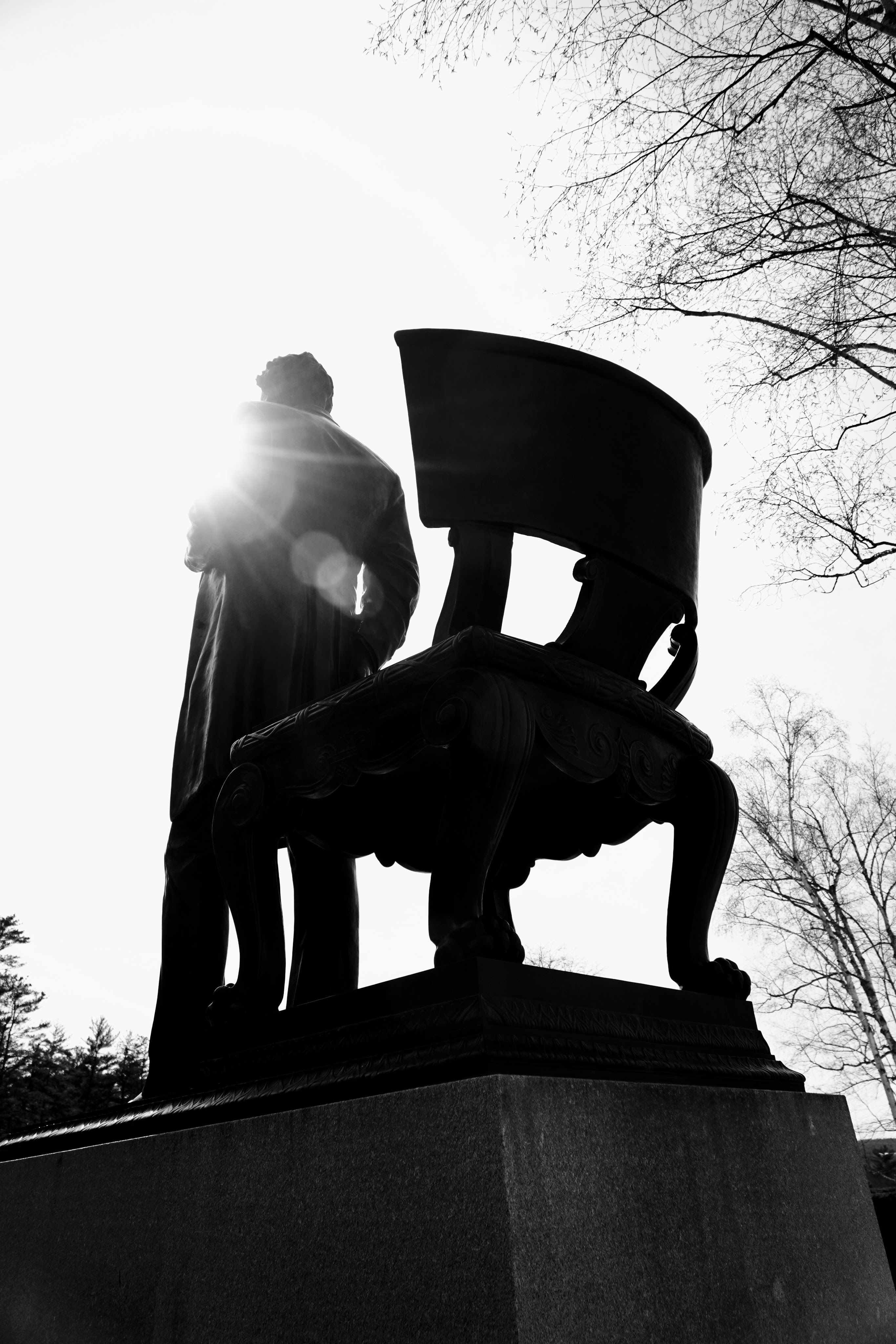
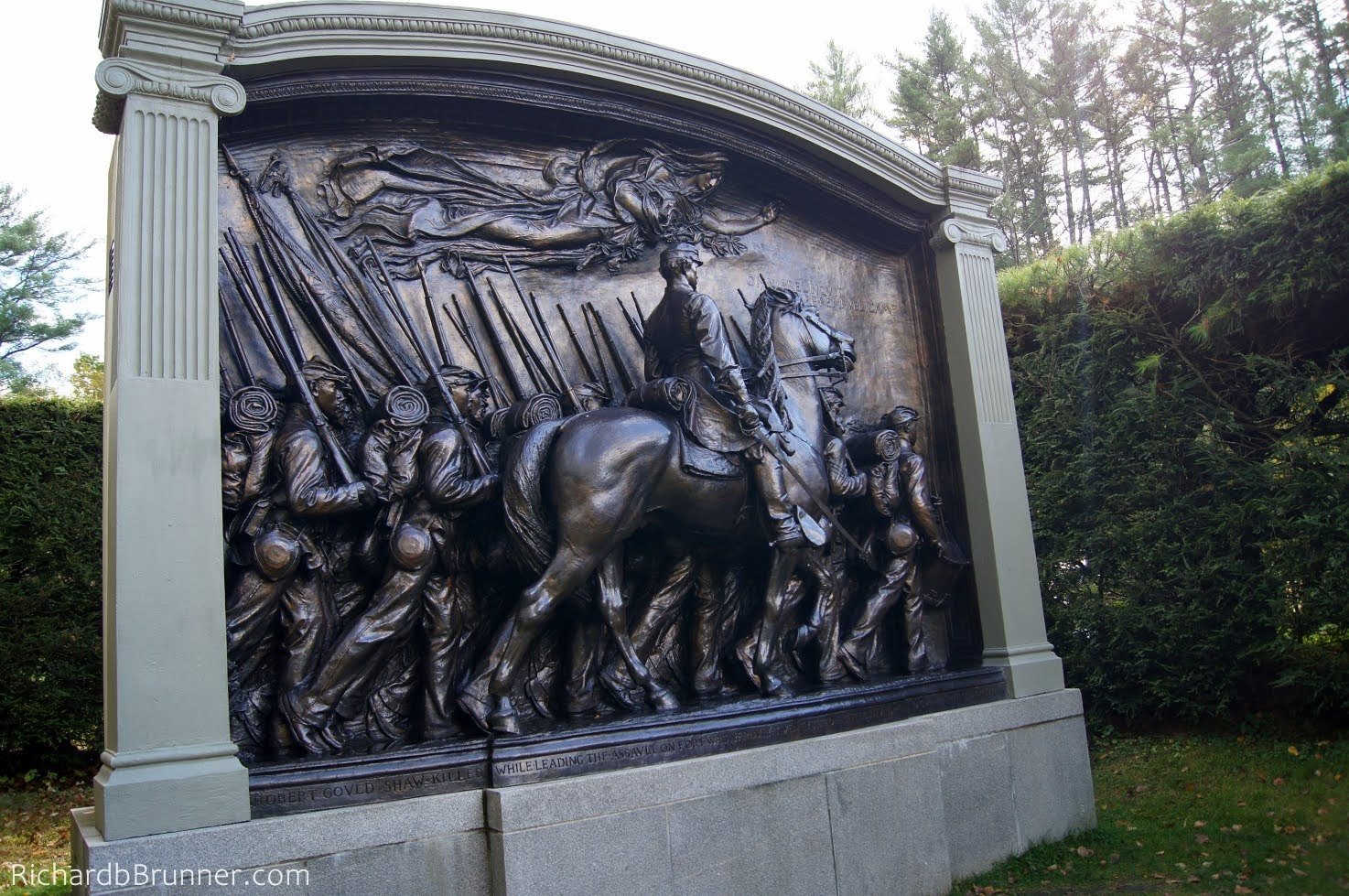
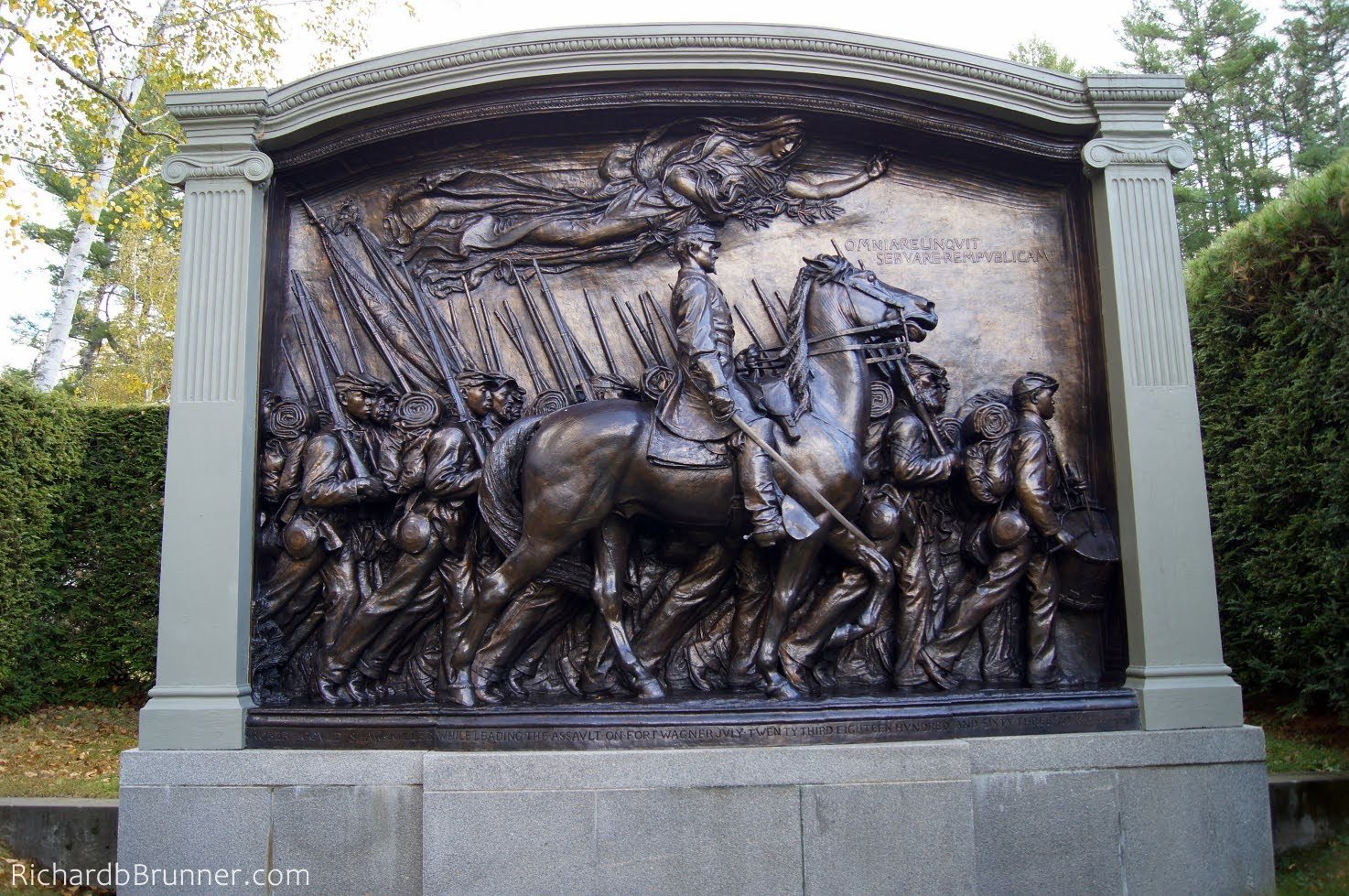
Saint-Gaudens National Historical Park in Cornish, New Hampshire, preserves the home, gardens, and studios of Augustus Saint-Gaudens (1848–1907), one of America’s foremost sculptors. This was his summer residence from 1885 to 1897, his permanent home from 1900 until his death in 1907, and the center of the Cornish Art Colony. There are two hiking trails that explore the park’s natural areas. Original sculptures are on exhibit, along with reproductions of his greatest masterpieces. It is located on Saint-Gaudens Road in Cornish, 0.5 miles (0.80 km) off New Hampshire Route 12A.
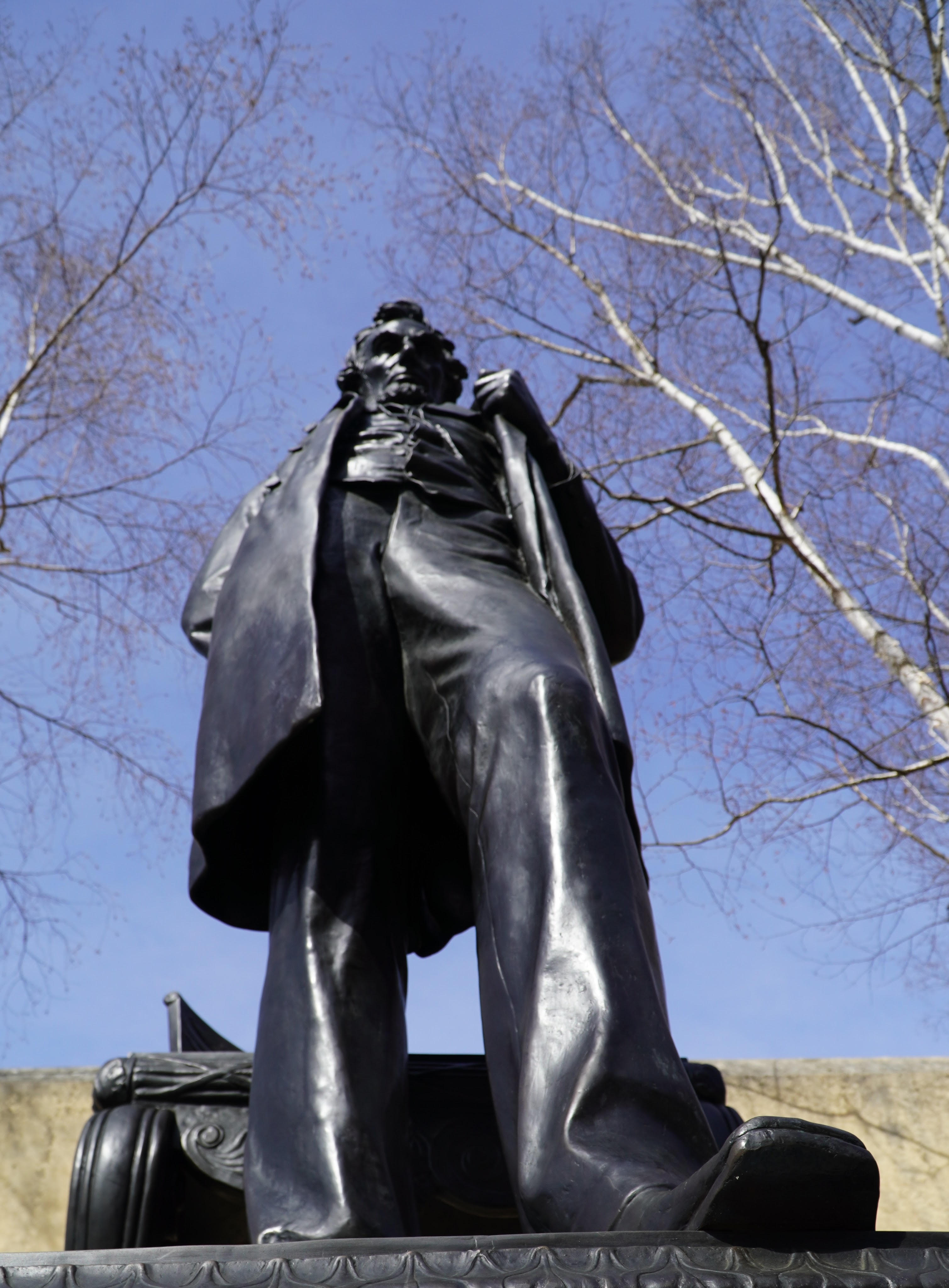
Robert Gould Shaw and Massachusetts 54th Regiment Memorial
A short time after I posted about my upcoming trip awhile back I made a decision that I have been seriously considering for quite sometime: Travel sans – auto.
Instead of a slow drive across America, it will be a slow train across America. I have taken Amtrak about a dozen times, usually the Vermonter from Philly to Mountpelier. This time I will be going west, north, east and south. The intention is the same: visit people, places, and communities. And as I do, pray and meditate when and wherever I am. Suggestions, thoughts, and feelings are always welcome.🙏
Railroad Museum of Pennsylvania
There is no single “Tri-State Area” in the United States; the term refers to numerous regional, metropolitan, or geographical areas where three states meet. There are at least 24 distinct, commonly referenced regional tri-state areas. Commonly Cited Tri-State Areas: New York Metropolitan Area: New York, New Jersey, Connecticut (NY/NJ/CT). Philadelphia Area: Pennsylvania, New Jersey, Delaware (PA/NJ/DE). Cincinnati Area: Ohio, Kentucky, Indiana (OH/KY/IN), though sometimes WV. Chicago Area: Illinois, Indiana, Wisconsin or sometimes IA/IL/WI. Delmarva Peninsula: Delaware, Maryland, Virginia (DE/MD/VA). Memphis Area: Tennessee, Mississippi, Arkansas (TN/MS/AR). Spokane Area: Washington, Idaho, Montana (WA/ID/MT). Boston Area: Massachusetts, Rhode Island, New Hampshire (MA/RI/NH).