Tags
It takes two to lie. One to lie and one to listen. Homer Simpson

30 Thursday May 2019
Posted in photo, Uncategorized
≈ Comments Off on It takes two
Tags
It takes two to lie. One to lie and one to listen. Homer Simpson

28 Tuesday May 2019
Posted in Anger, Handout, Uncategorized
Thinking influences our feelings through the things that we say to ourselves. Unhelpful thoughts can add fuel to the fire and play a large role in keeping anger going after the event has passed. However, using helpful self-statements (or ‘cooling thoughts’) can be a good way to manage our anger and guide our behavior.
Examples of these include:
To use this strategy we need to break anger into several stages:

Preparing for a provoking situations
During the event
Coping with stress
25 Saturday May 2019
Posted in creative, mental health, Mood, research, Uncategorized
≈ Comments Off on Different Cultures Enhances Creativity
Creativity can be enhanced by experiencing cultures different from one’s own, according to a study in Personality and Social Psychology Bulletin (published by SAGE).
Three studies looked at students who had lived abroad and those who hadn’t, testing them on different aspects of creativity. Relative to a control group, which hadn’t experienced a different culture, participants in the different culture group provided more evidence of creativity in various standard tests of the trait. Those results suggest that multicultural learning is a critical component of the adaptation process, acting as a creativity catalyst.

The researchers believe that the key to the enhanced creativity was related to the students’ open-minded approach in adapting to the new culture. In a global world, where more people are able to acquire multicultural experiences than ever before, this research indicates that living abroad can be even more beneficial than previously thought.
“Given the literature on structural changes in the brain that occur during intensive learning experiences, it would be worthwhile to explore whether neurological changes occur within the creative process during intensive foreign culture experiences,” write the authors, William W. Maddux, Hajo Adam, and Adam D. Galinsky. “That can help paint a more nuanced picture of how foreign culture experiences may not only enhance creativity but also, perhaps literally, as well as figuratively, broaden the mind.
The article “When in Rome… Learn Why the Romans Do What They Do: How Multicultural Learning Experiences Facilitate Creativity” in the June 2010 issue of Personality and Social Psychology Bulletin.
01 Wednesday May 2019
Posted in Uncategorized
≈ Comments Off on Evidence based Yoga
Anxiety A meta-analysis of the research involving yoga interventions for anxiety and related disorders reviewed eight studies conducted during 2004. Overall, this research reported positive results, especially in cases of obsessive-compulsive disorder. However, the authors were quick to point out a generally poor quality of research techniques, inadequacies in methodology, and difficulty comparing studies.8 A Cochrane review of two RCTs that investigated the effectiveness of meditation and yoga on patients with diagnosed anxiety disorders stated that based on the available research, no distinct conclusions can be drawn on the ability of meditation and yoga to be effective for anxiety disorders.9
Asthma To determine the efficacy of Iyengar yoga practice on symptoms and perceived quality of life of people living with asthma, 62 patients with mild to moderate asthma were randomized and divided into two groups. The treatment group performed Iyengar yoga for 4 weeks, and the control group enrolled in a “stretching” program. Both groups underwent spirometry testing and recorded their bronchodilator use, symptoms, and quality of life assessments. At no point in the study did the yoga intervention group show a measured benefit in clinical indices.10 Another small RCT divided 17 subjects into a yoga treatment and a control group. The yoga group engaged in relaxation pranayama (mindful breathing) techniques, yoga postures, and meditation 3 times per week for 16 weeks. Spirometry testing showed little difference between the two groups; however, the yoga group showed improved exercise tolerance and reported relaxation as well as a more positive attitude as measured by questionnaire. This study also showed a trend toward less use of short-acting bronchodilator medication in the yoga group.11
Back pain A 12-week RCT compared viniyoga practice with conventional therapeutic back exercises or a self-help book for 101 patients with chronic low back pain. The yoga group met with one instructor for a weekly 75-minute viniyoga practice. Patients were also encouraged to practice at home daily and were given handouts and an audio CD guide. This group showed greater improvement in functional status, decreased activity restriction, and increased general health compared to the conventional exercise group or the self-help book group at 12 weeks. At 26 weeks post treatment, the conventional exercise and yoga therapy group did not show a significant difference in outcome, though at all points in time, viniyoga therapy appeared to be more effective than the self- care book. The viniyoga benefit also lasted for months after the intervention.12
Cardiovascular disease A systematic literature review of 70 studies published over the past two decades showed a trend toward beneficial changes in metabolic syndrome risk factors such as insulin resistance, lipid profiles, BP, and anthropomorphic indices. The author noted that by controlling risk factors for metabolic syndrome, a regular yoga practice might possibly reduce the risk of cardiovascular disease (CVD). It is important to note that approximately one-third of the reviewed studies were RCTs and that the majority of the others were uncontrolled or nonrandomized controlled clinical trials.4 A 2002 comprehensive review of the literature on the psychophysiological effects of hatha yoga concluded that regular hatha yoga practice and a “yoga lifestyle” have the potential to benefit CVD risk indices.5
Cardiovascular fitness A 50-minute hatha yoga routine burns 2.2 to 3.6 kcal/min, the equivalent a very slow walk. Except in persons who are very deconditioned, this type of yoga practice alone is unlikely to have a significant training effect on cardiovascular fitness, pulmonary function, body composition, or fat metabolism.13 More vigorous forms of power or vinyasa yoga require a higher energy output, depending on the method of teaching and selection of asanas (postures). One recent study demonstrated a 7% increase in VO2 max after previously sedentary subjects practiced 8 weeks of yoga training.13 However, the general consensus is that yoga does not provide the significant cardiovascular stimulus necessary to enhance cardiovascular function.14
1. Tindle HA, Davis RB, Phillips RS, Eisenberg DM. Trends in use of complementary and alternative medicine by US adults: 1997-2002. Altern Ther Health Med. 2005;11(1):42-49.
2. Carrico M. Yoga Journal’s Yoga Basics: The Essential Beginner’s Guide to Yoga for a Lifetime of Health and Fitness. New York, NY: Henry Holt and Company; 1997.
3. Nayak NN, Shankar K. Yoga: a therapeutic approach. Phys Med Rehabil Clin N Am. 2004;15(4): 783-798, vi.
4. Innes KE, Bourguignon C, Taylor AG. Risk indices associated with the insulin resistance syndrome, cardiovascular disease, and possible protection with yoga: a systematic review. J Am Board Fam Pract. 2005;18(6):491-519.
5. Raub JA. Psychophysiologic effects of Hatha yoga on musculoskeletal and cardiopulmonary function: a literature review. J Altern Complement Med. 2002;8(6):797-812.
6. Luskin FM, Newell KA, Griffith M, et al. A review of mind-body therapies in the treatment of musculoskeletal disorders with implications for the elderly. Altern Ther Health Med. 2000;6(2): 46-56.
7. Jensen PS, Kenny DT. The effects of yoga on the attention and behavior of boys with attentiondeficit/ hyperactivity disorder (ADHD). J Atten Disord. 2004;7(4):205-216.
8. Kirkwood G, Rampes H, Tuffrey V, et al. Yoga for anxiety: a systematic review of the research evidence. Br J Sports Med. 2005;39(12):884-891.
9. Krisanaprakornkit T, Krisanaprakornkit W, Piyavhatkul N, Laopaiboon M. Meditation therapy for anxiety disorders. Cochrane Database Syst Rev. 2006;(1):CD004998.
10. Sabina AB, Williams AL, Wall HK, et al. Yoga intervention for adults with mild-to-moderate asthma: a pilot study. Ann Allergy Asthma Immunol. 2005;94(5):543-548.
11. Vendanthan PK, Kesavalu LN, Murthy KC, et al. Clinical study of yoga techniques in university students with asthma: a controlled study. Allergy Asthma Proc. 1998;19(1):3-9.
12. Sherman KJ, Cherkin DC, Erro J, et al. Comparing yoga, exercise, and a self-care book for chronic low back pain: a randomized, controlled trial. Ann Intern Med. 2005;143(12):849-856.
13. Tran MD, Holly RG, Lashbrook J, Amsterdam EA. Effects of Hatha yoga practice on the healthrelated aspects of physical fitness. Prev Cardiol. 2001;4(4):165-170.
14. Clay CC, Lloyd LK, Walker JL, et al. The metabolic cost of Hatha yoga. J Strength Cond Res. 2005;19(3):604-610.
29 Monday Apr 2019
Posted in Depression, Uncategorized
Tags
Whether you’re a college student in the middle of a major slump, a new mom who can’t pinpoint why she’s feeling so glum, or a retiree grieving over the loss of a loved one, that question isn’t an easy one to answer.
But there’s one thing for sure: “It is much more than just a sad mood,” said Angelos Halaris, MD, a professor of psychiatry and medical director of adult psychiatry at the Loyola University Medical Center in Chicago. Symptoms may include everything from hopelessness and fatigue to physical pain. And just as symptoms vary from person to person, so do the actual diagnoses. The word depression is actually just an umbrella term for a number of different forms, from major depression to atypical depression to dysthymia.
The most common form of depression? Major depression. In fact, about 7 percent of the adult U.S. population has this debilitating mental health condition at any given time, according to the National Institute of Mental Health (NIMH).
If you’re experiencing major depression, you may feel and see symptoms of extreme sadness, hopelessness, lack of energy, irritability, trouble concentrating, changes in sleep or eating habits, feelings of guilt, physical pain, and thoughts of death or suicide — and for an official diagnosis, your symptoms must last for more than two weeks. In some instances, a person might only experience one episode of major depression, but the condition tends to recur throughout a person’s life.
The best treatment is usually with antidepressant medications, explained Dr. Halaris, but talk therapy may also be used to treat depression. And there’s good news: An estimated 80 to 90 percent of people with major depression respond well to treatment.
About 2 percent of the American population has a form of depression that’s less severe than major depression, but is still very real — dysthymia.
Dysthymia is a type of depression that causes a low mood over a long period of time — perhaps for a year or more, explained Halaris. “People can function adequately, but not optimally.” Symptoms include sadness, trouble concentrating, fatigue, and changes in sleep habits and appetite.
This depression usually responds better to talk therapy than to medications, though some studies suggest that combining medication with talk therapy may lead to the greatest improvement. People with dysthymia may also be at risk for episodes of major depression.
A whopping 85 percent of new moms feel some sadness after their baby is born — but for up to 16 percent of women, that sadness is serious enough to be diagnosable.
Postpartum depression is characterized by feelings of extreme sadness, fatigue, loneliness, hopelessness, suicidal thoughts, fears about hurting the baby, and feelings of disconnect from the child. It can occur anywhere from weeks to months after childbirth, and Halaris explained it most always develops within a year after a woman has given birth.
“It needs prompt and experienced medical care,” he said — and that may include a combination of talk and drug therapy.
Would you prefer to hibernate during the winter than face those cold, dreary days? Do you tend to gain weight, feel blue, and withdraw socially during the season?
You could be one of 4 to 6 percent of people in the United States estimated to have seasonal affective disorder, or SAD. Though many people find themselves in winter funks, SAD is characterized by symptoms of anxiety, increased irritability, daytime fatigue, and weight gain. This form of depression typically occurs in winter climates, likely due to the lessening of natural sunlight. “We don’t really know why some people are more sensitive to this reduction in light,” said Halaris. “But symptoms are usually mild, though they can be severe.”
This depression usually starts in early winter and lifts in the spring, and it can be treated with light therapy or artificial light treatment.
Despite its name, atypical depression is not unusual. In fact, it may be one of the most common types of depression — and some doctors even believe it is underdiagnosed.
“This type of depression is less well understood than major depression,” explained Halaris. Unlike major depression, a common sign of atypical depression is a sense of heaviness in the arms and legs — like a form of paralysis. However, a study published in the Archives of General Psychiatry (now known as JAMA Psychiatry) found that oversleeping and overeating are the two most important symptoms for diagnosing atypical depression. People with the condition may also gain weight, be irritable, and have relationship problems.
Some studies show that talk therapy works well to treat this kind of depression.
Psychosis — a mental state characterized by false beliefs, known as delusions, or false sights or sounds, known as hallucinations — doesn’t typically get associated with depression. But according to the National Alliance on Mental Illness, about 20 percent of people with depression have episodes so severe that they see or hear things that are not really there.
“People with this psychotic depression may become catatonic, not speak, or not leave their bed,” explained Halaris. Treatment may require a combination of antidepressant and antipsychotic medications. A review of 10 studies concluded that it may be best to start with an antidepressant drug alone and then add an antipsychotic drug if needed. Another review, however, found the combination of medications was more effective than either drug alone in treating psychotic depression.
If your periods of extreme lows are followed by periods of extreme highs, you could have bipolar disorder (sometimes called manic depressive disorder because symptoms can alternate between mania and depression).
Symptoms of mania include high energy, excitement, racing thoughts, and poor judgment. “Symptoms may cycle between depression and mania a few times per year or much more rapidly,” Halaris said. “This disorder affects about 2 to 3 percent of the population and has one of the highest risks for suicide.” Bipolar disorder has four basic subtypes: bipolar I (characterized by at least one manic episode); bipolar II (characterized by hypomanic episodes — which are milder — along with depression); cyclothymic disorder; and other specified bipolar and related disorder.
People with bipolar disorder are typically treated with drugs called mood stabilizers.
Premenstrual dysphoric disorder, or PMDD, is a type of depression that affects women during the second half of their menstrual cycles. Symptoms include depression, anxiety, and mood swings. Unlike premenstrual syndrome (PMS), which affects up to 85 percent of women and has milder symptoms, PMDD affects about 5 percent of women and is much more severe.
“PMDD can be severe enough to affect a woman’s relationships and her ability to function normally when symptoms are active,” said Halaris. Treatment may include a combination of depression drugs as well as talk and nutrition therapies.
Also called adjustment disorder, situational depression is triggered by a stressful or life-changing event, such as job loss, the death of a loved one, trauma — even a bad breakup.
Situational depression is about three times more common than major depression, and medications are rarely needed — that’s because it tends to clear up over time once the event has ended. However, that doesn’t mean it should be ignored: Symptoms of situational depression may include excessive sadness, worry, or nervousness, and if they don’t go away, they may become warning signs of major depression.
16 Tuesday Apr 2019
Posted in Handout, Honesty, Uncategorized
≈ Comments Off on Honesty handout
Tags
05 Friday Apr 2019
Posted in Nietzsche, Uncategorized
≈ Comments Off on Our treasure
Our treasure lies in the beehive of our knowledge. We are perpetually on the way thither, being by nature winged insects and honey gatherers of the mind. Friedrich Nietzsche

02 Tuesday Apr 2019
Posted in Uncategorized
Interesting article:
Source: BPS Research Digest: Images of ultra-thin models need your attention to make you feel bad
We all know that fashion models have unrealistic bodies. Even if they aren’t photoshopped, most of us could never be that thin, at least not without making ourselves ill. Previous research has suggested that viewing pictures of unrealistically thin female models makes young women feel bad – leaving them dissatisfied with their own bodies, more sad, angry and insecure.
A crucial question is whether the effect of these thin-ideal images is automatic. Does the comparison to the models, which is thought to be the key driver in their negative effects, happen without our intention, attention or both? Knowing the answer will tell us just how much power these images have, and also how best we might protect ourselves from them.
27 Wednesday Mar 2019
Posted in Depression, mental health, research, Uncategorized
≈ Comments Off on Depression and the inflammatory process
Tags
Most people feel down, tired and inactive when they’re injured or ill. This “sickness behavior” is caused by the activation of the body’s immune response. It’s the brain’s way of conserving energy so the body can heal.
This immune response can also occur in people with depression. This has prompted some researchers and clinicians to hypothesise that depression is actually a side effect of the inflammatory process.
But while there may be a connection between inflammation and depression, one doesn’t necessarily lead to the other. So it’s too simplistic to say depression is a physical, rather than a psychiatric, illness.
University of California clinical psychologist and researcher George Slavich is one of the key recent proponents of depression as a physical illness. He hypothesises that social threats and adversity trigger the production of pro-inflammatory “cytokines”. These are messenger molecules of the immune system that play a critical role in orchestrating the host’s response to injury and infection.
This inflammatory process, Slavich argues, can initiate profound behavioral changes, including the induction of depression.
The idea that the activation of the immune response may trigger depression in some people is by no means a new one. Early descriptions of post-influenza depression appeared in the 19th century in the writings of English physician Daniel Tuke.
But it was not until the 1988 seminal paper, published by veterinarian Benjamin Hart, that the phenomenon of acute “sickness behavior” caught the interest of the scientific community.
Hart described his detailed observations of the “behavior of sick animals”. During acute infection, and in response to fever, the animals sought sleep, lost their appetite, showed a reduction in activity, grooming and social interactions, as well as showing signs of “depression”.
Just like the immune response itself, these changes reflect an evolved survival strategy that shifts priorities toward energy conservation and recovery.
Cytokine-induced sickness behavior has subsequently been studied as an example of communication between the immune system and the brain.
The behavioral changes during sickness resemble those associated with depression, so it didn’t take long for researchers to make a connection between the phenomenon of sickness behavior and mental disorders.
Such speculation was strengthened by research showing that depressive states can be experimentally induced by administering cytokines and other immunogenic agents (such as vaccines) that cause an inflammatory response.
Depression is frequently associated with inflammatory illnesses such as heart disease and rheumatoid arthritis. It’s also a side effect of treatment with cytokines to enhance the immune system.
Over recent decades, researchers have made progress in understanding how inflammation may impact on the activity of signalling pathways to and from the brain, as well as on the functioning of key neural systems involved in mood regulation.
From the available evidence it’s clear, however, that not everyone who suffers from depression has evidence of inflammation. And not all people with high levels of inflammation develop depression.
Trajectories of depression depend on a complex interplay of a spectrum of additional risk and resilience factors, which may be present to varying degrees and in a different combination in any individual at different times. These factors include the person’s:
In line with the notion that inflammation drives depression, some researchers have already trialled the effectiveness of anti-inflammatory therapy as a treatment for depression.
While some recipients (such as those with high levels of inflammation) showed benefit from the treatment, others without increased inflammation did not. This supports the general hypothesis.
However, in our desire to find more effective treatments for depression, we should not forget that the immune response, including inflammation, has a specific purpose. It protects us from infection, disease and injury.
Cytokines act at many different levels, and often in subtle ways, to fulfill their numerous roles in the orchestration of the immune response. Undermining their vital role could have negative consequences.
The recent enthusiasm to embrace inflammation as the major culprit in psychiatric conditions ignores the reality that “depression” is not a single condition. Some depressive states, such as melancholia, are diseases; some are reactions to the environment; some are existential; and some normal.
Such separate states have differing contributions of biological, social and psychological causes. So any attempt to invoke a single all-explanatory “cause” should be rejected. Where living organisms are concerned it is almost never that simple.
In the end, we cannot escape the reality that changes must occur at the level of the brain, in regions responsible for mood regulation, for “depression” to be experienced.
12 Tuesday Mar 2019
Posted in mindfulness, Uncategorized
≈ Comments Off on Observing thoughts
Tags
In mindfulness, you learn to see thoughts as just thoughts rather than as facts or situations you must react to. Thoughts commonly come and go in the mind, and if you treat all thoughts as true and assign them all the same level of importance, you’re more prone to feel down in the midst of negative or self-judgmental thoughts and highly elated in the midst of positive thoughts. This rollercoaster ride of emotions and energy often seems to trace the same path as bipolar disorder’s ups and downs.
By practicing mindfulness, you notice that both types of thoughts are just thoughts, and you don’t need to react to them or even give them your full attention. After all, thoughts arise merely out of your perception of reality or are borne out of your own thought process. You’re not required to give them the full status of being true. Mindfulness involves watching thoughts and stepping back from them – like watching clouds passing through the sky. This enables you to become a disinterested observer, and thoughts lose some of their control over your emotions.
Mindfulness also emphasizes learning to switch modes of mind. Normally you operate in “doing mode,” which is all about setting goals and trying to achieve them. Many people get stuck in this mode and never realize they have the option of shifting to “being mode,” which is all about allowing and accepting things just as they are, rather than working hard to change them.
Being mode is particularly helpful in the realm of emotions. If you’re feeling sad and don’t accept it, you can end up fighting to change the experience. This can lead to a deeper feeling of sadness and trigger a negative thought cycle. By being with the experience and mindfully accepting the emotion, you allow the feeling to dissipate in its own time.
Mindfulness looks like a potentially effective way of managing bipolar disorder, especially the depressive pole, which may be the most difficult to treat with medication alone. Mindfulness exercises and meditations are useful for people with bipolar disorder (manic depression) because mindfulness:![]()
Mindfulness exercises include guided body scan meditation, mindful walking, mindfulness of breath, and mindfulness of thoughts and feelings.
07 Thursday Mar 2019
Posted in photo, Uncategorized
≈ Comments Off on Wounding and healing
“Wounding and healing are not opposites. They’re part of the same thing. It is our wounds that enable us to be compassionate with the wounds of others. It is our limitations that make us kind to the limitations of other people. It is our loneliness that helps us to find other people or to even know they’re alone with an illness. I think I have served people perfectly with parts of myself I used to be ashamed of. ” Rachel Naomi Remen

27 Wednesday Feb 2019
Posted in Mother Teresa, Uncategorized
≈ Comments Off on small things
22 Friday Feb 2019
Posted in Uncategorized
≈ Comments Off on Art Therapist who also uses Therapy Dogs.
13 Wednesday Feb 2019
Posted in Quiet, Uncategorized
≈ Comments Off on hands
Tags
To clasp the hands in prayer is the beginning of an uprising against the disorder of the world. Karl Barth

31 Friday Aug 2018
Posted in Uncategorized
≈ Comments Off on Scientist Seeks Neural And Biological Basis For Creativity, Beauty And Love
One of the world’s leading neuroscientists is to search for the neural and biological basis for creativity, beauty and love after receiving over £1 million from the Wellcome Trust, the UK’s largest medical research charity. The research will bring together science, the arts and philosophy to answer fundamental questions about what it means to be human.
Professor Semir Zeki from University College London (UCL) has received a Wellcome Trust Strategic Award to establish a programme of research in the new field of “neuroaesthetics”. The research will build on his previous work into the neural mechanisms behind beauty and love. 
Together with Professor Ray Dolan, Director of the Wellcome Trust Centre for Neuroimaging at UCL, Professor Zeki will look at questions that have been debated for millennia by writers, artists and philosophers and yet have been little studied by neurobiologists: Can we measure beauty objectively” How are beauty and love related” What does it mean to be happy”
“All human societies place a high premium on art and the pursuit of beauty,” says Professor Zeki. “We all value and reward creativity. We all want to pursue happiness. But what do these entities mean in concrete, neurobiological terms” We hope to address these issues experimentally. The results will not only increase our knowledge about the workings of the human brain but will also give deep insights into human nature and how we view ourselves.”
Neuroesthetics aims to illuminate the brain’s workings through its cultural products in a similar way to how neuroscientists study the brain through malfunctions caused by disease. However, Professor Zeki believes its impact may be much wider.
“The new field of neuroaesthetics will teach biologists to use the products of the brain in art, music, literature and mathematics to better understand how the brain functions,” he says. “Success will encourage an interdisciplinary approach to other fields, such as the study of economics or jurisprudence in terms of brain activity. This will have a deep impact on social issues.”
Using Wellcome Trust funding, Professor Zeki hopes to attract students and researchers from the sciences, arts and humanities in truly interdisciplinary research. Their work will be overseen by an Advisory Board that will include author AS Byatt, physician, opera producer and broadcaster Sir Jonathan Miller and Dr. Deborah Swallow, Director of the Courtauld Institute of Art, London.
“Professor Zeki is a Renaissance Man for the twenty-first century,” says Professor Richard Morris, Head of Neurosciences and Mental Health at the Wellcome Trust. “His research sees no boundaries between science and the arts and humanities and will provide an exciting insight in issues that strike at the heart of what it is to be human.”
10 Friday Aug 2018
Posted in behavior, Uncategorized
≈ Comments Off on Behavior Influences Attitudes
Tags
It’s true that our behavior influences our attitudes. Tibetan monks say their prayers by whirling their prayer wheels on which their prayers are inscribed. The whirling wheels spin the prayers into divine space. Sometimes, a monk will keep a dozen or so prayer wheels rotating like some juggling act in which whirling plates are balanced on top of long thin sticks. Many novice monks are not that all emotionally or spiritually involved at first. It may be that the novice is thinking about his family, his doubts about a religious vocation or something else while he is going through the motions of spinning his prayer wheel. When the novice adopts the pose of a monk and makes it obvious to themselves and others by playing a role, their brain will soon follow the role they are playing. It is not enough for the novice to have the intention of becoming a monk: the novice must act like a monk and rotate the prayer wheels. If one has the intention of becoming a monk and goes through the motions of acting like a monk, one will become a monk.
The great surrealist artist Salvador Dali was described by his fellow students at the Madrid art academy as “morbidly” shy according to his biographer Ian Gibson. He had a great fear of blushing and his shame about being ashamed drove him into solitude. It was his uncle who gave him the sage advice to become an actor in his relations with the people around him. He instructed him to pretend he was an extrovert and to act like an extrovert with everyone including your closest companions. Dali did just that to disguise his mortification. Every day he went through the motions of being an extrovert and, eventually, he became celebrated as the most extroverted, fearless, uninhibited and gregarious personalities of his time. He became what he pretended to be.
The Greek philosopher Diogenes was once noticed begging from a statue. His friends were puzzled and alarmed at this behavior. Asked the reason for this pointless behavior, Diogenes replied, “I am practicing the art of being rejected.” By pretending to be rejected continually by the statue, Diogenes was beginning to understand the mind of a beggar. Every time we pretend to have an attitude and go through the motions, we trigger the emotions we create and strengthen the attitude we wish to cultivate.
If you want to become an artist and go through the motions of being an artist by painting a picture every day, you will become an artist. You may not become another Vincent Van Gogh, but you will create the attitude of an artist and you will become more of an artist than someone who has never tried.
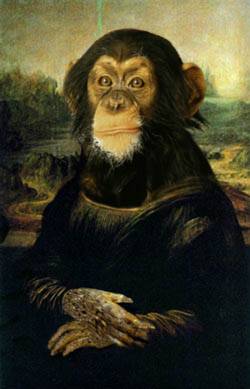
Mona Lisa’s Smile
Think, for a moment, about social occasions-visits, dates, dinners out with friends, gatherings, birthday parties, weddings, etc. Even when you’re unhappy or depressed, these occasions force us to act as if we were happy. Observing other’s faces, postures, and voices, we unconsciously mimic their reactions. We synchronize our movements, posture, and tone of voice with theirs. Then my mimicking happy people, we become happy. You begin to behave like the people who surround you, and that behavior influences your attitude.
Leonardo da Vinci also observed that it’s no mystery why it is fun to be around happy people and depressing to be around depressed people. He also observed the melancholy that painters usually give to portraits. He attributed that to the solitariness of the artist and their joyless environment. According to Giorgio Vasari (1568) that while painting the Mona Lisa Leonardo employed singers, musicians and jesters to chase away his melancholy as he painted. The musicians and jesters forced him laugh and be joyful. This behavior created the attitude of joy and pleasure as he painted. As a result, he painted a smile so pleasing that it seems divine and as alive as the original.
Even Facial Expressions Can Change Your Emotions
CIA researchers have long been interested in developing techniques to help them study facial expressions of suspects. Two of the researchers began simulating facial expressions of anger and distress all day, each day for weeks. One of them admitted feeling terrible after a session of making those faces. Then the other realized that he felt poorly, too, so they began to keep track. They began monitoring their body during facial movements. Their findings were remarkable. They discovered that a facial expression alone is sufficient to create marked changes in the nervous system.
In one exercise they raised their inner eyebrows, raised their cheeks, and lowered the corner of their lips and held this facial expression for a few minutes. They were stunned to discover that this simple facial expression generated feelings of sadness and anguish within them. The researchers then decided to monitor the heart rate and body temperatures of two groups of people. One group was asked to remember and relive the most sorrowful experience in their life. The other group in another room was simply asked to produce a series of facial expressions expressing sadness. Remarkably, the second group, the people who were pretending, showed the same physiological responses as the first.
The CIA researchers in a further experiment had one group of subjects listen to recordings of top comedians and look at a series of cartoons while holding a pen pressed between their lips an action that makes it impossible to smile. Another group held a pen between their teeth which had the opposite effect and made them smile. The people with the pen between their teeth rated the comedians and cartoons much funnier than the other group. What’s more, neither group of subjects knew they were making expressions of emotion. Amazingly, an expression you do not even know you have can create an emotion you did not choose to feel. Emotion doesn’t just go from the inside out. It goes from the outside in.
Try the following thought experiment.
•Lower your eyebrows.
•Raise your upper eyelid.
•Narrow the eyelids.Press your lips together.
Hold this expression and you will generate anger. Your heartbeat will go up ten or twelve beats. Your hands will get hot, and you will feel very unpleasant.
The next time you’re feeling depressed and want to feel happy and positive, try this.
•Put a pen between your teeth in far enough so that it’s stretching the edges of your mouth back without feeling uncomfortable. This will force a smile. Hold it there for five minutes or so. You’ll find yourself inexplicably in a happy mood. Then try walking with long strides and looking straight ahead. You will amaze yourself at how fast your facial expressions can change your emotions.
27 Friday Jul 2018
Posted in create, Creativity, Uncategorized
≈ Comments Off on Advice on how to get out of a rut
1. “Get out of the studio… far away from the computer and look for the fabulous in the mundane. Mini road trips to antique malls and thrift shops provide some of the most amazing juxtapositions of function, color, shape and materials, as well as time to ponder them. Not to mention, the drive itself forces an unplugged brain cleanse that makes space for the new ideas to get in.” — Bob Faust, Principal/Designer,Faust Ltd.
2. “I like to have several things going at once. That way, if one’s not coming I can work on something else. If none of them have any life to ’em, the best thing to do is to just take a break. There’s nothing worse than trying to force it and the world doesn’t need any more bad art; there’s already plenty of that.” — Dmitry Samarov, Painter and Writer
3. “I make a cup of coffee instead of miming one. I stop ripping out my hair in large tufts and watch it grow in. I take a walk and get a life. The rut will pass. Not creating with a gun to your head works, too.” — Susan Messing, Improvisor, Messing With A Friend
4. “I always reach out to my mom to get inspiration if I’m in a rut. Childhood memories are big part of our restaurants. At Urbanbelly, menu item number #15 “Rice Cake” is from a street vendor when I was growing up in Seoul, Korea. So my mom reminds me about certain dishes or even tells me a recipe that she has used.” — Bill Kim bellyQ , Urbanbelly, and bellyshack.
5. “After attending a great play, or great musical concert, I tend to become creatively inspired. After listening to someone like Stevie Wonder in concert for 2 hours, it’s kind of hard not to.” — Billy Branch, Three-time Grammy Award Nominee
6. “The most difficult thing for me is to get started on a big creative project. I have many ideas, but putting them into clear form is a true challenge! In those cases, I need to clear my mind of all other life concerns, and I give myself the time to take a nice walk or do some meditation so that my mind is clear of all the little stresses that get in the way. Then, I reserve a good chunk of uninterrupted time to work, as the big creative projects require intense focus to be formulated.” — George Lepauw, President and Artistic Director of the International Beethoven Project
7. “To dig my way out of a creative rut, I close the door to my hayloft studio…and hit the closets to play “Keep & Toss.” Once everything is bagged & tagged for donation, I pour a red beverage and turn off my brain in front of an old movie;Mommy Dearest paved the way for Spring ’13!” — Peach Carr, Project RunwaySeason 8 & All Star
8. “In order to come up with new dishes, I fast and go for long runs. Being very hungry brings clarity to exactly what I crave and want to eat. Refinements of these ideas often end up on my menus.” — Gray McNally, Tortoise Club
9. “I lock myself in a dance studio, put on good music and improvise. Without setting any rules, I simply dance, allowing myself the space to move free of judgment. Removing the pressure of creating on a deadline or for a specific reason, frees me up, resulting in more spontaneous and rich movement.” — Stephanie Paul, Be the Groove, Co-Founder/Artistic Director
10. “Sometimes when I find myself in a creative rut, I look to my cookbook collection. I more often than not go to the books that I bought when I started cooking, like Alfred Portale’s 12 Seasons, Alain Ducasse’s Grand Livre de Cuisineor even recent publications like anything from Stephane Raynaud. Sometimes just a glimpse at a picture can start the creative juices flowing, and get me back on track.” — Sean Pharr, Chef de Cuisine NoMI Kitchen
11. “When I’m in a creative rut, it is frustrating and tortuous because it can lead to self-doubt and the thought, ‘has my artistic well run dry?’ When it happens, I step away from my work, clear my mind through meditation and have a good laugh watching Modern Family.” — Stacy Bowie, Painter
12. “I believe creative ruts are often related to overtiredness and being overloaded. Rest, breath, laughter and nature for rejuvenation are my go-to solutions, and I often spend time with kids playing because it cleanses my mind and starts me at a free, playful, creative place. Taking quiet time with my animals also puts me in a place to start any creative process, and then I trust.” — Melissa Veal, Wig and Make-up Designer, Chicago Shakespeare Theater
13. “It’s easy to get into a rut when you are conceiving and designing shows a lot, back to back. The nature of commercial theatre dictates that you think really far ahead and sometimes that is very limiting. For me, the final creative answers can’t come until you are in the room, so it’s a matter of balancing the practical with the creative.” — Rachel Rockwell, Director/Choreographer
14. “I spend some time outdoors hiking, foraging, camping or fishing. Nature puts me back on track!” — Paul Virant, Chef/owner Vie Restaurant, Chef/partnerPerennial Virant
15. “Navigating out of a creative ‘rut’ means taking an afternoon away from my studio to sit in a hotel lobby and sketch people. I can immerse myself in seeing a variety of fascinating subjects, interesting fashion looks, all while madly capturing them with pencil on paper. Afterwards, I feel creatively refreshed-ready to tackle new fashionable opportunities.” — Rosemary Fanti, Fashion Illustrator
16. “I take a shower. There is something about the rote activity of washing your hair that frees up your mind.” — Jared Van Camp, Executive Chef Nellcote
17. “When I feel stuck creatively, it’s generally because I’ve been at it for too long. When that happens, I delve into another art form for awhile (i.e., if I’m stuck on a painting or drawing, I might go and write a poem or short story, immerse myself in cooking a wonderful meal, or meditate for a bit.) Switching it up really helps. A fresh look is invaluable when you return, and you come back with renewed perspective.” — Lyn Pusztai Co-owner / Co-designer of Roulette 18 jewelry and Freelance Painter/Illustrator
18. “Distraction works best. When I’m out on the road I crave the quiet of the painting studio and vice versa. Making art is my job and mostly I don’t have time to get to all the nonsense bubbling in my skull.” — Jon Langford, Artist and Musician
19. “When I am in a creative rut, I go to art museums and art shows, and look at other people’s art. I also look at books with pictures in them to get the visual part of my mind working and activated. Going out in nature always stimulates my senses and my mind, so I do that to find inspiration, as well, and I usually come back with some new ideas. Also, going to lectures, movies, taking a walk in the city, and listening to some music seems to help free my mind a bit, so that some inspiration can float in when I am diverted and not trying so hard. I am the most creative when I am relaxed and not trying.” — Victoria Fuller, Artist/Musician
20. “One way that I get out of a creative rut is to sit down with super forward-thinking books, as well as ones from cooking school (the fundamentals). It helps me find my center. Usually hyper-focusing on an upcoming season like Spring and Google-searching images helps create a positive flow of thoughts.” — Pat Sheerin, Executive Chef/Partner, Trenchermen
21. “After dinner, I head to the studio for ‘concepting time.’ When I feel the creative rut creeping in, I put on Chicago Tonight and break out a sketch book. That show always provides a variety of intellectual stimulation to get my mind and imagination warmed up. If after an hour my sketches are lame, at least I saw/heard an excellent show!” — Jeff Zimmermann, Artist
22. “I read poetry… Rumi, Neruda, Rilke, and my own poetry, to remind myself of my own art. The words help me to see shapes, colors, form, which then inspire me to write, paint and create.” — Arica Hilton, Poet/Artist
23. “Usually, when I need inspiration, I get more collaborative, working with all members of the team can help spark some initial burst of creativity. Or, I’ll cook something with my wife and children to help drown out all of the noise (budgets, P&L statements, deadlines, etc) that fills my head and I can focus on what I enjoy the most. My kids have amazing palates, too – they let me know if anything is off balance in a dish, so I really focus on clean, simple, well prepared items.” — James O’Donnell, Michael Jordan’s Steak House
24. “If I get into a creative rut, I take a long bath, light a candle, and listen to soft music followed by a nice long slumber. After a restful night’s sleep, I often wake to a morning of refreshing ideas!” — Dee Alexander, vocalist
25. “I choose to spend my time with brilliant people, who excel in many different areas, and this helps me get out of my creative rut. From restauranteurs to investment bankers and from musicians to engineers, the people with whom I surround myself inspire me to create new pieces and come up with ideas that meld different types of art.” — Josephine Lee, President and Artistic Director of Chicago Children’s Choir
26. “To get inspired I love going to some of my favorite Italian restaurants like Balena or Piccolo Sogno and when I can, I also love going to New York to visit my Italian favorites like Lupa, Keste or Il Buco. Going back to my favorite cookbooks, like Babbo and A16, also helps me get new thoughts and inspiration.” — Chris Macchia, The Florentine
27. “I destress. I take the pressure off of creating just for creation purposes. At times, we can focus on the business aspect or the productivity of our craft so much that it sucks the passion out of us. I go have fun and stop thinking so hard. I let life take it’s course and fill me with experiences that shape my art. Also, our competitive nature can block creativity. I remind myself that I’m not competing to win a contest. I remind myself that this is what I love and how and why I fell in love with it.” — Marco The Poet, Poet, co-founder of Speak Life Movement
28. “On the rare occasion that I’m uninspired about a piece I’m practicing, I play something else, and return to the original piece feeling more refreshed. I love talking about music, but can find it challenging to write essays or articles on the subject. My solution is to just write something, anything, and once I get going, I find it usually isn’t so bad after all!” — Rachel Barton Pine, international violin soloist
29. “I go to the movies, go see live theater or music. I find that experiencing the creativity of others is most inspiring.” — Lynne Jordan, vocalist