-
Narrative Medicine
From Wikipedia: Narrative medicine is a medical approach that utilizes people’s narratives in clinical practice, research, and education as a way to promote healing. It aims to address the relational and psychological dimensions that occur in tandem with physical illness, with an attempt to deal with the individual stories of patients. In doing this, narrative medicine aims not only to validate the experience of the patient, but also to encourage creativity and self-reflection in the physician.

Excerpt below from Philosophy, Ethics, and Humanities in Medicine: Exploring perception and usage of narrative medicine by physician specialty: a qualitative analysis.
Background
Narrative medicine is a well-recognized and respected approach to care. It is now found in medical school curricula and widely implemented in practice. However, there has been no analysis of the perception and usage of narrative medicine across different medical specialties and whether there may be unique recommendations for implementation based upon specialty. The aims of this study were to explore these gaps in research.
Methods
Fifteen senior physicians who specialize in internal medicine, pediatrics, or surgery (5 physicians from each specialty) were interviewed in a semi-structured format about the utilization, benefits, drawbacks (i.e., negative consequences), and roles pertaining to narrative medicine. Qualitative content analysis of each interview was then performed.
Excerpt from : Exploring perception and usage of narrative medicine by physician specialty: a qualitative analysis. -
frozen ripples

-
Ibeyi – Away Away
-
frozen leaf

-
Japanese Textile Designs 88

-
Human Skin Color
-
one
I am only one, but still I am one. I cannot do everything, but still I can do something; and because I cannot do everything, I will not refuse to do something I can do. Edward Everett Hale

-
A Child’s View of Sensory Processing
-
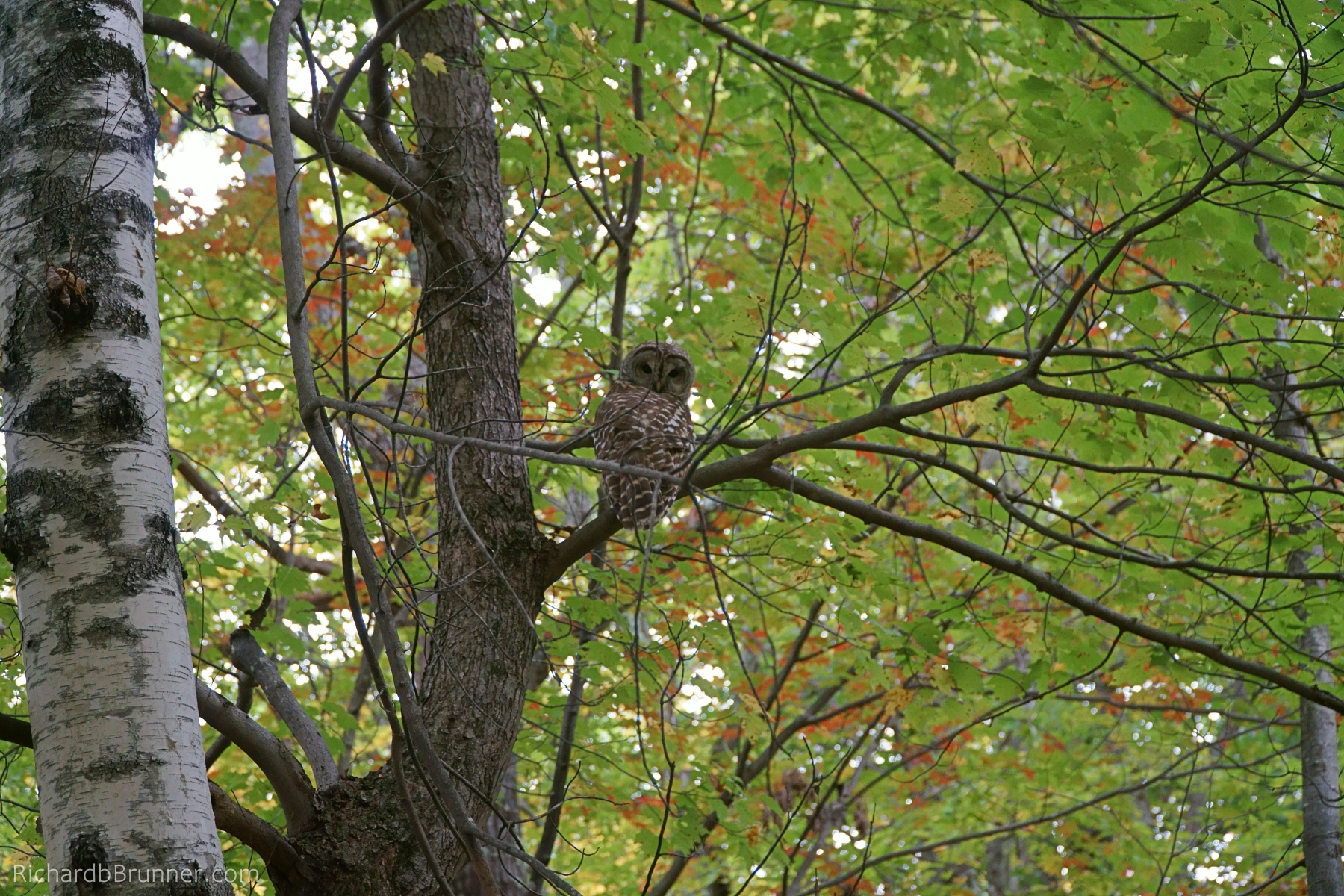
Watching Birds, Trees is Good for Mental Health
According to a study led by University of Exeter researcher Daniel Cox, people living in neighborhoods with more birds, shrubs and trees are less likely to suffer from depression, anxiety and stress.
Dr. Cox and his colleagues from the University of Maryland, the University of Queensland in Australia, the British Trust for Ornithology and the University of Exeter in the UK, surveyed mental health in 263 people from different ages, incomes and ethnicities.
“All the participants lived within the urban limits of the so-called ‘Cranfield triangle,’ a region in southern England, UK, comprising the three adjacent towns of Milton Keynes, Luton, and Bedford,” the researchers said.
They found benefits for mental health of being able to see birds, shrubs and trees around the home, whether people lived in urban or more leafy suburban neighborhoods. They also found that those who spent less time out of doors than usual in the previous week were more likely to report they were anxious or depressed. MORE
-
Kate Rusby – Only Desire What You Have



 RichardbBrunner