-
Minyo Crusaders – Bushi (Cumbia)
-
Japanese Textile Designs 115
-
The Big Brexit Short
On the night of the Brexit referendum the British pound went into free fall, but while many watched with horror, a handful of hedge funds were making staggering profits. This is the story of the Brexit Big Short. Featuring Bloomberg writers Cam Simpson, Gavin Finch, and Kit Chellel.
-
Japanese Textile Designs 116
-
How artists make money in the $21bn music industry | FT Film
Why do artists go broke in the music industry? Streaming platforms like Spotify now dominate the music business. Social media apps like TikTok and Instagram are changing the playing field. And some artists are moving away from traditional record deals and revenue sources in favor of independence. The FT’s Don Newkirk asks some of the world’s biggest music companies, record labels, and producers how they are adapting to this fast-changing industry. And he follows an up-and-coming hip-hop artist struggling to make his fair share as the coronavirus pandemic hits.
-
Japanese Textile Designs 117
-
How a $450 Million Loss Was Hidden From Sight
11 years after one of Europe’s biggest banking scandals, 13 executives have been sentenced and financial penalties of $175 million have been dealt. Bloomberg investigates how Deutsche Bank and Monte Dei Paschi cooked their books to make a half billion dollar loss disappear. Reporting by Elisa Martinuzzi for Bloomberg.
-
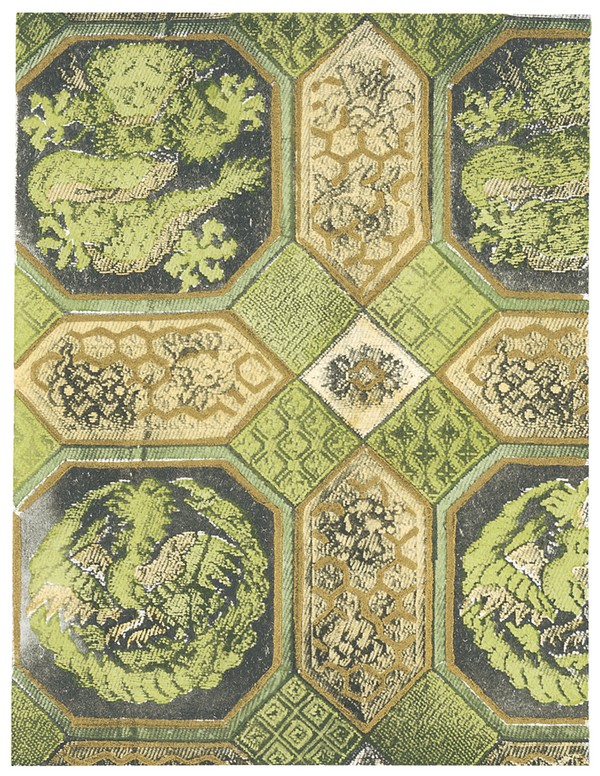
Japanese Textile Designs 118
-
Watch “Will China become the centre of the world economy? | FT” on YouTube
-
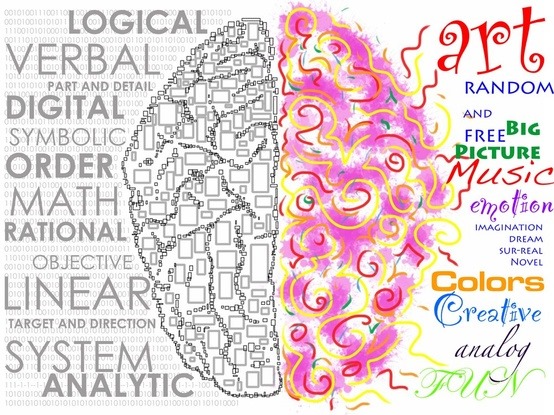
Art and brain science
Here is an interesting article from the NYT about the brain and art from a professor of brain science at Columbia University.:
…… The portraiture that flourished in Vienna at the turn of the 20th century is a good place to start. Not only does this modernist school hold a prominent place in the history of art, it consists of just three major artists —Gustav Klimt, Oskar Kokoschka and Egon Schiele — which makes it easier to study in depth.
As a group, these artists sought to depict the unconscious, instinctual strivings of the people in their portraits, but each painter developed a distinctive way of using facial expressions and hand and body gestures to
 communicate those mental processes.
Their efforts to get at the truth beneath the appearance of an individual both paralleled and were influenced by similar efforts at the time in the fields of biology and psychoanalysis. Thus the portraits of the modernists in the period known as “Vienna 1900” offer a great example of how artistic, psychological and scientific insights can enrich one another.
The idea that truth lies beneath the surface derives from Carl von Rokitansky, a gifted pathologist who was dean of the Vienna School of Medicine in the middle of the 19th century. Baron von Rokitansky compared what his clinician colleague Josef Skoda heard and saw at the bedsides of his patients with autopsy findings after their deaths. This systematic correlation of clinical and pathological findings taught them that only by going deep below the skin could they understand the nature of illness.