-
Top Songs I listened to in 2020: Haim – Don’t wanna
-
Japanese Textile Designs 141

-
Why Do We Get Addicted
Think about an experience that makes you feel good. It could be successfully completing a project at work, eating a warm chocolate chip cookie or taking a swig of whiskey. It could be a puff of a cigarette or a shopping trip. A dose of Vicodin or a hit of heroin.
Those experiences don’t automatically lead to addiction. So what makes a particular habit or substance an addiction? What propels some people to seek out these experiences, even if they are costly or detrimental to their health and relationships?
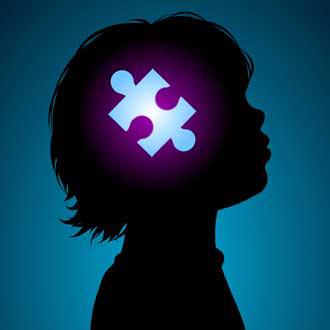
“Addiction is a biopsychosocial disorder. It’s a combination of your genetics, your neurobiology and how that interacts with psychological and social factors,” said Maureen Boyle, a public health advisor and director of the science policy branch at the National Institute on Drug Abuse. That means it’s a lot like any other chronic disorder, such as type 2 diabetes, cancer and heart disease. And just like other chronic diseases, addiction is both preventable and treatable, Boyle said, but added that if left untreated, it can last a lifetime. [Do Smokers’ Lungs Heal After They Quit?]
The mutual mechanism
Though everyone’s path to addiction is different — whether he or she tries a drug or a behavior because it’s what that person’s parents or peer do, or just out of curiosity — what’s common across all substance and behavioral addictions is their stunning ability to increase levels of an important chemical in the brain called dopamine, Boyle told Live Science.
Dopamine is a molecule that ferries messages across the brain’s reward center. It’s what gives people the feeling of pleasure and reinforces behaviors critical for survival, such as eating food and having sex.
When someone uses a drug or engages in a pleasurable experience, the same natural reward circuitry is activated. “The problem with drugs is that they do the job better than natural rewards,” said Dr. Hitoshi Morikawa, an associate professor of neuroscience at the University of Texas at Austin.
Different drugs tap into the dopamine reward system in different ways. Marijuana and heroin have a chemical structure similar to another neurotransmitter and can trick some brain cells into activating neurons that use dopamine. Cocaine and amphetamines, on the other hand, prolong the effect of dopamine on its target neurons, disrupting normal communication in the brain.
How quickly each drug can get into the brain, and how powerfully it activates neural circuits, determines how addictive it will be, Morikawa told Live Science. Some modes of use, like injecting or snorting a drug, make the drug’s effects almost immediate. “That’s why heroin, for example, is the last drug you want to take,” he said. “It’s very addictive.”
From experimenting to getting hooked
As individuals continue with addictive habits or substances, the brain adapts. It tries to reestablish a balance between the dopamine surges and normal levels of the substance in the brain, Morikawa said. To do this, neurons begin to produce less dopamine or simply reduce the number of dopamine receptors. The result is that the individual needs to continue to use drugs, or practice a particular behavior, to bring dopamine levels back to “normal.” Individuals may also need to take greater amounts of drugs to achieve a high; this is called tolerance.
Without dopamine creating feelings of pleasure in the brain, individuals also become more sensitive to negative emotions such as stress, anxiety or depression, Morikawa said. Sometimes, people with addiction may even feel physically ill, which often compels them to use drugs again to relieve these symptoms of withdrawal. [Booze Snooze: Why Does Alcohol Make You Sleepy, Then Alert?]
Eventually, the desire for the drug becomes more important than the actual pleasure it provides. And because dopamine plays a key role in learning and memory, it hardwires the need for the addictive substance or experience into the brain, along with any environmental cues associated with it — people, places, things and situations associated with past use. These memories become so entwined that even walking into a bar years later, or talking to the same friends an individual had previously binged with, may then trigger an alcoholic’s cravings, Morikawa said.
Brain-imaging studies of people with addiction reveal other striking changes as well. For example, people with alcohol-, cocaine- or opioid-use disorders show a loss in neurons and impaired activity in their prefrontal cortex, according to a 2011 review of studies published in the journal Nature Reviews Neuroscience. This erodes their ability to make sound decisions and regulate their impulses.
Risk factors
Some people are more susceptible to these extreme neurobiological changes than others, and therefore more susceptible to addiction. Not everyone who tries a cigarette or gets morphine after a surgery becomes addicted to drugs. Similarly, not everyone who gambles becomes addicted to gambling. Many factors influence the development of addictions, Boyle said, from genetics, to poor social support networks, to the experience of trauma or other co-occurring mental illnesses.
One of the biggest risk factors is age. “The younger someone is, the more vulnerable they are to addiction,” Boyle said. In fact, a federal study from 2014 found that the majority (74 percent) of 18- to 30-year-olds admitted to treatment programs had started using drugs at age 17 or younger.
Additionally, like most behavioral and mental health disorders, there are many genes that add to a person’s level of risk or provide some protection against addiction, Boyle said. But unlike the way in which doctors can predict a person’s risk of breast cancer by looking for mutations in a certain gene, nobody knows enough to be able to single out any gene or predict the likelihood of inheriting traits that could lead to addiction, she said.
-
Halting Legacies of Trauma | Brian Dias | TEDxEmory
Brian Dias is a researcher in the field of neurobiology and an active participant in scientific innovation and education. Dr. Dias grew up in India and received his PhD from the University of Texas at Austin. Over the years, he has investigated the neurobiology underlying depression, anxiety, PTSD, and anti-social behavior. Currently, Dr. Dias and his team are studying how mammalian neurobiology, physiology and reproductive biology are impacted by stress, and how legacies of stress perpetuate across generations. Among other outlets, Dr. Dias’ work has been featured in Nature, on the BBC, in a list of the 10 Most Important Discoveries of 2014 published by La Recherche Magazine. Most recently, Dr. Dias was quoted in articles about the legacy of trauma (BBC) and the neurobiology of family separation (BrainFacts). In 2017, Dr. Dias received a CIFAR Azrieli Global Scholar Award from the Canadian Institute for Advanced Research (CIFAR) and is currently an Associate Fellow in CIFAR’s Child & Brain Development Program. In addition to research, Dr. Dias is interested in scientific innovation and education. This talk was given at a TEDx event using the TED conference format but independently organized by a local community.
-
Top Songs I listened to in 2020: Lake Street Dive – Making Do
ffff
-
Animal-Assisted Therapy
Can animal-assisted therapy can help adolescents who are in hospital because of an acute psychiatric crisis? A randomized controlled trial investigates.
The study, conducted by a team of researchers led by M.C. Stefanini of the University of Florence, randomly allocated patients to either an animal-assisted therapy intervention or no intervention. Both groups continued to receive psychiatric treatment as usual, and those treating them did not know which group they were in. The results are very promising.
The intervention group had better school attendance, higher levels of global functioning, and spent less time in the hospital compared to the control group. “One possible explanation for this success is the role of the animal as a catalyst in the therapeutic process,” the researchers write. “Animals may represent a valid help in therapeutic contexts thanks to their ability to catalyze social interactions and to create a more relaxed environment.” READ MORE HERE

-
Japanese Textile Designs 142

-
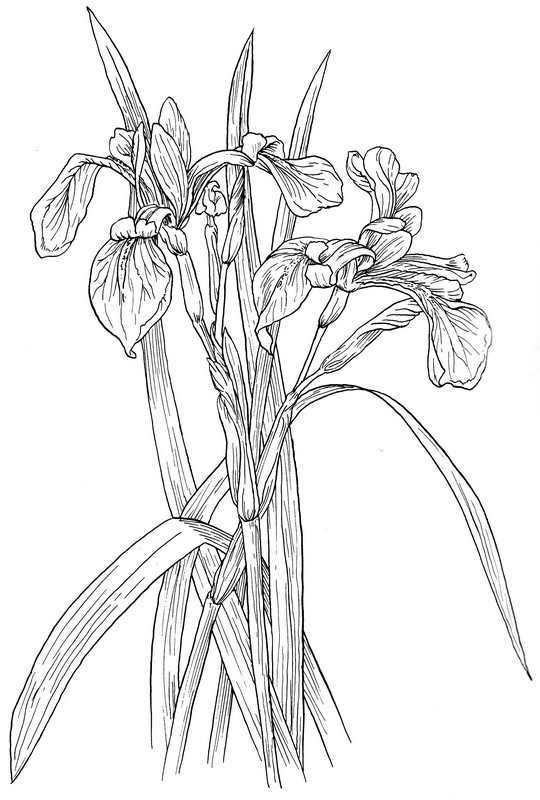
Swamp Iris Coloring Page
-
Little Girl Experiences Her First Rainfall
-
Marijuana Addiction in the Age of Legal Weed
Generation X writer Neal Pollack thought he had it all: a good writing career, a strong marriage, even a lucrative 3-day run on “Jeopardy”! That brought him national attention. Like many in his generation, he also smoked a lot of marijuana. He had discovered that food, music and even his beloved yoga was much better when he smoked. In 2014, as several states in the country legalized pot, Pollack scored a writing gig for a marijuana site that provided free weed. He saw his drug use as harmless and joked about it often in his writing. But as more states, including California, began to legalize the drug, Pollack’s life began to fall apart, in part because of his drug use. Both of his parents died and he soon found himself spiraling out of control, sometimes in public. By 2018, Pollack admitted publicly he had a marijuana addiction and set about to conquer it, through honesty . . . and humor. Pollack’s new book, Pothead, is about coming to terms with his marijuana problems just as the country increased its recreational availability. The book is a cautionary and timely tale for those who think the drug isn’t dangerous and can’t cause serious addictive problems. Join us for a special evening program as Pollack discusses his story with Los Angeles novelist Bucky Sinister.

 RichardbBrunner