-
If you want

If you want to go fast, go alone. If you want to go far, go with others. African Proverb
-
Transformation of the Ordinary
Dance/movement therapy (DMT) can be an avenue for creating a symbolic transformation of individual, or community experience. DMT can use the same characteristics of weight, balance, and dynamics as do everyday actions such as walking, working, playing, or communication. Out of our everyday and ordinary motor activities, DMT can select, heighten or subdue, gestures/postures and body movement to achieve something which transcends the ordinary.
For instance as a teen I learned a West African Maize Dance from the Arthur Hall African American Dance company. This dance uses the movements of planting, tending, and harvesting of maize as the core elements of the dance. Taking these agrarian movements and enacting them outside of their usual context begins the process of symbolic transformation. As the movements are performed an element of artistic quality begins to emerge and becomes evident in the transitional movements that occur between planting, tending, and harvesting. This Maize Dance combines the ordinary with the extra ordinary; taking the everyday actions and ritualizing them in a way that expresses and celebrates an important aspect of West African culture.

Symbolic transformation can take place on an individual level as well. Once, working with a client an opportunity arose to explore the bodily expression of sadness; i.e. what are you doing/feeling physically when you are sad. The client took the ordinary movements/gestures/postures of their sadness and made them bigger and smaller, connecting, un-connecting and reconnecting them as they slowly evolved into a pattern. As this client continued with their exploration a transformation occurred and new movements, suggestive of another feeling emerged. Asking the client to add words to their exploration of the new movements provided a clearer understanding of sadness.
Enacting movements/postures/gestures outside of their usual context allows the possibility of experiencing in way that can be more; objective and subjective. Making bigger and smaller, connecting and reconnecting, movement and feelings emerge uncensored, allowing a different understanding of the original feeling and all that surrounds it. The therapeutic process of dance movement therapy can guide the mover as they explore, uncovering the extraordinary in the ordinary.
-
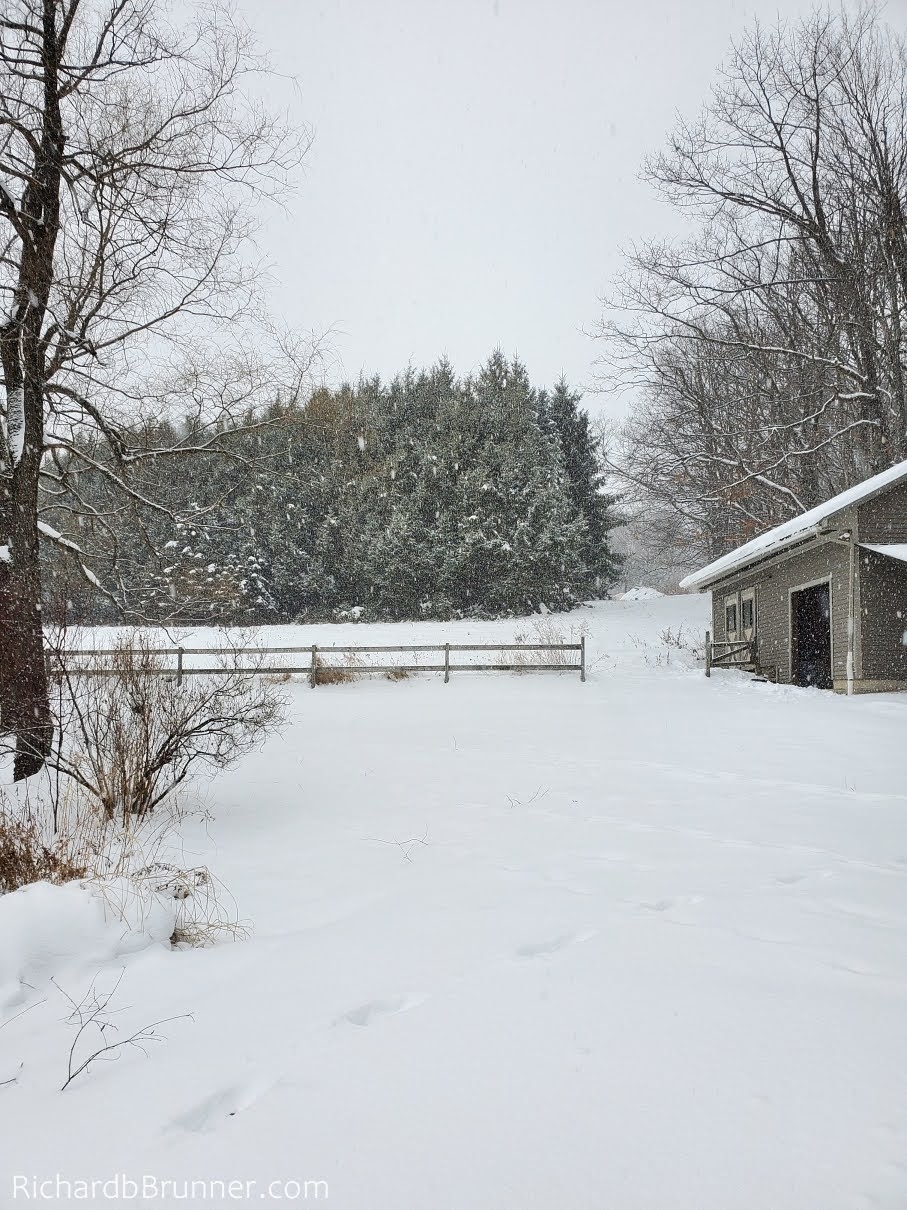
Snow Found

-
From the Play List Top songs I have listened to in 2015: Ana Tijoux – Sacar La Voz
-
Animal friends
Animals are such agreeable friends – they ask no questions, they pass no criticisms. George Eliot

-
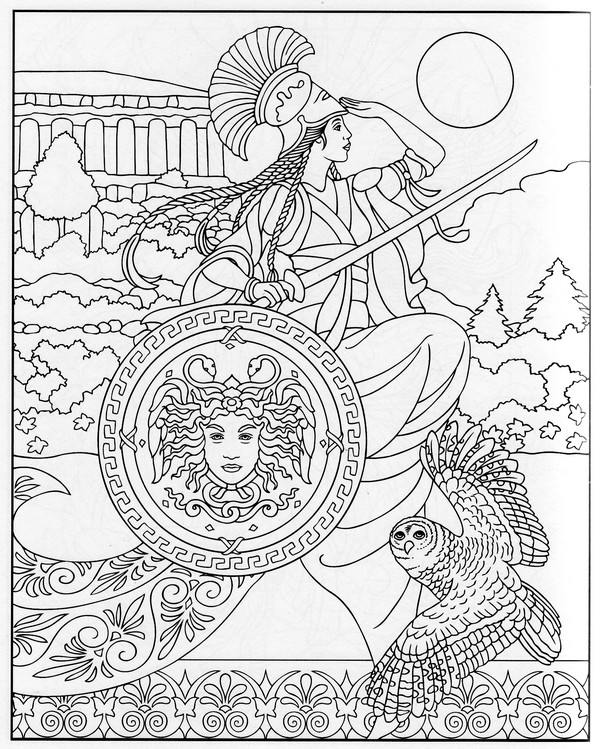
Athena Coloring Page
-
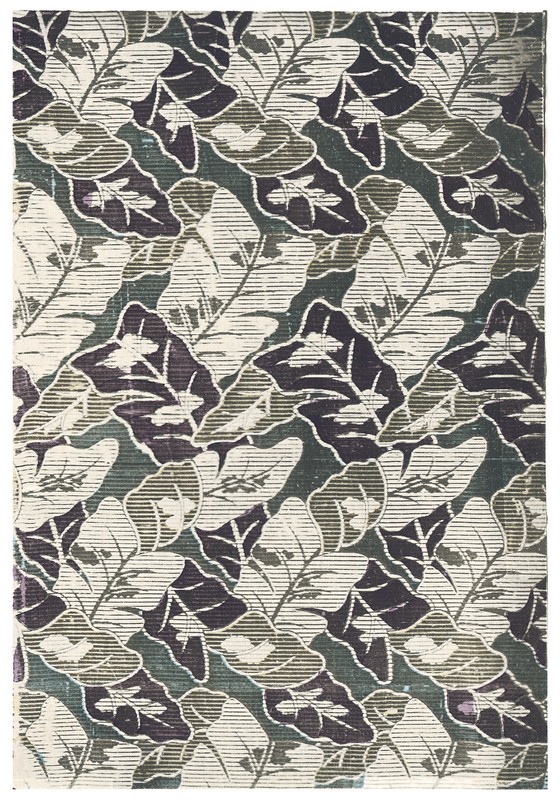
Japanese Textile Designs 95
-
Santa: rotund huckster
Santa Claws: The rotund huckster of retail excess and elfin slavery who punishes reindeer with Eurocentric names and whips them into a flying frenzy . Lewis black

-
Movement and opening chanels
Heidi Fledderjohn MA, BC-DMT is a Board Certified Dance/movement Therapist with 20 years of experience supporting peoples’ desire to learn deeply, grow and feel good. Using play, movement and meditation Fledderjohn generates a solid, soulful and vibrant method for approaching life, change and the self.
-
snowflake
We have only this moment, sparkling like a star in our hand… and melting like a snowflake. Let us use it before it is too late.Marie Beyon Ray



 RichardbBrunner