-
Clear fall to winter day

-
From the Play List Top songs I have listened to in 2011: JARABE DE PALO – ¿Y AHORA QUÉ HACEMOS?
-
Science proves that you love your dog like a baby
Interesting article about pets and how humans react/respond to them. From the abstract:
Neural substrates underlying the human-pet relationship are largely unknown. We examined fMRI brain activation patterns as mothers viewed images of their own child and dog and an unfamiliar child and dog. There was a common network of brain regions involved in emotion, reward, affiliation, visual processing and social cognition when mothers viewed images of both their child and dog. Viewing images of their child resulted in brain

activity in the midbrain (ventral tegmental area/substantia nigra involved in reward/affiliation), while a more posterior cortical brain activation pattern involving fusiform gyrus (visual processing of faces and social cognition) characterized a mother’s response to her dog. Mothers also rated images of their child and dog as eliciting similar levels of excitement (arousal) and pleasantness (valence), although the difference in the own vs. unfamiliar child comparison was larger than the own vs. unfamiliar dog comparison for arousal. Valence ratings of their dog were also positively correlated with ratings of the attachment to their dog. Although there are similarities in the perceived emotional experience and brain function associated with the mother-child and mother-dog bond, there are also key differences that may reflect variance in the evolutionary course and function of these relationships.
Stoeckel LE, Palley LS, Gollub RL, Niemi SM, Evins AE (2014) Patterns of Brain Activation when Mothers View Their Own Child and Dog: An fMRI Study. PLoS ONE 9(10): e107205. doi:10.1371/journal.pone.0107205
http://www.plosone.org/article/info%253Adoi%252F10.1371%252Fjournal.pone.0107205
-
California poppy Coloring Page

-
Seguy Art Deco Designs 95

-
American Poverty
During the Great Depression, photographers created riveting images chronicling the desperation of those times. Pictures helped mold the nation’s collective memory and conscience. Seventy years later, the plight and potential of the least fortunate members of our communities is mostly unseen and ignored, and photographers are once again poised to jump-start a national conversation about the issue of poverty.
AmericanPoverty.org is a non-profit alliance of photojournalists using visual storytelling to raise awareness about “how the other half lives.” Joining us are renowned American writers, filmmakers and educators, all of whom seek to alleviate poverty and make it a national priority. Together we are working to dispel stereotypes and encourage actions that can create lasting impact in the lives of disadvantaged people.
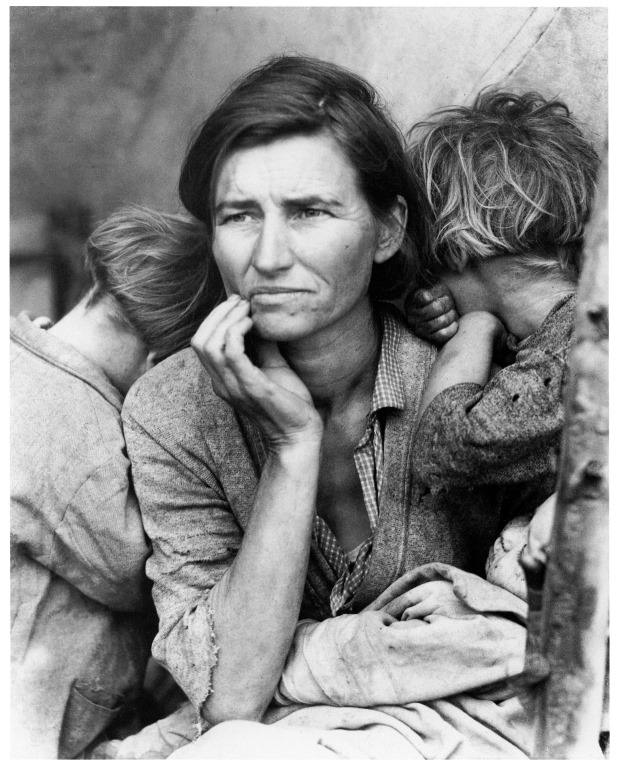
The photo “Migrant Mother” was one of thousands of pictures Dorothea Lange took on assignment for the federal government, documenting the poverty of the Dust Bowl. Before it had that iconic title, the 1936 photo was captioned “Destitute peapickers in California.” For more about Dorothea Lange and this image check out Studio 360.
-
Dance Movement Therapy at Mattel Children’s Hospital UCLA
Great video about what Dance Movement Therapy is and how its done in a Medical setting with children.
-
Suiseki: Get your Rocks on
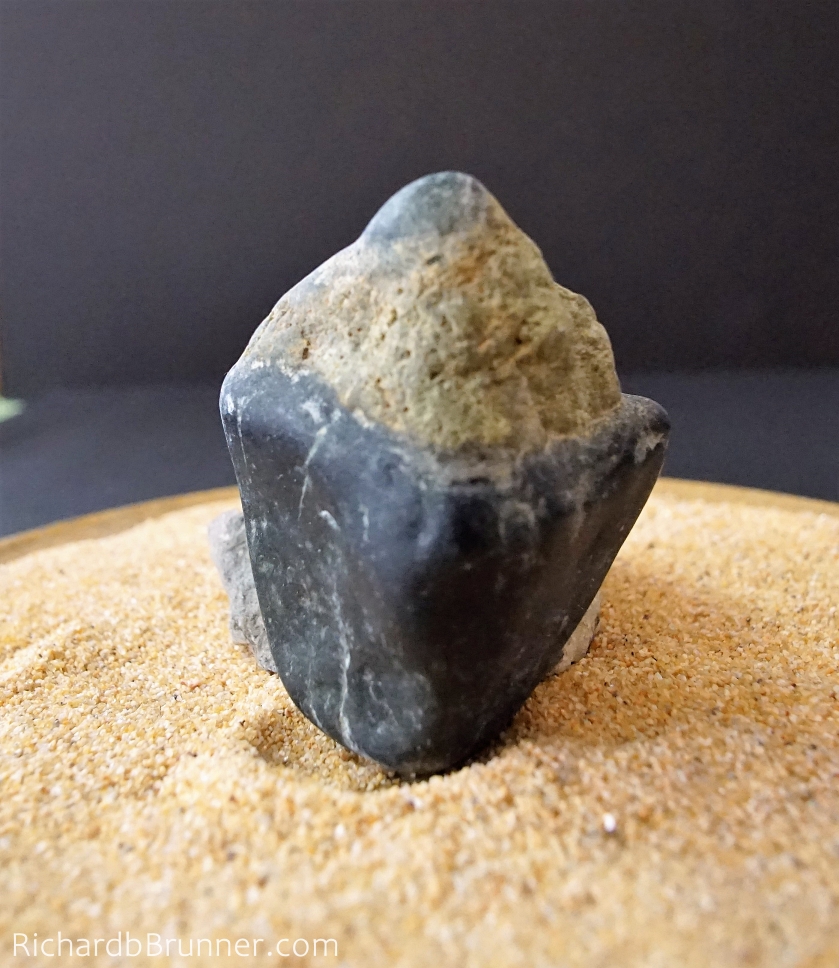
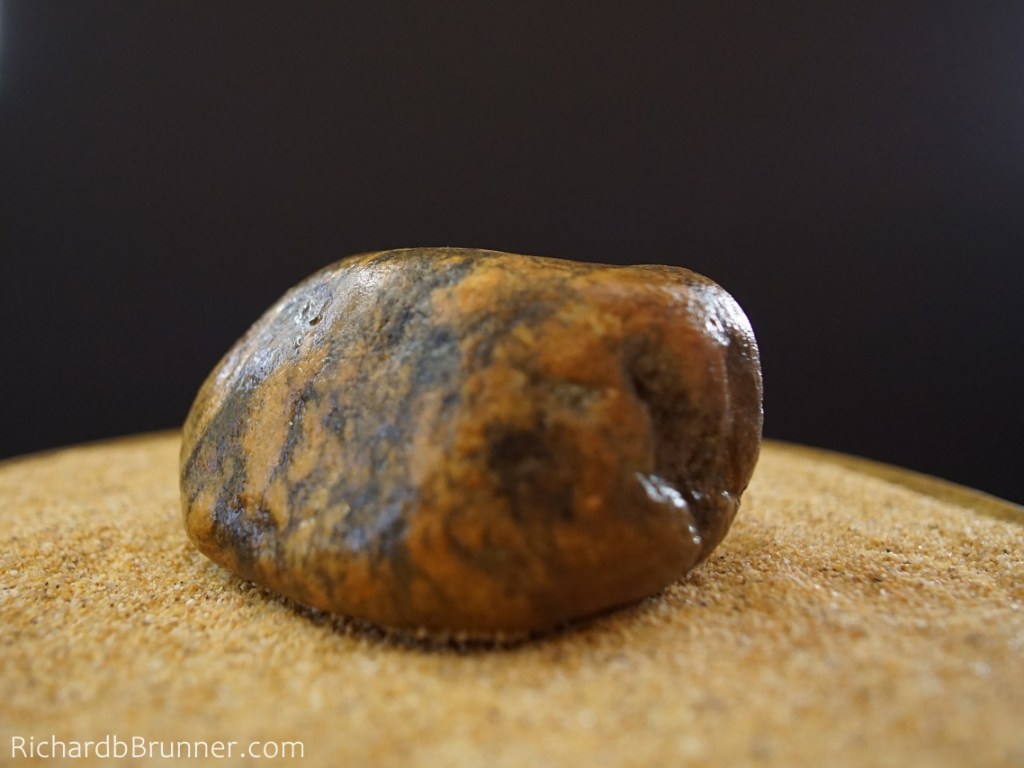
Over the years as I have moved and changed I have gotten rid of many things and I have kept only 4 things from my younger days; a book of translations of ancient Chinese and Japanese poetry, my bamboo flute, an image of a Bodhisattva, and my collection of rocks. I started collecting rocks with their simplicity, austerity, dignified beauty, and spirit when I was a teen, perhaps influenced by the book of poems I read as a child. The rocks have been gathered from New England, Mid Atlantic states as well as Texas, California, New Mexico and the Dakotas. When I travel for work/training’s I try and take some time to find a rock that expresses something of the place.
See NHK post about: Suiseki Wikipedia Some of my rocks below.

-
Assessment and evaluation
In therapy at some point the counselor will engage in an assessment/evaluation process that generally involves examining how the therapy sessions are going and hopefully includes feed back from the client/patient. If the counselor is trained as a
dance movement therapist the evaluation/assessment may include many areas such
as verbal sharing, drawings and movement. Movement assessment can include
observing ( which can be considered seeing someone move objectively) and
witnessing (which can be considered seeing someone move subjectively) a person
move. I look at:- Space, how does the person
move in the environment, up/down, do they use space or stay small. - Time, do they move fast/slow.
- Force, what is their muscle
tension like, are they contracting/expanding, hard/soft, light/heavy. - Flow, is the movement
continuous, unrestrained, restricted. - Sound, do they talk, use
vocal sound, create sound with their body. - Congruent, how are the
movements related to the intention. - What do I feel while
witnessing, what and how do I feel like moving when witnessing . - How does this compare to
other people I have observed, the same/different.

I first learned and applied these techniques while studying the movement based
group creative arts modalities know as the Halprin Method and Motional Process
in the 80’s and early 90’s. If you would like more info I recommend 4 books I found useful:Dance/Movement Therapists in Action: A Working Guide to Research Options
Artistic Inquiry in Dance/Movement Therapy: Creative Research Alternatives
Meaning of Movement
Dance Therapy and Depth Psychology: The Moving Imagination.
These books helped me to strengthen my assessment techniques and to discover new
methods. - Space, how does the person
-
Frozen Ripples






 RichardbBrunner