-
Ten Percent of American Adults Report Being in Recovery
Data Shows More Than 23 Million Adults Living in U.S. Once Had Drug or Alcohol Problems, But No Longer Do
Survey data released by the Partnership for Drug-Free Kids and The New York State Office of Alcoholism and Substance Abuse Services (OASAS) show that 10 percent of all American adults, ages 18 and older, consider themselves to be in recovery from drug or alcohol abuse problems. These nationally representative findings indicate that there are 23.5 million American adults who are overcoming an involvement with drugs or alcohol that they once considered to be problematic.

According to the new survey funded by OASAS, 10 percent of adults surveyed said yes to the question, “Did you once have a problem with drugs or alcohol, but no longer do?” – one simple way of describing recovery from drug and alcohol abuse or addiction.
“The OASAS study is an important contribution to the public’s understanding of recovery, as it represents the actual voices of millions of Americans whose lives have improved because they are living free of alcohol and other drug problems,” said Steve Pasierb, President and CEO of the Partnership for Drug-Free Kids. “This new learning provides a big reason – more than 23 million reasons – for all those who are struggling with their own, or a loved one’s substance use disorder, to have hope and know that they are not alone. These findings serve as a reminder that addiction is a treatable disease and recovery can be a reality. We are just scratching the surface here and more research is needed in this area, but we are proud to collaborate with New York OASAS in this meaningful process.”
“This research marks a vitally important step for those who are struggling with addiction by offering clear evidence to support what many know experientially – that millions of Americans have found a path to recovery,” said New York State Office of Alcoholism and Substance Abuse Services (OASAS) Commissioner Arlene González-Sánchez. “It is my hope that this new evidence will strengthen and inspire individuals and those that provide treatment and recovery services to help the broader community understand that treatment does work and recovery is possible.”
Other self-reported findings from the new data conclude that:
- More males say they are in recovery than females (12 percent vs. 7 percent).
- More adults ages 35-44 report being in recovery, compared to younger adults (18-34) and adults who are 55 years of age or older.
- The Midwest has a higher prevalence of adults (14 percent) who say they are in recovery compared to adults in the South (7 percent). In other regions of the country, the percentage of adults[1] who say they are in recovery is 11 percent for the West and 9 percent for the Northeast.
The study also found no significant difference between parents and adults without children who say they are in recovery. This demonstrates that parents are as likely as non-parents to be in recovery.
“This new research also supports findings from a groundbreaking survey done for Faces and Voices of Recovery by Peter Hart Associates that provided the initial evidence that there was a large population in recovery in the United States,” said Tom Hedrick, Senior Program Officer and one of the founding members of the Partnership for Drug-Free Kids. “Those 2004 findings concluded that ‘38 percent of adults have a family member or close friend (or both) who is in recovery from addiction to alcohol or other drugs.”
-
Top songs I have listened too in 2019: Natalia Lafourcade – Una Vida
María Natalia Lafourcade Silva is a Mexican pop-rock folk singer and songwriter who since her debut in 2003 has been one of the most successful singers in Latin America. Lafourcade’s voice has been categorized as a lyric soprano.
I have a 16,000 plus digital audio collection and I use Media Monkey to manage my files. One feature of Media Monkey is you can sort your collection based on the number of times played. This playlist is based on the top music and/or music video files I played/listened/streamed from my server in 2019. Complete 2019 Playlist HERE
-
mistakes
“You must learn from the mistakes of others. You can’t possibly live long enough to make them all yourself.” Sam Levenson

-
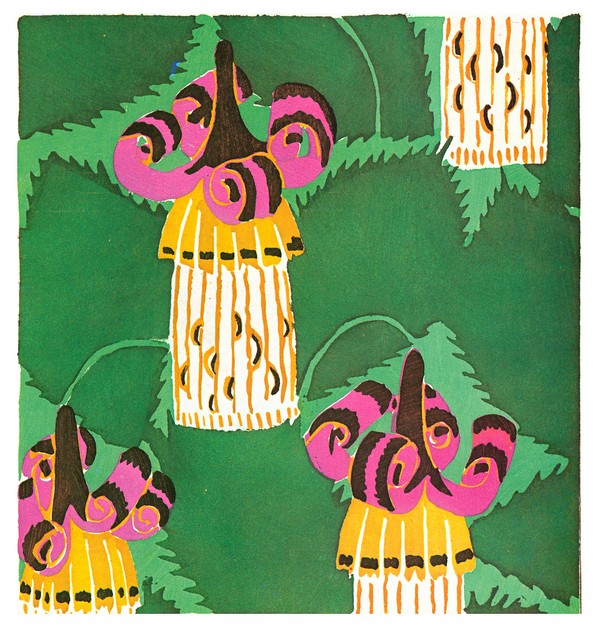
Red Flowers

-
Seguy Art Deco Designs 104
-
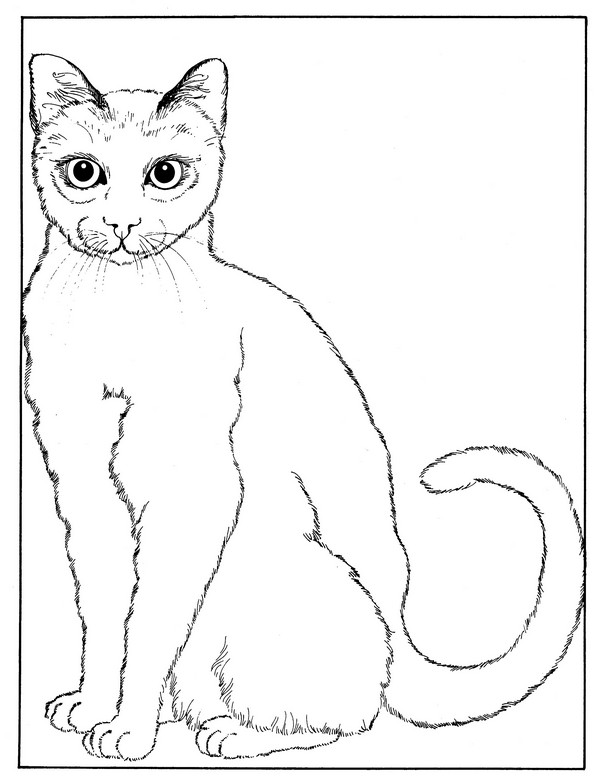
Bombay Cat Coloring Page
-
Popular fairy tales and folk stories are ancient
They have been told as bedtime stories by generations of parents, but fairy tales such as Little Red Riding Hood may be even older than was previously thought.

Dr Jamie Tehrani, a cultural anthropologist at Durham University, studied 35 versions of Little Red Riding Hood from around the world
A study by anthropologists has explored the origins of folk tales and traced the relationship between varients of the stories recounted by cultures around the world.
The researchers adopted techniques used by biologists to create the taxonomic tree of life, which shows how every species comes from a common ancestor.
Dr Jamie Tehrani, a cultural anthropologist at Durham University, studied 35 versions of Little Red Riding Hood from around the world.
Whilst the European version tells the story of a little girl who is tricked by a wolf masquerading as her grandmother, in the Chinese version a tiger replaces the wolf.
In Iran, where it would be considered odd for a young girl to roam alone, the story features a little boy.
Contrary to the view that the tale originated in France shortly before Charles Perrault produced the first written version in the 17th century, Dr Tehrani found that the varients shared a common ancestor dating back more than 2,600 years.
He said: “Over time these folk tales have been subtly changed and have evolved just like an biological organism. Because many of them were not written down until much later, they have been misremembered or reinvented through hundreds of generations.
“By looking at how these folk tales have spread and changed it tells us something about human psychology and what sort of things we find memorable.
“The oldest tale we found was an Aesopic fable that dated from about the sixth century BC, so the last common ancestor of all these tales certainly predated this. We are looking at a very ancient tale that evolved over time.”
Dr Tehrani, who will present his work on Tuesday at the British Science Festival in Guildford, Surrey, identified 70 variables in plot and characters between different versions of Little Red Riding Hood.
He found that the stories could be grouped into distinct families according to how they evolved over time.
The original ancestor is thought to be similar to another tale, The Wolf and the Kids, in which a wolf pretends to be a nanny goat to gain entry to a house full of young goats.
Stories in Africa are closely related to this original tale, whilst stories from Japan, Korea, China and Burma form a sister group. Tales told in Iran and Nigeria were the closest relations of the modern European version.
Perrault’s French version was retold by the Brothers Grimm in the 19th century. Dr Tehrani said: “We don’t know very much about the processes of transmission of these stories from culture to culture, but it is possible that they may being passed along trade routes or with the movement of people.”
Professor Jack Zipes, a retired professor of German at the University of Minnesota who is an expert on fairy tales and their origins, described the work as “exciting”. He believes folk tales may have helped people to pass on tips for survival to new generations.
He said: “Little Red Riding Hood is about violation or rape, and I suspect that humans were just as violent in 600BC as they are today, so they will have exchanged tales about all types of violent acts.
“I have tried to show that tales relevant to our adaptation to the environment and survival are stored in our brains and we consistently use them for all kinds of reference points.”
-
Hospital art therapy program helps children express themselves
Nathan Allen loves the colour blue.
His T-shirt is blue, the blanket wrapped around his knees is blue, and his eyes, bright under his baseball cap, are blue.
But blue is also a feeling, and after spending months undergoing near-daily dialysis at the Hospital for Sick Children, who could blame an 11-year-old for feeling a bit down?

Nathan was referred to the hospital’s new on-staff art therapist to help him cope with his emotions. And when Jennifer Bassin came to visit recently week with her case of supplies, he chose the colour blue to start on a sculpture of a car.
“Shocking,” jokes his mom, Judy Chapman.
Nathan was diagnosed with a bilateral Wilms’ tumour, a rare cancer of the kidneys mostly affecting children, at age 5. He started chemo and radiation and had a partial nephrectomy in both kidneys. His left kidney never worked properly again, and after almost five years of remission, cancer returned to his right kidney.
Now he undergoes chemo once every three weeks and dialysis five days a week. That’s a lot of poking and prodding for an 11-year-old who would prefer to be playing defence on the Georgina Blaze novice hockey team and cuddling his 3-year-old beagle, Daisy, at home in Keswick, Ont.
After three more chemo treatments, Nathan can go home. His parents are training to do at-home dialysis and counting down the days until Nathan can receive a new kidney. His mom is praying she can eventually donate one of her own.
Until then, he looks forward to his weekly sessions with Bassin. She visits during the two-and-a-half-hour dialysis process, and they paint or sculpt while the machine whirs in the background.
“It absorbs some of the time,” Nathan says. “I like to build stuff.”
Bassin has brought something called a 3Doodler — a cross between a hot glue gun and a tiny 3D printer, which can make plastic sculptures. This day, after he makes the car, she asks Nathan to make something that resembles his idea of cancer.
“A big, black, blob,” he says.
Nathan is an outpatient but most of Bassin’s patients are long-term in-patients at Sick Kids who have chronic illnesses, complex medical histories or have faced traumatic injuries.
Since the program started in May, she does art therapy just two days a week and sees between four and eight children aged 4 to 18. Psychiatric patients have benefited from art therapy at Sick Kids in the past, but this is the first year the new program, which is entirely funded by donations, has been extended to medical patients.
“Art therapy is taking the language children already speak and meeting them at that level,” Bassin said. “You don’t have to be good at art to participate in art therapy. It doesn’t have to be about the painting or about the drawing. It’s more about finding something they enjoy that we can use as a tool to explore how they’re feeling.”
One patient, who had recently been in a traumatic boat accident, sculpted a vessel out of clay — and then smashed it against the wall in a moment of catharsis. Some enjoy the physicality of painting big murals, and some like to rip up what they’ve drawn. Another drew a landscape so she could imagine herself outside the hospital, at a picnic.

“When you create something outside of you, you can really treat it like it’s at a distance, and it makes it safer for us to explore a little bit.”
Making art helps young patients take back some control in their lives, if only for an hour. Some patients are content with their creation, and others want to delve deeper into their feelings, Bassin says.
Nathan’s family hopes he can go home in late September, when he can rejoin his classmates in Grade 6 and go back to being an annoying older brother to his sister Emma, 7. He’s still quiet, but less withdrawn after a session, his mom says.
As he paints a mask green, with blue lips and black eyes, Bassin asks Nathan if he has a plan.
“Nope,” he says. “Just going step by step.”
-
Creativity: The science behind the madness
-
Vegan
As with any diet, a vegan diet requires planning. However, when properly planned, a vegan diet can be considerably healthier than the traditional American diet. In its 1996 position paper on vegetarian diets, the American Dietetic Association reported that vegan and
 vegetarian diets can significantly reduce one’s risk of contracting heart disease, colon and lung cancer, osteoporosis, diabetes, kidney disease, hypertension, obesity, and a number of other debilitating conditions. Cows’ milk contains ideal amounts of fat and protein for young calves, but far too much for humans. And eggs are higher in cholesterol than any other food, making them a leading contributor to cardiovascular disease.
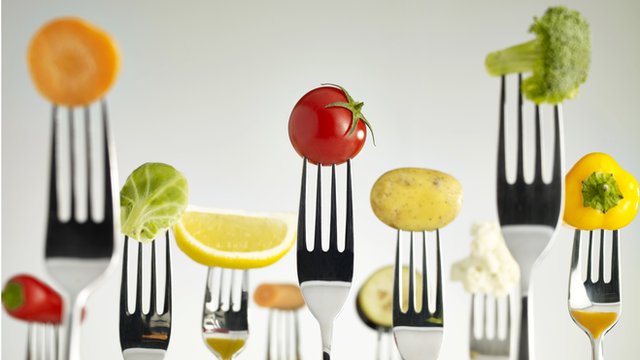
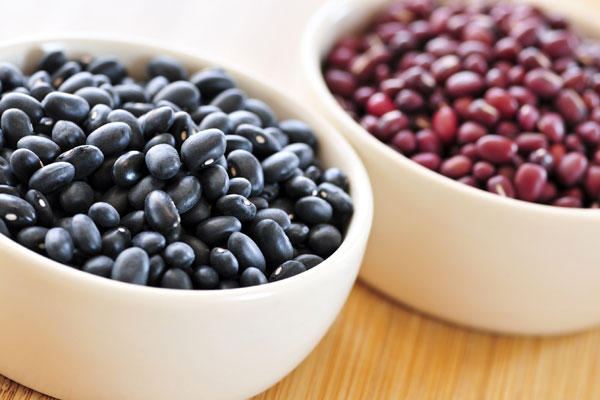
Vegan foods, such as whole grains, vegetables, fruits, and beans, are low in fat, contain no cholesterol, and are rich in fiber and nutrients. Vegans can get all the protein they need from legumes (e.g., beans, tofu, peanuts) and grains (e.g., rice, corn, whole wheat breads and pastas); calcium from broccoli, kale, collard greens, tofu, fortified juices and soymilks; iron from chickpeas, spinach, pinto beans, and soy products; and B12 from fortified foods or supplements. With planning, a vegan diet can provide all the nutrients we were taught as schoolchildren came only from animal products.
vegetarian diets can significantly reduce one’s risk of contracting heart disease, colon and lung cancer, osteoporosis, diabetes, kidney disease, hypertension, obesity, and a number of other debilitating conditions. Cows’ milk contains ideal amounts of fat and protein for young calves, but far too much for humans. And eggs are higher in cholesterol than any other food, making them a leading contributor to cardiovascular disease.
Vegan foods, such as whole grains, vegetables, fruits, and beans, are low in fat, contain no cholesterol, and are rich in fiber and nutrients. Vegans can get all the protein they need from legumes (e.g., beans, tofu, peanuts) and grains (e.g., rice, corn, whole wheat breads and pastas); calcium from broccoli, kale, collard greens, tofu, fortified juices and soymilks; iron from chickpeas, spinach, pinto beans, and soy products; and B12 from fortified foods or supplements. With planning, a vegan diet can provide all the nutrients we were taught as schoolchildren came only from animal products.Will I get enough protein?
Virginia Messina, MPH, RD, and Mark Messina, PhD, recommend that vegans receive 0.4 grams of protein per day for every pound of healthy body weight. If a vegan consumes adequate calories and eats a variety of foods, it is very difficult not to get enough protein. This is true for athletes as well. One need not combine foods at each meal to get “complete protein. “ The most important plant sources of protein are legumes, soy foods, and nuts. Grains and vegetables also contain significant amounts of protein. Eat a variety of protein sources throughout the day: e.g, a legume (such as beans, tofu, or peanuts) combined with a grain (such as rice, corn, or whole wheat breads or pastas). For more information, visit Veganhealth.org
How about B12?
There has been much debate as to what plant foods supply an adequate source of B-12. Many products that were once thought to be adequate, such as tempeh, are no longer considered so. Fortunately, there are easy solutions for vegans. Vegetarian B-12 vitamin pills
are available at most drug stores; the ‘sublingual’ form is preferable. In addition, some foods are fortified with B-12, including Red Star Nutritional Yeast
. It is essential to include a B12 supplement in your diet or eat foods that are fortified with B12 to insure that you receive the proper amount of B-12. For more information, read What Every Vegan Should Know about Vitamin B12
How about calcium?
Adequate intakes of calcium vary according to one’s age: 1200 mg for age 50 or above, 1000 mg for ages 19-49, 800 mg for ages 4-8, 500 mg for ages 1-3. A number of vegan foods contain high levels of calcium per serving: calcium-set tofu (120-200mg per 0.5 cup), fortified soymilk (200-300 mg per cup dried figs (50 mg per fig), fortified orange juice (250 mg per cup), collard greens (180 mg per 0.5 cup), sesame seeds (180 mg per 2 Tbsp), baked beans (130 mg per cup), broccoli (90 mg per 0.5 cup) , almonds (50 mg per 2 Tbsp), kale (50 mg per 0.5 cup) For more information read Bones, Vitamin D, and Calcium


 RichardbBrunner