-
Science proves that you love your dog like a baby
Interesting article about pets and how humans react/respond to them. From the abstract:
Neural substrates underlying the human-pet relationship are largely unknown. We examined fMRI brain activation patterns as mothers viewed images of their own child and dog and an unfamiliar child and dog. There was a common network of brain regions involved in emotion, reward, affiliation, visual processing and social cognition when mothers viewed images of both their child and dog. Viewing images of their child resulted in brain

activity in the midbrain (ventral tegmental area/substantia nigra involved in reward/affiliation), while a more posterior cortical brain activation pattern involving fusiform gyrus (visual processing of faces and social cognition) characterized a mother’s response to her dog. Mothers also rated images of their child and dog as eliciting similar levels of excitement (arousal) and pleasantness (valence), although the difference in the own vs. unfamiliar child comparison was larger than the own vs. unfamiliar dog comparison for arousal. Valence ratings of their dog were also positively correlated with ratings of the attachment to their dog. Although there are similarities in the perceived emotional experience and brain function associated with the mother-child and mother-dog bond, there are also key differences that may reflect variance in the evolutionary course and function of these relationships.
Stoeckel LE, Palley LS, Gollub RL, Niemi SM, Evins AE (2014) Patterns of Brain Activation when Mothers View Their Own Child and Dog: An fMRI Study. PLoS ONE 9(10): e107205. doi:10.1371/journal.pone.0107205
http://www.plosone.org/article/info%253Adoi%252F10.1371%252Fjournal.pone.0107205
-
Wounding and healing
“Wounding and healing are not opposites. They’re part of the same thing. It is our wounds that enable us to be compassionate with the wounds of others. It is our limitations that make us kind to the limitations of other people. It is our loneliness that helps us to find other people or to even know they’re alone with an illness. I think I have served people perfectly with parts of myself I used to be ashamed of. ” Rachel Naomi Remen

-
Opportunities 4 mindfulness
For most of us, a typical day begins when we get out of bed, wash, and then start our activities. At some point, we get a bite to eat, walk somewhere, and talk to someone. Often, by the end of the day we find ourselves stressed out and physically exhausted. It doesn’t have to be that way!

Everyday activities can be an opportunity for a meditation moments; bringing mindfulness, clarity, and peace into your day while energizing yourself and reducing stress.
A study published in the journal Consciousness and Cognition found: “Brief meditation training reduced fatigue, anxiety, and increased mindfulness. Moreover, brief mindfulness training significantly improved visuo-spatial processing, working memory, and executive functioning.”
These brief mindfulness meditations can be done anywhere or anytime …well using common sense. Just like you should not text and drive I would not meditate and drive either.
 Here are two examples of how to add meditation without taking time out of your schedule.
- When you get up in the morning, you usually wash. Let’s use washing your face for our first meditation opportunity. Feel the temperature of the water on your hands. Focus on the temperature as you add a little soap. Notice how the suds feel on your hand. When a thought comes in, think of it as someone else’s phone ringing. You hear it, but you don’t have to answer it. Next, feel your soapy hands or the washcloth on your face. Focus on that sensation as you wash your face. Next, feel the rinse water on your face — how does it feel? Is it too cold? Too hot? Just right? If your mind wanders, there is no need to judge, just go back to focusing on the feeling of the water on your face. As you towel off, feel the sensation of the air on your face. It’s that simple, you just meditated.
- As you go about your day, you are most likely waiting in line or in traffic, so take a moment to breathe. Everyone has to breathe, and there is no way the person in front of you in the coffee line will know you are meditating! Sense the breath coming in and out of your nose or mouth. Don’t worry about thoughts; you know what to do, think of your thoughts as someone else’s cellphone ringing. Some people like to label their thoughts as “thought” and then let them go. The important thing is returning to sensing your breath coming in and out of your body. You will feel your shoulders relax and your patience returning
-
relapse stages
I’ve been working with adults in recovery and in active addiction for many years. Going from recovery to relapse is process that could take days, weeks, months. The process is generally not paying attention, getting overwhelmed, ignoring your own thoughts/feelings and the input from others, and decided at some level of consciousness to use again. Below is one of the hand outs I use with relapse prevention groups.
Step 1: Getting Stuck In Recovery
Many of us decide that alcohol or drugs is a problem, stop using, and put together some kind of a recovery plan to help us stay sober. Initially we do fine. At some point, however, we hit a problem that we are unwilling or unable to deal with. We stop dead in our tracks. We are stuck in recovery and don’t know what to do.
Step 2: Denying That We’re Stuck

Instead of recognizing that we’re stuck and asking for help, we use denial to convince ourselves that everything is OK. Denial makes it seem like the problem is gone, but it really isn’t. The problem is still there. It just goes under ground where we can’t see it. At some level we know that the problem is there, but we keep investing time and energy in denying it. This results in a buildup of pain and stress.
Step 3: Using Other Compulsions
To cope with this pain and stress, we begin to use other compulsive behaviors We can start overworking, over-eating, dieting, or over-exercising. We can get involved in addictive relationships. These behaviors make us feel good in the short run by distracting us from our problems. But since they do nothing to solve the problem, the stress and pain comes back. We feel good now, but we hurt latter. This is a hallmark of all addictive behaviors.
Step 4: Experiencing A Trigger Event
Then something happens. It’s usually not a big thing. Its something we could normally handle without getting upset. But this time something snaps inside. One person described it this way: “It feels like a trigger fires off in my gut and I go out of control.”
Step 5: Becoming Dysfunctional On The Inside:
When the trigger goes off, our stress jumps up, and our emotions take control of of our minds. To stay sober we have to keep intellect over emotion. We have to remember who we are (an addicted person), what we can’t do (use alcohol or drugs), and what we must do (stayed focused upon working a recovery program). When emotion gets control of the intellect we abandon everything we know, and start trying to feel good now at all costs.
Relapse almost always grows from the inside out. The trigger event makes our pain so severe that we can’t function normally. We have difficulty thinking clearly. We swing between emotional overreaction and emotional numbness. We can’t remember things. It’s impossible to sleep restfully and we get clumsy and start having accidents.
Step 6: Becoming Dysfunctional On The Outside:
At first this internal dysfunction comes and goes. It’s annoying, but it’s not a real problem so we learn how to ignore it. On some level, we know something is wrong so we keep it a secret. Eventually we get so bad that the problems on the inside create problems on the outside. We start making mistakes at work, creating problems with our friends, families, and coworkers. We start neglecting our recovery programs. And things keep getting worse.
Step 7: Losing Control:
We handle each problem as it comes along but look at the the growing pattern of problems. We never really solve anything, we just put a band-aides on the deep gushing cuts, put first-aide cream on seriously infected wounds, and tell ourselves the problem is solved. Then we look the other way and try to forget about the problems by getting involved in compulsive activities that will somehow magically fix us.

This approach works for awhile, but eventually things start getting out of control. As soon as we solve one problem, two new ones pop up to replace it. Life becomes one problem after another in an apparently endless sequence of crisis. One person put it like this: “I feel like I’m standing chest deep in a swimming pool trying to hold three beach balls underwater at once. I get the first one down, then the second, but as I reach for the third, the first one pops back up again.”
We finally recognize that we’re out of control. We get scared and angry. “I’m sober! I’m not using! I’m working a program! Yet I’m out of control. If this is what sobriety is like – who needs it?”
Step 8: Using Addictive Thinking
Now we go back to using addictive thinking. We begin thinking along these lines: ” Sobriety is bad for me, look at how miserable I am. Sober people don’t understand me. Look at how critical they are. Maybe things would get better if I could talk to some of my old friends. I don’t plan to drink or use drugs, I just want to get away from things for awhile and have a little fun. People who supported my drinking and drugging were my friends. They knew how to have a good time. These new people who want me to stay sober are my enemies. Maybe I was never addicted in the first place. Maybe my problems were caused by something else. I just need to get away from it all for awhile! Then I’ll be able to figure it all out.”
Step 9: Going Back To Addictive People, Places, And Things
Now we start going back to addictive people (our old friends), addictive places (our old hangouts), and addictive things (mind polluting compulsive activities). We convince ourselves that we’re not going to drink or use drugs. We just want to relax.
Step 10: Using Addictive Substances:
Eventually things get so bad that we come to believe that we only have three choices – collapse, suicide, or self-medication. We can collapse physically or emotionally from the stress of all our problems. We can end it all by committing suicide. Or we medicate the pain with alcohol or drugs. If these were your only three choices, which one sounds like the best way out?
Step 11: Losing Control Over Use
Once addicted people start using alcohol or drugs, they tend follow one of two paths. Some have a short term and low consequence relapse. They recognize that they are in serious trouble, see that they are losing control, and manage to reach out for help and get back into recovery. Others start to use alcohol or drugs and feel such extreme shame and guilt that they refuse to seek help. They eventually develop progressive health and life problems and either get back into recovery, commit suicide, or die from medical complications, accidents, or drug-related violence
-
La Santa Cecilia – Pa’ Que Trabajar
-
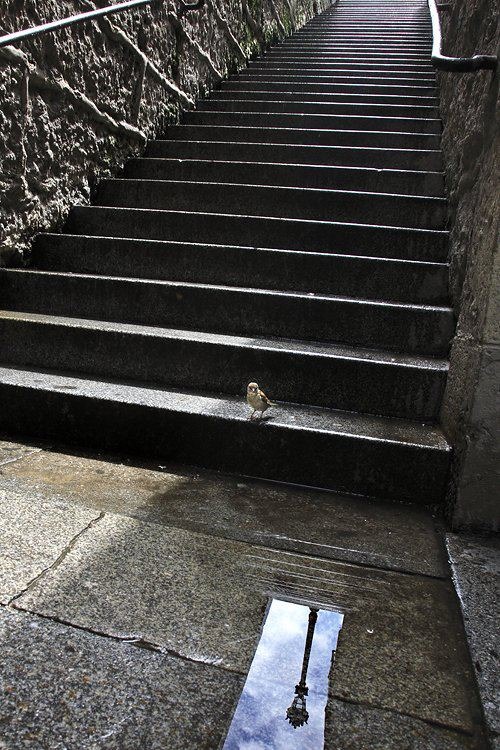
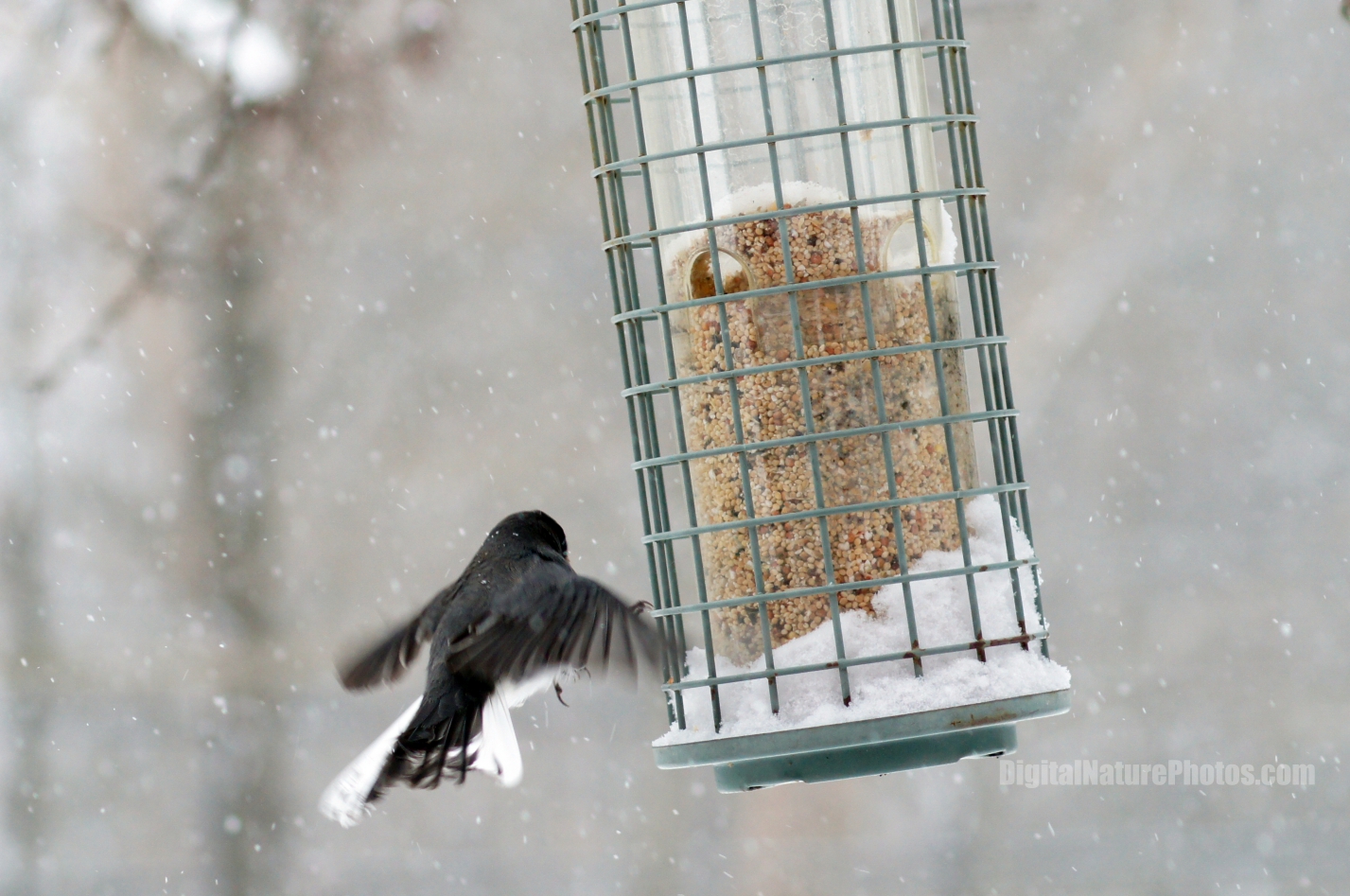
Late snow and bird
-
U.S. Poverty: By the Numbers
U.S. poverty (less than $17,916 for a family of three): 46.2 million people, 15.1 percent.

Children in poverty: 16.1 million, 22 percent of all children, including 39 percent of African-American children and 34 percent of Latino children. Poorest age group in country.
Deep poverty (less than $11,510 for a family of four): 20.4 million people, 1 in 15 Americans, including more than 15 million women and children
People who would have been in poverty if not for Social Security, 2011: 67.6 million
(program kept 21.4 million people out of poverty)People in the U.S. experiencing poverty by age 65: Roughly half
Gender gap, 2011: Women 34 percent more likely to be poor than men
Gender gap, 2010: Women 29 percent more likely to be poor than men
Twice the poverty level (less than $46,042 for a family of four): 106 million people, more than 1 in 3 Americans
Jobs in the U.S. paying less than $34,000 a year: 50 percent
Jobs in the U.S. paying below the poverty line for a family of four, less than $23,000 annually: 25 percent
Poverty-level wages, 2011: 28 percent of workers
Percentage of individuals and family members in poverty who either worked or lived with a working family member, 2011: 57 percent
Families receiving cash assistance, 1996: 68 for every 100 families living in poverty
Families receiving cash assistance, 2010: 27 for every 100 families living in poverty
Impact of public policy, 2010: Without government assistance, poverty would have been twice as high — nearly 30 percent of population
Percentage of entitlement benefits going to elderly, disabled or working households: Over 90 percent.
Number of homeless children in U.S. public schools: 1,065,794
Annual cost of child poverty nationwide: $550 billion
Federal expenditures on home ownership mortgage deductions, 2012: $131 billion
Federal funding for low-income housing assistance programs, 2012: Less than $50 billion
-
Paper making
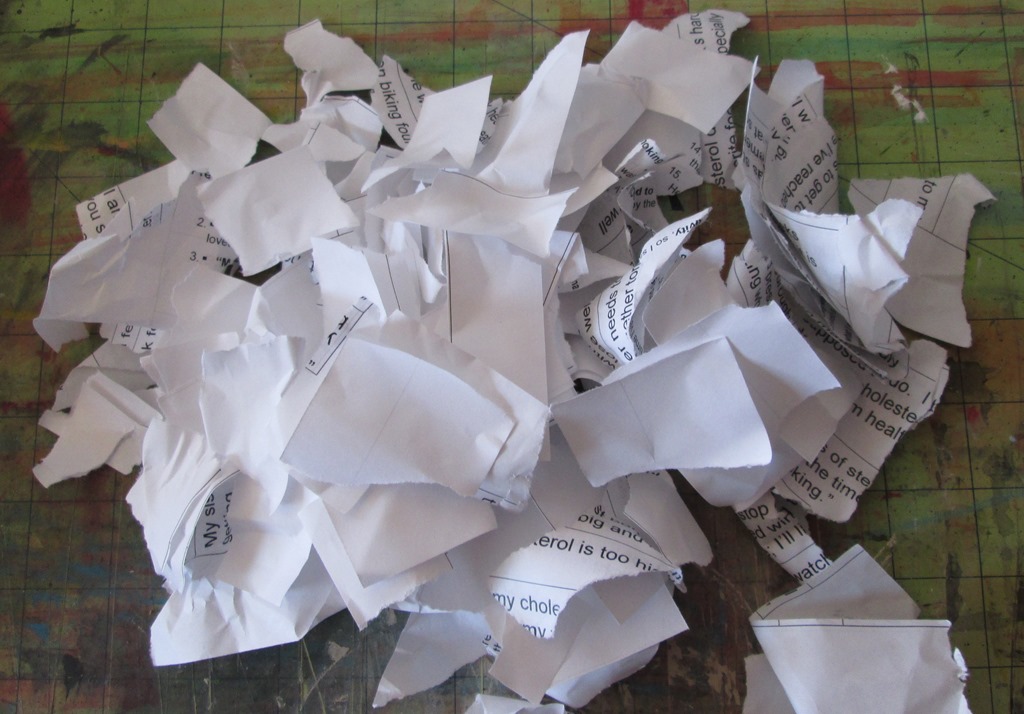
I have been making paper for quite a few years both with therapy groups and for my own enjoyment. This particular batch was made up of
 recycled handouts that I cut and ripped up into roughly 1 x 1 inch pieces.
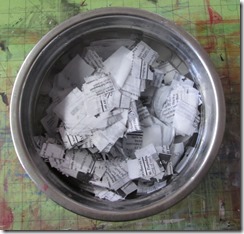
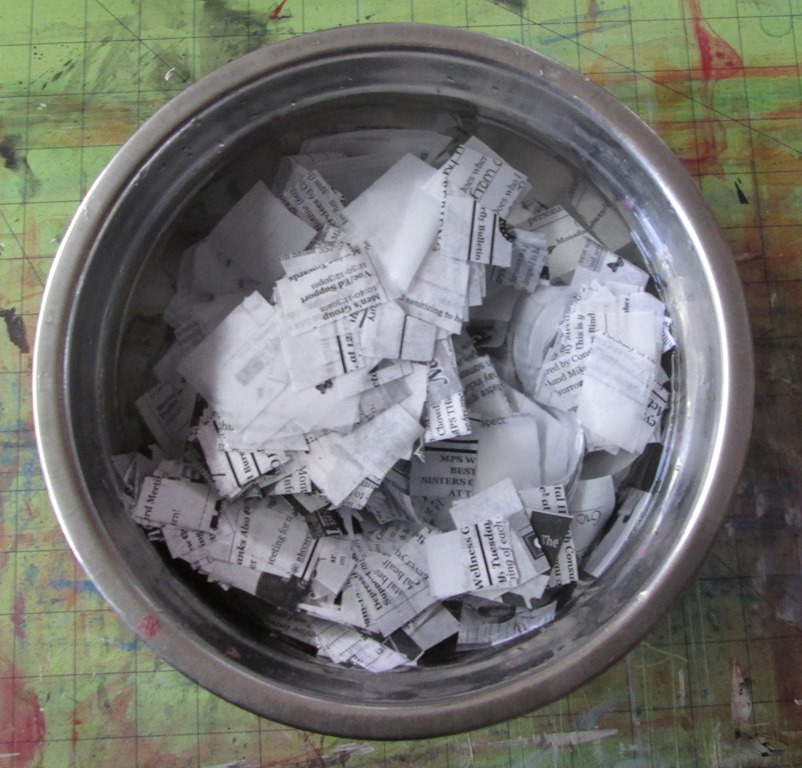
I next decided to soak the ripped paper in a bowl of water for a few hours to help loosen the fibers in the paper
Next
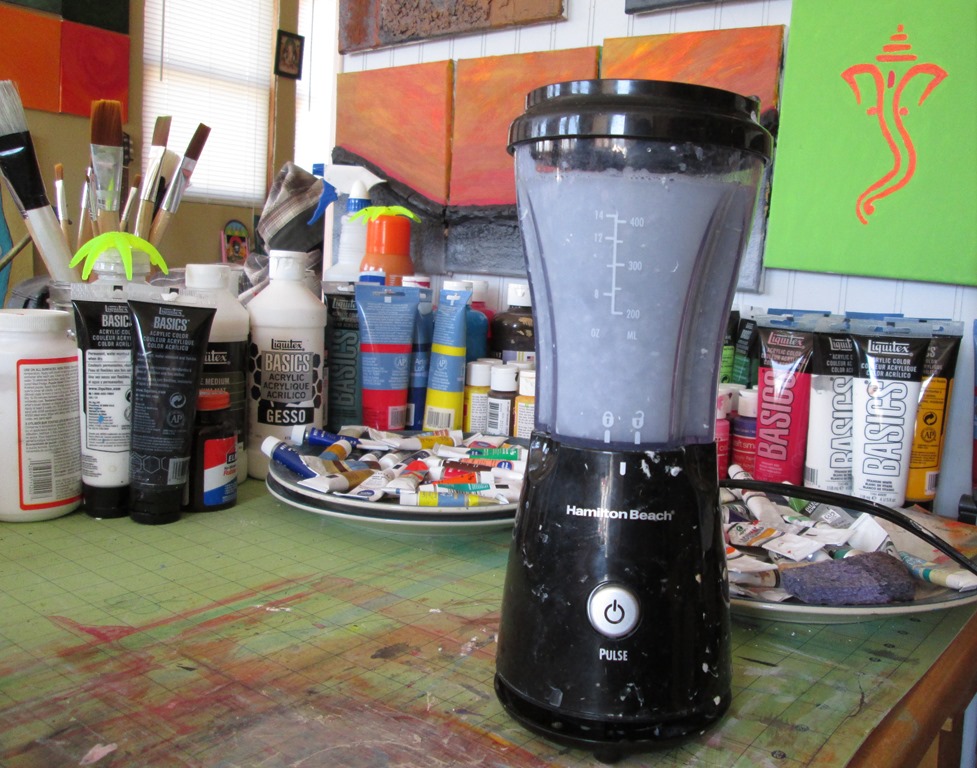
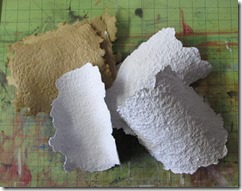
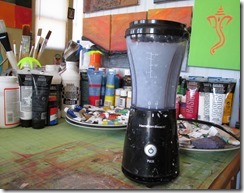 I used my trusty little blender to chop up the paper and turn it into pulp. Instead of pouring the pulp into a tray of water and using a deckle to ‘fish’ the fibers on to a mold or frame I poured the pulp directly into a strainer, removed most of the water and than ‘sculpted’ the pulp around a cylinder form. The last photo is of some of the finished 1/2 cylinders and some brown craft paper that I also made that day using a regular deckle.
-
find it
“If you find it in your heart to care for somebody else, you will have succeeded.” Maya Angelou

-
small things

Do not wait for leaders; do it alone, person to person. Be faithful in small things because it is in them that your strength lies. Mother Teresa