-
sailing stones of Death Valley
The sailing stones of the Racetrack Playa, a dry lakebed in Death Valley, have been the subject of a mystery since the 1940s. The playa is dotted with stones, some as large as 700 pounds (320kg), with long tracks behind them, as though they have been performing a synchronised dance.
Although there have been many theories about how the rocks might be moving on their own — including dust devils, hurricane-force winds, films of slippery algae or thick sheets of ice — none had ever been confirmed, nor had any human seen the rocks actually moving.

Until now, that is. A team of researchers from the Scripps Institution of Oceanography at UC San Diego decided they were going to solve the mystery once and for all. In the winter of 2011, they brought in a high-resolution weather station to measure wind at one-second intervals, and brought in 15 rocks fitted with GPS devices (since the National Parks Service would not allow them to use the native rocks).
-
Teen brain, brain injury, and addiction
These days, when there are news reports about traumatic brain injury (TBI), it’s almost always related to football. And while one of the effects of TBI is an increased risk of using drugs and alcohol (especially for teens), this post isn’t really about that (but this post is).
This post is about the turf TBIs and drugs share—the developing teen brain.
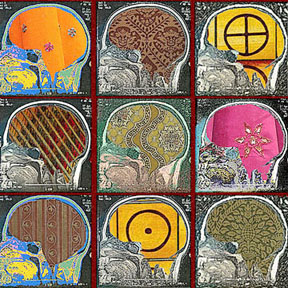
The Developing Teen Brain—What Makes It Special Puts You at Risk
We’ve talked a lot about why drug use is so dangerous in your teen years—that it raises your risk for being addicted. (Here’s a great explanation.) The teen brain is still developing—growing. This makes it more flexible, more impressionable; so what you do now has a big impact on who you become as an adult. Like clay being molded before it hardens, like a computer being programmed, you are wiring your brain.
-
What do our feline companions get up to?
Ever wondered what your cat spends its time doing when you’re not around? Where do our purring pets go when they disappear through the cat flap? Armed with GPS tracking devices and micro-cameras, a team from BBC Two’s Horizon programme in collaboration with the Royal Veterinary College set off to a Surrey village to find out. Discover more by clicking this link and selecting a cat.

-
make you
If I love you, I have to make you conscious of the things you don’t see. James Baldwin

-
Vincent Walsh – Neuroscience and Creativity
-
Is an Optimistic Mind Associated with a Healthy Heart?
“Health is a state of complete physical, mental, and social well-being, and not merely the absence of disease and infirmity.” — World Health Organization (1946) Many poets, philosophers, and thinkers throughout history have recognized the intimate link between physical and mental health. The ancient Roman poet Juvenal once declared “A healthy mind in a healthy body”.

However, until relatively recently, most psychological research has focused on the link between psychological difficulties (e.g., anxiety, depression) and physical health. But things are changing. Over the past few decades, a growing number of studies demonstrate that merely alleviating anxiety and stress don’t necessarily lead to better life outcomes. Positive characteristics, such as optimism, vitality, meaning, and subjective life satisfaction are immensely important in their own right. The related fields of positive psychology and health psychology focus on rigorous scientific investigations of how people adapt to life’s inevitable challenges, and how that is related (or even leads to) a better quality of life. This process of resilience across life is the idea of thriving, successful aging, or flourishing.
See more at: http://www.creativitypost.com/psychology/is_an_optimistic_mind_associated_with_a_healthy_heart -
Somaliland & mental health conditions
Interesting article about Somaliland facing an ‘explosion’ of mental health conditions. From The Guardian.
 Amina usually takes her brother to the clinic by force. He doesn’t like going. “I feel very bad when I take him there. I have to do it but I cry at the same time,” says the young mother who lives in downtown Hargeisa, capital of the breakaway republic of Somaliland.
“We have no choice but to take him. What else can we do for him?” Amina* adds, visibly pained.
Her 38-year-old brother Bulhan* has on four occasions been admitted to the Macruuf Relief Organisation, a privately run mental health clinic in Hargeisa, one of many that have been established in recent years.
These under-resourced private centres operate largely without scrutiny from the authorities. Chaining patients is common, as is confinement without consent, practices that Human Rights Watch saysviolate “basic international standards prohibiting ill-treatment, and may constitute torture”.See the full article at The Guardian.
-
VA arts program exhibit
Recently visitors to Microsoft’s flagship Manhattan store got a glimpse into the world of the American Veteran. Through the Eyes of a Veteran—a digital showcase and panel discussion held in December—represented the exhibit of the same name still currently on display at Snug Harbor Cultural Center, in Staten Island.

The Snug Harbor exhibit, features the works of about 75 Veteran artists originating from the Creative Arts Program at the VA New York Harbor Health Care System’s Brooklyn Campus.
Beryl Brenner, VA’s creative arts therapist for the creative arts program, and Snug Harbor’s director of performing arts, Larry Anderson, curated the exhibit.
Brenner, who has been introducing Veterans to the arts for 38 years—with 26 of those spent at VA—said the show at Snug Harbor “is a composite of years and years of work from the other shows they’ve done.”
Through the Eyes of a Veteran expresses a range of themes—from battling PTSD, to the different aspects of military environments both stateside and deployed—and also looks at Veterans through the lens of their individual portraits. MORE HERE
-
Victoria Hanna- Aleph-bet (Hosha’ana)
-
Sunset behind branches