Tags

25 Monday Aug 2025
Posted in Music
≈ Comments Off on Music MusicMonday: Carlos Cipa- and she was
Tags
23 Saturday Aug 2025

Posted by RichardB | Filed under Seguy Art Deco Designs
≈ Comments Off on Seguy Art Deco Designs 53
22 Friday Aug 2025
Posted in Dance Movement Therapy, Movement, Stress
≈ Comments Off on Stress and movement
Stress can be indicated when a person becomes stuck/frozen or stopped in a bodily movement that can be described as either gestural, ( movements isolated to parts or part of the body) or postural ( movements carried constantly through the whole body). When there is a continuous flow of movement from gesture to posture and vice versa then the person is considered moving in balance and not not indicated to be in stress. one example of this is something that has come up in the last 20 years of leading stress reduction exercises with groups. I ask the participants how they know they are stressed out and the top answers are:
I notice I am gripping the steering wheel- I notice I am making a fist- I am clenching my teeth-I am clenching my butt.
Each one of these actions is a frozen gesture and they generally use the most “force”, muscle, blood flow of any other component of the body while they are active. Think about it, if you clench your fist the blood flow increases due to the sudden contraction of the muscles, a part of your attention is brought to the area because its being engaged, the rest of the body begins to respond to the clenched fist starting with the arm, shoulders, spine, abdominal muscles and so on ad so on. Suddenly your attention increases to the area dramatically and you realize; “oh I’m clenching my fist….”
The first step to releasing this body stress is the breath. When stressed we tend to hold our breath and/or it becomes shallow breathing. Taking a big breath in and a big breath out begins to increase the oxygen to the brain (and the rest of the body). That big breath also automatically signals to the body on a primal level that the stressor is less and the body begins to relax its muscular contractions. Also when we consciously are taking in a big breath we are exerting voluntary control over our bodies which is the opposite of the stress response which is an involuntary response. This voluntary and controlled breath also signals to the brain on a primal level that the stressor lessens, resulting in the muscles lessening their contradiction.
Of course simply breathing does not seem like much of an answer for someone who experiences chronic stress/anxiety. But it is one more tool that one can use. Like mindfulness, visualizations, and other techniques, breathing is something that needs to be practiced and the more you practice the more effective it becomes.

20 Wednesday Aug 2025
Posted in boundaries, Handout, Uncategorized
≈ Comments Off on Setting boundaries
Setting boundaries is an essential skill in life, especially for people in recovery. Addicts often grow up in dysfunctional homes, where boundaries were either too rigid (leading to suppressed emotions or distant relationships) or too enmeshed (depriving them of a sense of personal identity). Later in life, their interpersonal relationships may continue to be defined by old roles and patterns, increasing the risk of depression, anxiety and addictive or compulsive behaviors. 
As part of recovery, addicts learn how to set boundaries and to respect other people’s boundaries in return. In the addiction field, treatment providers often refer to this process as embracing the authentic self. While it may sound like psychobabble, it is really a process of discovering who you want to be, how you want to interact with other people, and taking responsibility for the consequences of your choices.
Why are boundaries important? They keep you safe from being manipulated, abused or taken advantage of, while also protecting other people from harm you may consciously or unconsciously inflict. They prevent both parties in a relationship from blurring the lines between self and others, which can lead to enmeshment and codependency. With healthy boundaries in place, you can begin to tune in to your inner voice and trust your own thoughts and feelings, and then communicate those to other people.
Distinguishing Healthy and Unhealthy Boundaries
Without a healthy role model, it can be difficult to know what healthy boundaries look like. First, let’s cover what healthy boundaries are not. They are not threats or attempts to control or manipulate others into doing what you want. They are not rigid rules or “walls” designed to keep people out or shield you from expressing your emotions.
Healthy boundaries are simply a delineation of what type of treatment is acceptable to you, and what consequences will result from violating a boundary. People with healthy boundaries share their thoughts and feelings, take care of their own needs, and are able to say no when necessary.
 By contrast, people with weak boundaries often:
• Sacrifice their personal values, plans or goals to please others
• Allow others to define who they are and make decisions for them
• Expect others to fulfill all their needs
• Feel guilty when they say no
• Hesitate to share their opinions or assert themselves if they are being treated unfairly
• Frequently feel used, threatened, victimized or mistreated by others
• Frequently offer unsolicited advice, or feel pressured to follow someone else’s advice
• Take responsibility for other people’s feelings
• Tell others how to think, feel or act
A Boundary-Setting Roadmap
Every individual is called upon to set their own boundaries. What works for some may seem either too intrusive or too distant to others. When laying out your boundaries, work through the following steps:
Create a Personal Bill of Rights. Before you can start setting boundaries, you have to recognize your right to have your own feelings, values and beliefs and to express to others how you want to be treated. For some, this requires a colossal leap in self-worth.
Identify Your Emotions. Our parents always admonish us to “think before you act.” When you have a strong response, take a time-out to identify the underlying emotion and figure out what you want to convey. Doing so allows you to interact with other people in an honest, direct way rather than blaming or lashing out.
Set Limits. Once you have a few guidelines in place for how you expect to be treated, practice setting limits with people in a clear, direct way. Examples of healthy boundaries are: “I choose to be around sober people” or “I’ll be happy to talk with you when your voice is calm.”
Assert Your Needs. If you feel that your boundaries are being violated, speak up. This doesn’t mean lashing out or blaming others, but rather assertively communicating your needs. Ask for what you want and say no, politely yet firmly, if something isn’t right for you.
Listen to Your Instincts. If a situation feels uncomfortable or inappropriate, chances are a boundary is being pushed. By tuning into your instincts, you’re more likely to respond in ways that are true to your authentic self.
Defend Your Boundaries. Once you set boundaries, expect that they will be tested. Before this happens, set consequences that you are willing and able to enforce (e.g., “If you continue this behavior, I will…”). Know that by setting limits, you may disappoint the other person, especially if they have weak boundaries themselves. While you should always act with dignity and respect, you can’t control other people’s feelings and behaviors.
If someone continually violates your boundaries, you may need to minimize contact with them, or if they are toxic to your recovery, cut ties altogether. By choosing not to let people violate your boundaries, you stop being the victim, stop blaming others and start reclaiming responsibility for your own life.
Respect Other People’s Boundaries. Just as important as honoring your own boundaries is respecting other people’s, even if they are different from yours. If they don’t have defined boundaries, show them the respect you know they deserve anyway.
18 Monday Aug 2025
Posted in Music
≈ Comments Off on MusicMonday: Leat Sabbah | Tov Lehodot L’Adonai LIVE SESSION
Tags
16 Saturday Aug 2025
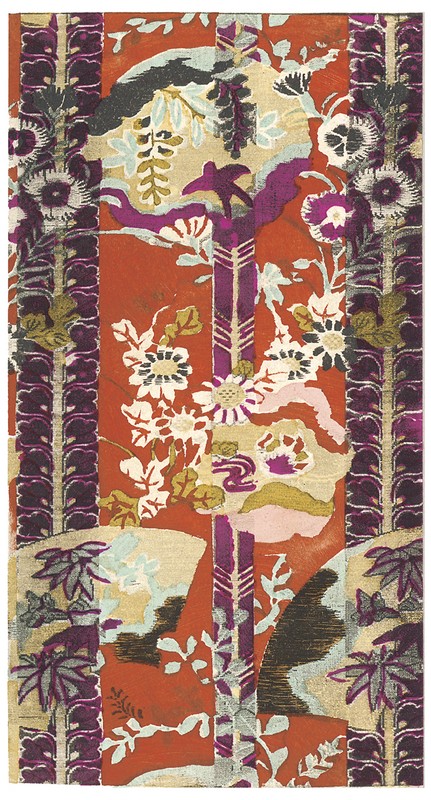
Posted by RichardB | Filed under Japanese Textile Designs
≈ Comments Off on Japanese Textile Designs 39
15 Friday Aug 2025
Posted in Carnatic Music, culture, History, Music, Spirit
≈ Comments Off on Carnatic Music: Ramnad Krishnan
Tags
Ramnad Krishnan was a important carnatic vocalist of the 20th century. He was a great exponent of sankya (relaxed music) school.
Born on 14th September 1918 at Alleppey in Kerala in a family of musicians. His training was under Ramnad Sankara Sivam. His raga singing gave a revelation of the emotional and the intellectual content of the raga . His unique pallavi renditions in rare and uncommon structures, still haunt the minds of not only the rasikas but even his colleagues.

Ramnad Krishnan was also a great teacher. He served at the faculty of the Govt. College of Carnatic Music at Madras for a few years. He was also a visiting Professor at the Weslyn University, USA for some time where he was reverential called “the musicians’ musician.
I was first exposed to Carnatic Music as a teenager when I stumbled across an Explorer Series Recording at the local public library. This particular record was; Music of South India: Songs of the Carnatic Tradition. At the time I had been practicing some Raja, Hatha, and Bhakti Yoga and had expanded my practice to listening to music, mostly Ravi Shankar.
Having the chance to listen to Ramnad Krishnan moved my Yoga practice, my heart, mind and soul to a much deeper level. I had no idea why at the time and…still don’t, and I don’t need to know why. It simply is.
13 Wednesday Aug 2025
Posted in culture
≈ Comments Off on Mythic Imagination Institute – Mythic Passages, the Magazine of Imagination
Tags
Mythic Imagination Institute – Mythic Passages, the Magazine of Imagination

11 Monday Aug 2025
Posted in Music
≈ Comments Off on MusicMonday: Jain – Makeba
09 Saturday Aug 2025
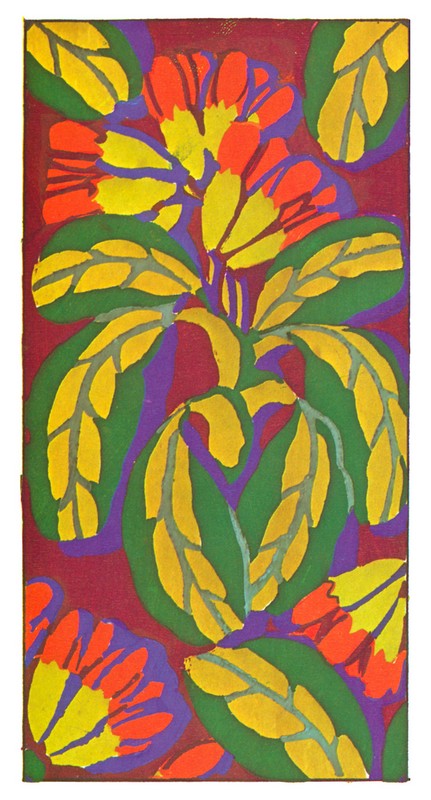
Posted by RichardB | Filed under Seguy Art Deco Designs
≈ Comments Off on Seguy Art Deco Designs 40
08 Friday Aug 2025
Posted in Uncategorized
≈ Comments Off on Is there a right to sleep outside?: Vox article
“Five years ago, a federal court issued a crucial ruling. People experiencing homelessness, the Ninth Circuit Court of Appeals said, can’t be punished for sleeping outside on public property if there are no adequate alternatives available.”
“The government cannot criminalize indigent, homeless people for sleeping outdoors, on public property, on the false premise they had a choice in the matter,” the court declared.”
https://www.vox.com/23748522/tent-encampments-martin-boise-homelessness-housing

06 Wednesday Aug 2025
Posted in TravelTuesday
04 Monday Aug 2025
Posted in Music
≈ Comments Off on MusicMonday: Ximena Sariñana – Frágil feat. Samantha Barrón ..
Tags
02 Saturday Aug 2025

Posted by RichardB | Filed under Japanese Textile Designs
≈ Comments Off on Japanese Textile Designs 53
01 Friday Aug 2025
Posted in water
≈ Comments Off on Groundwater: A Battleground for Corporate Greed
Tags
Corporate farms are bleeding our aquifers dry. In places like Arizona and California, these massive operations guzzle groundwater without regulation. This unsustainable practice harms local residents, smaller farmers, and the environment.
Unlike individuals and small farms, corporations have the funds to drill ever-deeper wells, chasing retreating groundwater. Their unchecked extraction leads to dry wells in nearby communities, forcing people to buy bottled water or go thirsty.

Corporate farms prioritize profits, often growing water-thirsty crops unsuitable for arid environments. While fields of almonds or alfalfa may be lucrative, they deplete precious aquifers with alarming speed.
We need policies that prioritize the long-term health of our groundwater. Regulations must address unsustainable extraction, particularly by large corporations. We need to champion water-wise crops and support farmers dedicated to conservation.
The water crisis is real. It’s time we hold powerful interests accountable and demand a future where water isn’t solely a commodity for the highest bidder.
28 Monday Jul 2025
Posted in Music
≈ Comments Off on MusicMonday: Mexican Institute of Sound – Cumbia Meguro
26 Saturday Jul 2025
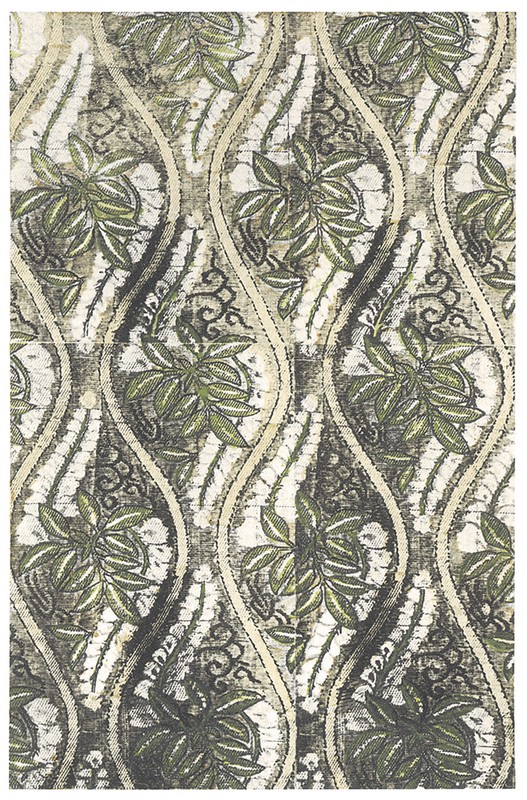
Posted by RichardB | Filed under Japanese Textile Designs
≈ Comments Off on Japanese Textile Designs 50
25 Friday Jul 2025
Posted in news
≈ Comments Off on Did the Camera Ever Tell the Truth? | Death of a Fantastic Machine |watch
Tags
23 Wednesday Jul 2025
Posted in Substance use
≈ Comments Off on Cleveland Clinic: Watch “Substance Use Disorder | The Road to Recovery” on YouTube
21 Monday Jul 2025
Posted in Music
≈ Comments Off on MusicMonday: Redbone – Come And Get Your Love