Anyone who says sunshine brings happiness has never danced in the rain. Unknown


02 Thursday May 2019
Posted in art
≈ Comments Off on Anyone who says
01 Wednesday May 2019
Posted in mindfulness, YouTube
≈ Comments Off on Thich Nhat Hanh, Mindfulness as a Foundation for Health
Tags
01 Wednesday May 2019
Posted in Uncategorized
≈ Comments Off on Evidence based Yoga

Anxiety A meta-analysis of the research involving yoga interventions for anxiety and related disorders reviewed eight studies conducted during 2004. Overall, this research reported positive results, especially in cases of obsessive-compulsive disorder. However, the authors were quick to point out a generally poor quality of research techniques, inadequacies in methodology, and difficulty comparing studies.8 A Cochrane review of two RCTs that investigated the effectiveness of meditation and yoga on patients with diagnosed anxiety disorders stated that based on the available research, no distinct conclusions can be drawn on the ability of meditation and yoga to be effective for anxiety disorders.9
Asthma To determine the efficacy of Iyengar yoga practice on symptoms and perceived quality of life of people living with asthma, 62 patients with mild to moderate asthma were randomized and divided into two groups. The treatment group performed Iyengar yoga for 4 weeks, and the control group enrolled in a “stretching” program. Both groups underwent spirometry testing and recorded their bronchodilator use, symptoms, and quality of life assessments. At no point in the study did the yoga intervention group show a measured benefit in clinical indices.10 Another small RCT divided 17 subjects into a yoga treatment and a control group. The yoga group engaged in relaxation pranayama (mindful breathing) techniques, yoga postures, and meditation 3 times per week for 16 weeks. Spirometry testing showed little difference between the two groups; however, the yoga group showed improved exercise tolerance and reported relaxation as well as a more positive attitude as measured by questionnaire. This study also showed a trend toward less use of short-acting bronchodilator medication in the yoga group.11
Back pain A 12-week RCT compared viniyoga practice with conventional therapeutic back exercises or a self-help book for 101 patients with chronic low back pain. The yoga group met with one instructor for a weekly 75-minute viniyoga practice. Patients were also encouraged to practice at home daily and were given handouts and an audio CD guide. This group showed greater improvement in functional status, decreased activity restriction, and increased general health compared to the conventional exercise group or the self-help book group at 12 weeks. At 26 weeks post treatment, the conventional exercise and yoga therapy group did not show a significant difference in outcome, though at all points in time, viniyoga therapy appeared to be more effective than the self- care book. The viniyoga benefit also lasted for months after the intervention.12
Cardiovascular disease A systematic literature review of 70 studies published over the past two decades showed a trend toward beneficial changes in metabolic syndrome risk factors such as insulin resistance, lipid profiles, BP, and anthropomorphic indices. The author noted that by controlling risk factors for metabolic syndrome, a regular yoga practice might possibly reduce the risk of cardiovascular disease (CVD). It is important to note that approximately one-third of the reviewed studies were RCTs and that the majority of the others were uncontrolled or nonrandomized controlled clinical trials.4 A 2002 comprehensive review of the literature on the psychophysiological effects of hatha yoga concluded that regular hatha yoga practice and a “yoga lifestyle” have the potential to benefit CVD risk indices.5
Cardiovascular fitness A 50-minute hatha yoga routine burns 2.2 to 3.6 kcal/min, the equivalent a very slow walk. Except in persons who are very deconditioned, this type of yoga practice alone is unlikely to have a significant training effect on cardiovascular fitness, pulmonary function, body composition, or fat metabolism.13 More vigorous forms of power or vinyasa yoga require a higher energy output, depending on the method of teaching and selection of asanas (postures). One recent study demonstrated a 7% increase in VO2 max after previously sedentary subjects practiced 8 weeks of yoga training.13 However, the general consensus is that yoga does not provide the significant cardiovascular stimulus necessary to enhance cardiovascular function.14
1. Tindle HA, Davis RB, Phillips RS, Eisenberg DM. Trends in use of complementary and alternative medicine by US adults: 1997-2002. Altern Ther Health Med. 2005;11(1):42-49.
2. Carrico M. Yoga Journal’s Yoga Basics: The Essential Beginner’s Guide to Yoga for a Lifetime of Health and Fitness. New York, NY: Henry Holt and Company; 1997.
3. Nayak NN, Shankar K. Yoga: a therapeutic approach. Phys Med Rehabil Clin N Am. 2004;15(4): 783-798, vi.
4. Innes KE, Bourguignon C, Taylor AG. Risk indices associated with the insulin resistance syndrome, cardiovascular disease, and possible protection with yoga: a systematic review. J Am Board Fam Pract. 2005;18(6):491-519.
5. Raub JA. Psychophysiologic effects of Hatha yoga on musculoskeletal and cardiopulmonary function: a literature review. J Altern Complement Med. 2002;8(6):797-812.
6. Luskin FM, Newell KA, Griffith M, et al. A review of mind-body therapies in the treatment of musculoskeletal disorders with implications for the elderly. Altern Ther Health Med. 2000;6(2): 46-56.
7. Jensen PS, Kenny DT. The effects of yoga on the attention and behavior of boys with attentiondeficit/ hyperactivity disorder (ADHD). J Atten Disord. 2004;7(4):205-216.
8. Kirkwood G, Rampes H, Tuffrey V, et al. Yoga for anxiety: a systematic review of the research evidence. Br J Sports Med. 2005;39(12):884-891.
9. Krisanaprakornkit T, Krisanaprakornkit W, Piyavhatkul N, Laopaiboon M. Meditation therapy for anxiety disorders. Cochrane Database Syst Rev. 2006;(1):CD004998.
10. Sabina AB, Williams AL, Wall HK, et al. Yoga intervention for adults with mild-to-moderate asthma: a pilot study. Ann Allergy Asthma Immunol. 2005;94(5):543-548.
11. Vendanthan PK, Kesavalu LN, Murthy KC, et al. Clinical study of yoga techniques in university students with asthma: a controlled study. Allergy Asthma Proc. 1998;19(1):3-9.
12. Sherman KJ, Cherkin DC, Erro J, et al. Comparing yoga, exercise, and a self-care book for chronic low back pain: a randomized, controlled trial. Ann Intern Med. 2005;143(12):849-856.
13. Tran MD, Holly RG, Lashbrook J, Amsterdam EA. Effects of Hatha yoga practice on the healthrelated aspects of physical fitness. Prev Cardiol. 2001;4(4):165-170.
14. Clay CC, Lloyd LK, Walker JL, et al. The metabolic cost of Hatha yoga. J Strength Cond Res. 2005;19(3):604-610.
30 Tuesday Apr 2019
Posted in creative arts therapy, Dance, Dance Movement Therapy, YouTube
≈ Comments Off on Kinesthetic Empathy: The Keystone of Dance/Movement Therapy
29 Monday Apr 2019
Posted in Depression, Uncategorized
Tags
Whether you’re a college student in the middle of a major slump, a new mom who can’t pinpoint why she’s feeling so glum, or a retiree grieving over the loss of a loved one, that question isn’t an easy one to answer.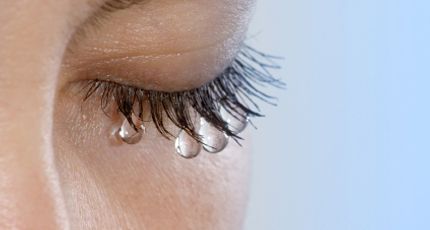
But there’s one thing for sure: “It is much more than just a sad mood,” said Angelos Halaris, MD, a professor of psychiatry and medical director of adult psychiatry at the Loyola University Medical Center in Chicago. Symptoms may include everything from hopelessness and fatigue to physical pain. And just as symptoms vary from person to person, so do the actual diagnoses. The word depression is actually just an umbrella term for a number of different forms, from major depression to atypical depression to dysthymia.
The most common form of depression? Major depression. In fact, about 7 percent of the adult U.S. population has this debilitating mental health condition at any given time, according to the National Institute of Mental Health (NIMH).
If you’re experiencing major depression, you may feel and see symptoms of extreme sadness, hopelessness, lack of energy, irritability, trouble concentrating, changes in sleep or eating habits, feelings of guilt, physical pain, and thoughts of death or suicide — and for an official diagnosis, your symptoms must last for more than two weeks. In some instances, a person might only experience one episode of major depression, but the condition tends to recur throughout a person’s life.
The best treatment is usually with antidepressant medications, explained Dr. Halaris, but talk therapy may also be used to treat depression. And there’s good news: An estimated 80 to 90 percent of people with major depression respond well to treatment.
About 2 percent of the American population has a form of depression that’s less severe than major depression, but is still very real — dysthymia.
Dysthymia is a type of depression that causes a low mood over a long period of time — perhaps for a year or more, explained Halaris. “People can function adequately, but not optimally.” Symptoms include sadness, trouble concentrating, fatigue, and changes in sleep habits and appetite.
This depression usually responds better to talk therapy than to medications, though some studies suggest that combining medication with talk therapy may lead to the greatest improvement. People with dysthymia may also be at risk for episodes of major depression.
A whopping 85 percent of new moms feel some sadness after their baby is born — but for up to 16 percent of women, that sadness is serious enough to be diagnosable.
Postpartum depression is characterized by feelings of extreme sadness, fatigue, loneliness, hopelessness, suicidal thoughts, fears about hurting the baby, and feelings of disconnect from the child. It can occur anywhere from weeks to months after childbirth, and Halaris explained it most always develops within a year after a woman has given birth.
“It needs prompt and experienced medical care,” he said — and that may include a combination of talk and drug therapy.
Would you prefer to hibernate during the winter than face those cold, dreary days? Do you tend to gain weight, feel blue, and withdraw socially during the season?
You could be one of 4 to 6 percent of people in the United States estimated to have seasonal affective disorder, or SAD. Though many people find themselves in winter funks, SAD is characterized by symptoms of anxiety, increased irritability, daytime fatigue, and weight gain. This form of depression typically occurs in winter climates, likely due to the lessening of natural sunlight. “We don’t really know why some people are more sensitive to this reduction in light,” said Halaris. “But symptoms are usually mild, though they can be severe.”
This depression usually starts in early winter and lifts in the spring, and it can be treated with light therapy or artificial light treatment.
Despite its name, atypical depression is not unusual. In fact, it may be one of the most common types of depression — and some doctors even believe it is underdiagnosed.
“This type of depression is less well understood than major depression,” explained Halaris. Unlike major depression, a common sign of atypical depression is a sense of heaviness in the arms and legs — like a form of paralysis. However, a study published in the Archives of General Psychiatry (now known as JAMA Psychiatry) found that oversleeping and overeating are the two most important symptoms for diagnosing atypical depression. People with the condition may also gain weight, be irritable, and have relationship problems.
Some studies show that talk therapy works well to treat this kind of depression.
Psychosis — a mental state characterized by false beliefs, known as delusions, or false sights or sounds, known as hallucinations — doesn’t typically get associated with depression. But according to the National Alliance on Mental Illness, about 20 percent of people with depression have episodes so severe that they see or hear things that are not really there.
“People with this psychotic depression may become catatonic, not speak, or not leave their bed,” explained Halaris. Treatment may require a combination of antidepressant and antipsychotic medications. A review of 10 studies concluded that it may be best to start with an antidepressant drug alone and then add an antipsychotic drug if needed. Another review, however, found the combination of medications was more effective than either drug alone in treating psychotic depression.
If your periods of extreme lows are followed by periods of extreme highs, you could have bipolar disorder (sometimes called manic depressive disorder because symptoms can alternate between mania and depression).
Symptoms of mania include high energy, excitement, racing thoughts, and poor judgment. “Symptoms may cycle between depression and mania a few times per year or much more rapidly,” Halaris said. “This disorder affects about 2 to 3 percent of the population and has one of the highest risks for suicide.” Bipolar disorder has four basic subtypes: bipolar I (characterized by at least one manic episode); bipolar II (characterized by hypomanic episodes — which are milder — along with depression); cyclothymic disorder; and other specified bipolar and related disorder.
People with bipolar disorder are typically treated with drugs called mood stabilizers.
Premenstrual dysphoric disorder, or PMDD, is a type of depression that affects women during the second half of their menstrual cycles. Symptoms include depression, anxiety, and mood swings. Unlike premenstrual syndrome (PMS), which affects up to 85 percent of women and has milder symptoms, PMDD affects about 5 percent of women and is much more severe.
“PMDD can be severe enough to affect a woman’s relationships and her ability to function normally when symptoms are active,” said Halaris. Treatment may include a combination of depression drugs as well as talk and nutrition therapies.
Also called adjustment disorder, situational depression is triggered by a stressful or life-changing event, such as job loss, the death of a loved one, trauma — even a bad breakup.
Situational depression is about three times more common than major depression, and medications are rarely needed — that’s because it tends to clear up over time once the event has ended. However, that doesn’t mean it should be ignored: Symptoms of situational depression may include excessive sadness, worry, or nervousness, and if they don’t go away, they may become warning signs of major depression.
29 Monday Apr 2019
Posted in Music
≈ Comments Off on Jarabe De Palo – Dejame Vivir
28 Sunday Apr 2019
Tags

27 Saturday Apr 2019
Tags
This week, at the Visa pour l‘Image international festival of photojournalism in Perpignan, France, Reuters is launching a grant program which seeks to recruit and develop a diverse new generation of photojournalists to tell original human stories from around the world.
Reuters is offering up to eight $5,000 USD grants to passionate photojournalists or photojournalism students who are interested in working on photo assignments and projects to advance their abilities and tell new stories. READ MORE HERE
27 Saturday Apr 2019
Posted in quote
≈ Comments Off on Not everything
Tags
Not everything that is faced can be changed, but nothing can be changed until it is faced. James Baldwin

26 Friday Apr 2019
26 Friday Apr 2019
Posted in art
≈ Comments Off on Writing a poem with clients
Writing a poem for the first time can be intimidating, but there are many possible ways to get started. In this post I’ll talk about just one of them, which is a list poem.
Defining a Poem
The first step when introducing poetry to clients is to define poetry. Show what a poem looks like on a page. Explain that a poem is usually short, and that each line has a fixed length. It uses carefully-chosen language to express a feeling, and sometimes uses rhythm, rhyme, or repetition.
 Writing a List Poem
A list poem is a poem in which each line begins the same way. List poems are wonderful for beginning writers especially, because the start of each line is provided, creating a comfortable way in (at least I have this part that I can write, and know I’m spelling it correctly). A list poem can be simple and powerful. One client, who struggles with depression, wrote a poem in which each line begins, “I love” followed by one thing that makes her feel happy.
5 Tips for Writing a Successful List Poem:
Read poems together as a group, to get clients familiar with the sounds and rhythms of it. After reading a poem, ask if there is any line that clients like or find interesting. Ask why they like it, what makes it stand out. Keep your ear open for things clients say—does something sound like a list poem? “Every morning I…” “I want to read…” “If I had a million dollars I’d…” “I love the way…” The possibilities are endless.
When clients are ready to begin writing, here are some tips to keep in mind:
1. Be specific
Help clients bring their poems to life by including specific details. In other words, show, don’t tell. “I wake up early,” becomes, “I wake up at 3:00 am every morning to go to work.” Instead of “I cook Chinese food” help the client write, “I cook catfish with spicy sauce.”
2. Five senses
Can you see this poem? Can you hear it? Smell it? Feel it? Taste it? Is this poem bringing a world to life? If not, think about describing with the five senses.
3. Order
Pay attention to the order of the list. Does it have a beginning? A middle? An end? Does it need an additional line to bring it to a close?
4. Word Choice
Think about word choice. Could another word be more effective? Sometimes beginning writers want to use the word “beautiful,” but write “nice” instead because it is easier to spell. Help the writer actualize the poem in her mind.
5. Edit
Don’t be afraid to edit. ‘Make it Messy’ is a good mantra for first drafts. They should have crossed out parts and additions. Are any items in the list extraneous? Are there unnecessary repetitions? Help students build the confidence to edit themselves.
25 Thursday Apr 2019
Posted in Dawn
≈ Comments Off on Dawn will come
24 Wednesday Apr 2019
Posted in art, mindfulness, Wellness
≈ Comments Off on What is Mindfulness ?
Tags
Mindfulness is a concentrated state of awareness that can help us see and respond to situations with clarity and without getting carried away by emotions or the constant chatter in our heads. Mindfulness enables us to:
· Better manage tension and stress
· Enhance objectivity, mental focus
· Communicate and make decisions more effectively
· Improve productivity
· Quiet’s noise in the mind

Meditation
 Meditation is the tool we use to cultivate mindfulness. With meditation, you intentionally pay attention to a particular object as a way to strengthen concentration. There are thousands of meditative techniques: Tai Chi, yoga, focusing on the breath and using a mantra are all examples. People often think that meditating “correctly” means clearing all thought from the mind. This is a myth. The mind never stops thinking – it’s when we get caught up in our thoughts that we lose mindfulness. By witnessing thoughts, allowing them to pass, and returning to your chosen object of focus, you can actually build the muscle of concentration. Think of meditation as a fitness routine for the mind.
Are there other benefits to mindfulness?
In addition to boosting brain power, numerous research studies have shown significant physical benefits including:
· Reduced blood pressure
· Lowered cholesterol levels
· Enhanced immune function
· Reduced headache, migraine, back pain
· Improved respiratory function
Mindfulness does not require a particular set of beliefs in order to learn and practice – it is a quality of mind, accessible and available to all.
Mindfulness allows us to live every moment fully without the filters of bias, judgment or emotional reaction.
Mindfulness helps the body cope with physical challenges such as headaches, back pain and even heart disease.
Mindfulness keeps us from reacting too quickly – it helps increase the gap between impulse and action.
24 Wednesday Apr 2019
“When I started to recover in hospital, one of my early frustrations was that I found I wanted to draw.
Drawing does for me what others find in meditation, prayer or gardening. It is my way of connecting to the world; it is not just making images but drinking in and praising what’s around me.
Returning to the world as I did after my stroke, you look at it with fresh eyes. You want to absorb all you see. That meant being able to draw again and art aided my recovery and charted it.” Read more: http://www.dailymail.co.uk/home/event/article-2442555/BBCs-Andrew-Marr-Knowing-I-able-draw-realise-I-going-OK.html#ixzz2gwenGqUy
23 Tuesday Apr 2019

22 Monday Apr 2019
Posted in Japanese Textile Designs, Music
≈ Comments Off on Riff Cohen – A Paris
Tags
22 Monday Apr 2019
Posted in Depression, mindfulness, YouTube
≈ Comments Off on The mindful way through depression
Tags
21 Sunday Apr 2019
Tags

20 Saturday Apr 2019
Tags
A robot sent out to travel across Canada by hitch-hiking has completed its 6,000km (3,728-mile) trip – apparently in one piece.
HitchBOT reached Canada’s Pacific coast at Victoria, British Columbia nearly three weeks after leaving Halifax in Nova Scotia, far away on the Atlantic coast, the Canadian Broadcasting Corporation reports. “I’m on a boat,” one of HitchBOT’s last tweets says. “Well, a ferry to be exact. Victoria, I’m on my way.” An arrival event is due to be held on Thursday. Read more at the BBC

20 Saturday Apr 2019
Tags
“Don’t look for your dreams to come true; look to become true to your dreams.” Michael Beckwith



 RichardbBrunner