• Home
  • Music
  • About
  • Contact
  • CreativeTherapyTools.com

RichardbBrunner

~ creative arts therapist

RichardbBrunner

Author Archives: RichardB

Pet owners – here’s your ultimate guide to lockdown by a celebrity vet

30 Monday Mar 2020

Posted by RichardB in Pets, Uncategorized

≈ Comments Off on Pet owners – here’s your ultimate guide to lockdown by a celebrity vet

Tags

lockdown, pets, tips

Celebrity vet Dr Scott Miller gives tips on how to keep dogs and cats occupied – and why you should not touch other pets.

Only being allowed to go for one daily walk during the UK’s coronavirus lockdown is posing an issue for the millions of people who own pets.

There are an estimated nine million dogs and eight million cats in the UK who need walking and letting out during the coronavirus lockdown.

READ IT HERE from SKY NEWS

DogsCats

Top songs I have listened too in 2019: Emily Wurramara Black Smoke

30 Monday Mar 2020

Posted by RichardB in Music, YouTube

≈ Comments Off on Top songs I have listened too in 2019: Emily Wurramara Black Smoke

Tags

Emily Wurramara, music, youtube

Top songs I have listened too in 2019: Emily Wurramara Black Smoke

Originally from Groote Eylandt in the Northern Territory now Brisbane Based. growing up Emily loved hearing her uncles sing, but also realised that women from her community rarely sang in public.

Wanting to inspire and empower members of her community, especially young Indigenous women, to find their voice, Emily sings original music both in English and Anindilyakwa.


I have a 16,000 plus digital audio collection and I use Media Monkey to manage my files. One feature of Media Monkey is you can sort your collection based on the number of times played. This playlist is based on the top music and/or music video files I played/listened/streamed from my server in 2019. Complete Playlist HERE

Maz Jobrani Sobriety & the Struggle to Overcome Addiction

30 Monday Mar 2020

Posted by RichardB in Addiction, Creative Therapy Tools, YouTube

≈ Comments Off on Maz Jobrani Sobriety & the Struggle to Overcome Addiction

Tags

Maz Jobrani, Sobriety

Image

more frozen branches

29 Sunday Mar 2020

Tags

My Photos

63E00031-sm.JPG

Posted by RichardB | Filed under My Photos

≈ Comments Off on more frozen branches

Image

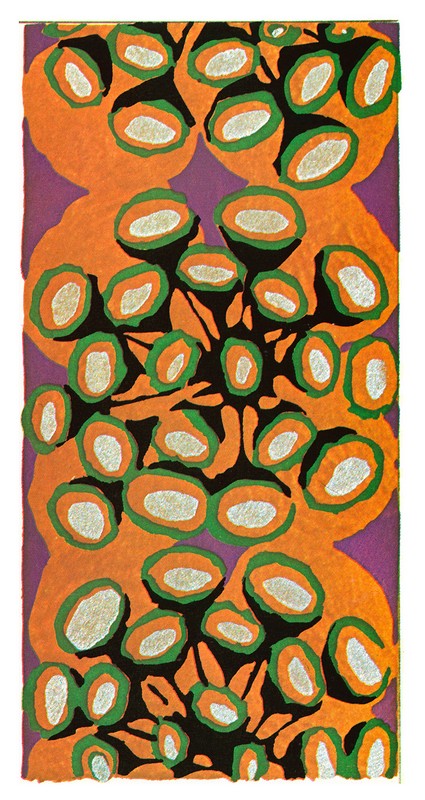
Seguy Art Deco Designs 113

28 Saturday Mar 2020

SeguyTR-113.jpg

Posted by RichardB | Filed under Seguy Art Deco Designs

≈ Comments Off on Seguy Art Deco Designs 113

Image

Ant Coloring Page

28 Saturday Mar 2020

Tags

Ant Coloring Page

CPIT-Ant-TR.jpg

Posted by RichardB | Filed under Coloring Pages

≈ Comments Off on Ant Coloring Page

Some Wolf Pups Show Innate Fetching Talent

27 Friday Mar 2020

Posted by RichardB in dogs, Uncategorized

≈ Comments Off on Some Wolf Pups Show Innate Fetching Talent

Tags

wolf

Some wolf pups will play fetch with a stranger, suggesting that an ability to playfully interact with people could have come before, and played a role in, dog domestication.

Read or listen to the entire article at Scientific American.

dogcloth.jpg

Emotional Intelligence

26 Thursday Mar 2020

Posted by RichardB in emotions, Positive Self Talk, Wellness

≈ Comments Off on Emotional Intelligence

I often work with groups using lists. In movement therapy as well as psychotherapy, educational and process oriented groups lists are a great structure for groups to explore thoughts, and/or feelings. Here is a list that often comes up in groups ten suggestions about feelings.
1. Become emotionally literate. Label your feelings, rather than labeling people or situations.
Use three word sentences beginning with “I feel”.
Start labeling feelings; stop labeling people & situations
“I feel impatient.” vs “This is ridiculous.” I feel hurt and bitter”. vs. “You are an insensitive jerk.”
“I feel afraid.” vs. “You are driving like an idiot.”
2. Distinguish between thoughts and feelings.
Thoughts: I feel like…& I feel as if…. & I feel that
Feelings: I feel: (feeling word)
3. Take more responsibility for your feelings.
“I feel jealous.” vs. “You are making me jealous.”
Analyze your own feelings rather than the action or motives of other people. Let your feelings help you identify your unmet emotional needs.
4. Use your feelings to help make decisions
“How will I feel if I do this?” “How will I feel if I don’t?”
“How do I feel?” “What would help me feel better?”
Ask others “How do you feel?” and “What would help you feel better?”
5. Use feelings to set and achieve goals
– Set feeling goals. Think about how you want to feel or how you want others to feel. (your employees, your clients, your students, your children, your partner)
– Get feedback and track progress towards the feeling goals by periodically measuring feelings from 0-10. For example, ask clients, students, teenagers how much they feel respected from 0 to 10.
6. Feel energized, not angry.
Use what others call “anger” to help feel energized to take productive action.
7. Validate other people’s feelings.
Show empathy, understanding, and acceptance of other people’s feelings.
8. Use feelings to help show respect for others.
How will you feel if I do this? How will you feel if I don’t? Then listen and take their feelings into consideration.
9. Don’t advise, command, control, criticize, judge or lecture to others.
Instead, try to just listen with empathy and non-judgment.
10. Avoid people who invalidate you.
While this is not always possible, at least try to spend less time with them, or try not to let them have psychological power over you.

Problem solving

26 Thursday Mar 2020

Posted by RichardB in brain, creative

≈ Comments Off on Problem solving

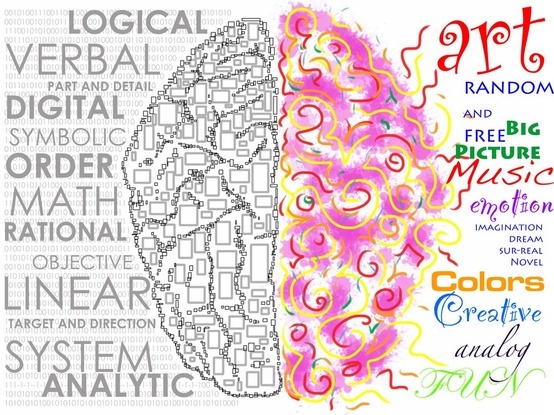
Characteristics that typically distinguish insight from “noninsight” solutions, people feel stuck before insight strikes; they can’t explain how they solved the problem and might say they were not even thinking about it; the solution appears suddenly and is immediately seen as correct. But are the neural processes involved in arriving at a solution through insight actually distinct from those related to more mundane problem-solving?
Recent findings suggest that people think about solutions, at an unconscious level, prior to solving insight problems, and that the right cerebral hemisphere (RH) appears to be preferentially involved. Jung-Beeman et al. predicted that a particular region of the RH, called the anterior superior temporal gyrus (aSTG), is likely involved in insight because it seems critical for tasks that require recognizing broad associative semantic relationships—exactly the type of process that could facilitate reinterpretation of problems and lead to insight.
Problem-solving involves a complex cortical network to encode, retrieve, and evaluate information, but these results show that solving verbal problems with insight requires at least one additional component. Further, the fact that the effect occurred in RH aSTG suggests what that process may be: integration of distantly related information. Distinct neural processes, the authors conclude, underlie the sudden flash of insight that allows people to “see connections that previously eluded them.”

circle of stones

25 Wednesday Mar 2020

Posted by RichardB in Aung San Suu Kyi, Circle, quote

≈ Comments Off on circle of stones

Tags

Circle, photo

“It is undeniably easier to ignore the hardships of those who are too weak to demand their rights than to respond sensitively to their needs. To care is to accept responsibility, to dare to act in accordance with the dictum that the ruler is the strength of the helpless.” Aung San Suu Kyi

PhotoMix-0024.jpg


Evidence based Yoga

24 Tuesday Mar 2020

Posted by RichardB in Wellness, Yoga

≈ Comments Off on Evidence based Yoga

Yoga is a mind and body practice in complementary medicine with origins in ancient Indian philosophy. 
Carpal tunnel syndrome A randomized, single-blind controlled trial of 42 patients with carpal tunnel syndrome assigned subjects to either a yoga treatment group or a wrist splint group, each 8 weeks in duration. Twice a week, the yoga group practiced postures specifically designed to strengthen and stretch each joint in the upper body. Yoga participants showed improvement in grip strength, pain levels, and Phalen’s sign when compared to the wrist splint group. Nerve conduction studies were not performed.15 A Cochrane review of 21 trials that evaluated the clinical outcome of nonsurgical treatment of carpal tunnel syndrome reported that 8 weeks of yoga practice significantly reduced pain as compared to wrist splinting. The yoga was described as having a “significant short-term benefit,” though the duration of this benefit is unknown.16

Depression A 2004 review of five RCTs that evaluated yoga-based interventions for depression and depressive disorders showed some positive outcomes and no adverse effects on patients’ mild to severe depressive disorders. However, poor study design and incomplete methodologic reporting makes this interpretation preliminary.17 An RCT studying 7 weeks of yoga training in a group of breast cancer survivors showed positive changes in emotional function, depression, and mood disturbance.18 “Yoga and stress management” (in the online version of this article) provides more information on this study and others involving the effects of yoga on stress.

Irritable bowel syndrome In an RCT, treatment with loperamide (Imodium) was compared to treatment with a series of 12 yoga postures practiced twice a day for 2 months in a small sample of patients with clinically diagnosed irritable bowel syndrome. Patients underwent measurement of surface electrogastrography, and trait and state anxiety tests were administered before, during, and up to 2 months after treatment. Both intervention groups demonstrated a decrease in bowel symptoms and state anxiety.19

Menopausal symptoms In a recent pilot study, 14 postmenopausal women reported via interview and questionnaire a decrease in the severity and frequency of hot flushes after 8 weeks of 90-minute “restorative yoga” classes. Although this initial finding sounds encouraging, this trial had no control group or objective parameter measurements.20 An RCT studying postmenopausal sleep quality divided 164 women into groups who participated in either 4 months of low-intensity yoga, a moderate-intensity walking program, or a wait-list control group. This study reported no statistically significant interventional effects of any treatment on total sleep quality or on any individual sleep quality domain.21

Multiple sclerosis An RCT of 57 subjects with clinically defined multiple sclerosis were assigned to weekly Iyengar yoga class plus home practice, a cycling program, or a wait-list control group for 6 months. Results showed that both active interventions produced significant improvement in perceived levels of energy and reduced fatigue; however, the specific effects of the yoga practice were not isolated.22 Osteoarthritis In a pilot study, 11 deconditioned, yoga naive subjects with a clinical diagnosis of knee osteoarthritis showed improvements in pain and knee stiffness after 8 weeks of yoga training. The group performed modified Iyengar yoga sessions once a week.23

Seizure disorders In 2000, a systematic review of the published literature revealed that only one study was able to meet the selection criteria for reliable research design. The reviewers concluded that no available evidence pointed to yoga therapy as an efficacious treatment for epilepsy.24
Strength and flexibility In a recent study on the fitness related effects of hatha yoga, 10 yoga-naïve and previously untrained subjects aged 18 to 27 years participated in 85 minutes of pranayama and hatha yoga practice twice a week for 8 weeks. These subjects showed significant improvement in upper and lower body muscular strength, endurance, and flexibility. No statistically significant change in body composition or pulmonary function was observed.13
In a partial RCT with a longer time frame, 54 subjects aged 20 to 25 years participated in either 5 months of yoga instruction or no activity. After that time period, both groups practiced yoga for an additional 5 months. The group practicing 10 months of yoga showed significant improvements in shoulder, trunk, hip, and neck flexibility, as well as a reported improved performance during submaximal exercise testing.25
A well-executed study compared subjects who underwent 24 hours of hatha yoga classes over 8 weeks with a control group. The yoga training group showed a 13% to 35% improvement in flexibility, balance, and muscular endurance. The authors concluded that hatha yoga practice has significant effects on balance and flexibility.26

REFERENCES

1. Tindle HA, Davis RB, Phillips RS, Eisenberg DM. Trends in use of complementary and alternative medicine by US adults: 1997-2002. Altern Ther Health Med. 2005;11(1):42-49.
2. Carrico M. Yoga Journal’s Yoga Basics: The Essential Beginner’s Guide to Yoga for a Lifetime of Health and Fitness. New York, NY: Henry Holt and Company; 1997.
3. Nayak NN, Shankar K. Yoga: a therapeutic approach. Phys Med Rehabil Clin N Am. 2004;15(4): 783-798, vi.
4. Innes KE, Bourguignon C, Taylor AG. Risk indices associated with the insulin resistance syndrome, cardiovascular disease, and possible protection with yoga: a systematic review.J Am Board Fam Pract. 2005;18(6):491-519.
5. Raub JA. Psychophysiologic effects of Hatha yoga on musculoskeletal and cardiopulmonary function: a literature review. J Altern Complement Med. 2002;8(6):797-812.
6. Luskin FM, Newell KA, Griffith M, et al. A review of mind-body therapies in the treatment of musculoskeletal disorders with implications for the elderly. Altern Ther Health Med. 2000;6(2): 46-56.
7. Jensen PS, Kenny DT. The effects of yoga on the attention and behavior of boys with attentiondeficit/ hyperactivity disorder (ADHD). J Atten Disord. 2004;7(4):205-216.
8. Kirkwood G, Rampes H, Tuffrey V, et al. Yoga for anxiety: a systematic review of the research evidence. Br J Sports Med. 2005;39(12):884-891.
9. Krisanaprakornkit T, Krisanaprakornkit W, Piyavhatkul N, Laopaiboon M. Meditation therapy for anxiety disorders. Cochrane Database Syst Rev. 2006;(1):CD004998.
10. Sabina AB, Williams AL, Wall HK, et al. Yoga intervention for adults with mild-to-moderate asthma: a pilot study. Ann Allergy Asthma Immunol. 2005;94(5):543-548.
11. Vendanthan PK, Kesavalu LN, Murthy KC, et al. Clinical study of yoga techniques in university students with asthma: a controlled study. Allergy Asthma Proc. 1998;19(1):3-9.
12. Sherman KJ, Cherkin DC, Erro J, et al. Comparing yoga, exercise, and a self-care book for chronic low back pain: a randomized, controlled trial. Ann Intern Med. 2005;143(12):849-856.
13. Tran MD, Holly RG, Lashbrook J, Amsterdam EA. Effects of Hatha yoga practice on the healthrelated aspects of physical fitness. Prev Cardiol. 2001;4(4):165-170.
14. Clay CC, Lloyd LK, Walker JL, et al. The metabolic cost of Hatha yoga. J Strength Cond Res. 2005;19(3):604-610.
15. Garfinkel MS, Singhal A, Katz WA, et al. Yoga-based intervention for carpal tunnel syndrome: a randomized trial. JAMA. 1998;280(18):1601-1603.
16. O’Connor D, Marshall S, Massy-Westropp N. Nonsurgical treatment (other than steroid injection) for carpal tunnel syndrome. Cochrane Database Syst Rev. 2003(1):CD003219.
17. Pilkington K, Kirkwood G, Rampes H, Richardson J. Yoga for depression: the research evidence. J Affect Disord. 2005;89(1-3):13-24.
18. Culos-Reed SN, Carlson LE, Daroux LM, Hately-Aldous S. A pilot study of yoga for breast cancer survivors: physical and psychological benefits. Psycho Oncol. 2006;15(10):891-897.
19. Taneja I, Deepak KK, Poojary G, et al. Yogic versus conventional treatment in diarrheapredominant irritable bowel syndrome: a randomized control study. Appl Psychophysiol Biofeedback. 2004;29(1):19-33.
20. Cohen BE, Kanaya AM, Macer JL, et al. Feasibility and acceptability of restorative yoga for treatment of hot flushes: a pilot trial. Maturitas. 2007;56(2):198-204.
21. Elavsky S, McAuley E. Lack of perceived sleep improvement after 4-month structured exercise programs. Menopause. 2007;14(3, pt 1):535-540.
22. Oken BS, Kishiyama S, Zajdel D, et al. Randomized controlled trial of yoga and exercise in multiple sclerosis. Neurology. 2004;62(11):2058-2064.
23. Kolasinski SL, Garfinkel M, Tsai AG, et al. Iyengar yoga for treating symptoms of osteoarthritis of the knees: a pilot study. J Altern Complement Med. 2005;11(4):689-693.
24. Ramaratnam S, Sridharan K. Yoga for epilepsy. Cochrane Database Syst Rev. 2000(3):CD001524.
25. Ray US, Mukhopadhyaya S, Purkayastha SS, et al. Effect of yogic exercises on physical and mental health of young fellowship course trainees. Indian J Physiol Pharmacol. 2001;45(1):37-53.
26. Boehde D, Porcari JP, Greany J, et al. The physiological effects of 8 weeks of yoga training. J Cardiopulm Rehabil. 2005;25(5):290.

Meditation for as short as 8 weeks can change your brain

24 Tuesday Mar 2020

Posted by RichardB in change, creative, Meditation

≈ Comments Off on Meditation for as short as 8 weeks can change your brain

Tags

change, Creativity

1378006_10151699852947169_1244682694_nParticipants in the study spent close to a half-hour every day meditating or practicing some other mindfulness exercise (notable because most people associate meditation with sitting and thinking quietly, and that’s not the only type of exercise done in the study) for about eight weeks. They got MRIs of their brains before and after the eight week exercise, and when the study was over, many of the study’s 16 participants showed significant changes in the areas of the brain associated with behavior, memory, and stress. For more click the link below.

http://lifehacker.com/5989078/how-meditating-for-eight-weeks-can-boost-your-brain

Top Songs I listened to in 2019: Marco Mares – Con Altura

23 Monday Mar 2020

Posted by RichardB in Music, YouTube

≈ Comments Off on Top Songs I listened to in 2019: Marco Mares – Con Altura

Tags

Marco Mares, music, youtube

Marco Mares is a pop singer. He was born on September 24 in Mexico City, Mexico. He is known for such as “Besayúname” and “Flaquita”. His first album was named “Para lala”,released in 2014.

I have a 16,000 plus digital audio collection and I use Media Monkey to manage my files. One feature of Media Monkey is you can sort your collection based on the number of times played. This playlist is based on the top music and/or music video files I played/listened/streamed from my server in 2019. Complete Playlist HERE

light and sight

22 Sunday Mar 2020

Posted by RichardB in light, sight

≈ Comments Off on light and sight

Tags

rumi

“In your light I learn how to love. In your beauty, how to make poems. You dance inside my chest where no-one sees you, but sometimes I do, and that sight becomes this art.”  Rumi


Image

sun snow branches

22 Sunday Mar 2020

Tags

My Photos

Winter-0073-sm.JPG

Posted by RichardB | Filed under My Photos

≈ Comments Off on sun snow branches

Image

Japanese Textile Designs 116

21 Saturday Mar 2020

JapanTR-116.jpg

Posted by RichardB | Filed under Japanese Textile Designs

≈ Comments Off on Japanese Textile Designs 116

Image

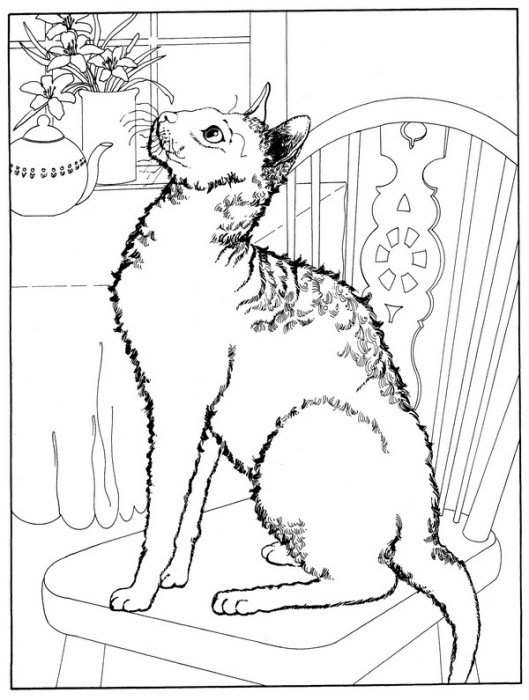
Aphrodite Coloring Page

21 Saturday Mar 2020

Tags

Aphrodite Coloring Page

CPGD-Aphrodite1-TR.jpg

Posted by RichardB | Filed under Coloring Pages

≈ Comments Off on Aphrodite Coloring Page

Feral Dogs Respond to Human Hand Cues

20 Friday Mar 2020

Posted by RichardB in dogs, Uncategorized

≈ Comments Off on Feral Dogs Respond to Human Hand Cues

Tags

feral dogs, humans

Most feral dogs that did not run away from humans were able to respond to hand cues about the location of food—even without training.
Read or listen to the article at Scientific American.

botdogs.jpg

Standford Med: Why We Get Fat: Diet Trends and Food Policy

19 Thursday Mar 2020

Posted by RichardB in food, Health, Wellness

≈ Comments Off on Standford Med: Why We Get Fat: Diet Trends and Food Policy

Tags

diet, stanford medical, trends, youtube

problem-solving: day dream answers

19 Thursday Mar 2020

Posted by RichardB in creative, daydreaming

≈ Comments Off on problem-solving: day dream answers

Intention (the problem), Resources, Daydream, Create.
Intention/Idea Paper pattern on canvas
Paper: Types of hand made paper, thickness, size, consistency of paper (smooth/coarse).
Canvas: Size, color, back ground, detail
Paper: design of shape, placement, pattern
There are distinctive stages in creative problem-solving. The first stage is preparation,  gathering resources. Searching out any information that might be relevant. The key to this stage is open mindedness, letting your imagination roam free. Being receptive, being able to listen openly and well, to move beyond self censorship and judgment.
Once you have mulled over all the parts and pieces you have gathered let the problem simmer. This is the incubation stage, when you digest all you have gathered. It’s a stage when much of what goes on occurs outside your focused awareness, in the unconscious. As the saying goes, “You sleep on it.”
The unconscious mind is far more suited to creative insight than the conscious mind. Ideas are free to recombine with other ideas in novel patterns and unpredictable associations. It is also the storehouse of everything you know, including things you can’t readily call into awareness. Further, the unconscious speaks to us in ways that go
beyond words, including the rich feelings and deep imagery of the senses.
We are more open to insights from the unconscious mind when we are not thinking of anything in particular. That is why daydreams are so useful in the quest for creativity. Anytime you can just daydream and relax is useful in the creative process: a shower, long drives, a quiet walk.


With time, immersion and daydreaming can lead to illumination, when all of a sudden the answer comes to you as if from nowhere
← Older posts
Newer posts →

instagram

Follow RichardbBrunner on WordPress.com
  • Tumblr
  • YouTube

Create a free website or blog at WordPress.com.

Privacy & Cookies: This site uses cookies. By continuing to use this website, you agree to their use.
To find out more, including how to control cookies, see here: Cookie Policy
  • Subscribe Subscribed
    • RichardbBrunner
    • Join 492 other subscribers
    • Already have a WordPress.com account? Log in now.
    • RichardbBrunner
    • Subscribe Subscribed
    • Sign up
    • Log in
    • Report this content
    • View site in Reader
    • Manage subscriptions
    • Collapse this bar
 

Loading Comments...