• Home
  • Music
  • About
  • Contact
  • CreativeTherapyTools.com

RichardbBrunner

~ creative arts therapist

RichardbBrunner

Author Archives: RichardB

Types of Depression

25 Wednesday Dec 2019

Posted by RichardB in Depression, Uncategorized

≈ 2 Comments

Tags

depression

Whether you’re a college student in the middle of a major slump, a new mom who can’t pinpoint why she’s feeling so glum, or a retiree grieving over the loss of a loved one, that question isn’t an easy one to answer.21789-113979.jpg
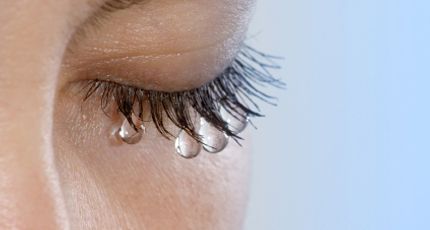
But there’s one thing for sure: “It is much more than just a sad mood,” said Angelos Halaris, MD, a professor of psychiatry and medical director of adult psychiatry at the Loyola University Medical Center in Chicago. Symptoms may include everything from hopelessness and fatigue to physical pain. And just as symptoms vary from person to person, so do the actual diagnoses. The word depression is actually just an umbrella term for a number of different forms, from major depression to atypical depression to dysthymia.

The most common form of depression? Major depression. In fact, about 7 percent of the adult U.S. population has this debilitating mental health condition at any given time, according to the National Institute of Mental Health (NIMH).

If you’re experiencing major depression, you may feel and see symptoms of extreme sadness, hopelessness, lack of energy, irritability, trouble concentrating, changes in sleep or eating habits, feelings of guilt, physical pain, and thoughts of death or suicide — and for an official diagnosis, your symptoms must last for more than two weeks. In some instances, a person might only experience one episode of major depression, but the condition tends to recur throughout a person’s life.

The best treatment is usually with antidepressant medications, explained Dr. Halaris, but talk therapy may also be used to treat depression. And there’s good news: An estimated 80 to 90 percent of people with major depression respond well to treatment.

About 2 percent of the American population has a form of depression that’s less severe than major depression, but is still very real — dysthymia.

Dysthymia is a type of depression that causes a low mood over a long period of time — perhaps for a year or more, explained Halaris. “People can function adequately, but not optimally.” Symptoms include sadness, trouble concentrating, fatigue, and changes in sleep habits and appetite.

This depression usually responds better to talk therapy than to medications, though some studies suggest that combining medication with talk therapy may lead to the greatest improvement. People with dysthymia may also be at risk for episodes of major depression.

A whopping 85 percent of new moms feel some sadness after their baby is born — but for up to 16 percent of women, that sadness is serious enough to be diagnosable.5241352878_f53a343088.jpg

Postpartum depression is characterized by feelings of extreme sadness, fatigue, loneliness, hopelessness, suicidal thoughts, fears about hurting the baby, and feelings of disconnect from the child. It can occur anywhere from weeks to months after childbirth, and Halaris explained it most always develops within a year after a woman has given birth.

“It needs prompt and experienced medical care,” he said — and that may include a combination of talk and drug therapy.

Would you prefer to hibernate during the winter than face those cold, dreary days? Do you tend to gain weight, feel blue, and withdraw socially during the season?

You could be one of 4 to 6 percent of people in the United States estimated to have seasonal affective disorder, or SAD. Though many people find themselves in winter funks, SAD is characterized by symptoms of anxiety, increased irritability, daytime fatigue, and weight gain. This form of depression typically occurs in winter climates, likely due to the lessening of natural sunlight. “We don’t really know why some people are more sensitive to this reduction in light,” said Halaris. “But symptoms are usually mild, though they can be severe.”

This depression usually starts in early winter and lifts in the spring, and it can be treated with light therapy or artificial light treatment.

Despite its name, atypical depression is not unusual. In fact, it may be one of the most common types of depression — and some doctors even believe it is underdiagnosed.

“This type of depression is less well understood than major depression,” explained Halaris. Unlike major depression, a common sign of atypical depression is a sense of heaviness in the arms and legs — like a form of paralysis. However, a study published in the Archives of General Psychiatry (now known as JAMA Psychiatry) found that oversleeping and overeating are the two most important symptoms for diagnosing atypical depression. People with the condition may also gain weight, be irritable, and have relationship problems.

Some studies show that talk therapy works well to treat this kind of depression.

Psychosis — a mental state characterized by false beliefs, known as delusions, or false sights or sounds, known as hallucinations — doesn’t typically get associated with depression. But according to the National Alliance on Mental Illness, about 20 percent of people with depression have episodes so severe that they see or hear things that are not really there.

“People with this psychotic depression may become catatonic, not speak, or not leave their bed,” explained Halaris. Treatment may require a combination of antidepressant and antipsychotic medications. A review of 10 studies concluded that it may be best to start with an antidepressant drug alone and then add an antipsychotic drug if needed. Another review, however, found the combination of medications was more effective than either drug alone in treating psychotic depression.

If your periods of extreme lows are followed by periods of extreme highs, you could have bipolar disorder (sometimes called manic depressive disorder because symptoms can alternate between mania and depression).

Symptoms of mania include high energy, excitement, racing thoughts, and poor judgment. “Symptoms may cycle between depression and mania a few times per year or much more rapidly,” Halaris said. “This disorder affects about 2 to 3 percent of the population and has one of the highest risks for suicide.” Bipolar disorder has four basic subtypes: bipolar I (characterized by at least one manic episode); bipolar II (characterized by hypomanic episodes — which are milder — along with depression); cyclothymic disorder; and other specified bipolar and related disorder.

People with bipolar disorder are typically treated with drugs called mood stabilizers.

Premenstrual dysphoric disorder, or PMDD, is a type of depression that affects women during the second half of their menstrual cycles. Symptoms include depression, anxiety, and mood swings. Unlike premenstrual syndrome (PMS), which affects up to 85 percent of women and has milder symptoms, PMDD affects about 5 percent of women and is much more severe.

“PMDD can be severe enough to affect a woman’s relationships and her ability to function normally when symptoms are active,” said Halaris. Treatment may include a combination of depression drugs as well as talk and nutrition therapies.

Also called adjustment disorder, situational depression is triggered by a stressful or life-changing event, such as job loss, the death of a loved one, trauma — even a bad breakup.

Situational depression is about three times more common than major depression, and medications are rarely needed — that’s because it tends to clear up over time once the event has ended. However, that doesn’t mean it should be ignored: Symptoms of situational depression may include excessive sadness, worry, or nervousness, and if they don’t go away, they may become warning signs of major depression.


Image

Happy Dogs !!

25 Wednesday Dec 2019

hipsterdog.jpg

Posted by RichardB | Filed under Creative Therapy Tools

≈ Comments Off on Happy Dogs !!

The Creative Life and Well-Being

24 Tuesday Dec 2019

Posted by RichardB in creative, Creativity, Health, Intuition

≈ Comments Off on The Creative Life and Well-Being

The Creative Life is full of new possibilities, discoveries, exploration, experimentation, self-expression, and invention. It’s a habit, a way of being, a style of existing. But is the Creative Life full of well-being?
Depends on how you define well-being.
In recent years, psychologists have taken a deeper look at well-being. The traditional approach to well-being focuses on hedonic pleasures and positive emotions. However, while positive emotions often accompany happiness, the mere experience of positive emotions is not necessarily an indicator of happiness, and the presence of negative emotions doesn’t necessarily decrease one’s well-being. This deeper approach to well-being, often described as “eudaimonic well-being”, focuses on living life in a full and deeply satisfying way.
What are the dimensions of eudaimonic well-being? Psychologist Carol Ryff makes the case for no less than six dimensions of eudaimonia:

  1.  Autonomy (“I have confidence in my opinions, even if they are contrary to the general consensus“)
  2. Environmental mastery (“I am quite good at managing the many responsibilities of my daily life”)
  3. Personal growth (“I think it is important to have new experiences that challenge how you think about yourself and the world”)
  4. Positive relations with others (“People would describe me as a giving person, willing to share my time with others”)
  5. Purpose in life (“Some people wander aimlessly through life, but I am not one of them”)
  6. Self-acceptance (“I like most aspects of my life”)

See more at: http://www.creativitypost.com/psychology/the_creative_life_and_well_being

Gene expression changes with meditation

23 Monday Dec 2019

Posted by RichardB in article, Meditation, mindfulness

≈ Comments Off on Gene expression changes with meditation

Tags

article, mindfulness, study

With evidence growing that meditation can have beneficial health effects, scientists have sought to understand how these practices physically affect the body.

A new study by researchers in Wisconsin, Spain, and France reports the first evidence of specific molecular changes in the body following a period of mindfulness meditation. The study investigated the effects of a day of intensive mindfulness practice in a group of experienced meditators, compared to a group of untrained control subjects who engaged in quiet non-meditative activities. After eight hours of mindfulness practice, the meditators showed a range of genetic and molecular differences, including altered levels of gene-regulating machinery and reduced levels of pro-inflammatory genes, which in turn correlated with faster physical recovery from a stressful situation.

“To the best of our knowledge, this is the first paper that shows rapid alterations in gene expression within subjects associated with mindfulness meditation practice,” says study author Richard J. Davidson, founder of the Center for Investigating Healthy Minds and the William James and Vilas Professor of Psychology and Psychiatry at the University of Wisconsin-Madison.

“Most interestingly, the changes were observed in genes that are the current targets of anti-inflammatory and analgesic drugs,” says Perla Kaliman, first author of the article and a researcher at the Institute of Biomedical Research of Barcelona, Spain (IIBB-CSIC-IDIBAPS), where the molecular analyses were conducted.

The study was published in the journal Psychoneuroendocrinology.

Mindfulness-based trainings have shown beneficial effects on inflammatory disorders in prior clinical studies. The new results provide a possible biological mechanism for therapeutic effects.

The results show a down-regulation of genes that have been implicated in inflammation. The affected genes include the pro-inflammatory genes RIPK2 and COX2 as well as several histone deacetylase (HDAC) genes, which regulate the activity of other genes epigenetically by removing a type of chemical tag. What’s more, the extent to which some of those genes were downregulated was associated with faster cortisol recovery to a social stress test involving an impromptu speech and tasks requiring mental calculations performed in front of an audience and video camera.

Perhaps surprisingly, the researchers say, there was no difference in the tested genes between the two groups of people at the start of the study. The observed effects were seen only in the meditators following mindfulness practice. In addition, several other DNA-modifying genes showed no differences between groups, suggesting that the mindfulness practice specifically affected certain regulatory pathways.

However, it is important to note that the study was not designed to distinguish any effects of long-term meditation training from those of a single day of practice. Instead, the key result is that meditators experienced genetic changes following mindfulness practice that were not seen in the non-meditating group after other quiet activities — an outcome providing proof of principle that mindfulness practice can lead to epigenetic alterations of the genome.

Previous studies in rodents and in people have shown dynamic epigenetic responses to physical stimuli such as stress, diet, or exercise within just a few hours.

“Our genes are quite dynamic in their expression and these results suggest that the calmness of our mind can actually have a potential influence on their expression,” Davidson says.

“The regulation of HDACs and inflammatory pathways may represent some of the mechanisms underlying the therapeutic potential of mindfulness-based interventions,” Kaliman says. “Our findings set the foundation for future studies to further assess meditation strategies for the treatment of chronic inflammatory conditions.”

Study funding came from National Center for Complementary and Alternative Medicine (grant number P01-AT004952) and grants from the Fetzer Institute, the John Templeton Foundation, and an anonymous donor to Davidson. The study was conducted at the Center for Investigating Healthy Minds at the UW-Madison Waisman Center.

Journal Reference:

Perla Kaliman, María Jesús Álvarez-López, Marta Cosín-Tomás, Melissa A. Rosenkranz, Antoine Lutz, Richard J. Davidson. Rapid changes in histone deacetylases and inflammatory gene expression in expert meditators.Psychoneuroendocrinology, 2014; 40: 96 DOI: 10.1016/j.psyneuen.2013.11.004

The Soul Movers – Deep In The South

23 Monday Dec 2019

Posted by RichardB in Music, youtube

≈ Comments Off on The Soul Movers – Deep In The South

Tags

music, The Soul Movers, youtube

Image

Seguy Art Deco Designs 115

21 Saturday Dec 2019

SeguyTR-115.jpg

Posted by RichardB | Filed under Seguy Art Deco Designs

≈ Comments Off on Seguy Art Deco Designs 115

Image

Cedar Waxwing Coloring Page

21 Saturday Dec 2019

Tags

Cedar Waxwing Coloring Page

CPBD-Cedar Waxwing-TR.jpg

Posted by RichardB | Filed under Coloring Pages

≈ Comments Off on Cedar Waxwing Coloring Page

the mistakes of others

20 Friday Dec 2019

Posted by RichardB in Addiction, changing

≈ Comments Off on the mistakes of others

Tags

Creativity

“You must learn from the mistakes of others. You can’t possibly live long enough to make them all yourself.”  Sam Levenson

nature-25.jpg

ourselves

20 Friday Dec 2019

Posted by RichardB in photo, quote, Richard Rohr

≈ Comments Off on ourselves

Tags

ourselves

“We do not think ourselves into new ways of living, we live ourselves into new ways of thinking.” Richard Rohr

j0427683.jpg

Grounding

19 Thursday Dec 2019

Posted by RichardB in grounding, Handout, Health, mental health, Psychoeducation, Therapy

≈ Comments Off on Grounding

Tags

grounding, handouts, health, list

Grounding Techniques are activities you use when you feel overwhelmed by feelings, thoughts, sensations. These techniques help a person move their focus away from what is overwhelming them to something else. That something else is preferable healthy and supportive to their wellbeing. Below is a list that clients and patients have mentioned over the years of things they do that help them ground.

  • Get ice or ice water
  • Breathe – slow and deep, like blowing up a balloon.
  • Take your shoes off and rub your feet on the ground.
  • Open your eyes and look around. See yourself in a different place than.
  • Move around. Feel your body. Stretch out your arms, hands, fingers.
  • Peel an orange or a lemon. Notice the smell. Take a bite. Focus on the taste.
  • Pet your cat, dog or rabbit.
  • Spray yourself with favorite perfume.
  • Eat ice cream! Or any favorite food. Pay attention to the taste.
  • Call a friend.
  • Take a shower.
  • Take a bath.
  • Go for a walk. Feel the sunshine (or rain, or snow!)
  • Count nice things.
  • Dig in the dirt in your garden.
  • Turn lights on.
  • Play your favorite music.
  • Hug a tree!
  • Touch things around you.
  • Frozen Orange – put your nails into it – the cold and the smell can bring you back
  • Pull up the daily newspaper on your browser. Notice the date and read a current article.
  • Stomp your feet to remind yourself where you are. Press your feet firmly into the ground.
  • Try to notice where you are, your surroundings including people, sounds like the t.v. or radio.
  • Concentrate on your breathing. Take a deep cleansing breath from your diaphragm. Count the breaths as you exhale. Make sure you breath slowly so you don’t hyperventilate.
  • Cross your legs and arms. Feel the sensations of you controlling your body.
  • Call a friend and ask them to talk with you about something you have recently done together.
  • Take a warm relaxing bubble bath or a warm shower. Feel the water touching your body.
  • Mentally remind yourself that the memory was then, and it is over. Give yourself permission to not think about it right now.
  • Realize that no matter how small you feel, you are an adult.
  • Go outside and sit against a tree. Feel the bark pressing against your body. Smell the outside aromas like the grass and the leaves. Run your fingers through the grass.
  • If you are sitting, stand. If you are standing sit. Pay attention to the movement change. Reminding yourself — you are in control.
  • Rub your palms, clap your hands. Listen to the sounds. Feel the sensation.
  • Speak out loud. Say your name or significant others name.
  • Hold something that you find comforting, for some it may be a stuffed animal or a blanket. Notice how it feels in your hands. Is it hard or soft?
  • Eat something. How does it taste, sweet or sour? Is it warm or cold?
  • If you have a pet use that moment to touch them. Feel their fur and speak the animals name out loud.
  • Visualize a bright red STOP sign to help you stop the flashback and/or memory
  • Step outside. If it’s warm, feel the sun shining down on your face. If it’s cold, feel the breeze. How does it make your body feel?
  • Take a walk outside and notice your neighborhood. Pay attention to houses and count them.
  • Listen to familiar music and sing along to it. Dance to it.
  • Write in your journal. Pay attention to yourself holding the pencil. Write about what you are remembering and visualize the memory traveling out of you into the pencil and onto the paper. Tear the paper up or seal it in an envelope. Give it to your therapist for safekeeping.
  • Go online and talk with an online friend. Write an email.
  • Imagine yourself in a safe place. Feel the safety and know it.
  • Watch a favorite t.v. program or video. Play a video game.
  • If you have a garden, work in it. Feel your hands running through the dirt.
  • Wash dishes or clean your house.
  • Meditate if you are comfortable with it.
  • Exercise. Ride a bike, stationary or otherwise. Lift weights. Do jumping jacks.

creative thinking

18 Wednesday Dec 2019

Posted by RichardB in creative

≈ 1 Comment

When the task at hand requires some imagination, taking a walk may lead to more creative thinking than sitting, according to research published by the American Psychological Association.
“Many people anecdotally claim they do their best thinking when walking,” said Marily Oppezzo, PhD, of Santa Clara University. “With this study, we finally may be taking a step or two toward discovering why.”
While at Stanford University’s Graduate School of Education, Oppezzo and colleague Daniel L. Schwartz, PhD, conducted studies involving 176 people, mostly college students. They found that those who walked instead of sitting or being pushed in a wheelchair consistently gave more creative responses on tests commonly used to measure creative thinking, such as thinking of alternate uses for common objects and coming up with original analogies to capture complex ideas. When asked to solve problems with a single answer, however, the walkers fell slightly behind those who responded while sitting, according to the study published in APA’s Journal of Experimental Psychology: Learning, Memory and Cognition.
While previous research has shown that regular aerobic exercise may protect cognitive abilities, these

researchers examined whether simply walking could temporarily improve some types of thinking, such as free-flowing thought compared to focused concentration. “Asking someone to take a 30-minute run to improve creativity at work would be an unpopular prescription for many people,” Schwartz said. “We wanted to see if a simple walk might lead to more free-flowing thoughts and more creativity.”

Of the students tested for creativity while walking, 100 percent came up with more creative ideas in one experiment, while 95 percent, 88 percent and 81 percent of the walker groups in the other experiments had more creative responses compared with when they were sitting. If a response was unique among all responses from the group, it was considered novel. Researchers also gauged a participant’s total number of responses and whether a response was feasible and appropriate to the constraints of the task. For example, “Putting lighter fluid in soup is novel, but it is not very appropriate,” Oppezzo said.
In one experiment with 48 participants, each student sat alone in a small room at a desk facing a blank wall. When a researcher named an object, the student came up with alternative ways to use the object. For example, for the word “button,” a person might say “as a doorknob on a dollhouse.” The students heard two sets of three words and had four minutes per set to come up with as many responses as possible. To see how walking might affect more restricted thinking, the researchers also had the students complete a word association task with 15 three-word groups, such as “cottage-Swiss-cake,” for which the correct answer is “cheese.” Participants repeated both tasks with different sets of words first while sitting and then while walking at a comfortable pace on a treadmill facing a blank wall in the same room.
With a different group of 48 students, some sat for two different sets of the tests, some walked during two sets of the test and some walked and then sat for the tests. “This confirmed that the effect of walking during the second test set was not due to practice,” Oppezzo said. “Participants came up with fewer novel ideas when they sat for the second test set after walking during the first. However, they did perform better than the participants who sat for both sets of tests, so there was a residual effect of walking on creativity when people sat down afterward. Walking before a meeting that requires innovation may still be nearly as useful as walking during the meeting.”
Students who walked in another experiment doubled their number of novel responses compared with when they were sitting. The 40 students in this experiment were divided into three groups: One sat for two sets of tests but moved to separate rooms for each set; another sat and then walked on a treadmill; and one group walked outdoors along a predetermined path.
To see if walking was the source of creative inspiration rather than being outdoors, another experiment with 40 participants compared responses of students walking outside or inside on a treadmill with the responses of students being pushed in a wheelchair outside and sitting inside. Again, the students who walked, whether indoors or outside, came up with more creative responses than those either sitting inside or being pushed in a wheelchair outdoors. “While being outdoors has many cognitive benefits, walking appears to have a very specific benefit of improving creativity,” said Oppezzo.
More research will be necessary to explain how walking improves creativity, the authors said. They speculated that future studies would likely determine a complex pathway that extends from the physical act of walking to physiological changes to the cognitive control of imagination. “Incorporating physical activity into our lives is not only beneficial for our hearts but our brains as well. This research suggests an easy and productive way to weave it into certain work activities,” Oppezzo said.


Marily Oppezzo, Daniel L. Schwartz. Give your ideas some legs: The positive effect of walking on creative thinking.. Journal of Experimental Psychology: Learning, Memory, and Cognition, 2014; DOI:

The mindful way through depression

18 Wednesday Dec 2019

Posted by RichardB in Depression, mindfulness, practice, YouTube

≈ Comments Off on The mindful way through depression

Tags

meditation, mindfulness, youtube

Research as a graphic novel

17 Tuesday Dec 2019

Posted by RichardB in Uncategorized

≈ Comments Off on Research as a graphic novel

Research as a graphic novel or is it a graphic novel as research. Interesting article from The London School of Economics Impact of Social Sciences blog.

What would be a novel way of engaging people more people with research findings? Academics are wondering if traditional journal articles are still fit for purpose or if an injection of creativity is needed. Go to original post here.

bookies

TEDx:The Practice of Mindfulness

16 Monday Dec 2019

Posted by RichardB in Meditation, mindfulness, Wellness, YouTube

≈ Comments Off on TEDx:The Practice of Mindfulness

Tags

Education, mindfulness, practice, UCLA

Former Buddhist nun Diana Winston is the director of Mindfulness Education at UCLA Mindful Awareness Center, and the author of several books on mindfulness and meditation. With more than 20 years in the study and practice of mindfulness, Diana explains how routinely taking the time to be in the moment can have a profound impact on our everyday lives and relationships.

Lou Doillon – Nothings

16 Monday Dec 2019

Posted by RichardB in Music

≈ Comments Off on Lou Doillon – Nothings

Tags

Lou Doillon, music, youtube

Image

Japanese Textile Designs 131

14 Saturday Dec 2019

JapanTR-131.jpg

Posted by RichardB | Filed under Japanese Textile Designs

≈ Comments Off on Japanese Textile Designs 131

Image

Cardinal-Coloring Page

14 Saturday Dec 2019

Tags

Coloring Page

CPBD-Cardinal-TR.jpg

Posted by RichardB | Filed under Coloring Pages

≈ Comments Off on Cardinal-Coloring Page

our food

13 Friday Dec 2019

Posted by RichardB in Uncategorized

≈ Comments Off on our food

Tags

food, photo, quote

Mother Nature clearly intended for us to get our food from the “patty” group, which includes hamburgers, fish sticks, and McNuggets- foods that have had all of their organs safely removed. Dave Barry


photo of juicy burger on wooden surface

Photo by Valeria Boltneva on Pexels.com

learn

13 Friday Dec 2019

Posted by RichardB in learn

≈ 1 Comment

Tags

photo

“You must learn from the mistakes of others. You can’t possibly live long enough to make them all yourself.” Sam Levenson

pre-emtivecry.jpg

Men and Depression

12 Thursday Dec 2019

Posted by RichardB in Handout

≈ 2 Comments

Tags

depression, men

In my years f doing groups I have on occasion facilitated men only groups. One issue that comes up is depression. We all have bouts of sadness now and then and when those bouts of sadness interfere with our daily lives than we need to take a step in the direction of change. Below is a handout I often use, particularly with dual diagnosed men.

msclip-140.jpg

Symptoms of Depression

Not everyone who is depressed or manic experiences every symptom. Some people experience only a few; some people suffer many. The severity of symptoms varies among individuals and also over time.

· Persistent sad, anxious, or “empty” mood.

· Feelings of hopelessness or pessimism.

· Feelings of guilt, worthlessness, or helplessness.

· Loss of interest or pleasure in hobbies and activities that were once enjoyable

· Decreased energy, fatigue; feeling “slowed down.”

· Difficulty concentrating, remembering, or making decisions.

· Trouble sleeping, early-morning awakening, or oversleeping.

· Changes in appetite and/or weight.

· Thoughts of death or suicide, or suicide attempts.

· Restlessness or irritability.

· Persistent physical symptoms, such as headaches, digestive disorders, and chronic pain that do not respond to routine treatment.

Co-Occurrence of Depression with Other Illnesses

Depression can coexist with other illnesses. In such cases, it is important that the depression and each co-occurring illness be appropriately diagnosed and treated. Research has shown that anxiety disorders which include post-traumatic stress disorder (PTSD), obsessive-compulsive disorder, panic disorder, social phobia, and generalized anxiety disorder commonly accompany depression.

Substance use disorders (abuse or dependence) also frequently co-occur with depressive disorders. Research has revealed that people with drug and/or alcohol addiction are almost twice as likely to experience depression.

Depression has been found to occur at a higher rate among people who have other serious illnesses such as heart disease, stroke, cancer, HIV, diabetes, and Parkinson’s.

Causes of Depression

Very often, a combination of cognitive, genetic, and environmental factors is involved in the onset of depression. Modern brain-imaging technologies reveal that, in depression, neural circuits responsible for the regulation of moods, thinking, sleep, appetite, and behavior fail to function properly.

In some families, depressive disorders seem to occur generation after generation; however, they can also occur in people with no family history of these illnesses. Genetics research indicates that risk for depression results from the influence of specific multiple genes acting together with non-genetic factors.

Environmental factors such as trauma, loss of a loved one, a difficult relationship, financial problem, or any stressful change in life patterns, whether the change is unwelcome or desired, can trigger a depressive episode in vulnerable individuals. Once someone experiences a bout of depression later episodes of depression may occur without an obvious cause.

Men and Depression

Men are more likely than women to report alcohol and drug abuse or dependence in their lifetime; however, there is debate among researchers as to whether substance use is a “symptom” of underlying depression in men or a co-occurring condition that more commonly develops in men. Nevertheless, substance use can mask depression, making it harder to recognize depression as a separate illness that needs treatment.

Instead of acknowledging their feelings, asking for help, or seeking appropriate treatment, men may turn to alcohol or drugs when they are depressed, or become frustrated, discouraged, angry, irritable, and, sometimes, violently abusive. Some men deal with depression by throwing themselves compulsively into their work, attempting to hide their depression from themselves, family, and friends. Other men may respond to depression by engaging in reckless behavior, taking risks, and putting themselves in harm’s way.msclip-139.jpg

How to Help Yourself if You Are Depressed

Depressive disorders can make one feel exhausted, worthless, helpless, and hopeless. It is important to realize that these negative views are part of the depression and do not accurately reflect the actual circumstances. Negative thinking fades as treatment begins to take effect. In the meantime:

  • Engage in mild exercise. Go to a movie, a ballgame, or participate in religious, social, AA/NA meetings or other healthy activities.
  • Set realistic goals and assume a reasonable amount of responsibility.
  • Break large tasks into small ones, set some priorities, and what you can as you can.
  • Try to be with other people and to confide in someone; it is usually better than being alone and secretive.
  • Expect your mood to improve gradually, not immediately.
  • Feeling better takes time. Often during treatment of depression, sleep and appetite will begin to improve before depressed mood lifts.
  • Postpone important decisions. Before deciding to make a significant transition–change jobs, get married or divorced–discuss it with others who know you well and have a more objective view of your situation.
  • Do not expect to ‘snap out of’ a depression. But do expect to feel a little better day-by-day.
  • Remember, positive thinking will replace the negative thinking as your depression responds to treatment.
  • Let your family and friends help you.

msclip-139.jpg

← Older posts
Newer posts →

instagram

Follow RichardbBrunner on WordPress.com
  • Tumblr
  • YouTube

Create a free website or blog at WordPress.com.

Privacy & Cookies: This site uses cookies. By continuing to use this website, you agree to their use.
To find out more, including how to control cookies, see here: Cookie Policy
  • Subscribe Subscribed
    • RichardbBrunner
    • Join 492 other subscribers
    • Already have a WordPress.com account? Log in now.
    • RichardbBrunner
    • Subscribe Subscribed
    • Sign up
    • Log in
    • Report this content
    • View site in Reader
    • Manage subscriptions
    • Collapse this bar
 

Loading Comments...