• Home
  • Music
  • About
  • Contact
  • CreativeTherapyTools.com

RichardbBrunner

~ creative arts therapist

RichardbBrunner

Author Archives: RichardB

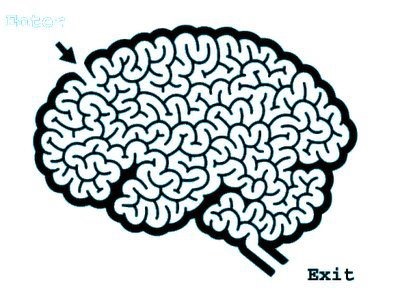
Art and brain science

28 Tuesday Jan 2020

Posted by RichardB in Uncategorized

≈ Comments Off on Art and brain science

Here is an interesting article from the NYT about the brain and art from a professor of brain science at Columbia University.:

…… The portraiture that flourished in Vienna at the turn of the 20th century is a good place to start. Not only does this modernist school hold a prominent place in the history of art, it consists of just three major artists — Gustav Klimt, Oskar Kokoschka and Egon Schiele — which makes it easier to study in depth.
As a group, these artists sought to depict the unconscious, instinctual strivings of the people in their portraits, but each painter developed a distinctive way of using facial expressions and hand and body gestures to communicate those mental processes.
Their efforts to get at the truth beneath the appearance of an individual both paralleled and were influenced by similar efforts at the time in the fields of biology and psychoanalysis. Thus the portraits of the modernists in the period known as “Vienna 1900” offer a great example of how artistic, psychological and scientific insights can enrich one another.
The idea that truth lies beneath the surface derives from Carl von Rokitansky, a gifted pathologist who was dean of the Vienna School of Medicine in the middle of the 19th century. Baron von Rokitansky compared what his clinician colleague Josef Skoda heard and saw at the bedsides of his patients with autopsy findings after their deaths. This systematic correlation of clinical and pathological findings taught them that only by going deep below the skin could they understand the nature of illness. 

I’ve read many a book and chatted with art therapists about the psychological process involved in art and art making and this article comes from a different perspective; brain science.

Top Songs I listened to in 2019: Vagabon

27 Monday Jan 2020

Posted by RichardB in Music, YouTube

≈ Comments Off on Top Songs I listened to in 2019: Vagabon

Tags

music, Vagabon, youtube

I have a 16,000 plus digital audio collection and I use Media Monkey to manage my files. One feature of Media Monkey is you can sort your collection based on the number of times played. This playlist is based on the top music and/or music video files I played/listened/streamed from my server in 2019.

Top Songs I listened to in 2019: Laetitia Tamko, better known by her stage name Vagabon, is a Cameroonian-American autodidact multi-instrumentalist, singer-songwriter and music producer based in New York City.

Evidence based Yoga

27 Monday Jan 2020

Posted by RichardB in Meditation, positive, Therapy, Wellness

≈ Comments Off on Evidence based Yoga

Tags

health, mindfulness practice, wellbeing, wellness, yoga

Yoga is a mind and body practice in complementary medicine with origins in ancient Indian philosophy. The various styles of yoga that people use for health purposes typically combine physical postures, breathing techniques, and meditation or relaxation. There are numerous schools of yoga. Hatha yoga, the most commonly practiced in the United States and Europe, emphasizes postures (asanas) and breathing exercises (pranayama).

Since the 1020’s researchers have been studying and publishing articles on the results of a Yoga practice. Listed below are some of the research results of Hatha Yoga and specific medical conditions. :

ADHD Eighteen boys with diagnosed attention-deficit/hyperactivity disorder (ADHD) were randomly assigned to either a yoga treatment or a cooperative activities group. After 20 sessions of yoga, the boys showed improvement on a variety of indices, including oppositional behavior, emotional lability, and restlessness or impulsivity. The subjects exhibited a dose/ response curve, with those subjects who participated in additional home practice showing a greater response. The control group showed superior scores ondog2 measures of hyperactivity, anxiety, and shyness, as well as social function measures.7
Anxiety A meta-analysis of the research involving yoga interventions for anxiety and related disorders reviewed eight studies conducted during 2004. Overall, this research reported positive results, especially in cases of obsessive-compulsive disorder. However, the authors were quick to point out a generally poor quality of research techniques, inadequacies in methodology, and difficulty comparing studies.8 A Cochrane review of two RCTs that investigated the effectiveness of meditation and yoga on patients with diagnosed anxiety disorders stated that based on the available research, no distinct conclusions can be drawn on the ability of meditation and yoga to be effective for anxiety disorders.9

Asthma To determine the efficacy of Iyengar yoga practice on symptoms and perceived quality of life of people living with asthma, 62 patients with mild to moderate asthma were randomized and divided into two groups. The treatment group performed Iyengar yoga for 4 weeks, and the control group enrolled in a “stretching” program. Both groups underwent spirometry testing and recorded their bronchodilator use, symptoms, and quality of life assessments. At no point in the study did the yoga intervention group show a measured benefit in clinical indices.10
Another small RCT divided 17 subjects into a yoga treatment and a control group. The yoga group engaged in relaxation pranayama (mindful breathing) techniques, yoga postures, and meditation 3 times per week for 16 weeks. Spirometry testing showed little difference between the two groups; however, the yoga group showed improved exercise tolerance and reported relaxation as well as a more positive attitude as measured by questionnaire. This study also showed a trend toward less use of short-acting bronchodilator medication in the yoga group.11

Back pain A 12-week RCT compared viniyoga practice with conventional therapeutic back exercises or a self-help book for 101 patients with chronic low back pain. The yoga group met with one instructor for a weekly 75-minute viniyoga practice. Patients were also encouraged to practice at home daily and were given handouts and an audio CD guide. This group showed greater improvement in functional status, decreased activity restriction, and increased general health compared to the conventional exercise group or the self-help book group at 12 weeks. At 26 weeks post treatment, the conventional exercise and yoga therapy group did not show a significant difference in outcome, though at all points in time, viniyoga therapy appeared to be more effective than the self- care book. The viniyoga benefit also lasted for months after the intervention.12

Cardiovascular disease A systematic literature review of 70 studies published over the past two decades showed a trend toward beneficial changes in metabolic syndrome risk factors such as insulin resistance, lipid profiles, BP, and anthropomorphic indices. The author noted that by controlling risk factors for metabolic syndrome, a regular yoga practice might possibly reduce the risk of cardiovascular disease (CVD). It is important to note that approximately one-third of the reviewed studies were RCTs and that the majority of the others were uncontrolled or nonrandomized controlled clinical trials.4 A 2002 comprehensive review of the literature on the psychophysiological effects of hatha yoga concluded that regular hatha yoga practice and a “yoga lifestyle” have the potential to benefit CVD risk indices.5

Cardiovascular fitness A 50-minute hatha yoga routine burns 2.2 to 3.6 kcal/min, the equivalent a very slow walk. Except in persons who are very deconditioned, this type of yoga practice alone is unlikely to have a significant training effect on cardiovascular fitness, pulmonary function, body composition, or fat metabolism.13 More vigorous forms of power or vinyasa yoga require a higher energy output, depending on the method of teaching and selection of asanas (postures). One recent study demonstrated a 7% increase in VO2 max after previously sedentary subjects practiced 8 weeks of yoga training.13 However, the general consensus is that yoga does not provide the significant cardiovascular stimulus necessary to enhance cardiovascular function.14

REFERENCES

1. Tindle HA, Davis RB, Phillips RS, Eisenberg DM. Trends in use of complementary and alternative medicine by US adults: 1997-2002. Altern Ther Health Med. 2005;11(1):42-49.
2. Carrico M. Yoga Journal’s Yoga Basics: The Essential Beginner’s Guide to Yoga for a Lifetime of Health and Fitness. New York, NY: Henry Holt and Company; 1997.
3. Nayak NN, Shankar K. Yoga: a therapeutic approach. Phys Med Rehabil Clin N Am. 2004;15(4): 783-798, vi.
4. Innes KE, Bourguignon C, Taylor AG. Risk indices associated with the insulin resistance syndrome, cardiovascular disease, and possible protection with yoga: a systematic review. J Am Board Fam Pract. 2005;18(6):491-519.
5. Raub JA. Psychophysiologic effects of Hatha yoga on musculoskeletal and cardiopulmonary function: a literature review. J Altern Complement Med. 2002;8(6):797-812.
6. Luskin FM, Newell KA, Griffith M, et al. A review of mind-body therapies in the treatment of musculoskeletal disorders with implications for the elderly. Altern Ther Health Med. 2000;6(2): 46-56.
7. Jensen PS, Kenny DT. The effects of yoga on the attention and behavior of boys with attentiondeficit/ hyperactivity disorder (ADHD). J Atten Disord. 2004;7(4):205-216.
8. Kirkwood G, Rampes H, Tuffrey V, et al. Yoga for anxiety: a systematic review of the research evidence. Br J Sports Med. 2005;39(12):884-891.
9. Krisanaprakornkit T, Krisanaprakornkit W, Piyavhatkul N, Laopaiboon M. Meditation therapy for anxiety disorders. Cochrane Database Syst Rev. 2006;(1):CD004998.
10. Sabina AB, Williams AL, Wall HK, et al. Yoga intervention for adults with mild-to-moderate asthma: a pilot study. Ann Allergy Asthma Immunol. 2005;94(5):543-548.
11. Vendanthan PK, Kesavalu LN, Murthy KC, et al. Clinical study of yoga techniques in university students with asthma: a controlled study. Allergy Asthma Proc. 1998;19(1):3-9.
12. Sherman KJ, Cherkin DC, Erro J, et al. Comparing yoga, exercise, and a self-care book for chronic low back pain: a randomized, controlled trial. Ann Intern Med. 2005;143(12):849-856.
13. Tran MD, Holly RG, Lashbrook J, Amsterdam EA. Effects of Hatha yoga practice on the healthrelated aspects of physical fitness. Prev Cardiol. 2001;4(4):165-170.
14. Clay CC, Lloyd LK, Walker JL, et al. The metabolic cost of Hatha yoga. J Strength Cond Res. 2005;19(3):604-610.

Image

snow branches

26 Sunday Jan 2020

Tags

My Photos, snow, winter

Winter-0014-sm.JPG

Posted by RichardB | Filed under My Photos, snow

≈ Comments Off on snow branches

Image

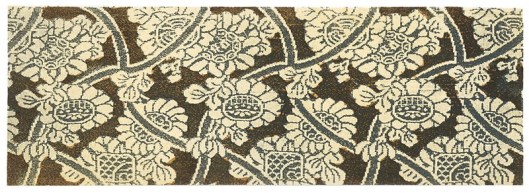
Japanese Textile Designs 124

25 Saturday Jan 2020

JapanTR-123.jpg

Posted by RichardB | Filed under Japanese Textile Designs

≈ Comments Off on Japanese Textile Designs 124

Image

Angora Coloring Page

25 Saturday Jan 2020

Tags

Angora Coloring Page

CPCT-Angora-TR.jpg

Posted by RichardB | Filed under Coloring Pages

≈ Comments Off on Angora Coloring Page

people in our world

24 Friday Jan 2020

Posted by RichardB in Mairead Corrigan, Uncategorized

≈ Comments Off on people in our world

Tags

amazing, people


“Every day there are people in our world that do absolutely amazing things. People of all ages are very capable of doing tremendous, courageous things in spite of their fear.” Mairead Corrigan

Dance Movement Therapy and Children

Meditation may physically alter regions of the brain

24 Friday Jan 2020

Posted by RichardB in brain, Meditation, Mental Health

≈ Comments Off on Meditation may physically alter regions of the brain

Tags

awareness, mindfulness

Harvard researchers at the Massachusetts General Hospital reported that the practice of mindfulness meditation can physically alter regions of the brain associated with memory, sense of self, empathy, and stress.kol.jpg

The study, to be published in January 2015, in “Psychiatry Research: Neuroimaging” indicates that the brain’s gray matter may change as a result of meditation.

“Although the practice of meditation is associated with a sense of peacefulness and physical relaxation, practitioners have long claimed that meditation also provides cognitive and psychological benefits that persist throughout the day,” said Sara Lazar, the study’s senior author. “This study demonstrates that changes in brain structure may underlie some of these reported improvements and that people are not just feeling better because they are spending time relaxing.”

Researchers measured MR images of participants brains during the eight-week “Mindfulness-Based Stress Reduction” program, conducted by the University of Massachusetts Center for Mindfulness. Participants spent an average of 27 minutes in meditation during the program. The program was delivered through recorded audios and guided meditations.

Compared to measurements on MR scans of a control group who did not participate in the program, the participants’ brains showed an increase in gray-matter density in the hippocampus. The hippocampus is the region of the brain associated with learning, introspection, memory and awareness.There also was a decrease in gray-matter density in the amygdala, the region associated with anxiety and stress. However, the Insula, a region of the brain thought to be associated with self-awareness according to earlier research, remained unchanged, and the researchers hypothesize that participants may have to meditate for longer periods of time before any change is noticed in this region.

418234_10151301447999689_275921219_n.jpgIt has been noted that meditation can reduce stress but according to Britta Hölzel, one of the authors, “Other studies in different patient populations have shown that meditation can make significant improvements in a variety of symptoms, and we are now investigating the underlying mechanisms in the brain that facilitate this change.”

The researchers believe that these findings of physiological change can pave the wave for a better understanding and treatment of stress-related disorders. The study was supported by the BBC, National Institutes of Health and the Mind and Life Institute.

Creativity is akin to insanity

23 Thursday Jan 2020

Posted by RichardB in Research, Social Science

≈ Comments Off on Creativity is akin to insanity

Tags

Creativity

Creativity is akin to insanity, say scientists who have been studying how the mind works. Brain scans reveal striking similarities in the thought pathways of highly creative people and those with schizophrenia. Both groups lack important receptors used to filter and direct thought. It could be this uninhibited 394562_495612957133604_562232499_nprocessing that allows creative people to “think outside the box”, say experts from Sweden’s Karolinska Institute.  more here BBC News


How Does Art Therapy Heal

22 Wednesday Jan 2020

Posted by RichardB in Art Therapy, youtube

≈ Comments Off on How Does Art Therapy Heal


Relaxation

22 Wednesday Jan 2020

Posted by RichardB in Health, Meditation, mindfulness, Relaxation, Wellness

≈ Comments Off on Relaxation

I started engaging in relaxation tools as a teenage in the mid 70’s when I first started practicing Hatha and Raja Yoga. After 38 years I can say with confidence that it works for me. Since 1983 amongst other things I have taught Hatha Yoga,  and relaxation techniques. 
In the past 30 years, there has been considerable interest in the relaxation response and how inducing this state may benefit health. Research has focused primarily on illness and conditions in which stress may play a role either as the cause of the condition or as a factor that can make the condition worse.0854f-feelings-54

Currently, there is some scientific evidence that relaxation techniques may be an effective part of an overall treatment plan for some disorders, including:

  • Anxiety. Studies have suggested that relaxation may assist in the treatment of phobias or panic disorder. Relaxation techniques have also been used to relieve anxiety for people in stressful situations, such as when undergoing a medical procedure.
  • Depression. In 2008, a major review of the evidence for relaxation in the treatment of depression found that relaxation techniques were more effective than no treatment for depression, but not as effective as cognitive-behavioral therapy.
  • Headache. There is some evidence that biofeedback and other relaxation techniques may be helpful for relieving tension or migraine headaches. In some cases, these mind and body techniques were more effective than medications for reducing the frequency, intensity, and severity of headaches.
  • Pain. Some studies have shown that relaxation techniques may help reduce abdominal and surgery pain.

Relaxation involves practice and willingness to fully engage in the process of relaxing. Stay tuned for some great relaxing tools.

Mindfulness: Reason Mind, Emotion Mind, and Wise Mind

21 Tuesday Jan 2020

Posted by RichardB in Meditation, mindfulness

≈ Comments Off on Mindfulness: Reason Mind, Emotion Mind, and Wise Mind

I have been practicing meditation since the mid-70’s and started a mindfulness meditation practice in the mid-90’s. Mindfulness has to do with the quality of awareness that we bring to what we are doing and experiencing, to being in the here and now.  It has to do with learning to focus on being in the present, to focusing our attention on what we are doing and what is happening in the present. Wherever we go
Many of us are distracted by images, thoughts and feelings of the past, perhaps dissociating, worrying about the future, negative moods and anxieties about the present.   It’s hard to put these thing away and concentrate on the task at hand.
I started teaching mindfulness to patients a few years ago and often used the following as a hand out:
Mindfulness has to do with states of mind. Reason Mind, Emotion Mind, and Wise Mind. Reason Mind is your rational, thinking, logical mind. It plans and evaluates things logically. It is your “cool” part. Reasonable Mind can be very beneficial. It is easier to be in Reasonable Mind when you feel good. It is much harder to be in Reasonable Mind when you don’t feel good.
You Would Use Your Reasonable Mind To:
Build a bridge
Figure out how to double a recipe
Balance your checkbook
Figure out the fastest way from point “A” to point “B”
Emotion Mind describes times when emotions are what influence or control your thinking and behavior. Emotional Mind can also be very beneficial. Emotions are what motivate us to action. Emotions are what keep us attached to others and building relationships.
Emotion Mind can be aggravated by:
Illness, Lack Of Sleep, Tiredness, Drugs, Alcohol, Hungry, Overeating, Poor nutrition and/or lack of exercise, Environmental stress and threats, not taking your meds.
Both Emotion and Reasonable Mind Are Equally Important And Valuable
Reasonable mind gives you a way to solve your problems.
Emotion mind gives you a reason (motivation) to want to solve them.
Wise Mind is the integration of emotional and reasonable mind. Wise mind is that part of each person that can know and experience truth. It is where the person knows something to be true or valid. It is where the person knows something in a centered (balanced) way. It is almost always quiet and calm in this part of the mind.
Everyone Has A Wise Mind!
Some people have simply never experienced it.
No one is in Wise Mind all of the time.
Wise Mind – An Analogy for Wise Mind is like a deep well in the ground. The water is at the bottom of the well. The entire underground is an ocean called Wise Mind. But on the way down, there are often trap doors that stop progress. Sometimes the trap doors are so cleverly built that you actually believe that there is no water at the bottom of the well. The trap door may look like the bottom of the well. Perhaps it is locked and you need a key. Perhaps it is nailed shut and you need a hammer. Perhaps it is glued shut and you need a chisel.

Addicted And Pregnant

20 Monday Jan 2020

Posted by RichardB in addicted, Addiction, pregnancy

≈ Comments Off on Addicted And Pregnant

Tags

addict

by KARI ANN RINKER.  Article from NPR
I bought my first and only pregnancy test when I was 26.

At the time, I had been doing a lot of meth. I was fortunate if I remembered to eat one meal a day. Refilling my birth-control prescription had become just another missed detail in a life that had ceased to have much meaning for me.pytest

I was an addict, and I was staring at two very bright pink lines on a stick.

I showed the test to my boyfriend. “What are we going to do?” I asked. He replied, “Have a baby, I guess.”

He wanted to see the pregnancy through. I was much less certain about motherhood. How would the pregnancy affect my drug and alcohol use? I don’t recall ever feeling as vulnerable and afraid as I did then. Read more click here.

Top Songs I listened to in 2019: Ritviz

20 Monday Jan 2020

Posted by RichardB in Music, YouTube

≈ Comments Off on Top Songs I listened to in 2019: Ritviz

Tags

music, Ritviz, youtube

I have a 16,000 plus digital audio collection and I use Media Monkey to manage my files. One feature of Media Monkey is you can sort your collection based on the number of times played. This playlist is based on the top music and/or music video files I played/listened/streamed from my server in 2019.

Ritviz
21-year old Singer, DJ & Dance Music Producer. His music is bass heavy, and rich in eastern sounds owing to his training as a Hindustani classical musician since the age of 6.


Link to Top Songs I Listened Too in 2019

Image

snow fence

19 Sunday Jan 2020

Tags

My Photos, snow, winter

Winter-0035-sm.JPG

Posted by RichardB | Filed under My Photos, photo, snow

≈ Comments Off on snow fence

Image

Japanese Textile Designs 125

18 Saturday Jan 2020

JapanTR-125.jpg

Posted by RichardB | Filed under Japanese Textile Designs

≈ Comments Off on Japanese Textile Designs 125

Image

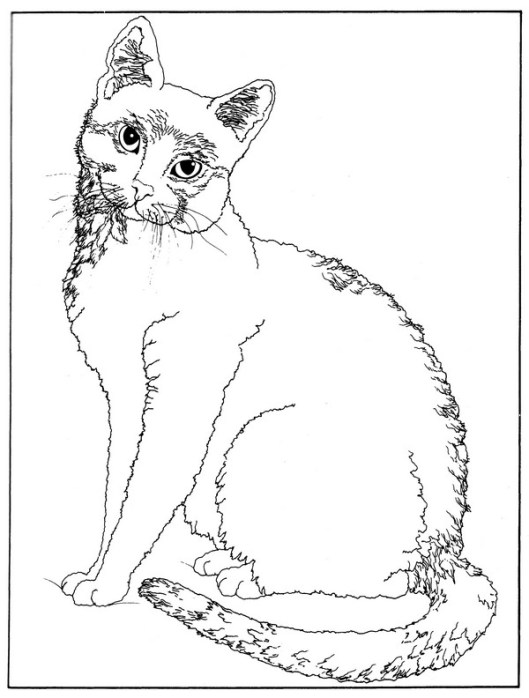
American Wirehair Coloring Page

18 Saturday Jan 2020

Tags

American Wirehair Coloring Page

CPCT-American Wirehair-TR.jpg

Posted by RichardB | Filed under Coloring Pages

≈ Comments Off on American Wirehair Coloring Page

The Growing Edge

17 Friday Jan 2020

Posted by RichardB in Meditation, recovery, Relaxation, Wellness

≈ Comments Off on The Growing Edge

Tags

beginning, mindfulness

Every moment of life invites us to open our eyes to what Howard Thurman calls “the growing edge” of life, and aspire to grow with it. As he says, nothing embodies the growing edge better than a newborn — or, I’d say, a very young child.

A wonderful and interesting article from PARKER J. PALMER. Click here for more.

Particle Accelerator used to Peek Inside Fossilized Poop

17 Friday Jan 2020

Posted by RichardB in Research

≈ Comments Off on Particle Accelerator used to Peek Inside Fossilized Poop

Tags

Particle Accelerator, Poop

Scientists study every inch of an animal—from the tip of their nose right down to their, well, poop. And the same goes for ancient creatures. But until now, only a limited amount could be learned from from studying fossilized feces, also known as coprolites. As Ryan F. Mandlebaum reports for Gizmodo, scientists recently turned to a synchrotron particle-accelerator for help discerning every morsel of data locked inside the prehistoric poop.

Their study, published this week in the journal Scientific Reports, documents a new method to examine the treasures hidden within the coprolite without destroying the samples. These ancient turds are actually troves of information. Due to their phosphate-rich chemistry, poop can actually preserve many delicate specimens, such as muscle, soft tissue, hair and parasites. READ MORE HERE

Fossil Poop

Los Desaparecidos The Disappeared

16 Thursday Jan 2020

Posted by RichardB in art, discovery, Latin

≈ Comments Off on Los Desaparecidos The Disappeared

Tags

Los Desaparecidos, the disappeared

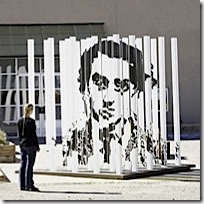
Los Desaparecidos   The Disappeared

“To disappear” was newly defined during the twentieth century military dictatorships in Latin America. “Disappear” evolved into a transitive verb describing those considered threats to the State who were kidnapped, tortured, and killed by their own military,especially in the 1970s in Argentina, thedisappearedBrazil, Chile, and Uruguay.

The Disappeared brings together the work of twenty-seven living artists from South America who, over the course of the last thirty years, have made art about los desaparecidos or the disappeared.

← Older posts
Newer posts →

instagram

Follow RichardbBrunner on WordPress.com
  • Tumblr
  • YouTube

Blog at WordPress.com.

Privacy & Cookies: This site uses cookies. By continuing to use this website, you agree to their use.
To find out more, including how to control cookies, see here: Cookie Policy
  • Subscribe Subscribed
    • RichardbBrunner
    • Join 492 other subscribers
    • Already have a WordPress.com account? Log in now.
    • RichardbBrunner
    • Subscribe Subscribed
    • Sign up
    • Log in
    • Report this content
    • View site in Reader
    • Manage subscriptions
    • Collapse this bar
Loading Comments...