• Home
  • Music
  • About
  • Contact
  • CreativeTherapyTools.com

RichardbBrunner

~ creative arts therapist

RichardbBrunner

Category Archives: Coping Skills

Irrational Beliefs Guide

25 Wednesday Oct 2023

Posted by RichardB in Coping Skills

≈ Comments Off on Irrational Beliefs Guide

Tags

handout, Irrational Beliefs

Consider the following questions carefully. Reflectively answer each one briefly but completely regarding those people or things about which you are most emotionally disturbed. This assignment may be emotionally painful, but it may help you achieve needed insight so that you can end your pain.

  • Who or what disturbs or upsets you?
  • Who or what do you strongly believe should, ought, must, or have to be different?
  • Who or what do you strongly think is or awful, terrible, horrible, or catastrophic?
  • Who or what do you down, damn, condemn or believe is worthless?
  • Who or what do you believe is absolutely needed, necessary, or required?
  • What are the things you strongly believe are absolutes, extremes, or critically important?
  • Who or what do you most often or most strongly complain about?
  • What is your greatest wish that you believe you most likely won’t get?
  • What goal have you made (even unconsciously) into a demand because you not only want to but have convinced yourself you must achieve it?
  • What happened in your past from which you cannot recover?
  • What things do you find are, too hard, too much, too painful, too upsetting, or that you just can’t stand?
  • Who or what are you most likely to lose your temper over?
  • What are the biggest stresses in your life?
  • Who or what do you feel most helpless about?
  • Who or what do you feel most hopeless about?
  • What are your most strongly felt demands, wishes, or hopes?
  • What insight or awareness have you come to because of this exercise?

Ways to increase happiness

20 Wednesday Sep 2023

Posted by RichardB in Coping Skills

≈ Comments Off on Ways to increase happiness

Tags

guilt, handout, Happiness, sad, shame

The most important question to ask when you feel down

Sometimes it doesn’t feel like your brain wants you to be happy. You may feel guilty or shameful. Why?

Believe it or not, guilt and shame activate the brain’s reward center.

Despite their differences, pride, shame, and guilt all activate similar neural circuits, including the dorsomedial prefrontal cortex, amygdala, insula, and the nucleus accumbens. Interestingly, pride is the most powerful of these emotions at triggering activity in these regions — except in the nucleus accumbens, where guilt and shame win out. This explains why it can be so appealing to heap guilt and shame on ourselves — they’re activating the brain’s reward center.

And you worry a lot, too. Why? In the short term, worrying makes your brain feel a little better — at least you’re doing something about your problems.

In fact, worrying can help calm the limbic system by increasing activity in the medial prefrontal cortex and decreasing activity in the amygdala. That might seem counterintuitive, but it just goes to show that if you’re feeling anxiety, doing something about it — even worrying — is better than doing nothing.

But guilt, shame, and worry are horrible, long-term solutions. So what do neuroscientists say you should do? Ask yourself this question:

What am I grateful for?

Yeah, gratitude is awesome … but does it really affect your brain at the biological level? Yup.

You know what the antidepressant Wellbutrin does? Boosts the neurotransmitter dopamine. So does gratitude.

The benefits of gratitude start with the dopamine system, because feeling grateful activates the brain stem region that produces dopamine. Additionally, gratitude toward others increases activity in social dopamine circuits, which makes social interactions more enjoyable …

Know what Prozac does? Boosts the neurotransmitter serotonin. So does gratitude.

One powerful effect of gratitude is that it can boost serotonin. Trying to think of things you are grateful for forces you to focus on the positive aspects of your life. This simple act increases serotonin production in the anterior cingulate cortex.

I know, sometimes life lands a really mean punch in the gut and it feels like there’s nothing to be grateful for. Guess what?

Doesn’t matter. You don’t have to find anything. It’s the searching that counts.

It’s not finding gratitude that matters most; it’s remembering to look in the first place. Remembering to be grateful is a form of emotional intelligence. One study found that it actually affected neuron density in both the ventromedial and lateral prefrontal cortex. These density changes suggest that as emotional intelligence increases, the neurons in these areas become more efficient. With higher emotional intelligence, it simply takes less effort to be grateful.

And gratitude doesn’t just make your brain happy — it can also create a positive feedback loop in your relationships. So express that gratitude to the people you care about.

For more on how gratitude can make you happier and more successful.

But what happens when bad feelings completely overtake you? When you’re really in the dumps and don’t even know how to deal with it? There’s an easy answer …

Label negative feelings

You feel awful. OK, give that awfulness a name. Sad? Anxious? Angry?

Boom. It’s that simple. Sound stupid? Your noggin disagrees.

In one fMRI study, appropriately titled “Putting Feelings into Words” participants viewed pictures of people with emotional facial expressions. Predictably, each participant’s amygdala activated to the emotions in the picture. But when they were asked to name the emotion, the ventrolateral prefrontal cortex activated and reduced the emotional amygdala reactivity. In other words, consciously recognizing the emotions reduced their impact.

Suppressing emotions doesn’t work and can backfire on you.

Gross found that people who tried to suppress a negative emotional experience failed to do so. While they thought they looked fine outwardly, inwardly their limbic system was just as aroused as without suppression, and in some cases, even more aroused. Kevin Ochsner, at Columbia, repeated these findings using an fMRI. Trying not to feel something doesn’t work, and in some cases even backfires.

But labeling, on the other hand, makes a big difference.

To reduce arousal, you need to use just a few words to describe an emotion, and ideally use symbolic language, which means using indirect metaphors, metrics, and simplifications of your experience. This requires you to activate your prefrontal cortex, which reduces the arousal in the limbic system. Here’s the bottom line: describe an emotion in just a word or two, and it helps reduce the emotion.

Ancient methods were way ahead of us on this one. Meditation has employed this for centuries. Labeling is a fundamental tool of mindfulness.

Make that decision

Ever make a decision and then your brain finally feels at rest? That’s no random occurrence.

Brain science shows that making decisions reduces worry and anxiety — as well as helping you solve problems.

Making decisions includes creating intentions and setting goals — all three are part of the same neural circuitry and engage the prefrontal cortex in a positive way, reducing worry and anxiety. Making decisions also helps overcome striatum activity, which usually pulls you toward negative impulses and routines. Finally, making decisions changes your perception of the world — finding solutions to your problems and calming the limbic system.

But deciding can be hard. I agree. So what kind of decisions should you make? Neuroscience has an answer.

Make a “good enough” decision. Don’t sweat making the absolute 100% best decision. We all know being a perfectionist can be stressful. And brain studies back this up.

Trying to be perfect overwhelms your brain with emotions and makes you feel out of control.

Trying for the best, instead of good enough, brings too much emotional ventromedial prefrontal activity into the decision-making process. In contrast, recognizing that good enough is good enough activates more dorsolateral prefrontal areas, which helps you feel more in control …

So when you make a decision, your brain feels you have control. And, as I’ve talked about before, a feeling of control reduces stress. But here’s what’s really fascinating: Deciding also boosts pleasure.

Actively choosing caused changes in attention circuits and in how the participants felt about the action, and it increased rewarding dopamine activity.

We don’t just choose the things we like; we also like the things we choose.

Touch people

No, not indiscriminately; that can get you in a lot of trouble.

But we need to feel love and acceptance from others. When we don’t it’s painful. And I don’t mean “awkward” or “disappointing.” I mean actually painful.

Neuroscientists did a study where people played a ball-tossing video game. The other players tossed the ball to you and you tossed it back to them. Actually, there were no other players; that was all done by the computer program.

But the subjects were told the characters were controlled by real people. So what happened when the “other players” stopped playing nice and didn’t share the ball?

Subjects’ brains responded the same way as if they experienced physical pain. Rejection doesn’t just hurt like a broken heart; your brain feels it like a broken leg.

In fact, as demonstrated in an fMRI experiment, social exclusion activates the same circuitry as physical pain … at one point they stopped sharing, only throwing back and forth to each other, ignoring the participant. This small change was enough to elicit feelings of social exclusion, and it activated the anterior cingulate and insula, just like physical pain would.

Relationships are important to your brain’s feeling of happiness. Want to take that to the next level? Touch people.

One of the primary ways to release oxytocin is through touching. Obviously, it’s not always appropriate to touch most people, but small touches like handshakes and pats on the back are usually okay. For people you’re close with, make more of an effort to touch more often.

Touching is incredibly powerful. We just don’t give it enough credit. It makes you more persuasive, increases team performance, improves your flirting … heck, it even boosts math skills.

Touching someone you love actually reduces pain. In fact, when studies were done on married couples, the stronger the marriage, the more powerful the effect.

In addition, holding hands with someone can help comfort you and your brain through painful situations. One fMRI study scanned married women as they were warned that they were about to get a small electric shock. While anticipating the painful shocks, the brain showed a predictable pattern of response in pain and worrying circuits, with activation in the insula, anterior cingulate, and dorsolateral prefrontal cortex. During a separate scan, the women either held their husbands’ hands or the hand of the experimenter. When a subject held her husband’s hand, the threat of shock had a smaller effect. The brain showed reduced activation in both the anterior cingulate cortex and dorsolateral prefrontal cortex — that is, less activity in the pain and worrying circuits. In addition, the stronger the marriage, the lower the discomfort-related insula activity.

Sum up

Here’s what brain research says will make you happy:

  • Ask “What am I grateful for?” No answers? Doesn’t matter. Just searching helps.
  • Label those negative emotions. Give it a name and your brain isn’t so bothered by it.
  • Decide. Go for “good enough” instead of ‘best decision ever made on Earth.”
  • Hugs, hugs, hugs. Don’t text — touch.

Being Disturbed About Being Disturbed

07 Wednesday Jun 2023

Posted by RichardB in Coping Skills

≈ Comments Off on Being Disturbed About Being Disturbed

Tags

CBT, handout

Isn’t it bad enough to be disturbed about events? Now you find out you can even be disturbed about being disturbed about the event.

A person is so afraid to ride in an elevator, that they develop a phobia about it. Soon, not only anxious about elevators, they worry about anxiety about elevators. “Something is drastically wrong with me,” they think; “Maybe I’m going crazy.” “I should not be so anxious about elevators that I can’t use them; that’s an awful problem; I can’t stand to have this fear; I must certainly be inadequate.” “I know I’m losing control; soon I’ll bet I won’t be able to take care of myself at all; I’ll wind up in a mental hospital.”

Can you see how they are not only fearful of elevators, but down on themselves for being afraid of them? In this case there are two A-B-C sets:

  • Activating event A1: Elevator ride
  • Irrational belief B1: “I couldn’t stand to be trapped forever.”
  • Emotional consequence C1: Anxiety (about being trapped).
  • Activating event A2: Anxiety at C1 (about being trapped).
  • Irrational belief B2: “I should not be anxious about elevators.”
  • Emotional consequence C2: “I’m crazy.” Anxiety (about the anxiety).

We might find it more efficient to work on the secondary set of A-B-C’s first. Once the person can think differently (more rationally) about having an emotional reaction, they may be more able to concentrate on working through the first set of A-B-C’s.

Do you also have a few sets of secondary A-B-C’s that prevent you from making progress?

Yoga as a practice tool

31 Wednesday May 2023

Posted by RichardB in Coping Skills, Wellness

≈ Comments Off on Yoga as a practice tool

Tags

long post, research, yoga

Today more and more adults practice yoga, and not surprisingly, there is research supporting its physical benefits. Studies show the practice—which combines stretching and other exercises with deep breathing and meditation—can improve overall physical fitness, strength, flexibility and lung capacity, while reducing heart rate, blood pressure and back pain.

But what is perhaps unknown to those who consider yoga just another exercise form is that there is a growing body of research documenting yoga’s psychological benefits. Several recent studies suggest that yoga may help strengthen social attachments, reduce stress and relieve anxiety, depression and insomnia. Researchers are also starting to claim some success in using yoga and yoga-based treatments to help active-duty military and veterans with post-traumatic stress disorder.

“The evidence is showing that yoga really helps change people at every level,” says Stanford University health psychologist and yoga instructor Kelly McGonigal, PhD.

That’s why more clinicians have embraced yoga as a complement to psychotherapy, McGonigal says. They’re encouraging yoga as a tool clients can use outside the therapy office to cope with stress and anxieties, and even heal emotional wounds.

“Talk therapy can be helpful in finding problem-solving strategies and understanding your own strengths and what’s happening to you, but there are times when you just need to kind of get moving and work through the body,” says Melanie Greenberg, PhD, a psychology professor at Alliant International University, who has studied yoga’s benefits to mental health.

The mind-body meld

According to a study by Sherry A. Glied, PhD, professor of health policy and management at Columbia University, and Richard G. Frank, PhD, professor of health-care policy at Harvard Medical School, published in the May/June Health Affairs (Vol. 28, No. 3), the rate of diagnosed cases of mental disorders increased dramatically between 1996 and 2006—doubling among adults age 65 and older, and rising by about 60 percent among adults 18 to 64. During that same time period, rates of psychotropic medication use rose by about the same percentages among these groups.

In light of these numbers, yoga remains a natural and readily available approach to maintaining wellness and treating mental health issues, says Sat Bir Khalsa, PhD, a neuroscientist and professor of medicine at Harvard Medical School at Brigham and Women’s Hospital in Boston who studies yoga’s effects on depression and insomnia. Khalsa, who has practiced yoga for more than 35 years, says several studies in his 2004 comprehensive review of yoga’s use as a therapeutic intervention, published in the Indian Journal of Physiology and Pharmacology (Vol. 48, No. 3), show that yoga targets unmanaged stress, a main component of chronic disorders such as anxiety, depression, obesity, diabetes and insomnia. It does this, he says, by reducing the stress response, which includes the activity of the sympathetic nervous system and the levels of the stress hormone cortisol. The practice enhances resilience and improves mind-body awareness, which can help people adjust their behaviors based on the feelings they’re experiencing in their bodies, according to Khalsa.

While scientists don’t have quite the full picture on how yoga does all that, new research is beginning to shed light on how the practice may influence the brain. In a 2007 study in the Journal of Alternative and Complementary Medicine (Vol. 13, No. 4), researchers at Boston University School of Medicine and McLean Hospital used magnetic resonance imaging to compare levels of the neurotransmitter gamma-aminobutyric acid (GABA) before and after two types of activities: an hour of yoga and an hour of reading a book. The yoga group showed a 27 percent increase in GABA levels, which evidence suggests may counteract anxiety and other psychiatric disorders. GABA levels of the reading group remained unchanged.

“I believe if everyone practiced the techniques of yoga, we would have a preventive aid to a lot of our problems,” Khalsa says. “There would likely be less obesity and Type-II diabetes, and people would be less aggressive, more content and more integrated.”

Khalsa’s claims are backed by evidence supporting the social benefits of participating in a yoga class, says Stanford’s McGonigal. A series of experiments conducted by organizational behavior researchers at Stanford University and published in January’s Psychological Science (Vol. 20, No. 1) suggest that acting in synchrony with others—be it while walking, singing or dancing—can increase cooperation and collectivism among group members.

“In a yoga class, everyone is moving and breathing in at the same time and I think that’s one of the undervalued mechanisms that yoga can really help with: giving people that sense of belonging, of being part of something bigger,” McGonigal says.

Psychologists are also examining the use of yoga with survivors of trauma and finding it may even be more effective than some psychotherapy techniques. In a pilot study at the Trauma Center at the Justice Resource Institute in Brookline, Mass., women with PTSD who took part in eight sessions of a 75-minute Hatha yoga class experienced significantly reduced PTSD symptoms compared with those participating in a dialectical behavior therapy group. The center recently received a grant from the National Center for Complementary and Alternative Medicine to conduct a randomized, single-blind, controlled study to further examine whether, as compared with a 10-week health class, yoga improves the frequency and severity of PTSD symptoms and other somatic complaints as well as social and occupational impairments among female trauma survivors.

“When people experience trauma, they may experience not only a sense of emotional disregulation, but also a feeling of being physically immobilized,” says Ritu Sharma, PhD, project coordinator of the center’s yoga program, who only began practicing yoga when she started leading the program. “Body-oriented techniques such as yoga help them increase awareness of sensations in the body, stay more focused on the present moment and hopefully empower them to take effective actions.”

And in what is becoming one of the most widely applied yoga-based trauma treatments, clinical psychologist Richard Miller, PhD, has developed a nine-week, twice-weekly integrative restoration program based on the ancient practice of yoga Nidra. In 2006, the Department of Defense began testing iRest with active-duty soldiers returning from Iraq and Afghanistan who were experiencing PTSD. At the end of the program, participants reported a reduction in insomnia, depression, anxiety and fear, improved interpersonal relations and an increased sense of control over their lives. Since then, iRest classes have been established at VA facilities in Miami, Chicago and Washington, D.C. Miller has also helped develop similar programs for veterans, homeless people and those with chemical dependencies and chronic pain.

“The program teaches them skills they can integrate into their daily lives, so that in the midst of a difficult circumstance, they have the tools to be able to work in the moment,” says Miller, president of the Integrative Restoration Institute in San Rafael, Calif.

New research is also supporting yoga’s benefit for other mental illnesses. An as-yet-unpublished randomized control trial by Khalsa offers insight into how yoga may reduce insomnia. In this study, 20 participants who practiced a daily 45-minute series of Kundalini yoga techniques shortly before bedtime for eight weeks reported significant reductions in insomnia severity as compared with those told to follow six behavioral recommendations for sleep hygiene. And a 2007 study supports yoga’s potential as a complementary treatment for depressed patients taking antidepressant medication but only in partial remission. University of California, Los Angeles, psychologist David Shapiro, PhD, found that participants who practiced Iyengar yoga three times a week for eight weeks reported significant reductions in depression, anxiety and neurotic symptoms, as well as mood improvements at the end of each class (Evidence-based Complementary and Alternative Medicine, Vol. 4, No. 4). Many of the participants achieved remission and also showed physiological changes, such as heart rate variability, indicative of a greater capacity for emotional regulation, Shapiro says.

Putting yoga into practice

While she cautions against teaching yoga to clients without formal training, McGonigal and others say psychologists can use psychotherapy sessions to practice yoga’s mind-body awareness and breathing techniques. Simple strategies—such as encouraging clients to get as comfortable as possible during their sessions or to pay attention to how their body feels when they inhale and exhale—teach clients to be in the here and now.

“These by themselves would be considered yoga interventions because they direct attention to the breath and help unhook people from thoughts, emotions and impulses that are negative or destructive,” she says.

Alliant International University psychology professor Richard Gevirtz, PhD, agrees that alternatives to traditional psychotherapy may help clinicians make progress with difficult clients.

“Psychologists have painted themselves in the corner by only doing talk therapy,” Gevirtz says. “There’s much more that can be accomplished if you integrate it with other sorts of modalities, such as biofeedback, relaxation training or yoga.”

In fact, some psychologists say yoga may not really be so special when it comes to improving one’s mental state, and that several forms of exercise may provide mood-enhancing benefits.

In a 2007 study by researchers at Bowling Green State University, 36 participants kept mood diaries during the first and final four weeks of a 16-week weight-loss program. On the days participants engaged in planned exercise—typically walking for 30 to 60 minutes—they reported a better mood at night as compared to in the morning, before exercising (Journal of Sport & Exercise Psychology, Vol. 29, No. 6).

“It seems that many types of exercise—particularly non-competitive exercise—are related to positive mood alteration,” says Bonnie Berger, EdD, one of the study’s co-authors and professor and director of Bowling Green’s School of Human Movement, Sport and Leisure Studies.

Psychologists may also benefit from using yoga and other forms of exercise for their own care, Greenberg says. In a 2007 survey of licensed APA members by the APA Board of Professional Affairs Advisory Committee on Colleague Assistance, 48 percent reported that vicarious trauma and compassion fatigue are likely to affect their functioning.

“Practicing yoga personally and adopting a stance based on yoga principles such as non-judgment, compassion, spirituality and the connection of all living things can help relieve stress, enhance compassion and potentially make you a better therapist,” she says. “If you can come to a level of peace with yourself, there may be more nurturing that you exude toward your patients.”

How to Help Yourself if You Are Depressed

10 Wednesday May 2023

Posted by RichardB in Coping Skills, Depression

≈ Comments Off on How to Help Yourself if You Are Depressed

Tags

Coping Skills, depression

Depressive disorders can make one feel exhausted, worthless, helpless, and hopeless. It is important to realize that these negative views are part of the depression and do not accurately reflect the actual circumstances. Negative thinking fades as treatment begins to take effect. In the meantime:

  • Engage in mild exercise. Go to a movie, a ballgame, or participate in religious, social, AA/NA meetings or other healthy activities.
  • Set realistic goals and assume a reasonable amount of responsibility.
  • Break large tasks into small ones, set some priorities, and what you can as you can.
  • Try to be with other people and to confide in someone; it is usually better than being alone and secretive.
  • Expect your mood to improve gradually, not immediately.
  • Feeling better takes time. Often during treatment of depression, sleep and appetite will begin to improve before depressed mood lifts.
  • Postpone important decisions. Before deciding to make a significant transition–change jobs, get married or divorced–discuss it with others who know you well and have a more objective view of your situation.
  • Do not expect to ‘snap out of’ a depression. But do expect to feel a little better day-by-day.
  • Remember, positive thinking will replace the negative thinking as your depression responds to treatment.
  • Let your family and friends help you.

Stress management strategy #6

26 Wednesday Apr 2023

Posted by RichardB in Coping Skills, Handout, Stress

≈ Comments Off on Stress management strategy #6

Tags

Stress

Adopt a healthy lifestyle

Adopt a healthy lifestyle

You can increase your resistance to stress by strengthening your physical health. 

  • Exercise regularly. Physical activity plays a key role in reducing and preventing the effects of stress. Make time for at least 30 minutes of exercise, three times per week. Nothing beats aerobic exercise for releasing pent-up stress and tension.
  • Eat a healthy diet. Well-nourished bodies are better prepared to cope with stress, so be mindful of what you eat. Start your day right with breakfast, and keep your energy up and your mind clear with balanced, nutritious meals throughout the day.
  • Reduce caffeine and sugar. The temporary “highs” caffeine and sugar provide often end in with a crash in mood and energy. By reducing the amount of coffee, soft drinks, chocolate, and sugar snacks in your diet, you’ll feel more relaxed and you’ll sleep better.
  • Avoid alcohol, cigarettes, and drugs. Self-medicating with alcohol or drugs may provide an easy escape from stress, but the relief is only temporary. Don’t avoid or mask the issue at hand; deal with problems head on and with a clear mind.
  • Get enough sleep. Adequate sleep fuels your mind, as well as your body. Feeling tired will increase your stress because it may cause you to think irrationally.

There as many ways to reduce stress as there are stars. I use and recommend that people engage a variety of healthy coping and preemptive stress reducing techniques.

Stress Management Strategy #5

19 Wednesday Apr 2023

Posted by RichardB in Coping Skills, Handout, Stress

≈ Comments Off on Stress Management Strategy #5

Tags

Stress

Make time for fun and relaxation

Beyond a take-charge approach and a positive attitude, you can reduce stress in your life by nurturing yourself. If you regularly make time for fun and relaxation, you’ll be in a better place to handle life’s stressors when they inevitably come.

Don’t get so caught up in the hustle and bustle of life that you forget to take care of your own needs. Nurturing yourself is a necessity, not a luxury.

  • Set aside relaxation time. Include rest and relaxation in your daily schedule. Don’t allow other obligations to encroach. This is your time to take a break from all responsibilities and recharge your batteries.
  • Connect with others. Spend time with positive people who enhance your life. A strong support system will buffer you from the negative effects of stress.
  • Do something you enjoy every day. Make time for leisure activities that bring you joy, whether it be stargazing, playing the piano, or working on your bike.
  • Keep your sense of humor. This includes the ability to laugh at yourself. The act of laughing helps your body fight stress in a number of ways.

Learn the relaxation response

You can control your stress levels with relaxation techniques that evoke the body’s relaxation response, a state of restfulness that is the opposite of the stress response. Regularly practicing these techniques will build your physical and emotional resilience, heal your body, and boost your overall feelings of joy and equanimity.

There as many ways to reduce stress as there are stars. I use and recommend that people engage a variety of healthy coping and preemptive stress reducing techniques.

Stress management strategy #4

05 Wednesday Apr 2023

Posted by RichardB in Coping Skills, Handout, Stress

≈ Comments Off on Stress management strategy #4

Tags

Stress

Accept the things you can’t change

Some sources of stress are unavoidable. You can’t prevent or change stressors such as the death of a loved one, a serious illness, or a national recession. In such cases, the best way to cope with stress is to accept things as they are. Acceptance may be difficult, but in the long run, it’s easier than railing against a situation you can’t change.

  • Don’t try to control the uncontrollable. Many things in life are beyond our control— particularly the behavior of other people. Rather than stressing out over them, focus on the things you can control such as the way you choose to react to problems.
  • Look for the upside. As the saying goes, “What doesn’t kill us makes us stronger.” When facing major challenges, try to look at them as opportunities for personal growth. If your own poor choices contributed to a stressful situation, reflect on them and learn from your mistakes.
  • Share your feelings. Talk to a trusted friend or make an appointment with a therapist. Expressing what you’re going through can be very cathartic, even if there’s nothing you can do to alter the stressful situation.
  • Learn to forgive. Accept the fact that we live in an imperfect world and that people make mistakes. Let go of anger and resentments. Free yourself from negative energy by forgiving and moving on.

There as many ways to reduce stress as there are stars. I use and recommend that people engage a variety of healthy coping and preemptive stress reducing techniques.

Stress management strategy #3

29 Wednesday Mar 2023

Posted by RichardB in Coping Skills, Handout, Stress

≈ Comments Off on Stress management strategy #3

Tags

Stress

Adapt to the stressor

If you can’t change the stressor, change yourself. You can adapt to stressful situations and regain your sense of control by changing your expectations and attitude.

  • Reframe problems. Try to view stressful situations from a more positive perspective. Rather than fuming about a traffic jam, look at it as an opportunity to pause and regroup, listen to your favorite radio station, or enjoy some alone time.
  • Look at the big picture. Take perspective of the stressful situation. Ask yourself how important it will be in the long run. Will it matter in a month? A year? Is it really worth getting upset over? If the answer is no, focus your time and energy elsewhere.
  • Adjust your standards. Perfectionism is a major source of avoidable stress. Stop setting yourself up for failure by demanding perfection. Set reasonable standards for yourself and others, and learn to be okay with “good enough.”
  • Focus on the positive. When stress is getting you down, take a moment to reflect on all the things you appreciate in your life, including your own positive qualities and gifts. This simple strategy can help you keep things in perspective.

There as many ways to reduce stress as there are stars. I use and recommend that people engage a variety of healthy coping and preemptive stress reducing techniques.

Stress management strategy #2

22 Wednesday Feb 2023

Posted by RichardB in Coping Skills, Handout, Stress

≈ Comments Off on Stress management strategy #2

Tags

Stress

Alter the situation

If you can’t avoid a stressful situation, try to alter it. Figure out what you can do to change things so the problem doesn’t present itself in the future. Often, this involves changing the way you communicate and operate in your daily life.

  • Express your feelings instead of bottling them up. If something or someone is bothering you, communicate your concerns in an open and respectful way. If you don’t voice your feelings, resentment will build and the situation will likely remain the same.
  • Be willing to compromise. When you ask someone to change their behavior, be willing to do the same. If you both are willing to bend at least a little, you’ll have a good chance of finding a happy middle ground.
  • Be more assertive. Don’t take a backseat in your own life. Deal with problems head on, doing your best to anticipate and prevent them. If you’ve got an exam to study for and your chatty roommate just got home, say up front that you only have five minutes to talk.
  • Manage your time better. Poor time management can cause a lot of stress. When you’re stretched too thin and running behind, it’s hard to stay calm and focused. But if you plan ahead and make sure you don’t overextend yourself, you can alter the amount of stress you’re under.

There as many ways to reduce stress as there are stars. I use and recommend that people engage a variety of healthy coping and preemptive stress reducing techniques.

Stress management strategy #1

15 Wednesday Feb 2023

Posted by RichardB in Coping Skills, Handout, Stress

≈ Comments Off on Stress management strategy #1

Tags

Stress

Avoid unnecessary stress

Not all stress can be avoided, and it’s not healthy to avoid a situation that needs to be addressed. You may be surprised, however, by the number of stressors in your life that you can eliminate.

  • Learn how to say “no” – Know your limits and stick to them. Whether in your personal or professional life, refuse to accept added responsibilities when you’re close to reaching them. Taking on more than you can handle is a surefire recipe for stress.
  • Avoid people who stress you out – If someone consistently causes stress in your life and you can’t turn the relationship around, limit the amount of time you spend with that person or end the relationship entirely. 
  • Take control of your environment – If the evening news makes you anxious, turn the TV off. If traffic’s got you tense, take a longer but less-traveled route. If going to the market is an unpleasant chore, do your grocery shopping online.
  • Avoid hot-button topics – If you get upset over religion or politics, cross them off your conversation list. If you repeatedly argue about the same subject with the same people, stop bringing it up or excuse yourself when it’s the topic of discussion.
  • Pare down your to-do list – Analyze your schedule, responsibilities, and daily tasks. If you’ve got too much on your plate, distinguish between the “shoulds” and the “musts.” Drop tasks that aren’t truly necessary to the bottom of the list or eliminate them entirely.

There as many ways to reduce stress as there are stars. I use and recommend that people engage a variety of healthy coping and preemptive stress reducing techniques.

What works and will work for you handout

25 Wednesday Jan 2023

Posted by RichardB in Coping Skills, Handout

≈ Comments Off on What works and will work for you handout

Tags

handout

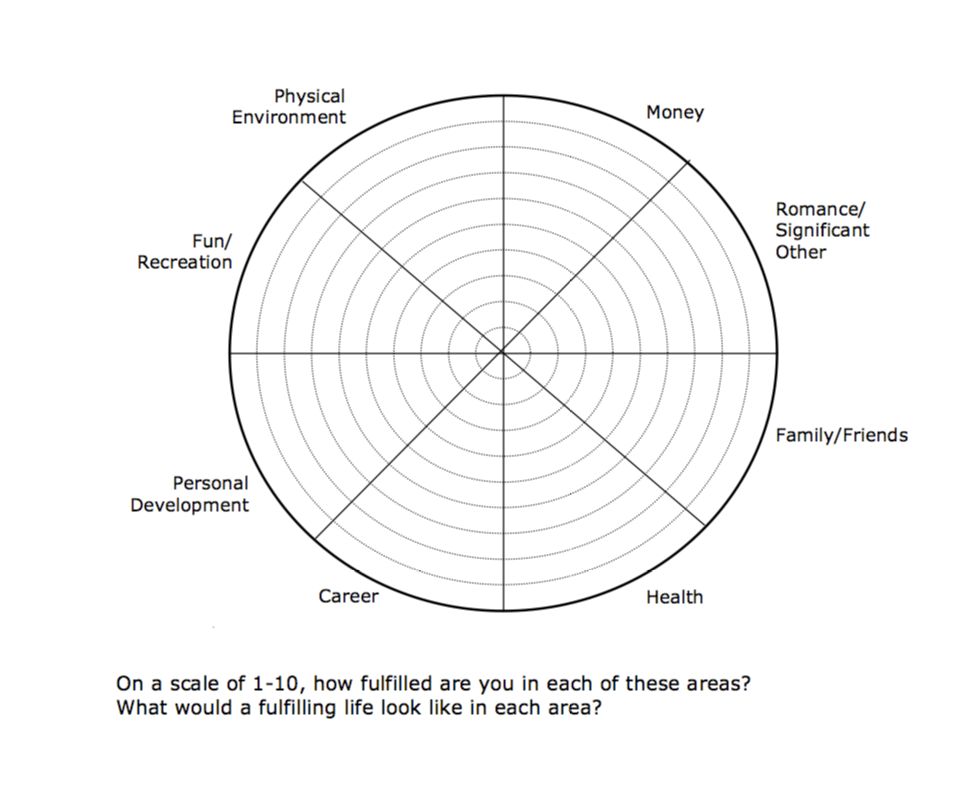
With this handout I usually had folks write in the category areas what worked for them, what didn’t work, and what will work in the future.

Don’t be a sucker

18 Friday Nov 2022

Posted by RichardB in Coping Skills

≈ Comments Off on Don’t be a sucker

Tags

protect, scam

Self-Care for Depression

02 Wednesday Nov 2022

Posted by RichardB in brain, Coping Skills, Depression

≈ Comments Off on Self-Care for Depression

Tags

care, Coping Skills, depression

As a clinical psychologist, Mary Pipher, PhD, designed “healing packages” for her patients: activities, resources, and comforts to help them recover from trauma. Then, after Dr. Pipher’s book Reviving Ophelia became a runaway best-seller, she herself suffered from an episode of major depression and designed a healing package of her own. “The essence of my personal healing package,” she describes in her book Seeking Peace, “was to keep my life as simple and quiet as possible and to allow myself sensual and small pleasures.” She created a mini-retreat center in her home and modified the ancient ways of calming troubled nerves to fit her lifestyle. Pipher’s healing package looked like this:

She accessed the healing power of water by walking at Holmes Lake Dam, swimming at the university’s indoor pool, and reading The New Yorker magazine in the bathtub every morning.

She cooked familiar foods, dishes that reminded her of home: jaternice, sweetbreads, and perch; and cornbread and pinto beans with ham hocks.

She unpacked her childhood teacup collection and displayed it near her computer desk to remind her of happy times and of people who loved her.

She reconnected with the natural world by walking many miles every week on the frozen prairie, watching the yellow aconites blossom in February and the daffodils and jonquils in March, following the cycles of the moon, and witnessing sunrises and sunsets.

She read biographies of heroes like Abe Lincoln, and read the poetry of Billy Collins, Robert Frost, Mary Oliver, and Ted Kooser.

She found role models for coping with adversity.

She limited her encounters with people and gave herself permission to skip holiday gatherings and postpone social obligations. She erased calendar engagements until she had three months of “white space” in her future.

She embraced her body through yoga and massage. She started to pay attention to tension in her neck and other cues from her body and let those signals teach her about herself.

She meditated every day.

These activities were exactly what she needed to emerge from the other side of depression. She writes:

“After taking care of my body for several months, it began to take good care of me. My blood pressure improved and my heart problems disappeared. After a few months of my simple, relatively stress-free life and my healing package of activities, I felt my depression lifting. I enjoyed the return of positive emotions: contentment, joy, calmness and new sparks of curiosity and energy. I again felt a great tenderness toward others.”

Psychiatrist James Gordon, MD, discusses similar healing packages in his best-selling book Unstuck. At the end of his first meetings with all of his patients, he will write out a “prescription of self-care,” which includes instructions on changing diet, advice about specific recommended meditations or exercises, and a list of supplements and herbs. “Among my recommendations, there are always actions, techniques, approaches, and attitudes that each person has told me — which she already knows — are helpful,” he explains. At the end of his introduction, he suggests each reader take some time to write out his or her own prescription. He supplies a form and everything.

Each person’s healing package is unique. Many people have benefited from more meditation and mindfulness exercises, psychotherapy sessions, and therapies like Eye Movement Desensitization and Reprocessing (EMDR) that help unclog the brain of painful memories. Some people do better with more physical exercise and nutritional changes. While mindfulness and meditation have certainly helped many become aware of my rumination patterns, the most profound changes in others recovery have come from the bags of dark, green leafy vegetables, yoga, and breathing exercises.

It’s empowering to know that we don’t need a doctor or any mental health professional to design a healing package for us. We are perfectly capable of writing this prescription ourselves. Sometimes (not always), all it takes are a few simple tweaks to our lifestyle over a period to pull us out of a crippling depression or unrelenting anxiety.

Anxiety Handout

26 Wednesday Oct 2022

Posted by RichardB in Coping Skills, Handout

≈ Comments Off on Anxiety Handout

Tags

Anxiety, handout

We all know the uncomfortable feeling of anxiety. Our hearts race, our fingers sweat, and our breathing gets shallow and labored. We experience racing thoughts about a perceived threat we fear will be too much to handle. That’s because our “fight or flight” response has kicked in, resulting in sympathetic arousal and a narrowing of attention and focus on avoiding the threat. We seem to be locked in that state, unable to focus on our daily chores or longer-term goals. Below are six strategies that you can use to help relieve your everyday anxiety:

  • Reevaluate the probability of the threatening event actually happening.

Anxiety makes us feel that a threat is imminent, yet most of the time what we worry most about never happens. By recording our worries—and how few actually came true—we can notice how much we overestimate the prospect of negative events.

  • De-catastrophize.

Even if a bad event happened, we may still be able to handle it by using  coping skills and problem-solving abilities or by enlisting others to help. Although not pleasant, we could still survive encountering a spider, having a panic attack, or losing money. It’s important to realize that very few things are the end of the world.

  • Use deep breathing and relaxation.

By deliberately relaxing our muscles we begin to calm down so we can think clearly. If you practice this at first without a threat present, it can start to become automatic and will be easier to use in the moment when you face a threat. Deep breathing engages the parasympathetic nervous system to put the brakes on sympathetic arousal.

  • Become mindful of your own physical and mental reactions.

The skill of mindfulness involves calmly observing our own reactions, including fear, without panic or feeling compelled to act. It can be taught in therapy and improves with practice.

  • Accept fear and commit to living a life based on core values.

Acceptance and Commitment Therapy (ACT) is an approach that encourages people to accept the inevitability of negative thoughts and feelings and not try to repress or control them. By directing attention away from the fear and back onto life tasks and valued goals, we can live a full life despite the fear.

  • Exposure.

Exposure is the most powerful technique for anxiety and it involves facing what we fear and staying in the situation long enough for the fear to habituate or go down, as it naturally does. Fear makes us avoid or run away, so our minds and bodies never learn that much of what we fear is not truly dangerous.

Anger Handout

12 Wednesday Oct 2022

Posted by RichardB in Coping Skills, Handout

≈ Comments Off on Anger Handout

Tags

anger, handout

I often work with groups I have never met before. When I walk into group I start to evaluate and access right away. For psych-educational groups I mostly focus on do I need to pull out a handout or not. That decision depends on the openness of the folks. Do they greet me verbally, with postures and/or gestures, eye contact, expressions of thoughts/feelings, where and how they are sitting.

In most places I have worked I would facilitate an anger management group. I used a variety of handouts and activities to have a process oriented group interaction. One of the handouts I use is below. I use it in 1 of 2 ways. I have folks fill it out first and then we discuss or we discuss while filling it out. Both ways we explore as a group, learning from each other.

ANGER WORDS

anger disgust grumpiness rage  aggravation dislike hate resentment  agitation envy hostility revulsion  annoyance exasperation irritation scorn  bitterness ferocity jealousy spite  contempt frustration loathing torment  cruelty fury mean-spiritedness vengefulness  destructiveness grouchiness outrage wrath

Other:_________________________

Prompting Events for Feeling Anger

Losing power.

Losing status.

Losing respect.

Being insulted.

Not having things turn out the way you expected.

Experiencing physical pain.

Experiencing emotional pain.

Being threatened with physical or emotional pain by someone or something.

Having an important or pleasurable activity interrupted, postponed, or stopped.

Not obtaining something you want (which another person has).

Other:_______________________________

Interpretations That Prompt Feelings of Anger

Expecting pain.

Feeling that you have been treated unfairly.

Believing that things should be different.

Rigidly thinking “I’m right.”

Judging that the situation is illegitimate, wrong, or unfair.

Ruminating about the event that set off the anger in the first place, or in the past.

Other:____________________________

Experiencing the Emotion of Anger

Feeling incoherent.

Feeling out of control.

Feeling extremely emotional.

Feeling tightness or rigidity in your body.

Feeling your face flush or get hot.

Feeling nervous tension, anxiety or discomfort.

Feeling like you are going to explode.

Muscles tightening. .

Teeth clamping together, mouth tightening.

Crying; being unable to stop tears.

Wanting to hit, bang the wall, throw something, blow up.

Other:__________________________

Expressing and Acting on Anger

Frowning or not smiling; mean or unpleasant facial expression.

Gritting or showing your teeth in an unfriendly manner.

Grinning.

A red or flushed face.

Verbally attacking the cause of your anger; criticizing.

Physically attacking the cause of your anger.

Using obscenities or cursing.

U sing a loud voice, yelling, screaming, or shouting.

Complaining or bitching; talking about how lousy things are.

Clenching your hands or fists.

Making aggressive or threatening gestures.

Pounding on something, throwing things, breaking things.

Walking heavily or stomping; slamming doors, walking out.

Brooding or withdrawing from contract with others.

Other:_____________________

After effects of Anger

Narrowing of attention.

Attending only to the situation making you angry.

Ruminating about the situation making you angry and not being able to think of anything else.

Remembering and ruminating about other situations that have made you angry in the past.

Imagining future situations that will make you angry.

Depersonalization, dissociative experience, numbness.

Intense shame, fear, or other negative emotions.

Other:______________________

Emotional Intelligence

28 Wednesday Sep 2022

Posted by RichardB in Coping Skills

≈ Comments Off on Emotional Intelligence

Tags

handout

I often work with groups using lists. In creative arts therapy as well as educational and process oriented groups lists are a great framework to explore thoughts, and/or feelings. Here is a list that often comes up in groups: ten suggestions about feelings.

1. Become emotionally literate.

Label your feelings, rather than labeling people or situations.

Use three word sentences beginning with “I feel”.

“I feel impatient.” vs “This is ridiculous.” I feel hurt and bitter”. vs. “You are an insensitive jerk.”

“I feel afraid.” vs. “You are driving like an idiot.”

2. Distinguish between thoughts and feelings.

Thoughts: I feel like…& I feel as if…. & I feel that

Feelings: I feel: (feeling word)

3. Take more responsibility for your feelings.

“I feel jealous.” vs. “You are making me jealous.”

Analyze your own feelings rather than the action or motives of other people. 

Let your feelings help you identify your unmet emotional needs.

4. Use your feelings to help make decisions

“How will I feel if I do this?” “How will I feel if I don’t?”

“How do I feel?” “What would help me feel better?”

Ask others “How do you feel?” and “What would help you feel better?”

5. Use feelings to set and achieve goals

6. Feel energized, not angry.

Use what others call “anger” to help feel energized to take productive action.

7. Validate other people’s feelings.

Show empathy, understanding, and acceptance of other people’s feelings.

8. Use feelings to help show respect for others.

How will you feel if I do this? How will you feel if I don’t? Then listen and take their feelings into consideration.

9. Don’t advise, command, control, criticize, judge or lecture to others.

Instead, try to just listen with empathy and non-judgment.

10. Avoid people who invalidate you. While this is not always possible, at least try to spend less time with them, or try not to let them have psychological power over you.

 Self-care is Setting Boundaries

21 Wednesday Sep 2022

Posted by RichardB in Coping Skills

≈ Comments Off on  Self-care is Setting Boundaries

Tags

boundaries, create

“Some of us have so many voices in our heads, we could hold group therapy by ourselves,” said Rokelle Lerner, a popular speaker and trainer on relationships, women’s issues, and addicted family systems.

This internal chorus is often composed of voices from our family of origin, voices of critical teachers or bosses, voices from past relationships or current situations. Often these voices are drowned out by our own voice nagging, reprimanding, berating, but rarely praising us.

“In times of stress or chaos, the voices grow louder and it’s easy to go numb,” Lerner once told the audience at a Hazelden Women Healing Conference.  “We become estranged from our purpose and our passion. Our response is fear, and our reaction is an attempt at control.” We frequently become children again during times of stress — reverting to old and unhealthy patterns that were present in dysfunctional families or relationships. Our boss becomes our mother, the vindictive coworker becomes the childhood bully. Although we are adults, we feel like vulnerable children, and this vulnerability puts us at risk for depression, substance abuse, or other addictive behaviors.

“We need to ‘grow ourselves up’ when we feel little,” said Lerner. Growing up is about setting appropriate boundaries and limits and turning from reactivity to creativity. “Without boundaries, we all react to the past and retreat to family patterns,” said Lerner. Boundaries communicate “what I value I will protect, but what you value I will respect.”

Lerner said that growing up is about maintaining dignity and integrity, and being “authentic” with ourselves — a skill that takes practice and preparation. It’s about learning how or whether you want to “show up” in a situation, how you want to communicate what you need or want to say, and then taking the consequences for what you say and do. It’s also about listening attentively and with respect. When people communicate clearly, directly, honestly, and sensitively, they are learning to speak from the best part of themselves to the best part of others, said Lerner.

“Healthy adults learn how to make appropriate requests, how to set limits, and how to take action,” said Lerner. She gave an example of a skateboarder who taunted a woman by skating too close to her, knocking the newspaper she held out of her hands. The woman at first reacted explosively by yelling and calling the adolescent every derogatory name she could think of. He just laughed and walked away. Overcoming that first raw reaction, she called him back, this time explaining in a much calmer voice, “What I meant to say is that you scared me. I thought you were going to hurt me.”

“If you can’t identify your emotions right away, at least you can control your behavior,” said Lerner. This “fake it ’til you make it” approach is one of the first things people recovering from addiction learn. It often requires counting to 10, breathing deeply, or excusing yourself until you feel more in control. Reacting reflectively rather than reflexively opens the door for honest interaction.

Boundaries differ for each individual and for each situation, but run along a continuum from “too intrusive” on one end to “too distant” on the other. The trick is to pay close attention to your instincts and feelings so you can strike a healthy balance in relationships that will honor your own boundaries. If an interaction feels inappropriate or uncomfortable, the chances are a personal boundary is being tested or crossed or a need is not getting met.

The more we practice sifting through all the voices in our heads, tuning into and trusting the one clear voice within that guides and protects us, the better we will get at identifying and respecting our own personal boundaries. We will also get better at developing strategies to take the best possible care of ourselves when we feel our boundaries are being violated. We discover how outlets like mutual-help groups, hot baths, long walks, and prayer or meditation feed our soul better than drugs or alcohol. We discover how good it feels to be a grown-up.

Irrational Statements

07 Wednesday Sep 2022

Posted by RichardB in Coping Skills, Handout

≈ Comments Off on Irrational Statements

Tags

handout, Irrational Beliefs

When we think (and strongly believe!), really irrational stuff, we are most likely thinking one or more of the following:

  • “Things should (ought, must, have to) be different than they are!”
  • “It’s awful (horrible, terrible, catastrophic) that they aren’t!”
  • “I can’t stand it (it’s too long, too much, too big, too painful)!”
  • “Somebody here is a jerk!”
  • “Because I have failed, I’ll always fail!”

Sure, there are other possible irrational statements, but these are among the most frequent, I believe; these are the big five. They represent “must”, “awfulizing”, “low frustration tolerance (LFT)”, and “condemning” beliefs.

A fellow maniac of the freeways cuts you off at the pass. You flip into overdrive rage: “Hey, jerk!” “You learn to drive in your living room (translation: He shouldn’t drive like that)?” “That’s the way to get people killed (translation: That’s awful)!” “I can’t stand drivers like that (translation: I can’t stand driver’s like you)!” You only needed three of the five crazy beliefs here.

I find these five statements are frequently part of the irrational thinking that gets people in trouble. If you work diligently to notice these irrational beliefs, that is the first step in having control.

If you have a little difficulty seeing that you believe these crazy ideas, just pay attention to what goes through your mind when you feel upset. That’s the way it sometimes is with “new thinking;” we need a little time and pushing to catch it. Be patient with yourself, and you’ll catch on, too.

Addiction: One Perspective

31 Wednesday Aug 2022

Posted by RichardB in Addiction, Coping Skills

≈ Comments Off on Addiction: One Perspective

Tags

perspective

Whether consciously acknowledged or not, we live in an almost constant state of anxiety. We are concerned with what we may lose, or what we may not gain. We also live in grief and regret over what we have left behind or at least feel we may have indeed lost. We thus attach ourselves to the very things that we cannot, ultimately, control, the past and the future. In truth, there is only today, this moment, and this breath with which we are, and can be, connected. The past is gone, and the future has not yet happened. We are here, now.

From a Buddhist perspective, addiction might be considered the archetype of attachment. Addiction is, in fact, a collection of attachments. It is attachment to fear, attachment to loss, and attachment to longing, emptiness, and a lack of a sense of purpose. Whether we choose alcohol, drugs, sex, food, pornography, exercise or even shopping, we are simply employing the means serving the compulsion to fill a space and dampen our pain. The means does not matter; that is simply a gesture. The compulsion is the crux of it, and that compulsion is not so much to drink, or do drugs, or to spend; that compulsion, ultimately, is to fill that space.

And just what is that space? We might look upon it as the “God-shaped hole.” The wisdom teachings suggest that in identifying with a self, a “me”, we divorce ourselves from the true nature of our existence. From a psychological perspective, this division presents itself as inauthenticity, and the internal conflict that condition engenders promotes internal strife. In our attempt to reconcile this sense of inauthenticity, we cling even more desperately to establishing a sense of “me-ness” and can, in some cases, become morbidly self-destructive in our attempts to soothe the pain of failure in that reconciliation.

Addiction generally begins as an interest. As soon as we express an interest in something, we are expressing a preference. In expressing a preference, we are dividing our attention and creating an attachment to something in the world around us. As that interest turns into a fascination, our attachment deepens. Our attention becomes more and more exclusive, and we become increasingly imbalanced; emotionally, intellectually, and spiritually.

Fascination may then flower into obsession, and we become a slave to our attachment. We are no longer ourselves, and rather than ‘losing our mind’, which would be the skillful means by which to escape our attachment, we are trapped inside the mind.

With obsession, our attachment becomes even more intensified, and our exclusion even more narrow. As we become slaves to our attachment, our mind, and our behavior, we lose the ability to exercise free will and, in that light, move from obsession to compulsion; from place of being driven, to a place of need.

At this point we fail the First Noble Truth; our attachment has become so involved that we have invited suffering. We are no longer willful, but, rather, subject to and at the sufferance of the will of our attachments. When we find ourselves in a place that we cannot live without exercising this attachment, whatever it may be, we have fallen into a state of addiction.

Within the context of addiction, people often feel that they do not have a choice. Nothing could be further from the truth. We always have a choice. When confronting someone who themselves is confronting an addiction, saying to them, “Stopping your behavior is your choice.” is, however, often met with profound resistance for their failure to see that choice.

The key to getting a grasp on this is recognizing that choice is a constant state; it is not a single moment in time. If the choice not to be addicted were a single choice point, then all we would ultimately do is move our attachment from something socially defined as negative (say, drinking or being promiscuous) to something that is socially defined as positive (not drinking or being chaste). In fact, we would become addicted, or at the very least attached, to not being addicted.

Buddha spoke of the Middle Way. Within the context of choice that suggests that if we are present in the moment, our choices are constant. We do not, then, go right or left, say yes or no, think good or bad, or see black or white; rather, we are aware that both opportunities are presenting themselves, we recognize this and acknowledge it, then choose neither.

When we lose the Middle Way and fall off our balancing point, we create our pain. We create our sense of emptiness, and our anxiety around loss. We deceive ourselves into believing that we are less than whom and what we are by virtue of attaching ourselves to things, objects, situations, emotions, and anxieties that take us away from ourselves. This is the engine of addiction.

Coming back to the present moment brings us back to our constancy of choice. We find ourselves in the Middle Way, on the balancing point and we are able to see both choices. Seeing both sides in balance and in perspective then gives us the opportunity to exercise compassion. Most importantly, it gives us the opportunity to exercise compassion toward ourselves. We are able to see the left and the right, and we are also able to see the left in the right and the right in the left.

Our frustration with the world and sense of victimhood thus becomes transformed into the recognition that we must set an intention in our lives. Our depression finds an antidote for itself in the gratitude that we can express simply for being alive. We begin to see outside ourselves with a clear vision and recognize that the things outside ourselves are, in fact, quite outside ourselves. In letting go of our attachments we also let go of the things that influence us and draw us into a state of mind where we feel less than we are, where we feel that something is missing, where we need to fill the space, or dampen the pain, or simply make it go away.

Coming back to the breath as a marker for the present moment and exercising the constancy of choice in that moment and every moment also gives us an opportunity to break free of the bonds of this supreme state of attachment and begin to climb out of the pit of suffering into which we have gotten ourselves.

← Older posts

instagram

Follow RichardbBrunner on WordPress.com
  • Tumblr
  • YouTube

Blog at WordPress.com.

Privacy & Cookies: This site uses cookies. By continuing to use this website, you agree to their use.
To find out more, including how to control cookies, see here: Cookie Policy
  • Subscribe Subscribed
    • RichardbBrunner
    • Join 491 other subscribers
    • Already have a WordPress.com account? Log in now.
    • RichardbBrunner
    • Subscribe Subscribed
    • Sign up
    • Log in
    • Report this content
    • View site in Reader
    • Manage subscriptions
    • Collapse this bar
 

Loading Comments...