• Home
  • Music
  • About
  • Contact
  • CreativeTherapyTools.com

RichardbBrunner

~ creative arts therapist

RichardbBrunner

Category Archives: Meditation

Being Creative & Meditation

20 Wednesday Mar 2024

Posted by RichardB in Creativity, grounding, Meditation, mindfulness

≈ Comments Off on Being Creative & Meditation

Tags

create, Creativity, meditation, mindfulness

Certain meditation techniques can promote creative thinking, even if you have never meditated before. This is the outcome of a study by cognitive psychologist Lorenza Colzato and Dominique Lippelt at Leiden University, published in Mindfulness.MP900309017

Long-lasting influence

The study is a clear indication that you don’t need to be an experienced meditator to profit more from meditation. The findings support the belief that meditation can have a long-lasting influence on human cognition, including how we conceive new ideas. Besides experienced meditators, also novices may profit from meditation.

Different techniques, different effects

But the results demonstrate that not all forms of meditation have the same effect on creativity. Test persons performed better in divergent thinking (= thinking up as many possible solutions for a given problem) after Open Monitoring meditation (= being receptive to every thought and sensation). The researchers did not see this effect on divergent thinking after Focused Attention meditation (=focusing on a particular thought or object.)

Setup of the study

Print40 individuals participated in this study, who had to meditate for 25 minutes before doing their thinking tasks. There were both experienced mediators and people who never meditated before. The study investigated the influences of different types of meditative techniques on the two main ingredients of creativity:

  • Divergent thinking Allows for many new ideas to be generated. It is measured using the so-called Alternate Uses Task method where participants are required to think up as many uses as possible for a particular object, such as a pen.
  • Convergent thinking Convergent thinking, on the other hand, is a process whereby one possible solution for a particular problem is generated. This is measured using the Remote Associates Task method, where three unrelated words are presented to the participants, words such as ‘time’, ‘hair’ and ‘stretch’. The participants are then asked to identify the common link: in this case, ‘long’.

Lorenza S. Colzato, Ayca Szapora, Dominique Lippelt, Bernhard Hommel. Prior Meditation Practice Modulates Performance and Strategy Use in Convergent- and Divergent-Thinking Problems. Mindfulness, 2014; DOI: 10.1007/s12671-014-0352-9

Meditation can change you| Big Think

14 Wednesday Dec 2022

Posted by RichardB in Creative Therapy Tools, Meditation, mindfulness

≈ Comments Off on Meditation can change you| Big Think

Tags

meditation, mindfulness

There are a lot of misconceptions when it comes to what mindfulness is and what meditation can do for those who practice it. In this video, professors, neuroscientists, psychologists, composers, authors, and a former Buddhist monk share their experiences, explain the science behind meditation, and discuss the benefits of learning to be in the moment. “Mindfulness allows us to shift our relationship to our experience,” explains psychologist Daniel Goleman. The science shows that long-term meditators have higher levels of gamma waves in their brains even when they are not meditating. The effect of this altered response is yet unknown, though it shows that there are lasting cognitive effects. “I think we’re looking at meditation as the next big public health revolution,” says ABC News anchor Dan Harris. “Meditation is going to join the pantheon of no-brainers like exercise, brushing your teeth and taking the meds that your doctor prescribes to you.” Closing out the video is a guided meditation experience led by author Damien Echols that can be practiced anywhere and repeated as many times as you’d like.

Breathe

13 Thursday Jan 2022

Posted by RichardB in Meditation, mindfulness, Wellness

≈ Comments Off on Breathe

When we come out of the womb and take our first inhale and when we pass away and take our last exhale the breath is primal and fundamental to are being.
Since breathing is something we can control and regulate, it is a useful tool for achieving a relaxed and clear state of mind. Here are some simple breathing exercises:
Exhale completely through your mouth, making a whoosh sound.

Close your mouth and inhale quietly through your nose to a mental count of four.
Hold your breath for a count of seven.
Exhale completely through your mouth, making a whoosh sound to a count of eight.
This is one breath. Now inhale again and repeat the cycle three more times for a total of four breaths.
Place one hand on your chest and the other on your abdomen. When you take a deep breath in, the hand on the abdomen should rise higher than the one on the chest. This insures that the diaphragm is pulling air into the bases of the lungs.
After exhaling through the mouth, take a slow deep breath in through your nose imagining that you are sucking in all the air in the room and hold it for a count of 7 (or as long as you are able, not exceeding 7)
Slowly exhale through your mouth for a count of 8. As all the air is released with relaxation, gently contract your abdominal muscles to completely evacuate the remaining air from the lungs. It is important to remember that we deepen respirations not by inhaling more air but through completely exhaling it.
Repeat the cycle four more times for a total of 5 deep breaths and try to breathe at a rate of one breath every 10 seconds (or 6 breaths per minute). At this rate our heart rate variability increases which has a positive effect on cardiac health.
Once you feel comfortable with the above technique, you may want to incorporate words that can enhance the exercise. Examples would be to say to yourself the word, relaxation (with inhalation) and stress or anger (with exhalation). The idea being to bring in the feeling/emotion you want with inhalation and release those you don’t want with exhalation.
In general, exhalation should be twice as long as inhalation. The use of the hands on the chest and abdomen are only needed to help you train your breathing. Once you feel comfortable with your ability to breathe into the abdomen, they are no longer needed.

Meditation and Pain Management

11 Tuesday Jan 2022

Posted by RichardB in Meditation, mindfulness, Uncategorized

≈ Comments Off on Meditation and Pain Management

Tags

meditation, pain management

Meditation can relieve pain, and it does so by activating multiple brain areas, according to an April 2011 study in the Journal of Neuroscience. Fadel Zeidan of Wake Forest University and his colleagues scanned people’s brains as they received uncomfortably hot touches to the leg. When subjects practiced a mindful meditation technique that encourages detachment from experience while focusing on breathing, they reported less 00402582pain than when they simply paid attention to their breathing. Likewise, different patterns of brain activity emerged under the two conditions, with mindful meditating resulting in more activity not only in executive centers that evaluate experiences and regulate emotions but also in lower regions that control the signals coming from the body.

The volunteers learned the meditation technique in only four 20-minute sessions, which means this pill-free analgesia could be a feasible way to help real patients suffering from pain. “People can reap some of the benefits of meditation without extensive training,” Zeidan says.

When I work with patients using mindfulness I start by asking who has experience with any type of meditation, breathing techniques and/or relaxation exercises. We than have a  brief explanation and question and answer period and I focus on removing any doubt, fear, or skepticism. I usually than do a 10 to 12 minute body scan moving right into a mindful meditation that focuses on the breath.

With the co-occurring patients I work with this process seems to work the best. The chat in the beginning warms people up, the body scan relaxes which helps the meditators enter into a more meditative state.

Study shows gene expression changes with meditation

18 Thursday Mar 2021

Posted by RichardB in Health, Meditation, mental health, mindfulness, Relaxation, research, Wellness

≈ 1 Comment

Tags

genes, Meditation, mindfulness, research

1378006_10151699852947169_1244682694_nWith evidence growing that meditation can have beneficial health effects, scientists have sought to understand how these practices physically affect the body.

A new study by researchers in Wisconsin, Spain, and France reports the first evidence of specific molecular changes in the body following a period of mindfulness meditation. The study investigated the effects of a day of intensive mindfulness practice in a group of experienced meditators, compared to a group of untrained control subjects who engaged in quiet non-meditative activities. After eight hours of mindfulness practice, the meditators showed a range of genetic and molecular differences, including altered levels of gene-regulating machinery and reduced levels of pro-inflammatory genes, which in turn correlated with faster physical recovery from a stressful situation.

“To the best of our knowledge, this is the first paper that shows rapid alterations in gene expression within subjects associated with mindfulness meditation practice,” says study author Richard J. Davidson, founder of the Center for Investigating Healthy Minds and the William James and Vilas Professor of Psychology and Psychiatry at the University of Wisconsin-Madison.

“Most interestingly, the changes were observed in genes that are the current targets of anti-inflammatory and analgesic drugs,” says Perla Kaliman, first author of the article and a researcher at the Institute of Biomedical Research of Barcelona, Spain (IIBB-CSIC-IDIBAPS), where the molecular analyses were conducted.

The study was published in the journal Psychoneuroendocrinology.

Mindfulness-based trainings have shown beneficial effects on inflammatory disorders in prior clinical studies. The new results provide a possible biological mechanism for therapeutic effects.

The results show a down-regulation of genes that have been implicated in inflammation. The affected genes include the pro-inflammatory genes RIPK2 and COX2 as well as several histone deacetylase (HDAC) genes, which regulate the activity of other genes epigenetically by removing a type of chemical tag. What’s more, the extent to which some of those genes were downregulated was associated with faster cortisol recovery to a social stress test involving an impromptu speech and tasks requiring mental calculations performed in front of an audience and video camera.

Perhaps surprisingly, the researchers say, there was no difference in the tested genes between the two groups of people at the start of the study. The observed effects were seen only in the meditators following mindfulness practice. In addition, several other DNA-modifying genes showed no differences between groups, suggesting that the mindfulness practice specifically affected certain regulatory pathways.

However, it is important to note that the study was not designed to distinguish any effects of long-term meditation training from those of a single day of practice. Instead, the key result is that meditators experienced genetic changes following mindfulness practice that were not seen in the non-meditating group after other quiet activities — an outcome providing proof of principle that mindfulness practice can lead to epigenetic alterations of the genome.

Previous studies in rodents and in people have shown dynamic epigenetic responses to physical stimuli such as stress, diet, or exercise within just a few hours.

“Our genes are quite dynamic in their expression and these results suggest that the calmness of our mind can actually have a potential influence on their expression,” Davidson says.

“The regulation of HDACs and inflammatory pathways may represent some of the mechanisms underlying the therapeutic potential of mindfulness-based interventions,” Kaliman says. “Our findings set the foundation for future studies to further assess meditation strategies for the treatment of chronic inflammatory conditions.”

Study funding came from National Center for Complementary and Alternative Medicine (grant number P01-AT004952) and grants from the Fetzer Institute, the John Templeton Foundation, and an anonymous donor to Davidson. The study was conducted at the Center for Investigating Healthy Minds at the UW-Madison Waisman Center.

Journal Reference:

Perla Kaliman, María Jesús Álvarez-López, Marta Cosín-Tomás, Melissa A. Rosenkranz, Antoine Lutz, Richard J. Davidson. Rapid changes in histone deacetylases and inflammatory gene expression in expert meditators.Psychoneuroendocrinology, 2014; 40: 96 DOI: 10.1016/j.psyneuen.2013.11.004

How meditation can change your life and mind | Sam Harris, Jon Kabat-Zinn & more | Big Think

17 Thursday Dec 2020

Posted by RichardB in Meditation, mindfulness

≈ Comments Off on How meditation can change your life and mind | Sam Harris, Jon Kabat-Zinn & more | Big Think

Tags

meditation, mindfulness

There are a lot of misconceptions when it comes to what mindfulness is and what meditation can do for those who practice it. In this video, professors, neuroscientists, psychologists, composers, authors, and a former Buddhist monk share their experiences, explain the science behind meditation, and discuss the benefits of learning to be in the moment. “Mindfulness allows us to shift our relationship to our experience,” explains psychologist Daniel Goleman. The science shows that long-term meditators have higher levels of gamma waves in their brains even when they are not meditating. The effect of this altered response is yet unknown, though it shows that there are lasting cognitive effects. “I think we’re looking at meditation as the next big public health revolution,” says ABC News anchor Dan Harris. “Meditation is going to join the pantheon of no-brainers like exercise, brushing your teeth and taking the meds that your doctor prescribes to you.” Closing out the video is a guided meditation experience led by author Damien Echols that can be practiced anywhere and repeated as many times as you’d like.

Yoga may boost your brain power

11 Friday Dec 2020

Posted by RichardB in brain, Health, Meditation, Relaxation, Wellness, Yoga

≈ Comments Off on Yoga may boost your brain power

Tags

balance, research, stress

Yogis may be enjoying a surprising benefit when they unroll their mats and strike a pose. A new study finds that just 20 minutes of hatha yoga stimulates brain function.

Researchers from the University of Illinois at Urbana-Champaign enlisted 30 subjects to take tests of working memory and inhibitory control, two measures of brain function associated with the ability to focus, retain, and use new information, the researchers said.

Subjects who took a single, 20-minute yoga session were significantly faster and more accurate on their tests than subjects who walked or jogged on a treadmill for 20 minutes.
Participants on the treadmill exercised with the goal of maintaining 60 to 70 percent of their maximum heart rate throughout the exercise session. “This range was chosen to replicate previous findings that have shown improved cognitive performance in response to this intensity,” the researchers said.yoga1

“Yoga is an ancient Indian science and way of life that includes not only physical movements and postures but also regulated breathing and meditation,” said study lead Neha Gothe. “The practice involves an active attentional or mindfulness component but its potential benefits have not been thoroughly explored.”

Subjects who practiced yoga performed a 20-minute sequence of seated, standing, and supine yoga postures, with the class ending in a meditative posture and deep breathing.

“It appears that following yoga practice, the participants were better able to focus their mental resources, process information quickly, more accurately and also learn, hold and update pieces of information more effectively than after performing an aerobic exercise bout,” Gothe said.

“The breathing and meditative exercises aim at calming the mind and body and keeping distracting thoughts away while you focus on your body, posture or breath,” she said. “Maybe these processes translate beyond yoga practice when you try to perform mental tasks or day-to-day activities.”

Findings, announced June 5, appear in the Journal of Physical Activity and Health.
A separate study published last month finds that twice-weekly yoga sessions can reduce high blood pressure. In the study, researchers led by Dr. Debbie Cohen of the University of Pennsylvania tracked 58 women and men, aged 38 to 62, for 24 weeks.

Another study published earlier this year in the journal Frontiers in Psychiatry found that the practice may soothe depression and help sleep problems.

Read more:A 20-minute yoga session may boost your brain power – The Denver Posthttp://www.denverpost.com/breakingnews/ci_23413802/20-minute-yoga-session-may-boost-your-brain#ixzz2VoCOdrUU

Meditation, Hypnosis, and Relaxation for Pain Treatment

28 Wednesday Oct 2020

Posted by RichardB in Meditation, Pain

≈ Comments Off on Meditation, Hypnosis, and Relaxation for Pain Treatment

Tags

relaxation

Stress and pain are intimately related. When being in pain causes stress or being stressed worsens pain, psychological therapies — including hypnosis, meditation, and relaxation — may help break the cycle.

For pain therapists, these treatments, which focus on the relationship between the mind and body, are considered mainstream. For other health professionals, they may be considered alternative or complementary therapies. Regardless of how they are labeled, there is evidence that for many people they work.

If you’re considering trying one of these approaches to pain relief, here’s what you need to know.

SONY DSC


Hypnosis

For many, hypnosis brings to mind a parlor game or nightclub act, where a man with a swinging watch gets volunteers to walk like a chicken or bark like a dog. But clinical, or medical, hypnosis is more than fun and games. It is an altered state of awareness used by licensed therapists to treat psychological or physical problems.

During hypnosis, the conscious part of the brain is temporarily tuned out as the person focuses on relaxation and lets go of distracting thoughts. The American Society of Clinical Hypnotists likens hypnosis to using a magnifying glass to focus the rays of the sun and make them more powerful. When our minds are concentrated and focused, we are able to use them more powerfully. When hypnotized, a person may experience physiologic changes, such as a slowing of the pulse and respiration, and an increase in alpha brain waves. The person may also become more open to specific suggestions and goals, such as reducing pain. In the post-suggestion phase, the therapist reinforces continued use of the new behavior.


Benefits of Hypnosis

Research has shown medical hypnosis to be helpful for acute andchronic pain. In 1996, a panel of the National Institutes of Health found hypnosis to be effective in easing cancer pain. More recent studies have demonstrated its effectiveness for pain related to burns, cancer, and rheumatoid arthritis and reduction of anxiety associated with surgery. An analysis of 18 studies by researchers at Mount Sinai School of Medicine in New York revealed moderate to large pain-relieving effects from hypnosis, supporting the effectiveness of hypnotic techniques for pain management.

If you want to try hypnosis, you can expect to see a practitioner by yourself for a course of 1-hour or half-hour treatments, although some practitioners may start with a longer initial consultation and follow up with 10- to 15-minute appointments. Your therapist can give you a post-hypnotic suggestion that will enable you to induce self-hypnosis after the treatment course is completed.

Alternatively, audio recordings exist that walk the listener through the steps necessary to achieve the benefits from hypnosis.

To find a hypnotherapist, speak to your doctor or contact the American Society of Clinical Hypnosis.

Meditation

Meditation involves using a number of awareness techniques to help quiet the mind and relax the body. The two most common techniques are:

      • Transcendental meditation . The patient repeats a single word or phrase, called a mantra, and is taught to allow other thoughts and feelings to pass.
      • Mindfulness Meditation. The person focuses all of his or her attention on thoughts and sensations. This form of meditation is often taught in stress-reduction programs.


Benefits of Meditation

Studies suggest that meditating can increase pain tolerance, activity levels, and self-esteem and decrease anxiety, stress, depression, and use of pain medications.

Mindfulness meditation has been used successfully in programs to reduce pain and improve mood in patients with chronic pain from a variety of conditions, including headache, low back pain, chest pain, and gastrointestinal pain.

There are varied forms of meditation and training certification organizations; for example, one can get certified in mindfulness-based stress reduction (MBSR), but if you’re not sure, speak to your doctor, who may be able to recommend a good teacher or teaching facility.

To practice meditation, repeated meetings with the instructor may not be necessary. A recent study examining the perception of pain and various mental training techniques has found that relatively short and simple mindfulness meditation training can have a significant positive and long-term effect on pain.


Relaxation Therapies

Relaxation therapies include a range of techniques with the goal of reducing stress. In addition to meditation, the major types of relaxation techniques are:
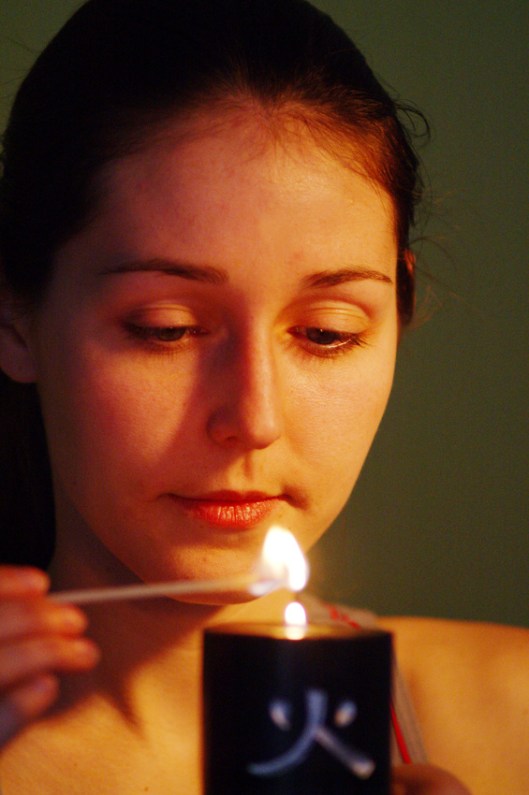
concept

Progressive muscle relaxation .Also known as systematic muscle relaxation and Jacobson relaxation, this technique involves slowly tensing, briefly holding, and then releasing each muscle group in a systematic fashion, starting with the muscles in the toes and moving upward. During this exercise, the person should notice the differences between tension and relaxation.

Autogenic training . This technique uses visual imagery and body awareness to achieve relaxation. The person imagines being in a peaceful place and then focuses on different physical sensations, such as heaviness of the limbs or a calm heartbeat. People may practice on their own, creating their own images, or be guided by a therapist. Patients may also be encouraged to see themselves coping more effectively with stressors in their lives.

Breathing. Breathing techniques teach people to breathe effectively to relieve stress. While placing one hand on the chest and another on the belly, the person is instructed to take a slow, deep breath, taking in as much air as possible. During this, the belly should press against the hand. After holding their breath for a few seconds, patients are instructed to slowly exhale.

Benefits of Relaxing

While research is ongoing, there is evidence to suggest the effectiveness of relaxation techniques for reducing chronic pain related to a variety of medical conditions, including stress-related disorders. Other benefits may include reduced muscle tension and insomnia and increased activity level.

The best way to learn relaxation techniques is with the help of a trained practitioner. Usually, these techniques are taught in a group class and then practiced regularly at home.

There is no widely accepted license for practicing relaxation therapy. However, it is often practiced by therapists and psychologists. Ask your doctor for a recommendation.


Risks of Mind-Body Therapies

Although mind/body therapies don’t have the risks of medical or surgical therapies, there have been rare reports of adverse reactions from them.

If you have poorly controlled cardiovascular disease, experts recommend avoiding progressive muscle relaxation, because abdominal tensing can cause increased pressure in the chest cavity, slowing of the pulse, decreased return of blood to the heart, and increased venous pressure.

If you have a history of psychosis or epilepsy, you may wish to speak with your doctor before trying meditation. There have been reports of some people having further acute episodes following deep and prolonged meditation.

Hypnosis or deep relaxation can sometimes worsen psychological problems in people with post-traumatic stress disorders or a susceptibility to false memories. Its use should be avoided in patients with borderline personality disorder, dissociative disorders, or with patients who have histories of profound abuse. Because competent hypnotherapists are skilled in recognizing and referring patients with these conditions, only appropriately trained and experienced practitioners should undertake hypnosis.

Mindfulness: how to be present in the moment

20 Tuesday Oct 2020

Posted by RichardB in grounding, Health, Meditation, mindfulness, Wellness

≈ Comments Off on Mindfulness: how to be present in the moment

Tags

meditation, mindfulness

UC San Diego Center for Mindfulness joins William Mobley, MD, PhD for a discussion of how to be present in the moment and leverage the practice of mindfulness to stay engaged, focused, and fulfilled

What is Mindfulness ?

07 Wednesday Oct 2020

Posted by RichardB in Health and wellness, Meditation, mindfulness

≈ Comments Off on What is Mindfulness ?

Mindfulness is a concentrated state of awareness that can help us see and respond to situations with clarity and without getting carried away by emotions or the constant chatter in our heads. Mindfulness enables us to:

· Better manage tension and stress

· Enhance objectivity, mental focus

· Communicate and make decisions more effectively

· Improve productivity

· Quiet’s noise in the mind

1378006_10151699852947169_1244682694_n

Meditation

Meditation is the tool we use to cultivate mindfulness. With meditation, you intentionally pay attention to a particular object as a way to strengthen concentration. There are thousands of meditative techniques: Tai Chi, yoga, focusing on the breath and using a mantra are all examples. People often think that meditating “correctly” means clearing all thought from the mind. This is a myth. The mind never stops thinking – it’s when we get caught up in our thoughts that we lose mindfulness. By witnessing thoughts, allowing them to pass, and returning to your chosen object of focus, you can actually build the muscle of concentration. Think of meditation as a fitness routine for the mind.

Are there other benefits to mindfulness?

In addition to boosting brain power, numerous research studies have shown significant physical benefits including:

· Reduced blood pressure

· Lowered cholesterol levels

· Enhanced immune function

· Reduced headache, migraine, back pain

· Improved respiratory function

Mindfulness does not require a particular set of beliefs in order to learn and practice – it is a quality of mind, accessible and available to all.

Mindfulness allows us to live every moment fully without the filters of bias, judgment or emotional reaction.

Mindfulness helps the body cope with physical challenges such as headaches, back pain and even heart disease.

Mindfulness keeps us from reacting too quickly – it helps increase the gap between impulse and action.

Relaxation

30 Wednesday Sep 2020

Posted by RichardB in Health, Meditation, mindfulness, Relaxation, Wellness

≈ Comments Off on Relaxation

I started engaging in relaxation tools as a teenage in the mid 1970’s when I first started practicing Hatha and Raja Yoga. After 38 years I can say with confidence that it works for me. Since 1983 amongst other things I have taught Hatha Yoga,  and relaxation techniques. 
In the past 40 years, there has been considerable interest in the relaxation response and how inducing this state may benefit health. Research has focused primarily on illness and conditions in which stress may play a role either as the cause of the condition or as a factor that can make the condition worse.dd340-apple-with-heart

Currently, there is some scientific evidence that relaxation techniques may be an effective part of an overall treatment plan for some disorders, including:

  • Anxiety. Studies have suggested that relaxation may assist in the treatment of phobias or panic disorder. Relaxation techniques have also been used to relieve anxiety for people in stressful situations, such as when undergoing a medical procedure.
  • Depression. In 2008, a major review of the evidence for relaxation in the treatment of depression found that relaxation techniques were more effective than no treatment for depression, but not as effective as cognitive-behavioral therapy.
  • Headache. There is some evidence that biofeedback and other relaxation techniques may be helpful for relieving tension or migraine headaches. In some cases, these mind and body techniques were more effective than medications for reducing the frequency, intensity, and severity of headaches.
  • Pain. Some studies have shown that relaxation techniques may help reduce abdominal and surgery pain.

Relaxation involves practice and willingness to fully engage in the process of relaxing. Stay tuned for some great relaxing tools.

soft practice

22 Tuesday Sep 2020

Posted by RichardB in Meditation, practice

≈ Comments Off on soft practice

Tags

follow, soft

Be soft in your practice. Think of the method as a fine silvery stream, not a raging waterfall. Follow the stream, have faith in its course. It will go its own way, meandering here, trickling there. It will find the grooves, the cracks, the crevices. Just follow it. Never let out of your sight. It will take you. Sheng-yen

1426204_616169301776010_1715410846_n

Study brain can be trained in compassion

17 Thursday Sep 2020

Posted by RichardB in brain, Meditation, mindfulness, Wellness

≈ Comments Off on Study brain can be trained in compassion

Tags

behavior, compassion, mindfulness

Researchers at the Center for Investigating Healthy Minds at the Waisman Center of the University of Wisconsin-Madison examined whether training adults in compassion can result in greater altruistic behavior and related changes in neural systems underlying compassion.
In the study, the investigators trained young adults to engage in compassion meditation, an ancient Buddhist technique to increase caring feelings for people who are suffering.
In the meditation, participants envisioned a time when someone has suffered and then practiced wishing that his or her suffering was relieved.8d337-260291_10151674843907518_1073142538_n
Participants practiced with different categories of people, first starting with a loved one, someone whom they easily felt compassion for, like a friend or family member. Then, they practiced compassion for themselves and a stranger.
Finally, they practiced compassion for someone they actively had conflict with called the “difficult person”, such as a troublesome coworker or roommate.
“It’s kind of like weight training. Using this systematic approach, we found that people can actually build up their compassion ‘muscle’ and respond to others’ suffering with care and a desire to help,” said Helen Weng, lead author of the study and a graduate student in clinical psychology.
Compassion training was compared to a control group that learned cognitive reappraisal, a technique where people learn to reframe their thoughts to feel less negative.
“We wanted to investigate whether people could begin to change their emotional habits in a relatively short period of time,” said Weng.
The real test of whether compassion could be trained was to see if people would be willing to be more altruistic – even helping people they had never met.
“We found that people trained in compassion were more likely to spend their own money altruistically to help someone who was treated unfairly than those who were trained in cognitive reappraisal,” Weng said.
The study measured changes in brain responses using functional magnetic resonance imaging (fMRI) before and after training.
The researchers found that the people who were the most altruistic after compassion 260291_10151674843907518_1073142538_ntraining were the ones who showed the most brain changes when viewing human suffering.
They found that activity was increased in the inferior parietal cortex, a region involved in empathy and understanding others.
Compassion training also increased activity in the dorsolateral prefrontal cortex and the extent to which it communicated with the nucleus accumbens, brain regions involved in emotion regulation and positive emotions.

Opportunities 4 mindfulness

16 Wednesday Sep 2020

Posted by RichardB in grounding, Handout, Meditation, mindfulness, Wellness

≈ Comments Off on Opportunities 4 mindfulness

Tags

daily, Meditation, mindfulness, schedule

For most of us, a typical day begins when we get out of bed, wash, and then start our activities. At some point, we get a bite to eat, walk somewhere, and talk to someone. Often, by the end of the day we find ourselves stressed out and physically exhausted. It doesn’t have to be that way!

Everyday activities can be an opportunity for a meditation moments; bringing mindfulness, clarity, and peace into your day while energizing yourself and reducing stress.4_lies

A study published in the journal Consciousness and Cognition found: “Brief meditation training reduced fatigue, anxiety, and increased mindfulness. Moreover, brief mindfulness training significantly improved visuo-spatial processing, working memory, and executive functioning.”

These brief mindfulness meditations can be done anywhere or anytime …well using common sense. Just like you should not text and drive I would not meditate and drive either.

Here are two examples of how to add meditation without taking time out of your schedule.

  1. When you get up in the morning, you usually wash. Let’s use washing your face for our first meditation opportunity. Feel the temperature of the water on your hands. Focus on the temperature as you add a little soap. Notice how the suds feel on your hand. When a thought comes in, think of it as someone else’s phone ringing. You hear it, but you don’t have to answer it. Next, feel your soapy hands or the washcloth on your face. Focus on that sensation as you wash your face. Next, feel the rinse water on your face — how does it feel? Is it too cold? Too hot? Just right? If your mind wanders, there is no need to judge, just go back to focusing on the feeling of the water on your face. As you towel off, feel the sensation of the air on your face. It’s that simple, you just meditated.
  2. As you go about your day, you are most likely waiting in line or in traffic, so take a moment to breathe. Everyone has to breathe, and there is no way the person in front of you in the coffee line will know you are meditating! Sense the breath coming in and out of your nose or mouth. Don’t worry about thoughts; you know what to do, think of your thoughts as someone else’s cellphone ringing. Some people like to label their thoughts as “thought” and then let them go. The important thing is returning to sensing your breath coming in and out of your body. You will feel your shoulders relax and your patience returning.

Meditation has Long-term Effects on the Brain

27 Thursday Aug 2020

Posted by RichardB in Meditation, mindfulness, Relaxation, Stress, Wellness, YouTube

≈ Comments Off on Meditation has Long-term Effects on the Brain

Tags

changes, compassion, emotional, meditation, Neuroscience

According to scientists from Harvard and Boston University, meditation produces enduring changes in emotional processing in the brain according to an article published in November of 2012 in the journal Frontiers in Human Neuroscience.
Researchers trained people with one of two different types of meditation, mindful meditation and compassionate meditation over an 8 week period. They measured activity in the brain using functional MRIs 3 weeks before the study and at 3 weeks after and noted what happened to areas of the brain related to compassion. They found the those people who learned compassionate meditation had a different and more loving response 3 weeks after the course even when not meditating.


What is Mindfulness ?

06 Thursday Aug 2020

Posted by RichardB in Creativity, Meditation, mindfulness, Wellness

≈ Comments Off on What is Mindfulness ?

Tags

About, learn, meditation, mindfulness

Mindfulness is a concentrated state of awareness that can help us see and respond to situations with clarity and without getting carried away by emotions or the constant chatter in our heads. Mindfulness enables us to:

· Better manage tension and stress

· Enhance objectivity, mental focus

· Communicate and make decisions more effectively

· Improve productivity

· Quiet’s noise in the mind

Meditationmsclip-139

Meditation is the tool we use to cultivate mindfulness. With meditation, you intentionally pay attention to a particular object as a way to strengthen concentration. There are thousands of meditative techniques: Tai Chi, yoga, focusing on the breath and using a mantra are all examples. People often think that meditating “correctly” means clearing all thought from the mind. This is a myth. The mind never stops thinking – it’s when we get caught up in our thoughts that we lose mindfulness. By witnessing thoughts, allowing them to pass, and returning to your chosen object of focus, you can actually build the muscle of concentration. Think of meditation as a fitness routine for the mind.

Are there other benefits to mindfulness?

In addition to boosting brain power, numerous research studies have shown significant physical benefits including:

· Reduced blood pressure

· Lowered cholesterol levels

· Enhanced immune function

· Reduced headache, migraine, back pain

· Improved respiratory function

Mindfulness does not require a particular set of beliefs in order to learn and practice – it is a quality of mind, accessible and available to all.

Mindfulness allows us to live every moment fully without the filters of bias, judgment or emotional reaction.

Mindfulness helps the body cope with physical challenges such as headaches, back pain and even heart disease.

Mindfulness keeps us from reacting too quickly – it helps increase the gap between impulse and action.

Meditation Reduces Anxiety

16 Thursday Jul 2020

Posted by RichardB in brain, Meditation, mindfulness, Psychoeducation, Relaxation, Research, Stress, Wellness

≈ Comments Off on Meditation Reduces Anxiety

Tags

meditation, mindfulness, relaxation, research

Scientists at Wake Forest Baptist Medical Center have identified the brain functions involved in how meditation reduces anxiety.

The team wrote in the journal Social Cognitive and Affective Neuroscience about how they studied 15 healthy volunteers with normal levels of everyday anxiety. They said these individuals had no previous meditation experience or anxiety disorders.

Signature:baed3687aecc9fc02b05e033f52ab04b5ac34144c6f0702c4e0cfe36f9d34041

Signature:baed3687aecc9fc02b05e033f52ab04b5ac34144c6f0702c4e0cfe36f9d34041

The participants took four 20-minute classes to learn a technique known as mindfulness meditation. In this form of meditation, people are taught to focus on breath and body sensations and to non-judgmentally evaluate distracting thoughts and emotions.

“Although we´ve known that meditation can reduce anxiety, we hadn´t identified the specific brain mechanisms involved in relieving anxiety in healthy individuals,” said Dr. Fadel Zeidan, Ph.D., postdoctoral research fellow in neurobiology and anatomy at Wake Forest Baptist and lead author of the study. “In this study, we were able to see which areas of the brain were activated and which were deactivated during meditation-related anxiety relief.”

The researchers found that meditation reduced anxiety ratings by as much as 39 percent in the participants.

“This showed that just a few minutes of mindfulness meditation can help reduce normal everyday anxiety,” Zeidan said.

Fadel and colleagues were also able to reveal that meditation-related anxiety relief is associated with activation of the anterior cingulate cortex and ventromedial prefrontal cortex, which are areas of the brain involved with executive-level function.

“Mindfulness is premised on sustaining attention in the present moment and controlling the way we react to daily thoughts and feelings,” Zeidan said. “Interestingly, the present findings reveal that the brain regions associated with meditation-related anxiety relief are remarkably consistent with the principles of being mindful.”

He said the results of this neuroimaging experiment complement that body of knowledge by showing the brain mechanisms associated with meditation-related anxiety relief in healthy people.

Scientists wrote in the journal Frontiers in Human Neuroscience in November 2012 about how meditation has lasting emotional benefits. They found that participating in an eight-week meditation training program could have measurable effects on how the brain functions, even when someone is not actively meditating. The team used two forms of meditation training and saw some differences in the response of the amygdala, which is the part of the brain known to be important for emotion.

What is Mindfulness ?

18 Thursday Jun 2020

Posted by RichardB in Meditation, mental health, mindfulness, Relaxation, Wellness

≈ Comments Off on What is Mindfulness ?

Mindfulness is a concentrated state of awareness that can help us see and respond to situations with clarity and without getting carried away by emotions or the constant chatter in our heads. Mindfulness enables us to:
· Better manage tension and stress

· Enhance objectivity, mental focus
· Communicate and make decisions more effectively
· Improve productivity
· Quiet’s noise in the mind
Meditation
Meditation is the tool we use to cultivate mindfulness. With meditation, you intentionally pay attention to a particular object as a way to strengthen concentration. There are thousands of meditative techniques: Tai Chi, yoga, focusing on the breath and using a mantra are all examples. People often think that meditating “correctly” means clearing all thought from the mind. This is a myth. The mind never stops thinking – it’s when we get caught up in our thoughts that we lose mindfulness. By witnessing thoughts, allowing them to pass, and returning to your chosen object of focus, you can actually build the muscle of concentration. Think of meditation as a fitness routine for the mind.
Are there other benefits to mindfulness?
In addition to boosting brain power, numerous research studies have shown significant physical benefits including:
· Reduced blood pressure
· Lowered cholesterol levels
· Enhanced immune function
· Reduced headache, migraine, back pain
· Improved respiratory function
Mindfulness does not require a particular set of beliefs in order to learn and practice – it is a quality of mind, accessible and available to all.
Mindfulness allows us to live every moment fully without the filters of bias, judgment or emotional reaction.
Mindfulness helps the body cope with physical challenges such as headaches, back pain and even heart disease.
Mindfulness keeps us from reacting too quickly – it helps increase the gap between impulse and action.

Relaxation

26 Tuesday May 2020

Posted by RichardB in Handout, Meditation, mindfulness, Relaxation, Wellness

≈ Comments Off on Relaxation

Tags

chill out, relax

I started engaging in relaxation tools as a teenage in the mid 1970’s when I first started practicing Hatha and Raja Yoga. After 38 years I can say with confidence that it works for me. Since 1983 amongst other things I have taught Hatha Yoga,  and relaxation techniques.

In the past 30 years, there has been considerable interest in the relaxation response and how inducing this state may benefit health. Research has focused primarily on illness and conditions in which stress may play a role either as the cause of the condition or as a factor that can make the condition worse.

Fitness and Health

Currently, there is some scientific evidence that relaxation techniques may be an effective part of an overall treatment plan for some disorders, including:

  • Anxiety. Studies have suggested that relaxation may assist in the treatment of phobias or panic disorder. Relaxation techniques have also been used to relieve anxiety for people in stressful situations, such as when undergoing a medical procedure.
  • Depression. In 2008, a major review of the evidence for relaxation in the treatment of depression found that relaxation techniques were more effective than no treatment for depression, but not as effective as cognitive-behavioral therapy.
  • Headache. There is some evidence that biofeedback and other relaxation techniques may be helpful for relieving tension or migraine headaches. In some cases, these mind and body techniques were more effective than medications for reducing the frequency, intensity, and severity of headaches.
  • Pain. Some studies have shown that relaxation techniques may help reduce abdominal and surgery pain.

Relaxation involves practice and willingness to fully engage in the process of relaxing. Stay tuned for some great relaxing tools.

Meditation for as short as 8 weeks can change your brain

21 Thursday May 2020

Posted by RichardB in Meditation, mindfulness

≈ Comments Off on Meditation for as short as 8 weeks can change your brain

Participants in the study spent close to a half-hour every day meditating or practicing some other mindfulness exercise (notable because most people associate meditation with sitting and thinking quietly, and that’s not the only type of exercise done in the study) for about eight weeks. They got MRIs of their brains before and after the eight week exercise, and when the study was over, many of the study’s 16 participants showed significant changes in the areas of the brain associated with behavior, memory, and stress. For more click the link below.
http://lifehacker.com/5989078/how-meditating-for-eight-weeks-can-boost-your-brain
← Older posts

instagram

Follow RichardbBrunner on WordPress.com
  • Tumblr
  • YouTube

Blog at WordPress.com.

Privacy & Cookies: This site uses cookies. By continuing to use this website, you agree to their use.
To find out more, including how to control cookies, see here: Cookie Policy
  • Subscribe Subscribed
    • RichardbBrunner
    • Join 491 other subscribers
    • Already have a WordPress.com account? Log in now.
    • RichardbBrunner
    • Subscribe Subscribed
    • Sign up
    • Log in
    • Report this content
    • View site in Reader
    • Manage subscriptions
    • Collapse this bar
 

Loading Comments...