-
Seguy Art Deco Designs 98

-
We know what you did during lockdown. An FT Film
We gave up our privacy to fight Covid-19, can we get it back? An FT film starring Lydia West and Arthur Darvill in collaboration with Sonia Friedman Productions and supported by Luminate. An interrogation scene explores how Covid-19 has exposed the tension between the need for data to track and trace, and the right to privacy and justice.
-
Top Songs I listened to in 2020: Ximena Sariñana – Nostalgia
-
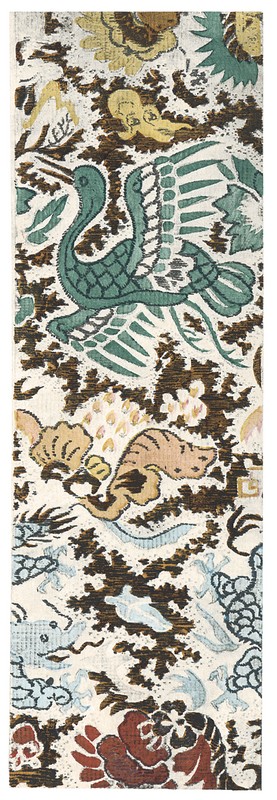
Japanese Textile Designs 122

-
How Prince Andrew Helped a Secretive Bank Woo Sketchy Clients / Bloomberg
Embattled royal Prince Andrew used his status to help promote a secretive private bank, whose clients included kleptocrats and alleged criminals.
-
Brain System For Emotional Self-Control
Different brain areas are activated when we choose to suppress an emotion, compared to when we are instructed to inhibit an emotion, according a new study from the UCL Institute of Cognitive Neuroscience and Ghent University.
In this study, published in Brain Structure and Function, the researchers scanned the brains of healthy participants and found that key brain systems were activated when choosing for oneself to suppress an emotion. They had previously linked this brain area to deciding to inhibit movement.
“This result shows that emotional self-control involves a quite different brain system from simply being told how to respond emotionally,” said lead author Dr Simone Kuhn (Ghent University).
In most previous studies, participants were instructed to feel or inhibit an emotional response. However, in everyday life we are rarely told to suppress our emotions, and usually have to decide ourselves whether to feel or control our emotions.
In this new study the researchers showed fifteen healthy women unpleasant or frightening pictures. The participants were given a choice to feel the emotion elicited by the image, or alternatively to inhibit the emotion, by distancing themselves through an act of self-control.
The researchers used functional magnetic resonance imaging (fMRI) to scan the brains of the participants. They compared this brain activity to another experiment where the participants were instructed to feel or inhibit their emotions, rather than choose for themselves.
Different parts of the brain were activated in the two situations. When participants decided for themselves to inhibit negative emotions, the scientists found activation in the dorso-medial prefrontal area of the brain. They had previously linked this brain area to deciding to inhibit movement.
In contrast, when participants were instructed by the experimenter to inhibit the emotion, a second, more lateral area was activated.
“We think controlling one’s emotions and controlling one’s behavior involve overlapping mechanisms,” said Dr Kuhn.
“We should distinguish between voluntary and instructed control of emotions, in the same way as we can distinguish between making up our own mind about what do, versus following instructions.”
Regulating emotions is part of our daily life, and is important for our mental health. For example, many people have to conquer fear of speaking in public, while some professionals such as health-care workers and firemen have to maintain an emotional distance from unpleasant or distressing scenes that occur in their jobs.
Professor Patrick Haggard (UCL Institute of Cognitive Neuroscience) co-author of the paper said the brain mechanism identified in this study could be a potential target for therapies.
“The ability to manage one’s own emotions is affected in many mental health conditions, so identifying this mechanism opens interesting possibilities for future research.
“Most studies of emotion processing in the brain simply assume that people passively receive emotional stimuli, and automatically feel the corresponding emotion. In contrast, the area we have identified may contribute to some individuals’ ability to rise above particular emotional situations.
“This kind of self-control mechanism may have positive aspects, for example making people less vulnerable to excessive emotion. But altered function of this brain area could also potentially lead to difficulties in responding appropriately to emotional situations.” -
5 foods that fight high cholesterol
It’s easy to eat your way to an alarmingly high cholesterol level. The reverse is true too — changing what you eat can lower your cholesterol and improve the armada of fats floating through your bloodstream. Fresh fruits and vegetables, whole grains, and “good fats” are all part of a heart-healthy diet. But some foods are particularly good at helping bring down cholesterol.
How? Some cholesterol-lowering foods deliver a good dose of soluble fiber, which binds cholesterol and its precursors in the digestive system and drags them out of the body before they get into circulation. Others provide polyunsaturated fats, which directly lower LDL. And those with plant sterols and stanols keep the body from absorbing cholesterol. Here are 5 of those foods:

- Oats. An easy way to start lowering cholesterol is to choose oatmeal or a cold oat-based cereal like Cheerios for breakfast. It gives you 1 to 2 grams of soluble fiber. Add a banana or some strawberries for another half-gram.
- Beans. Beans are especially rich in soluble fiber. They also take a while for the body to digest, meaning you feel full for longer after a meal. That’s one reason beans are a useful food for folks trying to lose weight. With so many choices — from navy and kidney beans to lentils, garbanzos, black-eyed peas, and beyond — and so many ways to prepare them, beans are a very versatile food.
- Nuts. A bushel of studies shows that eating almonds, walnuts, peanuts, and other nuts is good for the heart. Eating 2 ounces of nuts a day can slightly lower LDL, on the order of 5%. Nuts have additional nutrients that protect the heart in other ways.
- Foods fortified with sterols and stanols. Sterols and stanols extracted from plants gum up the body’s ability to absorb cholesterol from food. Companies are adding them to foods ranging from margarine and granola bars to orange juice and chocolate. They’re also available as supplements. Getting 2 grams of plant sterols or stanols a day can lower LDL cholesterol by about 10%.
- Fatty fish. Eating fish two or three times a week can lower LDL in two ways: by replacing meat, which has LDL-boosting saturated fats, and by delivering LDL-lowering omega-3 fats. Omega-3s reduce triglycerides in the bloodstream and also protect the heart by helping prevent the onset of abnormal heart rhythms.
But stay away from…
As you consider eating more of the foods that can help dial down cholesterol, keep in mind that avoiding certain foods can improve your results. To keep cholesterol levels where you want them to be, limit intake of:
Saturated fats. The saturated fats found in red meat, milk and other dairy foods, and coconut and palm oils directly boost LDL. So one way to lower your LDL is to cut back on saturated fat. Try substituting extra-lean ground beef for regular; low-fat or skim milk for whole milk; olive oil or a vegetable-oil margarine for butter; baked fish or chicken for fried.
Trans fats. Trans fats are a byproduct of the chemical reaction that turns liquid vegetable oil into solid margarine or shortening and that prevents liquid vegetable oils from turning rancid. Trans fats boost LDL as much as saturated fats do. They also lower protective HDL, rev up inflammation, and increase the tendency for blood clots to form inside blood vessels. Although trans fats were once ubiquitous in prepared foods, many companies now use trans-free alternatives. Some restaurants and fast-food chains have yet to make the switch.
-
Anoushka Shankar recorded Live @ Festival Les Nuits de Fourviere, France
-
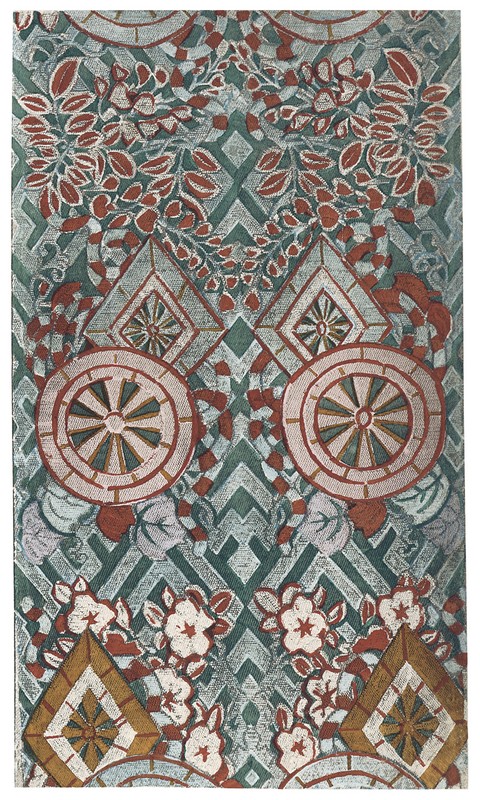
Japanese Textile Designs 124