-
A Book Talk on the Indo-Pacific Empire
The Japan Chair is delighted to invite Rory Medcalf, Professor and Head of the National Security College at the Australian National University, to discuss his new book, Indo-Pacific Empire: China, America and the contest for the world’s pivotal region. Please join us virtually to learn about the Indo-Pacific region and the potential for great power conflict between the United States and China.
-
From the Play List Top songs I have listened to in 2010
From the Play List Top songs I have listened to in 2010: PAULINE CROZE – Jour de foule
I have a 16,000 plus digital audio collection and I use Media Monkey to manage my files. One feature of Media Monkey is you can sort your collection based on the number of times played. This playlist is based on the top music and/or music video files I played/listened/streamed from my server: Playlist 2010
-
America’s Jobs Recovery |Public Debt
The U.S. unemployment rate shot up faster than in any other developed country during the pandemic. WSJ explains how differences in government aid and labor-market structures can help predict how and where jobs might recover.
The covid-19 pandemic is set to increase public debt to levels last seen after the second world war. But is rising public debt a cause for concern? New economic thinking suggests perhaps not, at least for now.
-
Spaniel Coloring Page

-
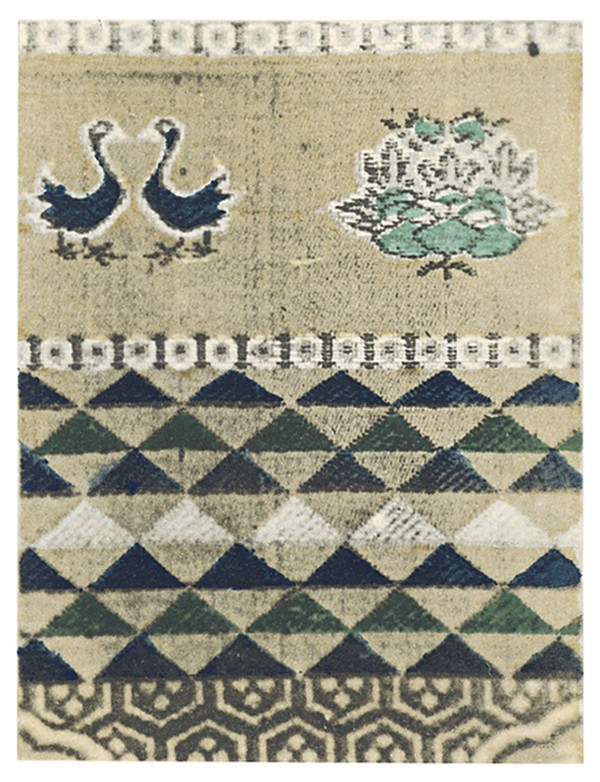
Japanese Textile Designs 104
-
Positive Statements about you
I am a group therapist who generally works with adults. I facilitate groups using creative arts, processing oriented, or psycho-education. Sometimes I actually sort of combine these in to a psycho-educational process oriented creative group. I provide info (psycho-educational, we talk about it from a personal perspective, and than create something out of the discussion.

One thing I have notice over the decades is that when people are stressed or overwhelmed about events in their life they tend towards a negative self perception. Below is a handout that I often use. One way of using this is to start out discussing what is positive self esteem, how you get it, maintain it, and why bother with it. I than pass out the hand out and folks write and than we share it in the group or in groups of 2 or 3 folks.
Positive Statements about you
- I like myself because:
- I’m an expert at:
- I feel good about:
- My friends would tell you I have a great:
- My favorite place is:
- I’m loved by:
- People say I am a good:
- I’ve been told I have:
-
Art therapy brings comfort to Jordan’s orphans
After a busy art session, the classroom at Amman’s al-Hussain Social Institution buzzed with energy, as children dashed around to clean up supplies, admire their paintings and pose in the decorated masks they designed.
These young artists have come a long way over the past few months. Aged between six and 12, the children recently completed an art therapy programme – the first of its kind – designed to aid Jordan’s orphans. The weekly sessions of painting, gluing and building provided an atmosphere of organised chaos, during which they filled canvases with the anxieties and hopes that might otherwise be difficult to express.

“It’s like regular therapy, except you use art as a medium,” art therapist and programme founder Shireen Yaish told Al Jazeera. “It’s great for those who find it difficult to verbalise things – it’s about making the unconscious conscious, in a way. My job is to make people understand what they’re making.”
As the weeks progressed, the children participating in this programme run by the Kaynouna Art Therapy Centre came out of their shells and developed great enthusiasm for their artwork, Yaish said. Supported by the al-Aman Fund for the Future of Orphans and the Abdul Hameed Shoman Foundation, the programme also exposed the profound needs of some of Jordan’s most vulnerable children. MORE HERE
-
our food
Mother Nature clearly intended for us to get our food from the “patty” group, which includes hamburgers, fish sticks, and McNuggets- foods that have had all of their organs safely removed. Dave Barry

-
Rough Road/Path photos
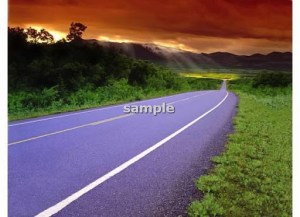
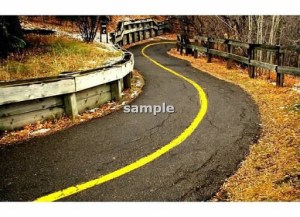
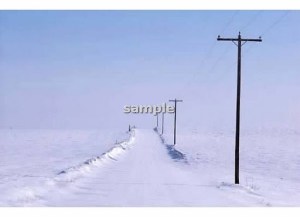
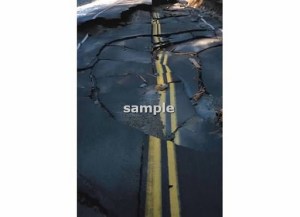
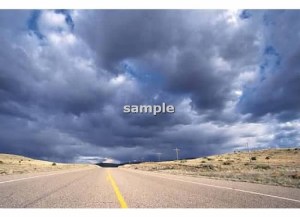
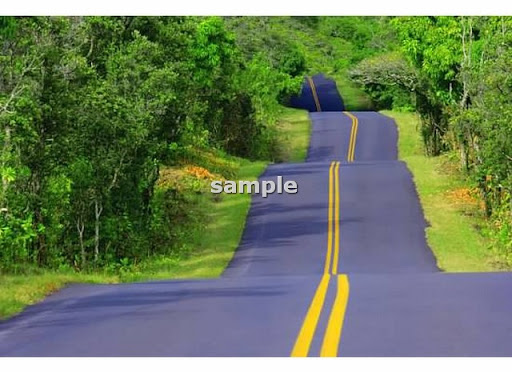
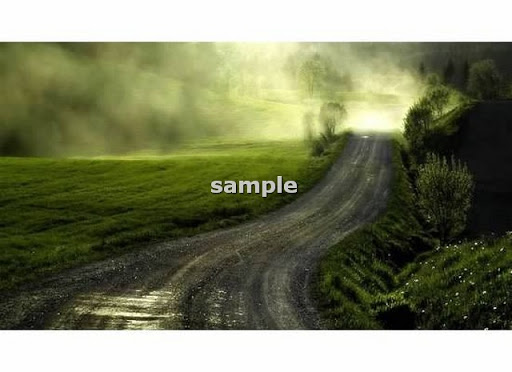
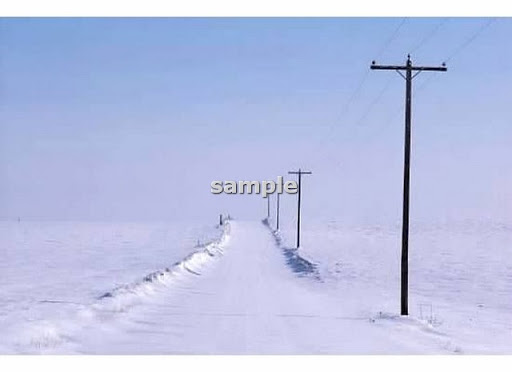
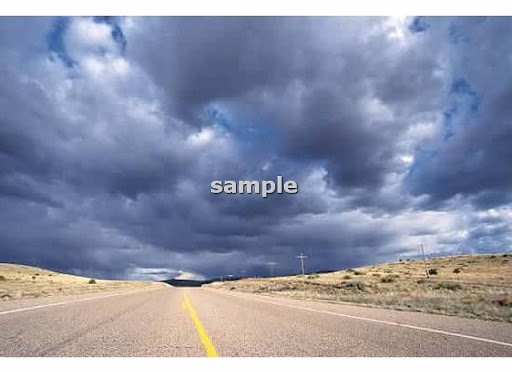
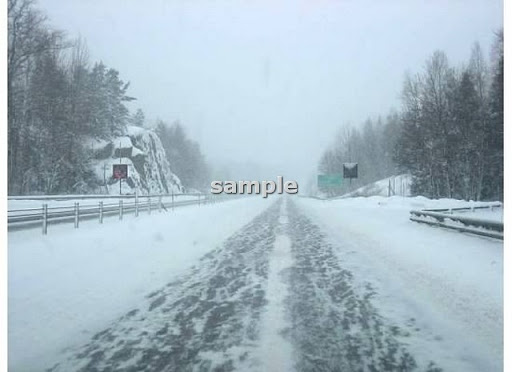
I have been involved in facilitating groups for decades. One of the tools I use for groups of adults, teens, or children are photos. I use photos as a way for folks to become familiar and used to talking and sharing in a group. As a way to indirectly share something of themselves by talking about an image/photo. As a way to begin a conversation about larger issues or deeper issues.One set of photos I use are Rough Road/Path photos with alcohol addicts and heroin addicts in the beginning of recovery. I spread the photos out on a table and ask the group (usually 10 to 15 men) to pick out one photo that represents their journey in the week or weeks before they came into rehab. Once everyone has chosen a photo I ask them to (one at a time) hold up the photo, describe the photo and why they chose it. The descriptions and stories they tell come from them, their experiences and begin the process of revealing a bit about their lives.



















-
Why Do We Get Addicted
Think about an experience that makes you feel good. It could be successfully completing a project at work, eating a warm chocolate chip cookie or taking a swig of whiskey. It could be a puff of a cigarette or a shopping trip. A dose of Vicodin or a hit of heroin.
Those experiences don’t automatically lead to addiction. So what makes a particular habit or substance an addiction? What propels some people to seek out these experiences, even if they are costly or detrimental to their health and relationships?
“Addiction is a biopsychosocial disorder. It’s a combination of your genetics, your neurobiology and how that interacts with psychological and social factors,” said Maureen Boyle, a public health advisor and director of the science policy branch at the National Institute on Drug Abuse. That means it’s a lot like any other chronic disorder, such as type 2 diabetes, cancer and heart disease. And just like other chronic diseases, addiction is both preventable and treatable, Boyle said, but added that if left untreated, it can last a lifetime. [Do Smokers’ Lungs Heal After They Quit?]
The mutual mechanism
Though everyone’s path to addiction is different — whether he or she tries a drug or a behavior because it’s what that person’s parents or peer do, or just out of curiosity — what’s common across all substance and behavioral addictions is their stunning ability to increase levels of an important chemical in the brain called dopamine, Boyle told Live Science.
Dopamine is a molecule that ferries messages across the brain’s reward center. It’s what gives people the feeling of pleasure and reinforces behaviors critical for survival, such as eating food and having sex.
When someone uses a drug or engages in a pleasurable experience, the same natural reward circuitry is activated. “The problem with drugs is that they do the job better than natural rewards,” said Dr. Hitoshi Morikawa, an associate professor of neuroscience at the University of Texas at Austin.
Different drugs tap into the dopamine reward system in different ways. Marijuana and heroin have a chemical structure similar to another neurotransmitter and can trick some brain cells into activating neurons that use dopamine. Cocaine and amphetamines, on the other hand, prolong the effect of dopamine on its target neurons, disrupting normal communication in the brain.
How quickly each drug can get into the brain, and how powerfully it activates neural circuits, determines how addictive it will be, Morikawa told Live Science. Some modes of use, like injecting or snorting a drug, make the drug’s effects almost immediate. “That’s why heroin, for example, is the last drug you want to take,” he said. “It’s very addictive.”
From experimenting to getting hooked
As individuals continue with addictive habits or substances, the brain adapts. It tries to reestablish a balance between the dopamine surges and normal levels of the substance in the brain, Morikawa said. To do this, neurons begin to produce less dopamine or simply reduce the number of dopamine receptors. The result is that the individual needs to continue to use drugs, or practice a particular behavior, to bring dopamine levels back to “normal.” Individuals may also need to take greater amounts of drugs to achieve a high; this is called tolerance.
Without dopamine creating feelings of pleasure in the brain, individuals also become more sensitive to negative emotions such as stress, anxiety or depression, Morikawa said. Sometimes, people with addiction may even feel physically ill, which often compels them to use drugs again to relieve these symptoms of withdrawal. [Booze Snooze: Why Does Alcohol Make You Sleepy, Then Alert?]
Eventually, the desire for the drug becomes more important than the actual pleasure it provides. And because dopamine plays a key role in learning and memory, it hardwires the need for the addictive substance or experience into the brain, along with any environmental cues associated with it — people, places, things and situations associated with past use. These memories become so entwined that even walking into a bar years later, or talking to the same friends an individual had previously binged with, may then trigger an alcoholic’s cravings, Morikawa said.
Brain-imaging studies of people with addiction reveal other striking changes as well. For example, people with alcohol-, cocaine- or opioid-use disorders show a loss in neurons and impaired activity in their prefrontal cortex, according to a 2011 review of studies published in the journal Nature Reviews Neuroscience. This erodes their ability to make sound decisions and regulate their impulses.
Risk factors
Some people are more susceptible to these extreme neurobiological changes than others, and therefore more susceptible to addiction. Not everyone who tries a cigarette or gets morphine after a surgery becomes addicted to drugs. Similarly, not everyone who gambles becomes addicted to gambling. Many factors influence the development of addictions, Boyle said, from genetics, to poor social support networks, to the experience of trauma or other co-occurring mental illnesses.
One of the biggest risk factors is age. “The younger someone is, the more vulnerable they are to addiction,” Boyle said. In fact, a federal study from 2014 found that the majority (74 percent) of 18- to 30-year-olds admitted to treatment programs had started using drugs at age 17 or younger.
Additionally, like most behavioral and mental health disorders, there are many genes that add to a person’s level of risk or provide some protection against addiction, Boyle said. But unlike the way in which doctors can predict a person’s risk of breast cancer by looking for mutations in a certain gene, nobody knows enough to be able to single out any gene or predict the likelihood of inheriting traits that could lead to addiction, she said.


















 RichardbBrunner