-
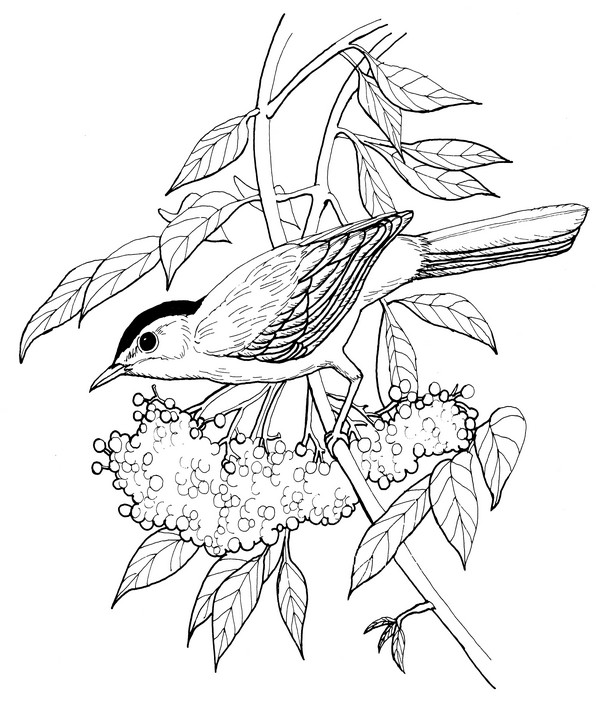
Catbird-Coloring Page
-
Resiliency
In groups I sometimes work with the idea of resiliency.
Resiliency ….. What does it mean to be resilient? Bounce back, bounce off of, withstand, remain standing. Is it a part of our hereditary, our inborn temperament? Perhaps it’s a positive self concept. An ability to remember the past, live in the present, and look to the future.
Could it also involve hitting rock bottom, being aware of limitations, seeking support? Perhaps it’s a mentor, a will to live, a focus on healing.
Could it be that resiliency is a connection with spirituality, a commitment to listen to others, a willingness to be truthful?
One thing is certain that resiliency is different for everyone, with some commonality mixed in here and there.
As a child, I found/rediscovered resiliency outside moving, often in my favorite tree.
A tree stands alone
Wind rustles leaves together
We sway arm in branch
As an adult, I have found resiliency many places and many ways. Often, in combining the practice of creative movement, tai chi and hatha yoga, something I first learned to do in a Creative Dance Class in 1983. Something that I teach/guide individuals and groups to do whenever I can. -
Weight stigma associated with harmful #health consequences
Men’s health may be compromised by weight stigma, finds the latest research from the University of Connecticut.
As many as 40% of men report experiencing weight stigma, but little is known about how this stigma affects their health. This study found that men experiencing weight stigma have more depressive symptoms, are more likely to binge eat, and have lower self-rated health. Read More at Science Daily

-
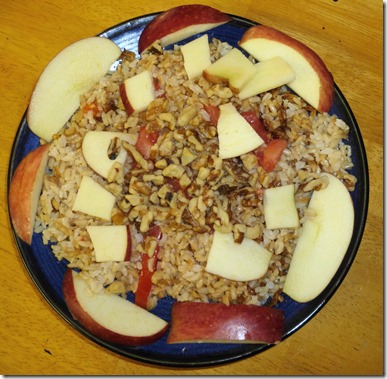
level 5 vegan
I’m a level 5 vegan, I don’t eat anything that casts a shadow. Matt Groening
-
Wellness
Wellness is not the mere absence of disease. It is a proactive, preventive approach designed to achieve optimum levels of health, social and emotional functioning. Wellness can also be defined as an active process through which you become aware of and make choices toward a more successful existence.
The definition of Wellness is: NOUN
1. mental and physical soundness: physical well-being, especially when maintained or achieved through good diet and regular exercise.A wellness-oriented lifestyle encourages you to adopt habits and behaviors that promote better health and an improved quality of life. It also involves the recognition that you have physical, psychological, social, and spiritual needs, with each dimension being necessary for optimal levels of functioning.

Wellness is a positive approach to living – an approach that emphasizes the whole person. It is the integration of the body, mind, and spirit; and the appreciation that everything you do, think, feel, and believe has an impact on your state of health.
Since lifestyle has been found to be the single most important factor determining your pattern of general health, it is important that you be educated to “take charge” of your daily life and to set healthy lifestyle goals. The choices you make have a dominant influence on your health ad wellness. The secret is not in medical care, but consistent self- care. While traditional medicine concentrates on alleviating or curing disease, the wellness approach encourages you to take personal responsibility for your well-being.
Remember, Wellness is an active process of becoming aware of and making choices toward a healthy and fulfilling life.
“…a state of complete physical, mental, and social well-being, and not merely the absence of disease or infirmity.” – The World Health Organization
-
Honesty
This is one of the handouts I use with groups when we talk about honesty.
- Figure out why you lie and who you lie to. We’ve all lied at one time or another, to different people, to ourselves, and for different reasons. But coming up with a systematic plan for becoming more honest will be difficult unless you try to define those reasons and those people for yourself.
- Lies to make ourselves look better might include exaggerations, embellishments, and flat-out tall-tales we tell to others, and ourselves, to make ourselves feel better about our inadequacies. When you’re unhappy about something, it’s much easier to fill it in with lies than tell the truth.
- We lie to peers we think are better than us, because we want them to respect us as we respect them. Unfortunately, being dishonest is disrespectful in the long run. Give people more credit for their ability to empathize and understand you on a deeper level.
- Lies that avoid embarrassment might include lies told to cover up bad behaviors, transgressions, or any activity we’re not proud of. If your mom found a pack of cigarettes in your jacket, you might lie and say that they’re your friend’s to avoid punishment.
- We lie to authoritative figures to avoid embarrassment and punishment, including ourselves. When we’ve done something we feel guilty about, lies are told to eliminate the guilt, avoid the punishments, and get back to the objectionable behavior we’re forced to lie about. It’s a vicious cycle.
- Anticipate behaviors that will make you feel guilty. To break the chain of embarrassment and lying, it’s important to learn to anticipate things that you’ll likely feel guilty about in the future, and avoid those behaviors. When you lie, you’re covering up some uncomfortable truth that’s more easily couched in a lie. You can either get comfortable with the truth, or abandon the behavior that makes you embarrassed.
- If you smoke cigarettes, you won’t have to lie if everyone knows it’s true. Own up to it. If a behavior is un-own-upable, it’s probably best to avoid it. It would be humiliating for your wife to find out that you had an inappropriate relationship with a coworker, but you won’t have to lie if you don’t do it.
- Avoid situations in which you’ll have to lie for others. Be wary when someone tells you something in confidence that you know that you should share with someone else (e.g., knowledge of a crime, a lie, or a harmful act against another). Hearing such information puts you in a difficult position, especially when the truth eventually emerges and reveals to the affected person that you knew all along.
- If someone begins a sentence with “Don’t tell so-and-so about this, okay?” be prepared to offer your own disclaimer: “If it’s something that I’d want to know about were I them, then please don’t tell me. I don’t want to be responsible for anyone’s secrets but my own.”
- Figure out why you lie and who you lie to. We’ve all lied at one time or another, to different people, to ourselves, and for different reasons. But coming up with a systematic plan for becoming more honest will be difficult unless you try to define those reasons and those people for yourself.
-
creativity is courage

Another word for creativity is courage. George Prince
-
Men and Depression
In my years f doing groups I have on occasion facilitated men only groups. One issue that comes up is depression. We all have bouts of sadness now and than and when those bouts of sadness interfere with our daily lives than we need to take a step in the direction of change. Below is a handout I often use, particularly with dual diagnosed men.

Symptoms of Depression
Not everyone who is depressed or manic experiences every symptom. Some people experience only a few; some people suffer many. The severity of symptoms varies among individuals and also over time.
· Persistent sad, anxious, or “empty” mood.
· Feelings of hopelessness or pessimism.
· Feelings of guilt, worthlessness, or helplessness.
· Loss of interest or pleasure in hobbies and activities that were once enjoyable
· Decreased energy, fatigue; feeling “slowed down.”
· Difficulty concentrating, remembering, or making decisions.
· Trouble sleeping, early-morning awakening, or oversleeping.
· Changes in appetite and/or weight.
· Thoughts of death or suicide, or suicide attempts.
· Restlessness or irritability.
· Persistent physical symptoms, such as headaches, digestive disorders, and chronic pain that do not respond to routine treatment.
Co-Occurrence of Depression with Other IllnessesDepression can coexist with other illnesses. In such cases, it is important that the depression and each co-occurring illness be appropriately diagnosed and treated. Research has shown that anxiety disorders which include post-traumatic stress disorder (PTSD), obsessive-compulsive disorder, panic disorder, social phobia, and generalized anxiety disorder commonly accompany depression.
Substance use disorders (abuse or dependence) also frequently co-occur with depressive disorders. Research has revealed that people with drug and/or alcohol addiction are almost twice as likely to experience depression.
Depression has been found to occur at a higher rate among people who have other serious illnesses such as heart disease, stroke, cancer, HIV, diabetes, and Parkinson’s.
Causes of Depression
Very often, a combination of cognitive, genetic, and environmental factors is involved in the onset of depression. Modern brain-imaging technologies reveal that, in depression, neural circuits responsible for the regulation of moods, thinking, sleep, appetite, and behavior fail to function properly.
In some families, depressive disorders seem to occur generation after generation; however, they can also occur in people with no family history of these illnesses. Genetics research indicates that risk for depression results from the influence of specific multiple genes acting together with non-genetic factors.
Environmental factors such as trauma, loss of a loved one, a difficult relationship, financial problem, or any stressful change in life patterns, whether the change is unwelcome or desired, can trigger a depressive episode in vulnerable individuals. Once someone experiences a bout of depression later episodes of depression may occur without an obvious cause.
Men and Depression
Men are more likely than women to report alcohol and drug abuse or dependence in their lifetime; however, there is debate among researchers as to whether substance use is a “symptom” of underlying depression in men or a co-occurring condition that more commonly develops in men. Nevertheless, substance use can mask depression, making it harder to recognize depression as a separate illness that needs treatment.
Instead of acknowledging their feelings, asking for help, or seeking appropriate treatment, men may turn to alcohol or drugs when they are depressed, or become frustrated, discouraged, angry, irritable, and, sometimes, violently abusive. Some men deal with depression by throwing themselves compulsively into their work, attempting to hide their depression from themselves, family, and friends. Other men may respond to depression by engaging in reckless behavior, taking risks, and putting themselves in harm’s way.
How to Help Yourself if You Are Depressed
Depressive disorders can make one feel exhausted, worthless, helpless, and hopeless. It is important to realize that these negative views are part of the depression and do not accurately reflect the actual circumstances. Negative thinking fades as treatment begins to take effect. In the meantime:
- Engage in mild exercise. Go to a movie, a ballgame, or participate in religious, social, AA/NA meetings or other healthy activities.
- Set realistic goals and assume a reasonable amount of responsibility.
- Break large tasks into small ones, set some priorities, and what you can as you can.
- Try to be with other people and to confide in someone; it is usually better than being alone and secretive.
- Expect your mood to improve gradually, not immediately.
- Feeling better takes time. Often during treatment of depression, sleep and appetite will begin to improve before depressed mood lifts.
- Postpone important decisions. Before deciding to make a significant transition–change jobs, get married or divorced–discuss it with others who know you well and have a more objective view of your situation.
- Do not expect to ‘snap out of’ a depression. But do expect to feel a little better day-by-day.
- Remember, positive thinking will replace the negative thinking as your depression responds to treatment.
- Let your family and friends help you.
-
Tada Nokoru Image Nao Matsuzaki hakoniwamarking
-
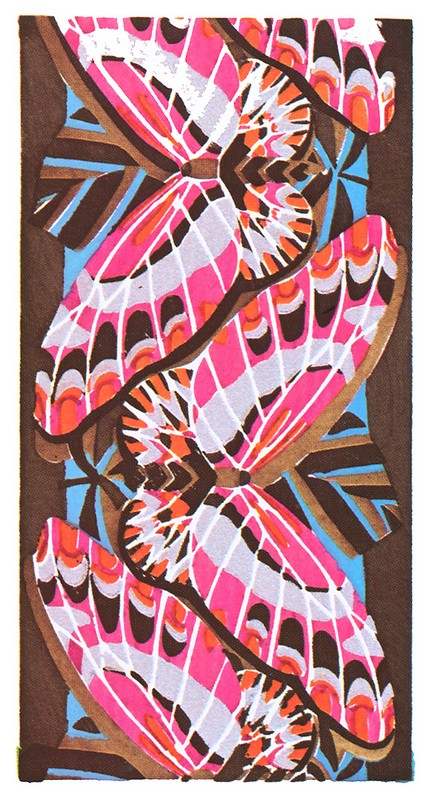
Seguy Art Deco Designs 122



 RichardbBrunner