-
Relaxation to Reduce Stress, Anxiety, & Depression
Here is another handout that I often give to clients/patients. I should add that I do all of the ideas in my handouts. No point talking about something if you can walk it too.
The body’s natural relaxation response is a powerful antidote to stress. Relaxation techniques such as deep breathing, visualization, progressive muscle relaxation, meditation, and yoga can help you activate this relaxation response. When practiced regularly, these activities lead to a reduction in your everyday stress levels and a boost in your feelings of joy and serenity. What’s more, they also serve a protective quality by teaching you how to stay calm and collected in the face of life’s curveballs.
The relaxation response is not: The relaxation response is: laying on the couch sleeping
being lazy
a mentally active process that leaves the body relaxed best done in an awake state
trainable and becomes more profound with practice
Starting a relaxation practice
A variety of relaxation techniques help you achieve the relaxation response. Those whose stress-busting benefits have been widely studied include deep breathing, progressive muscle relaxation, meditation, visualization, yoga, and tai chi.
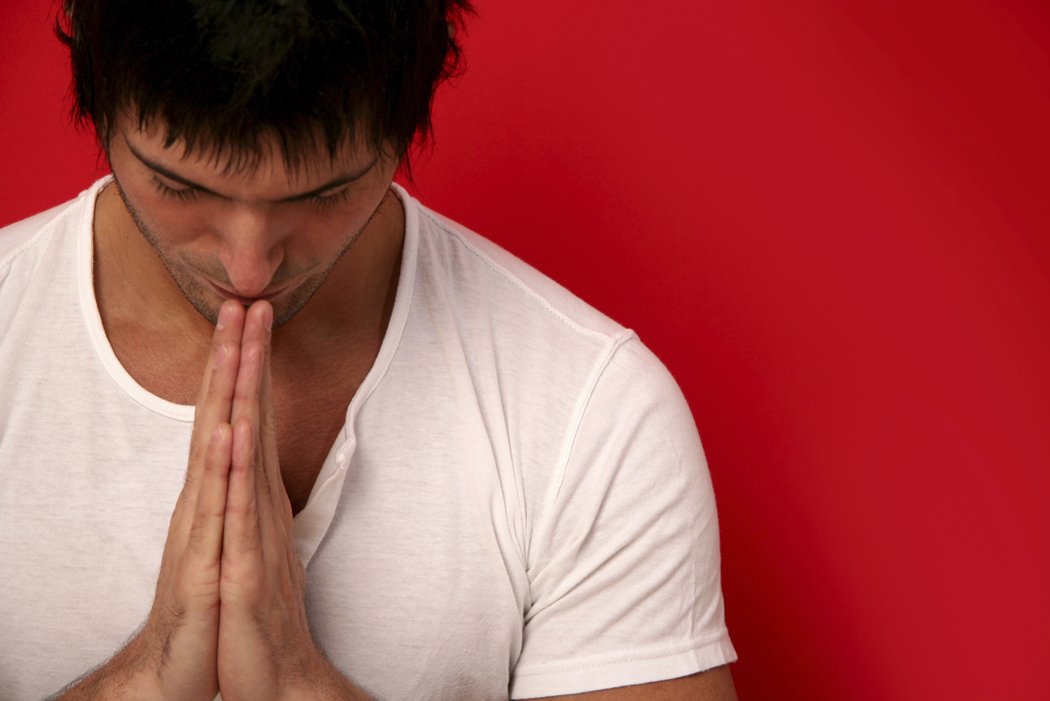
Learning the basics of these relaxation techniques isn’t difficult. But it takes practice to truly harness their stress-relieving power: daily practice, in fact. Most stress experts recommend setting aside at least 10 to 20 minutes a day for your relaxation practice. If you’d like to get even more stress relief, aim for 30 minutes to an hour.
Getting the most out of your relaxation practice
Set aside time in your daily schedule. The best way to start and maintain a relaxation practice is by incorporating it into your daily routine. Schedule a set time either once or twice a day for your practice. You may find that it’s easier to stick with your practice if you do it first thing in the morning, before other tasks and responsibilities get in the way.
Don’t practice when you’re sleepy. These techniques can relax you so much that they can make you very sleepy, especially if it’s close to bedtime. You will get the most out of these techniques if you practice when you’re fully awake and alert.
Choose a technique that appeals to you. There is no single relaxation technique that is best. When choosing a relaxation technique, consider your specific needs, preferences, and fitness level. The right relaxation technique is the one that resonates with you and fits your lifestyle.
Do you need alone time or social stimulation?
If you crave solitude, solo relaxation techniques such as meditation or progressive muscle relaxation will give you the power to quiet your mind and recharge your batteries. If you crave social interaction, a class setting will give you the stimulation and support you’re looking for. Practicing with others may also help you stay motivated.
-
How to Build Your Creative Confidence | David Kelley | TED Talks
-
Bebe – Respirar
-
Walking and creativity
When the task at hand requires some imagination, taking a walk may lead to more creative thinking than sitting, according to research published by the American Psychological Association.
“Many people anecdotally claim they do their best thinking when walking,” said Marily Oppezzo, PhD, of Santa Clara University. “With this study, we finally may be taking a step or two toward discovering why.”
While at Stanford University’s Graduate School of Education, Oppezzo and colleague Daniel L. Schwartz, PhD, conducted studies involving 176 people, mostly college students. They found that those who walked instead of sitting or being pushed in a wheelchair consistently gave more creative responses on tests commonly used to measure creative thinking, such as thinking of alternate uses for common objects and coming up with original analogies to capture complex ideas. When asked to solve problems with a single answer, however, the walkers fell slightly behind those who responded while sitting, according to the study published in APA’s Journal of Experimental Psychology: Learning, Memory and Cognition.
While previous research has shown that regular aerobic exercise may protect cognitive abilities, these researchers examined whether simply walking could temporarily improve some types of thinking, such as free-flowing thought compared to focused concentration. “Asking someone to take a 30-minute run to improve creativity at work would be an unpopular prescription for many people,” Schwartz said. “We wanted to see if a simple walk might lead to more free-flowing thoughts and more creativity.”
Of the students tested for creativity while walking, 100 percent came up with more creative ideas in one experiment, while 95 percent, 88 percent and 81 percent of the walker groups in the other experiments had more creative responses compared with when they were sitting. If a response was unique among all responses from the group, it was considered novel. Researchers also gauged a participant’s total number of responses and whether a response was feasible and appropriate to the constraints of the task. For example, “Putting lighter fluid in soup is novel, but it is not very appropriate,” Oppezzo said.
Marily Oppezzo, Daniel L. Schwartz. Give your ideas some legs: The positive effect of walking on creative thinking.. Journal of Experimental Psychology: Learning, Memory, and Cognition, 2014; DOI: 10.1037/a0036577 -
#Sunlight and Fern

-
Seguy Art Deco Designs 125
-
Coloring Page Boston Terrier

-
The Science of Making Things Go #Viral
 Courtesy of: Visual Capitalist
-
Research Identifies How Stress Triggers Drug Relapse
Recent research from Brown University could pave the way for new methods of treatment for those recovering from addiction. Researchers identified an exact brain region in rats where the neural steps leading to drug relapse take place, allowing them to block a crucial step in the process that leads to stress-induced relapse.

Prior research has established that acute stress can lead to drug abuse in vulnerable individuals and increase the risk of relapse in recovering addicts. But the exact way that stress triggers the neural processes leading to relapse is still not clearly understood. The Brown study provides new insights on how stress triggers drug abuse, and could lead to more effective treatments for addiction.
According to the study, stress has significant effects on plasticity of the synapses on dopamine neurons in the ventral tegmental area (VTA), the brain region where the neural activities leading to a stress-induced drug relapse take place.
Stress activates kappa opioid receptors (KORs) in the VTA, and the researchers found that by blocking the KORs, they could prevent the rats from relapsing to cocaine use while under stress.Published this week in the journal Neuron, the study shows blocking these receptors may be a critical step in preventing stress-related drug relapses in humans, as well. The chemical used to block the receptor, “nor-BMI,” may eventually be tested on humans, according to the study’s authors.
“If we understand how kappa opioid receptor antagonists are interfering with the reinstatement of drug seeking we can target that process,” senior study author Julie Kauer said in a statement. “We’re at the point of coming to understand the processes and possible therapeutic targets. Remarkably, this has worked.”
Kauer noted that the study builds upon over a decade of research on how changes in brain synapses relate to behaviors like addiction. The advance is significant, and could accelerate progress towards a medication for those struggling to recover from addiction.
“If we can figure out how not only stress, but the whole system works, then we’ll potentially have a way to tune it down in a person who needs that,” Kauer said.
-
Oil-Well Bolts Are #Failing

Failed bolts on a connector unit from a subsea oil well. U.S. regulators and oil-field service companies have said the bolts are breaking, prompting equipment shutdowns and raising safety concerns about gear used on Gulf of Mexico rigs. PHOTO: BUREAU OF SAFETY AND ENVIRONMENTAL ENFORCEMENT


