-
A Child’s View of Sensory Processing
-
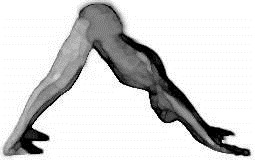
Asanas that chase away the blues
Nice article from the Times of India, citing research using Yoga Asanas: Among the many clinical researches being conducted at Nimhans , one involved patients of an old-age home who were exposed to six months of yoga therapy. MRI scans taken before and after showed an increase in the size of the hippocampus, the brain’s memory index. “It was
 larger than before because the grey matter had increased. The results will be published in a scientific journal shortly ,” adds Gangadhar. The hippocampus is vulnerable to stress and atrophy is seen in patients of schizophrenia, post-traumatic stress disorder (PTSD) and severe depression. “Yoga acts as an antidepressant ,” he says. Read the entire article here.
-
Hospital art therapy program helps children express themselves
Nathan Allen loves the colour blue.
His T-shirt is blue, the blanket wrapped around his knees is blue, and his eyes, bright under his baseball cap, are blue.
But blue is also a feeling, and after spending months undergoing near-daily dialysis at the Hospital for Sick Children, who could blame an 11-year-old for feeling a bit down?
Nathan was referred to the hospital’s new on-staff art therapist to help him cope with his emotions. And when Jennifer Bassin came to visit recently week with her case of supplies, he chose the colour blue to start on a sculpture of a car.
“Shocking,” jokes his mom, Judy Chapman.
Nathan was diagnosed with a bilateral Wilms’ tumour, a rare cancer of the kidneys mostly affecting children, at age 5. He started chemo and radiation and had a partial nephrectomy in both kidneys. His left kidney never worked properly again, and after almost five years of remission, cancer returned to his right kidney.
Now he undergoes chemo once every three weeks and dialysis five days a week. That’s a lot of poking and prodding for an 11-year-old who would prefer to be playing defence on the Georgina Blaze novice hockey team and cuddling his 3-year-old beagle, Daisy, at home in Keswick, Ont.
After three more chemo treatments, Nathan can go home. His parents are training to do at-home dialysis and counting down the days until Nathan can receive a new kidney. His mom is praying she can eventually donate one of her own.
Until then, he looks forward to his weekly sessions with Bassin. She visits during the two-and-a-half-hour dialysis process, and they paint or sculpt while the machine whirs in the background.
“It absorbs some of the time,” Nathan says. “I like to build stuff.”
Bassin has brought something called a 3Doodler — a cross between a hot glue gun and a tiny 3D printer, which can make plastic sculptures. This day, after he makes the car, she asks Nathan to make something that resembles his idea of cancer.
“A big, black, blob,” he says.
Nathan is an outpatient but most of Bassin’s patients are long-term in-patients at Sick Kids who have chronic illnesses, complex medical histories or have faced traumatic injuries.
Since the program started in May, she does art therapy just two days a week and sees between four and eight children aged 4 to 18. Psychiatric patients have benefited from art therapy at Sick Kids in the past, but this is the first year the new program, which is entirely funded by donations, has been extended to medical patients.
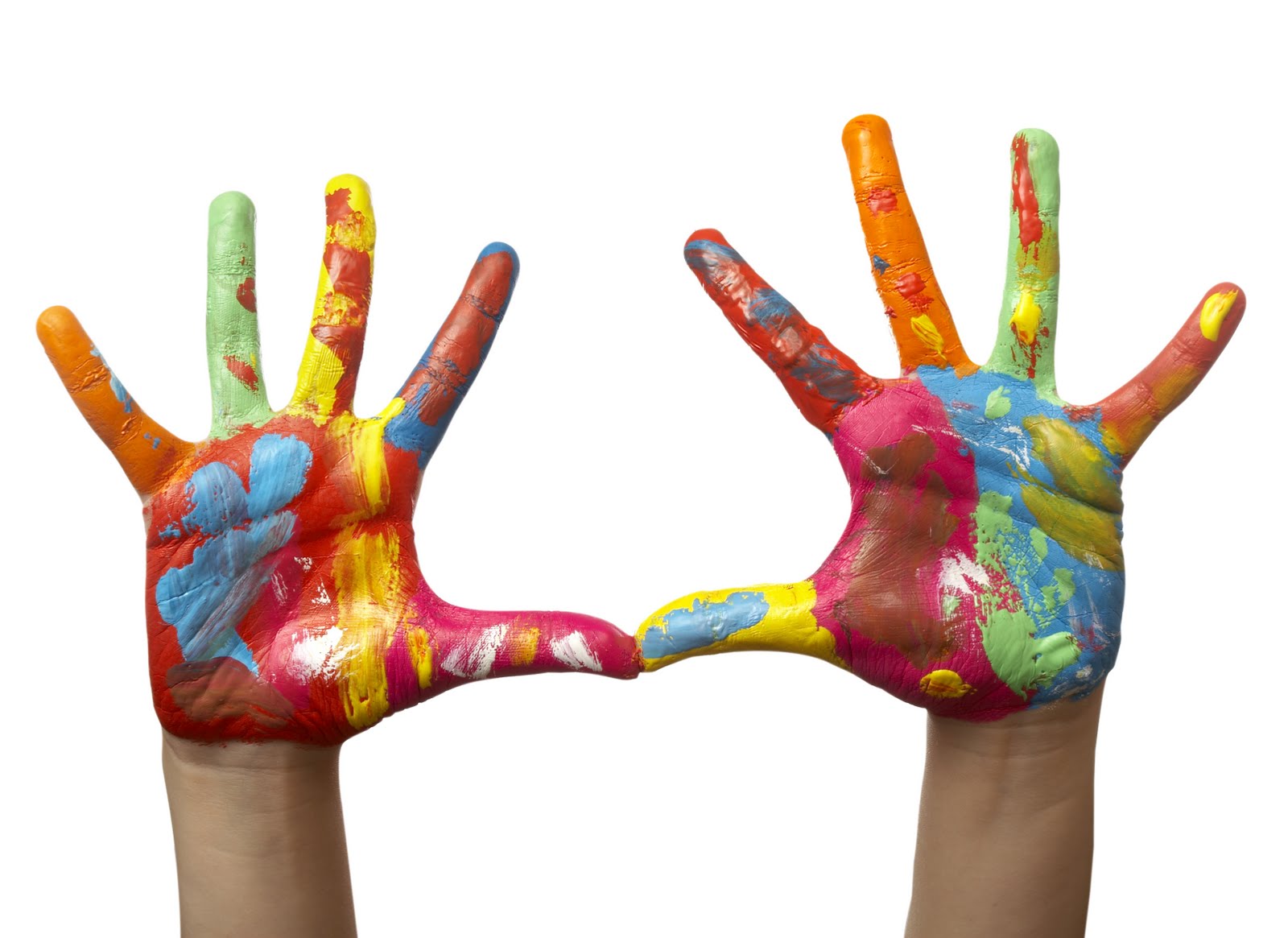
“Art therapy is taking the language children already speak and meeting them at that level,” Bassin said. “You don’t have to be good at art to participate in art therapy. It doesn’t have to be about the painting or about the drawing. It’s more about finding something they enjoy that we can use as a tool to explore how they’re feeling.”
One patient, who had recently been in a traumatic boat accident, sculpted a vessel out of clay — and then smashed it against the wall in a moment of catharsis. Some enjoy the physicality of painting big murals, and some like to rip up what they’ve drawn. Another drew a landscape so she could imagine herself outside the hospital, at a picnic.
“When you create something outside of you, you can really treat it like it’s at a distance, and it makes it safer for us to explore a little bit.”
Making art helps young patients take back some control in their lives, if only for an hour. Some patients are content with their creation, and others want to delve deeper into their feelings, Bassin says.
Nathan’s family hopes he can go home in late September, when he can rejoin his classmates in Grade 6 and go back to being an annoying older brother to his sister Emma, 7. He’s still quiet, but less withdrawn after a session, his mom says.
As he paints a mask green, with blue lips and black eyes, Bassin asks Nathan if he has a plan.
“Nope,” he says. “Just going step by step.”
-
The science of improving your brain’s creativity | Nick Skillicorn
-
Cheb i Sabbah Morey Pya Bassey
-
early spring

-
2 lie
It takes two to lie. One to lie and one to listen. Matt Groening
-
Waldeen and the Americas
Waldeen (von) Falkenstein American-born dancer and choreographer. Together with Anna Sokolow, Alicia Markova, Anton Dolin and Michel Descombey she belongs to the great precursors of modern Mexican dance.
WALDEEN (1913–1993) dreamed of the dance for most of her life, from early childhood to her death. The dance, like poetry, was always in her blood — the daring blood of the “Texas girl,” as she was called when she made her New York debut, who at fifteen left classical ballet in order to find her own voice, to speak freely with her body, hands and face. The blood of the young dancer who, at twenty-five, having already distinguished herself here and abroad, made Mexico City her home, inspired by the vitality of the arts in Mexico where she believed art and life were fused into one reality — and where the people loved her. She created dance for more than half a century. For more see: http://www.uhmc.sunysb.edu/surgery/waldeen.html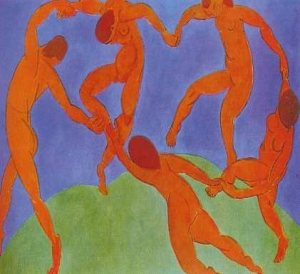
-
Our treasure
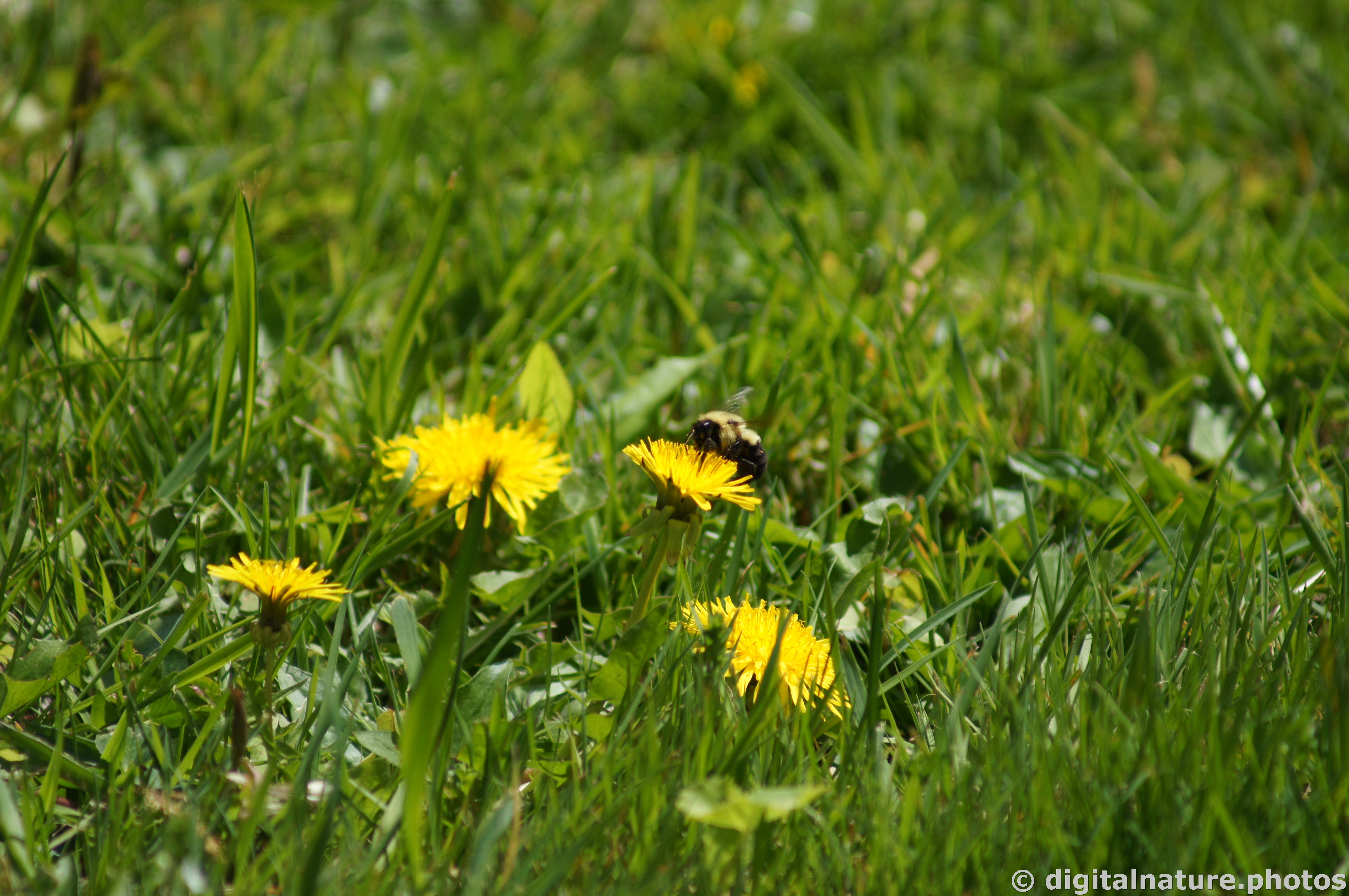
Our treasure lies in the beehive of our knowledge. We are perpetually on the way thither, being by nature winged insects and honey gatherers of the mind. Friedrich Nietzsche
-
Nonverbal communication with Pets
Nonverbal communication is a gift that all living beings share, one you’ll need to reawaken to better interact with and care for your animal companions. Most dog and cat lovers already understand canine and feline body language, which is one non-verbal technique. But you can use your other, natural, nonverbal communication skills, and actually begin to see things through your dog or cat’s eyes, and become his/her voice.

You can learn animal communication by taking a class or reading some of the great books available today on the subject. But many of the basics are so simple that we can easily begin nonverbally communicating right away. Remember, long before humans had spoken language, we were able to communicate among ourselves and with the animals; it is a kind of heart to heart communication skill that we all possess.
Did you ever know a set of twins who said they each knew what the other was thinking, or you heard your mother say she had “woman’s intuition” or “just knew something was wrong.” Have you ever had an image of a friend come to mind and then received a phone call from that very person saying, “I was just thinking about you and wanted to say hello”? These are all examples of nonverbal communication.